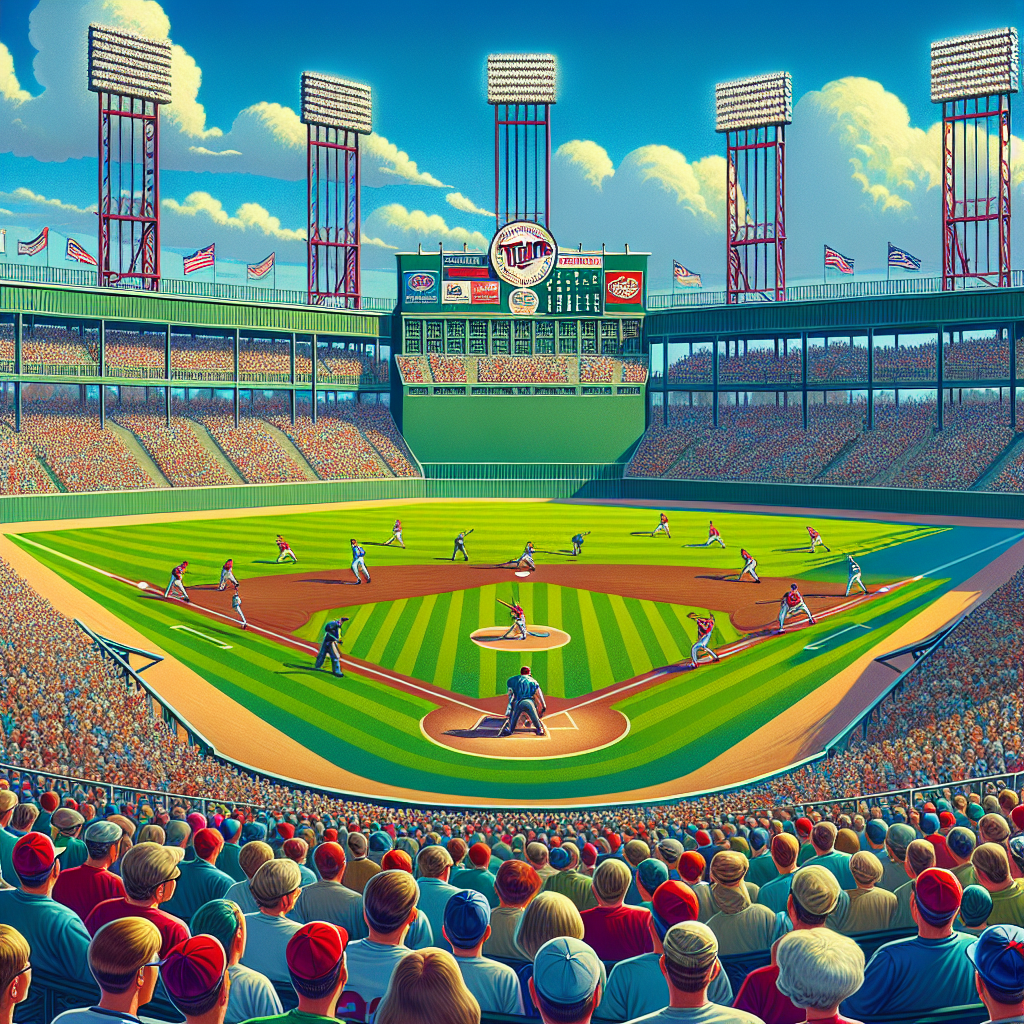
The history of baseball is filled with iconic ballparks, each with its own unique story and character. Among these, Metropolitan Stadium stands out as a cherished symbol in the annals of baseball history. Serving as the original home for the Minnesota Twins, Metropolitan Stadium is fondly remembered for its contributions to the sport and the unforgettable moments it hosted. In this article, we will dive deep into the history, features, and legacy of Metropolitan Stadium, recounting its journey from conception to demolition and beyond.
Introduction to Metropolitan Stadium
Situated in Bloomington, Minnesota, Metropolitan Stadium was more than just a ballpark; it was a cultural landmark. Opening its doors in 1956, the stadium played a crucial role in accommodating both baseball and football games, becoming a versatile sports hub in the Midwest. Originally built to attract Major League Baseball to Minnesota, the stadium eventually succeeded when the Washington Senators relocated and became the Minnesota Twins in 1961. Since its establishment, the Metropolitan Stadium has seen countless memorable games, legendary players, and moments that have cemented its place in baseball history.
The story of Metropolitan Stadium began with the Twin Cities’ growing desire to host major league sports. Prior to the stadium’s construction, local enthusiasts had to travel far to enjoy top-tier sports action. The establishment of this stadium transformed the sports landscape in the region, providing a state-of-the-art facility that could comfortably seat up to 40,000 fans. Initially envisioned as a minor league ballpark, the idea quickly evolved as ambitions grew. Through the dedicated efforts of local businesses and community leaders, funds were raised, and construction ultimately began, paving the way for major league sports in Minnesota.
The Era of the Minnesota Twins
When the Minnesota Twins moved to Metropolitan Stadium in 1961, a new chapter was written in the park’s history. The Twins brought with them a fresh wave of excitement and enthusiasm for baseball. During their tenure at the stadium, the Twins experienced several highs and lows, including their remarkable 1965 season, which saw them clinch the American League pennant and advance to the World Series. Although they fell to the Los Angeles Dodgers in a seven-game series, it was clear that Metropolitan Stadium had become a fortress for a promising team.
Players like Harmon Killebrew, Tony Oliva, and Rod Carew became synonymous with the stadium during the 1960s and 70s. Their stellar performances and strong fan engagement helped solidify the stadium’s place in the hearts of baseball fans. The home run prowess of Killebrew, in particular, left an indelible mark, with numerous balls landing in the distant bleachers, thrilling the crowds. The American League All-Star game held in 1965 further elevated the stadium’s status, showcasing its modern facilities to a national audience.
Design and Features
Metropolitan Stadium was designed to be a multi-purpose facility, which meant it had to serve the needs of both baseball and football. Its architectural design reflected the practical and aesthetic considerations of the mid-20th century. Featuring a symmetrical layout, the stadium included an ample seating capacity and excellent sightlines, ensuring that every fan had a good view of the action. The outfield dimensions were relatively standard, with the left field measuring 330 feet, center field at 402 feet, and right field also at 330 feet.
A unique feature of the stadium was its open-air environment, which subjected games to the whims of Minnesota’s often unpredictable weather. This sometimes led to challenging conditions for both players and spectators, from blistering summer heat to chilly autumn winds. Nonetheless, many fans believed that these elements added an authentic touch to the sports experience, making each game unpredictable and exciting.
The seating arrangements, concession stands, and other amenities were gradually upgraded over time. Notably, the stadium underwent several renovations to improve spectator comfort and ensure that it met the standards of a major league ballpark. These upgrades included the installation of better lighting, an expanded press box, and modernized locker rooms, reflecting the evolving needs of both the teams and their legions of fans.
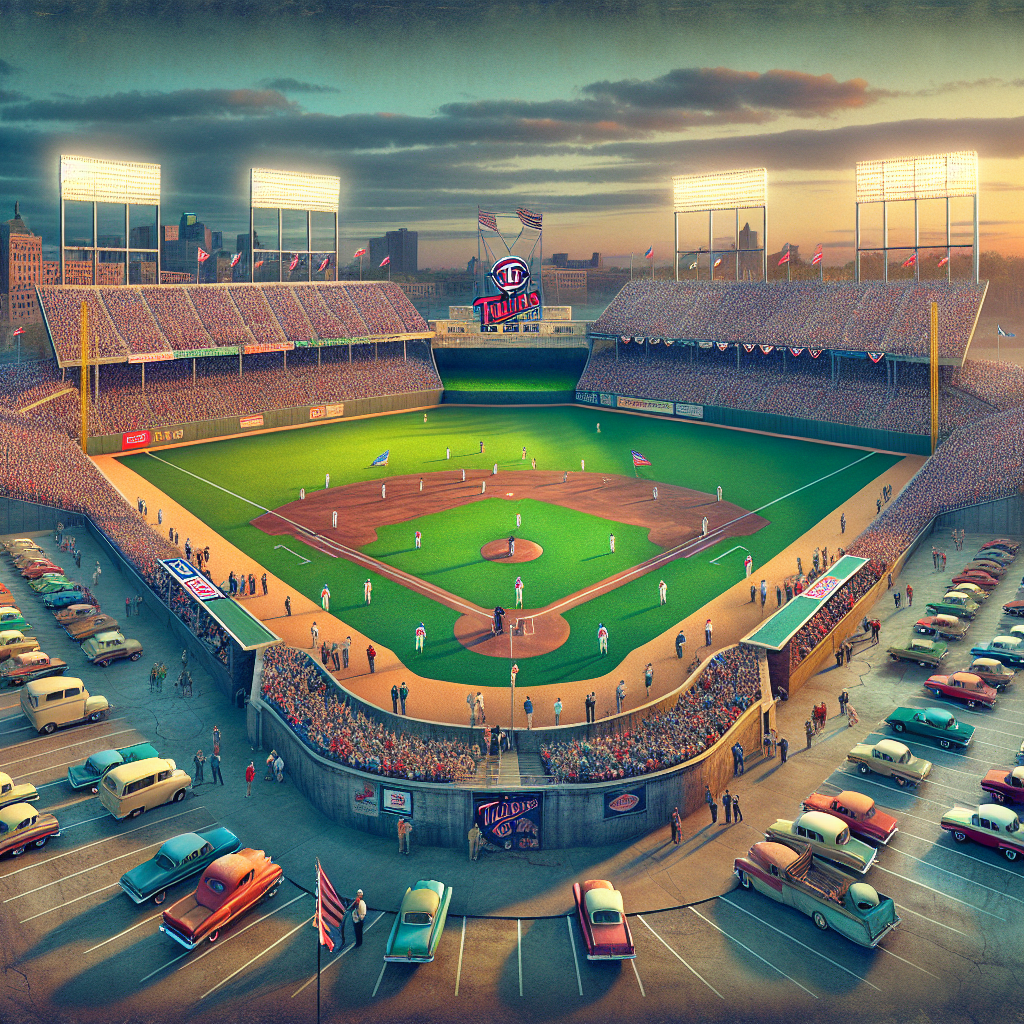
Metropolitan Stadium in Pop Culture
Metropolitan Stadium transcended its role as a sports venue, becoming a part of pop culture over the years. One of the most memorable moments came in 1976 when the KISS Army gathered for what became one of the rock band’s most iconic concerts. Thousands of fans packed the stadium, not for a sports event, but for a night of rock ‘n’ roll. This event solidified the stadium’s reputation as a versatile entertainment venue.
Additionally, Metropolitan Stadium’s presence was felt in television and film. The most notable tribute came in the form of the 2006 film “Little Big League,” a family-friendly baseball movie that included scenes filmed at the stadium. Although many of these productions came years after the stadium had been demolished, they served as a nostalgic reminder of its impact and importance both within and beyond the realm of sports.
Beyond the world of entertainment, Metropolitan Stadium also found itself in the spotlight politically. Figures like then-Vice President Hubert Humphrey frequented the venue, particularly given Minnesota’s significant political landscape during the mid-20th century. Such visits underscored the stadium’s status as a multifaceted community hub transcending sports and reaching into broader realms of public life.
The Decline and Demolition
As the years went by, it became increasingly clear that Metropolitan Stadium was facing challenges. Despite its rich history and the fond memories of countless fans, the stadium struggled to keep up with the demands of contemporary sports facilities. The rise of indoor multipurpose stadiums, such as the Astrodome in Houston, highlighted the limitations of open-air designs, particularly in weather-sensitive regions like Minnesota.
In 1981, after hosting the Twins for two decades, the team played their final game at Metropolitan Stadium. Soon after, they moved to the new Hubert H. Humphrey Metrodome. This marked the end of an era as the Twins transitioned to a more modern and capable venue. Not long after, the Minnesota Vikings also left the stadium behind, sealing its fate. The old stadium was eventually demolished in 1985, making way for the Mall of America, which inherited part of the land that once hosted numerous memorable sports moments.
Before its demolition, many pieces of Metropolitan Stadium were auctioned off, allowing fans to take home a piece of the ballpark’s legacy. Seats, signage, and other memorabilia became treasured keepsakes, preserving the spirit and history of the stadium. Despite the sad reality of its physical absence, the memories and historical significance of Metropolitan Stadium live on through these mementos and the stories shared by those who experienced its glory firsthand.
The Legacy of Metropolitan Stadium
The legacy of Metropolitan Stadium endures long after its demolition. For many fans and players, the stadium represents an era of growth and pride in Minnesota’s sports history. It was not just a place where games were played but a communal gathering spot where memories were made, lives were touched, and legacies were forged.
Today, the space where Metropolitan Stadium once stood is part of the expansive Mall of America, one of the largest shopping and entertainment complexes in the country. Within the mall, visitors can find tributes to the old stadium, ensuring that its memory is not forgotten. One such tribute is the legendary home plate’s location marked and preserved, allowing visitors to step onto the very spot where countless epic duels between pitchers and batters once took place.
A bronze statue of Harmon Killebrew, a key figure in the stadium’s history, also stands as a tribute. His larger-than-life presence is a reminder of the towering home runs he hit and the joy he brought to fans. The legacy of other legendary players associated with the stadium continues through various Minnesota sports halls of fame and local tributes, ensuring that their contributions to baseball and to Metropolitan Stadium are celebrated for generations to come.