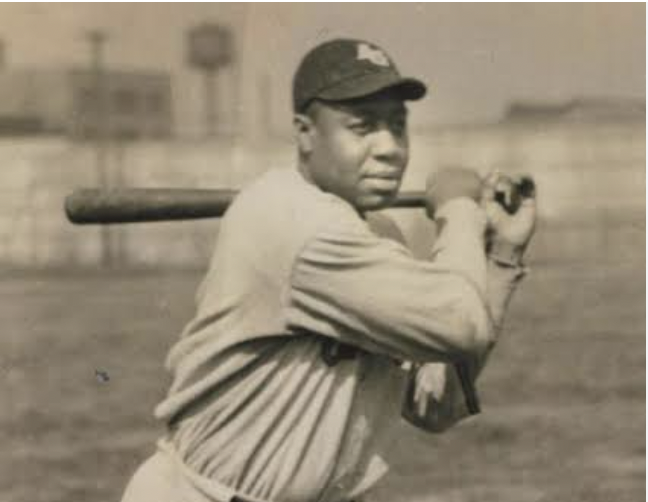
When talking about the greats of baseball, names like Babe Ruth, Jackie Robinson, and Lou Gehrig often come up. Yet, the annals of baseball history would be incomplete without paying homage to the stars of the Negro Leagues. One such towering figure is George “Mule” Suttles, a powerhouse who captivated fans and opponents alike with his prodigious hitting and imposing presence. Not only did Mule Suttles define an era, but he also left an indelible mark on the game, inspiring a multitude of future players.
Born on March 31, 1900, in Edgewater, Alabama, Mule Suttles’ journey to baseball greatness began in the South’s small towns, where he honed his skills on makeshift diamonds. His raw talent and insatiable love for the game propelled him to the Negro Leagues, where he donned uniforms for teams like the Birmingham Black Barons, St. Louis Stars, Chicago American Giants, and Newark Eagles. Despite enduring the systemic racism and segregation of the times, Suttles’ exceptional prowess could not be contained or ignored.
In a career spanning nearly two decades, Mule Suttles emerged not just as a player but as a larger-than-life figure. His mighty swing and towering home runs became the stuff of legends, earning him a revered spot in baseball history. Fans and fellow players often stood in awe as Suttles turned ordinary at-bats into electrifying moments. This article delves into the awe-inspiring career of Mule Suttles, highlighting his contributions, struggles, and enduring legacy in the world of baseball.
Early Life and Career Beginnings
Mule Suttles grew up in a rural Alabama setting, steeped in the challenging yet vibrant culture of the early 20th century. His love for baseball was evident from an early age, as he spent countless hours playing the game with friends and local teams. Despite the pressing hardships of growing up in the Jim Crow South, Suttles’ passion for baseball never waned.
His break came when he joined the Birmingham Black Barons in 1923, fitting seamlessly into the thriving Negro Southern League. As a raw, up-and-coming player, Suttles had yet to master the art of hitting, but his natural athleticism and strength were already apparent. The leagues of the time were rife with talent and competition, providing Suttles with the crucible to fine-tune his skills.
It didn’t take long for his performance to catch the eye of team managers and scouts. Suttles wielded a bat like a sledgehammer, and it was this prodigious power that earned him the nickname “Mule,” a testament to his sheer force and presence on the field. By the mid-1920s, he had signed with the St. Louis Stars, marking the beginning of what would be a legendary career in the Negro Leagues.
Within the Stars’ lineup, Suttles truly began to shine. His batting average soared, and he became known for his long home runs, some of which were said to travel over 500 feet. His charisma and knack for the dramatic made him a fan favorite, drawing crowds eager to see his next towering shot. It was during this period that Suttles truly established himself as a force to be reckoned with, laying the foundation for a storied career.
Dominating the Negro Leagues
Mule Suttles’ tenure with the St. Louis Stars from 1926 to 1931 stands as one of the most productive periods of his career. His sheer strength and remarkable consistency at the plate struck fear into the hearts of pitchers across the league. Suttles led the Stars to three Negro National League Championships in 1928, 1930, and 1931.
During these peak years, Suttles routinely posted impressive batting statistics. In 1926, he led the league with a .425 batting average. His offensive prowess was complemented by a keen eye for pitches, making him a formidable hitter in any situation. His mammoth home runs, frequently clearing fences by significant margins, earned him a reputation as one of the toughest batters to face.
Beyond his offensive output, Suttles was a constant presence on the field, playing first base and the outfield when required. His robust frame and athleticism made him a reliable defensive player, contributing to his teams’ defensive strategies. Off the field, Suttles was known for his genial demeanor and camaraderie with teammates, making him both a leader and a beloved figure within the clubhouse.
Despite the varying challenges of playing in segregated leagues, Suttles’ dedication and love for baseball never wavered. He became a symbol of excellence and resilience, demonstrating that talent and tenacity could transcend adversities. His presence in the lineup was a significant boost to team morale, and his consistently high level of play helped elevate the status of the Negro Leagues during a time when the talent of Black players was criminally underestimated and overlooked.
Stellar Moments and Records
Mule Suttles’ career was punctuated by numerous stellar moments, including notable performances in key games and remarkable individual achievements. One such highlight came during the 1933 East-West All-Star Game, where Suttles showcased his immense talent on one of the biggest stages of the Negro Leagues.
In that inaugural All-Star Game, held at Comiskey Park, Suttles hit what many described as one of the longest home runs in the park’s history. His unforgettable performance not only thrilled the fans but also solidified his status as one of the game’s most potent sluggers. The home run was a towering shot that drew gasps from the crowd and admiration from fellow players.
Another standout moment in Suttles’ career was his impressive run with the Chicago American Giants and later the Newark Eagles. While playing with the Eagles, Suttles continued to illustrate his offensive prowess, leading the team to a Negro League World Series title in 1946. His seasoned bat and veteran presence provided the spark the team needed to clinch the championship.
In terms of records, Suttles racked up an impressive array of stats, including a career batting average hovering around .330 and an estimated 237 home runs, a monumental feat considering the fewer number of games played compared to Major League schedules. Additionally, Suttles recorded multiple seasons with batting averages well above .350, underscoring his consistent excellence at the plate.
Post-Playing Career and Legacy
After retiring from active play, Mule Suttles settled in Newark, New Jersey, where he immersed himself in coaching and youth mentorship. Suttles’ post-playing days were dedicated to nurturing the next generation of players, sharing his extensive knowledge and experience with budding talents.
His contributions to the game extended far beyond his playing days. Suttles’ influence on younger players and the community was profound, guiding many towards successful careers in baseball and instilling in them the values of hard work, dedication, and sportsmanship. His legacy as a mentor and a role model was deeply felt, particularly among the underserved and marginalized populations he often worked with.
In 2006, Mule Suttles was posthumously inducted into the Baseball Hall of Fame, a long-overdue recognition of his contributions to the sport. This honor was a testament to his extraordinary impact on baseball and a poignant reminder of the talent that resided in the Negro Leagues.
Mule Suttles’ legacy continues to resonate in modern baseball, serving as an enduring symbol of excellence and resilience. His life and career are celebrated in various forums, including commemorative events and museum exhibits that highlight the contributions of Negro League players. Through these retrospectives, new generations of fans and players are introduced to the rich history and indomitable spirit of Mule Suttles and his peers.
Conclusion
Mule Suttles’ story is a powerful narrative of talent, determination, and triumph over adversity. His contributions to the Negro Leagues and baseball as a whole are irrefutable, marked by extraordinary performances and an enduring spirit. Despite playing in an era of deep-seated racial segregation and discrimination, Suttles’ prowess at the plate commanded respect and admiration, bridging divides with the sheer force of his talent.
Suttles’ ability to hit towering home runs and sustain a high level of play across multiple seasons established him as one of the greatest sluggers in baseball history. Moreover, his leadership and mentoring during and after his playing days underscored his broader impact on the sport and society. Mule Suttles’ legacy is a testament to the richness and depth of the Negro Leagues, highlighting the immense talent that thrived in those circuits, often overshadowed by Major League counterparts.
As fans and historians look back on the annals of baseball history, Mule Suttles stands tall not only as a fearsome hitter but as a beacon of perseverance and excellence. His induction into the Hall of Fame ensures that his story will be told for generations to come, inspiring young athletes to pursue their dreams with passion and integrity.
Mule Suttles’ journey serves as a potent reminder of the power of sports to transcend barriers and unite people across different walks of life. His legacy continues to embolden and inspire, securing his place among the pantheon of baseball legends. With each retelling of his story, the “Mighty Mule” lives on, a towering figure in the rich tapestry of America’s pastime.