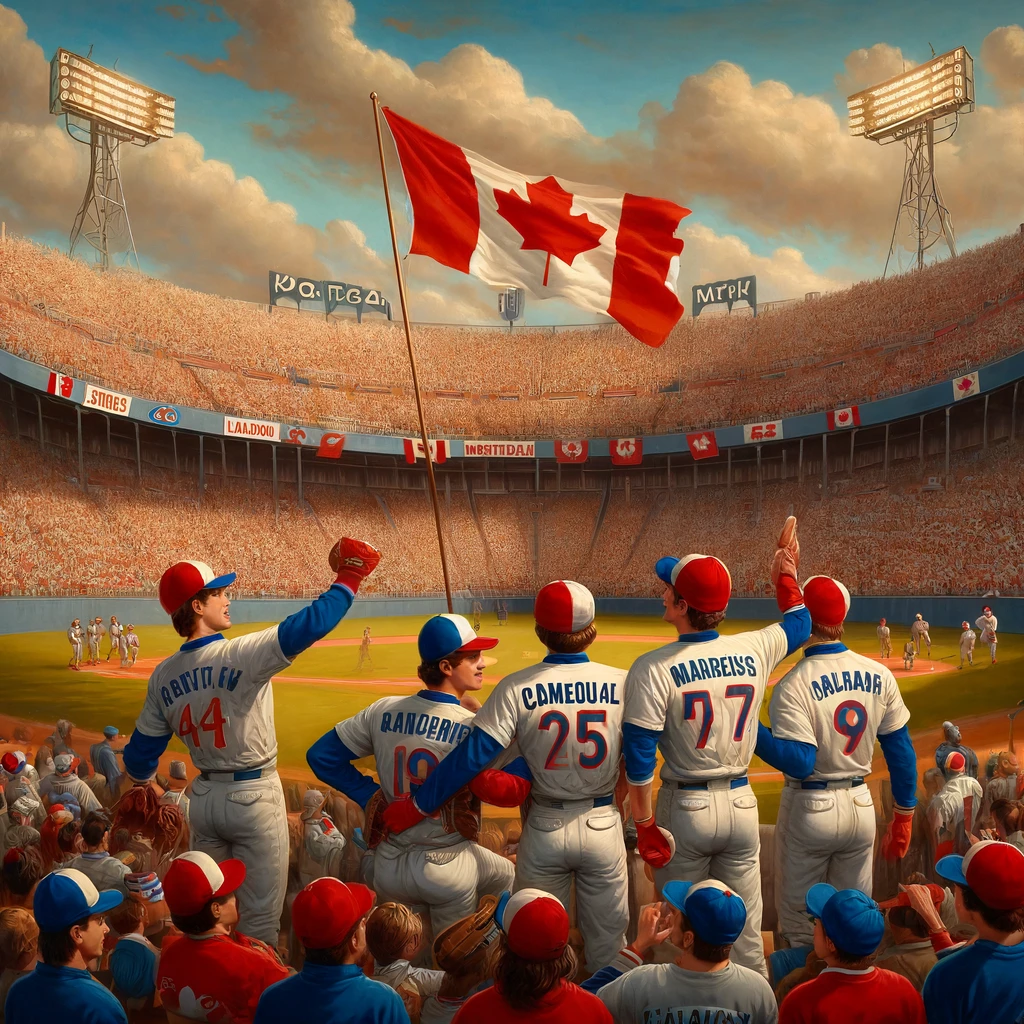
Baseball’s roots in Montreal date back to the late 19th century, but it was the arrival of the Montreal Expos in 1969 that marked the city’s entry into Major League Baseball (MLB), creating a lasting legacy in Canadian sports culture.
A Long-Awaited Dream
The journey of Montreal Expos began much before their debut. Montreal had a deep baseball history, with the Montreal Royals, a minor league team, making significant strides in the sport from as early as 1897. The Royals even had a historical moment when Jackie Robinson played for them in 1946, a year before he broke the color barrier in the MLB. By the late 1950s, the Royals’ glory days had faded, paving the way for the city’s quest for a major league team.
In the 1960s, spearheaded by Mayor Jean Drapeau, Montreal set its sights on acquiring a Major League team. Their persistent efforts, along with the support from influential figures like Walter O’Malley, owner of the Dodgers, culminated in the announcement of the Montreal Expos as an expansion team in the National League in 1968.
The Early Days at Jarry Park
The Expos played their first game in 1969 at Jarry Park, a modest venue with an initial capacity for 3,000 that was expanded to host major league games. This era was characterized by a unique and intimate baseball experience, complete with bilingual announcements and local flair. Players like Rusty Staub, nicknamed “Le Grand Orange” for his charisma and effort to learn French, became instant fan favorites.
Rise to Prominence in the Olympic Stadium
In 1977, the Expos moved to the Olympic Stadium, built for the 1976 Olympic Games. This transition marked a new era of success for the team. They gained national attention with star players like Gary Carter and Andre Dawson, who both later entered the National Baseball Hall of Fame. The Expos saw their first playoff berth in 1981, a year remembered for the heartbreaking loss in the National League Championship Series against the Los Angeles Dodgers on “Blue Monday.”
Challenges and the Move to Washington
Despite their on-field successes, the Expos faced numerous challenges, including declining attendance and financial issues. These culminated in the team’s relocation to Washington, D.C., in 2005, marking the end of the Expos era in Montreal. The move was controversial and left a profound impact on Canadian baseball fans.
Legacy of the Expos
The Montreal Expos left an indelible mark on Canadian sports culture. They were more than just a baseball team; they represented the aspirations of a city and the passion of its people. The Expos were pioneers, being the first MLB team outside the United States, and they laid the groundwork for the growth of baseball in Canada. The team’s legacy is carried forward by the players, the fans, and the indomitable spirit of the game in Montreal.
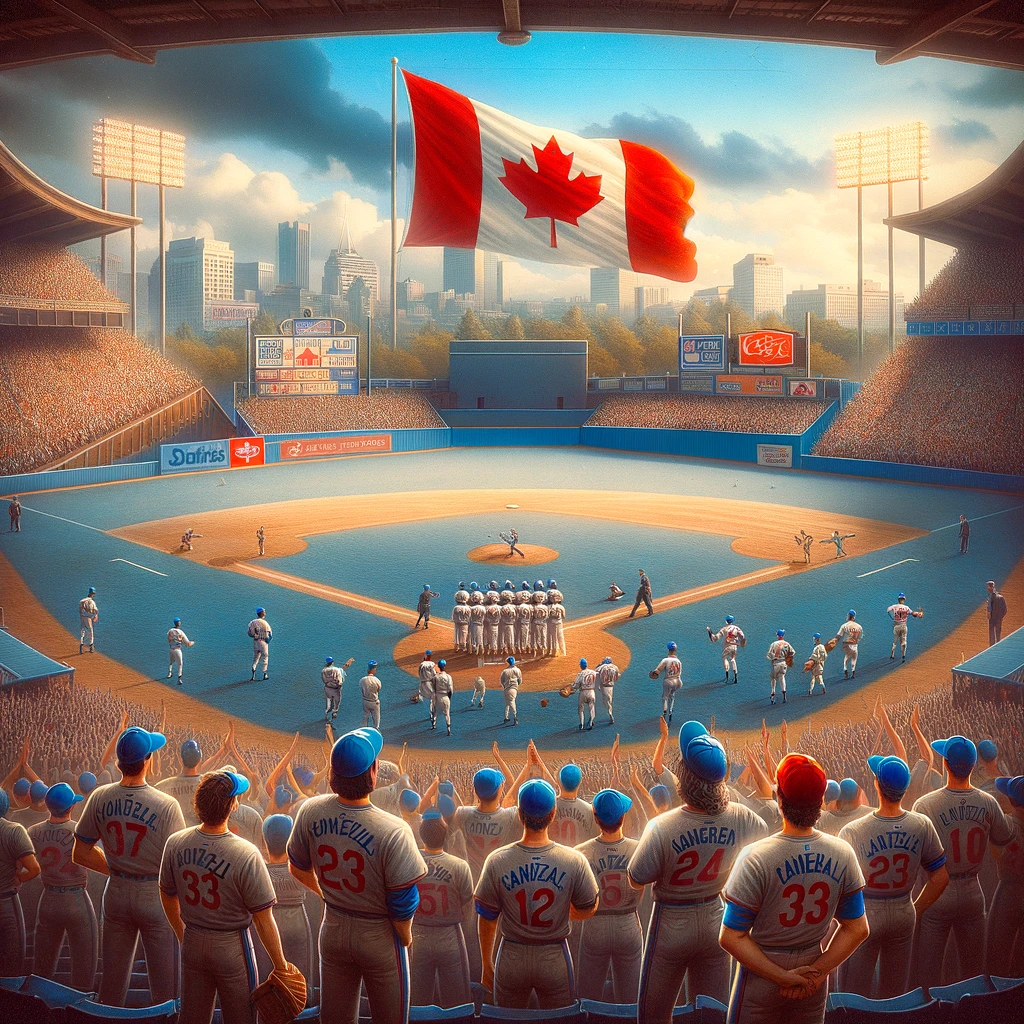
The Triumphs and Trials of the Expos
The Golden Era
The Montreal Expos’ journey in Major League Baseball is a tale of soaring highs and heart-wrenching lows. The late 1970s and early 1980s were golden years for the team. With players like Gary Carter and Andre Dawson, the Expos became a force to reckon with. Their move to the Olympic Stadium in 1977 marked the beginning of a promising era. They consistently drew large crowds, reflecting the city’s growing love for the team. The pinnacle of this period was the 1981 season, where they won the East Division title. However, the joy was short-lived as they lost in the National League Championship Series in a game that would be etched in the memories of their fans as “Blue Monday.”
Stars of the Team
Throughout their history, the Expos nurtured several baseball stars who left an indelible mark on the game. Gary Carter and Andre Dawson, both Hall of Famers, are perhaps the most celebrated. Carter, known for his powerful hitting and exceptional skills as a catcher, and Dawson, with his all-around abilities, were cornerstones of the team. Tim Raines, another standout player, was known for his incredible speed and base-stealing prowess. These players were not just athletes; they were heroes to the Montreal fans, embodying the spirit and passion of Canadian baseball).
Financial Struggles and Decline
Despite their on-field successes, the Expos faced continuous financial challenges. These issues were compounded by declining attendance and revenue problems in the 1990s. The team’s inability to retain its star players due to financial constraints further weakened its performance and fan base. These factors, coupled with failed attempts to secure a new ballpark, led to a gradual decline in the team’s fortunes.
The Heartbreaking Relocation
The final blow came in the early 2000s, when it became clear that the team could no longer sustain itself in Montreal. Despite passionate pleas from fans and efforts by local businesses and politicians, the decision was made to relocate the team to Washington, D.C., in 2005. The move was a significant loss for Canadian baseball fans, ending the era of the Montreal Expos and leaving a void in the city’s sporting landscape.
The Enduring Legacy of the Expos
Cultural Impact
The Montreal Expos were more than a baseball team; they were a cultural phenomenon in Montreal and across Canada. They played a crucial role in popularizing baseball in the country and inspired a generation of Canadian athletes. The team’s bilingual nature, reflecting the unique cultural dynamics of Montreal, made them a beloved entity in both the English and French-speaking communities. The Expos also served as a bridge between American and Canadian baseball, fostering a shared passion for the sport across borders.
Influences Beyond the Field
The impact of the Expos extended beyond the baseball diamond. They influenced the city’s identity and were a source of local pride. The team’s history is intertwined with significant events in Montreal, such as the construction of the Olympic Stadium and the city’s emergence as a major North American metropolis. The Expos also contributed to the development of baseball infrastructure and youth programs in Canada, laying the groundwork for the sport’s future growth in the country.
A Lasting Memory
Today, the legacy of the Montreal Expos lives on in the memories of their fans and in the ongoing popularity of baseball in Canada. The team’s former players continue to be celebrated, and their accomplishments are a source of inspiration for aspiring baseball players. The Expos’ story is a poignant reminder of the highs and lows of professional sports, and of the enduring bond between a city and its team.
In conclusion, the Montreal Expos, as Canada’s first foray into Major League Baseball, hold a special place in the annals of the sport’s history. Their story, marked by groundbreaking successes and eventual heartache, resonates with baseball fans worldwide. The Expos not only shaped the landscape of Canadian baseball but also left an indelible imprint on the cultural fabric of Montreal. As we reflect on their legacy, it becomes evident that the Expos were more than a team; they were a symbol of hope, resilience, and the unifying power of sports.