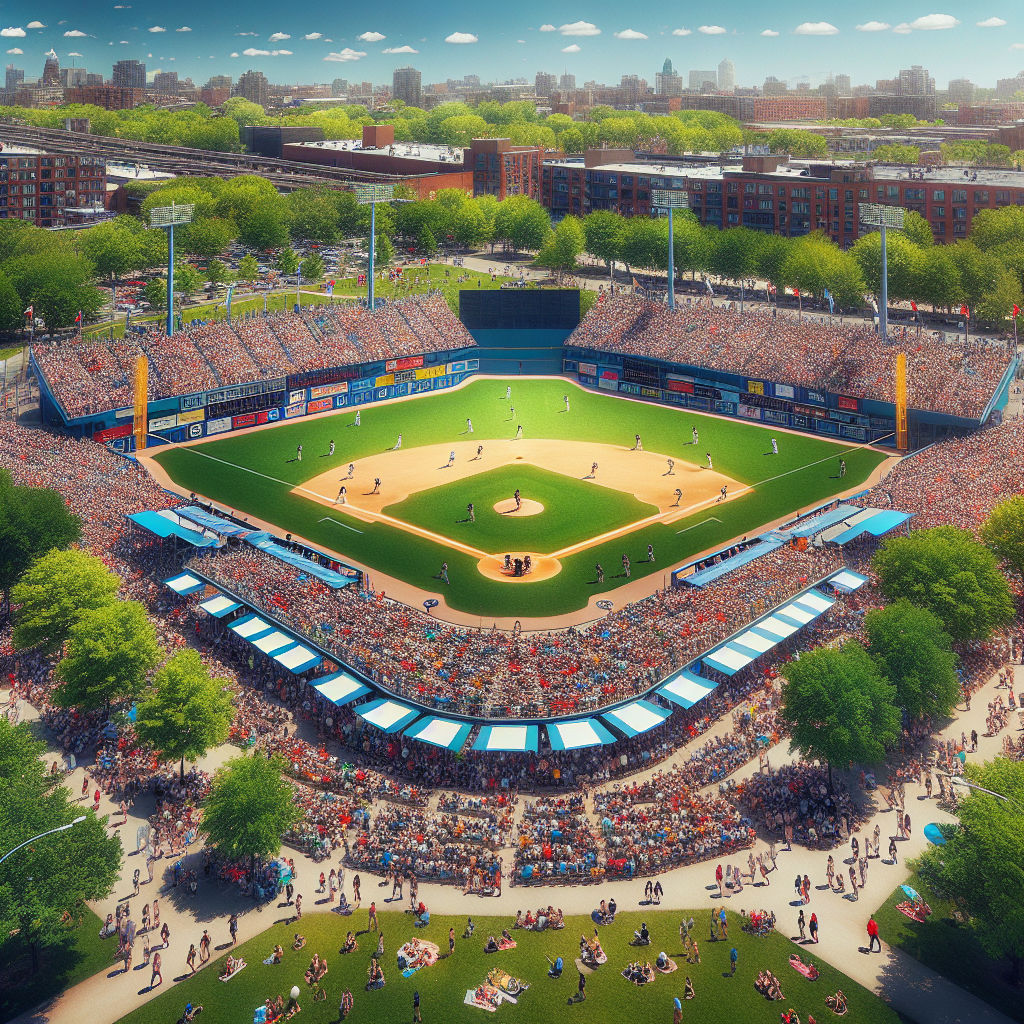
Baseball is more than just a sport; it’s a cultural phenomenon that has defined and united communities across North America for over a century. For Montreal, a city renowned for its diversity and love of sports, the introduction to Major League Baseball (MLB) was a monumental event that imprinted memories of excitement, growth, and pride on every resident. Jarry Park, known in its native French as Parc Jarry, played an integral role in bringing MLB to Montreal. This modest ballpark became a historical landmark, symbolizing the city’s first encounter with America’s favorite pastime. This article delves into the fascinating narrative of Jarry Park, encapsulating its origins, challenges, iconic moments, and lasting impact on Montreal’s sporting culture.
Sitting in the hip and vibrant borough of Villeray—St-Michel—Parc-Extension, Jarry Park was originally a typical urban oasis with areas for picnics and small-scale sports. The transformation of this tranquil setting into a bustling baseball hub wasn’t just an architectural overhaul; it signified Montreal’s burgeoning ambition to join the prestigious ranks of Major League cities. Yet, why dedicate a ballpark in a nondescript park amid the city’s bustling metropolis? The tale of Jarry Park is a fascinating blend of socio-political maneuvering, economic considerations, and the unyielding spirit of a city ready to embrace America’s pastime.
The Origins and Construction of Jarry Park
As the 1960s unfolded, Montreal stood at a crossroads of cultural resurgence and economic development. The city’s mayor, Jean Drapeau, a fervent advocate for the cultural renaissance, sought to elevate Montreal’s global standing. The Expo 67 World Fair had already put Montreal on the international map, but to cement its stature, he envisioned bringing a Major League Baseball team to the city.
The Montreal Royals, a minor league team affiliated with the Brooklyn Dodgers, had previously kindled the city’s interest in baseball. However, a more sustainable, long-term solution was required. When deliberations and negotiations finally succeeded, granting Montreal an MLB franchise in 1969, the urgency of constructing a suitable stadium was palpable. But instead of developing a colossal, state-of-the-art stadium right away, budgetary constraints necessitated a more pragmatic approach: adapting an existing structure.
This led to the transformation of Jarry Park into a temporary ballpark fit for professional baseball. The renovations were swift and straightforward. With a meager budget compared to modern standards, seating arrangements, locker rooms, and press facilities were hastily added. The ballpark, with its endearing yet simplistic design, featured a capacity of around 28,000 spectators. This modest configuration served as the humble beginnings for what would eventually become a passionate baseball legacy in Montreal.
The Inaugural Season – 1969
April 14, 1969, remains an unforgettable date in the annals of Montreal’s sporting history. The Expos played their first home game against the St. Louis Cardinals in Jarry Park. The overwhelming joy and fervor were palpable, as thousands of baseball enthusiasts thronged to the ballpark, eager to witness MLB history in making. The game concluded with a thrilling 8-7 victory for the Expos, setting the tone for the season.
The inaugural season, however, was not without challenges. The nascent team grappled with the teething problems typical of expansion franchises, enduring an unspectacular performance that year. Despite these obstacles, Jarry Park stood as a beacon of optimism and resilience. The crowds, driven by curious spectators and loyal fans, steadily grew, filling the stands and fostering a burgeoning baseball community in Montreal.
A notable highlight of the season was the impressive attendance numbers. Fans flocked to Jarry Park, undeterred by the lack of grandeur or the team’s initial struggles. This collective enthusiasm not only validated the decision to bring MLB to Montreal but also underscored the city’s potential as a dedicated baseball market.

Iconic Moments and Notable Players
Jarry Park’s relatively short five-year stint as a Major League venue was marked by several unforgettable moments and legendary players. One of the most iconic players to grace Jarry Park was Rusty Staub, endearingly nicknamed “Le Grand Orange” by the franchise’s French-speaking fanbase due to his red hair. Staub quickly became a fan favorite, showcasing his incredible batting prowess and endearing personality.
Another memorable moment came on June 3, 1970, when Dock Ellis of the Pittsburgh Pirates pitched a no-hitter against the Expos. Even though it was a crushing defeat for Montreal, this event remains etched in the ballpark’s history for its sheer rarity and dramatic flair.
Then there was the 1973 season, which saw the Expos finishing with an 82-79 record, their first winning season. It breathed new life into the franchise, rejuvenating fans and creating an optimistic atmosphere around the ballpark. This period also saw the emergence of young talents like Steve Renko and Greg Blosser, who contributed to the team’s improving fortunes.
In addition to individual performances, Jarry Park hosted several memorable games, including thrilling extra-inning clashes and dramatic walk-offs. These moments amplified the emotional connection between the city and its baseball team, transforming casual observers into lifelong fans.
Challenges and Adaptations
While Jarry Park will always be cherished for its role in Montreal’s baseball history, its limitations were apparent. The ballpark faced several challenges, primarily due to its hasty construction and limited resources. Issues like inadequate infrastructure, limited seating capacity, and lack of modern amenities became increasingly evident as the seasons progressed.
The cold Montreal weather posed another significant challenge. Early and late in the season, players and fans often braved frigid conditions, which impacted both the playing experience and attendance figures. The lack of a retractable roof or heating facilities further compounded these issues.
To alleviate some of these problems, the team management and city officials made several adaptations. Temporary bleachers were added to increase capacity, and periodic upgrades were made to improve the player and spectator experience. Despite these efforts, it became evident that Jarry Park was a temporary solution, necessitating the development of a more suitable, long-term venue for professional baseball.
This culminated in the planning and construction of Olympic Stadium, which was set to become the new home of the Montreal Expos. The transition from Jarry Park to Olympic Stadium marked the end of an era, but it was a necessary step towards ensuring the franchise’s sustainability and success in the Major Leagues.
The Legacy of Jarry Park
Jarry Park’s legacy extends beyond its years as a Major League ballpark. Its role in fostering a baseball culture in Montreal cannot be overstated. The park served as a bridge between the city’s past and future, connecting fans to the sport and creating a shared sense of identity and pride.
The experience of attending a game at Jarry Park was unique, characterized by its intimate setting and the close-knit community of fans that it attracted. This sense of camaraderie and belonging left a lasting impression on those who frequented the ballpark, creating fond memories and enduring connections.
Moreover, Jarry Park’s influence extended to the next generation of baseball players and fans. Local youth who attended games at the park were inspired to pursue the sport, contributing to the growth of baseball programs and leagues throughout the city. The ballpark became a symbol of possibility and aspiration, encouraging young athletes to dream big and strive for excellence.
Today, Jarry Park has been repurposed as a public recreational space, preserving its historical significance while serving the community in new ways. The park’s baseball field, now known as Gary Carter Field, continues to host local games and events, ensuring that the spirit of baseball remains alive and well in Montreal.
Conclusion
Jarry Park’s journey from a modest urban park to the birthplace of Major League Baseball in Montreal is a testament to the city’s passion, resilience, and unwavering support for the sport. The ballpark, despite its limitations, played a pivotal role in introducing MLB to Montreal, creating a legacy that continues to be celebrated and cherished by fans.
The story of Jarry Park is not just about baseball; it’s about the power of community, the thrill of new beginnings, and the enduring impact of shared experiences. As we look back on those formative years, we are reminded of the excitement, challenges, and triumphs that defined an era and set the stage for future generations of baseball enthusiasts.
While Jarry Park may no longer host Major League games, its legacy lives on in the hearts of Montrealers and baseball fans around the world. Its contribution to the city’s sporting history is immeasurable, and its spirit continues to inspire and connect us to the magic of America’s favorite pastime.