
Jack Murphy Stadium, affectionately known as “The Murph,” was more than just a sports venue; it was an iconic part of San Diego’s rich cultural tapestry. The hallowed grounds were inhabited not only by Major League Baseball’s San Diego Padres but also served as a versatile multi-sport venue. With its deep-rooted history intertwining with the spirit of San Diego, this stadium captured the hearts of fans and athletes alike.
Opened in 1967 as San Diego Stadium, it was later renamed in honor of Jack Murphy, a beloved local sportswriter, in 1981. The stadium was a pivotal element in propelling San Diego into the national sports spotlight. During its tenure, the multipurpose facility hosted not only baseball games but also professional football, major concerts, and even soccer matches.
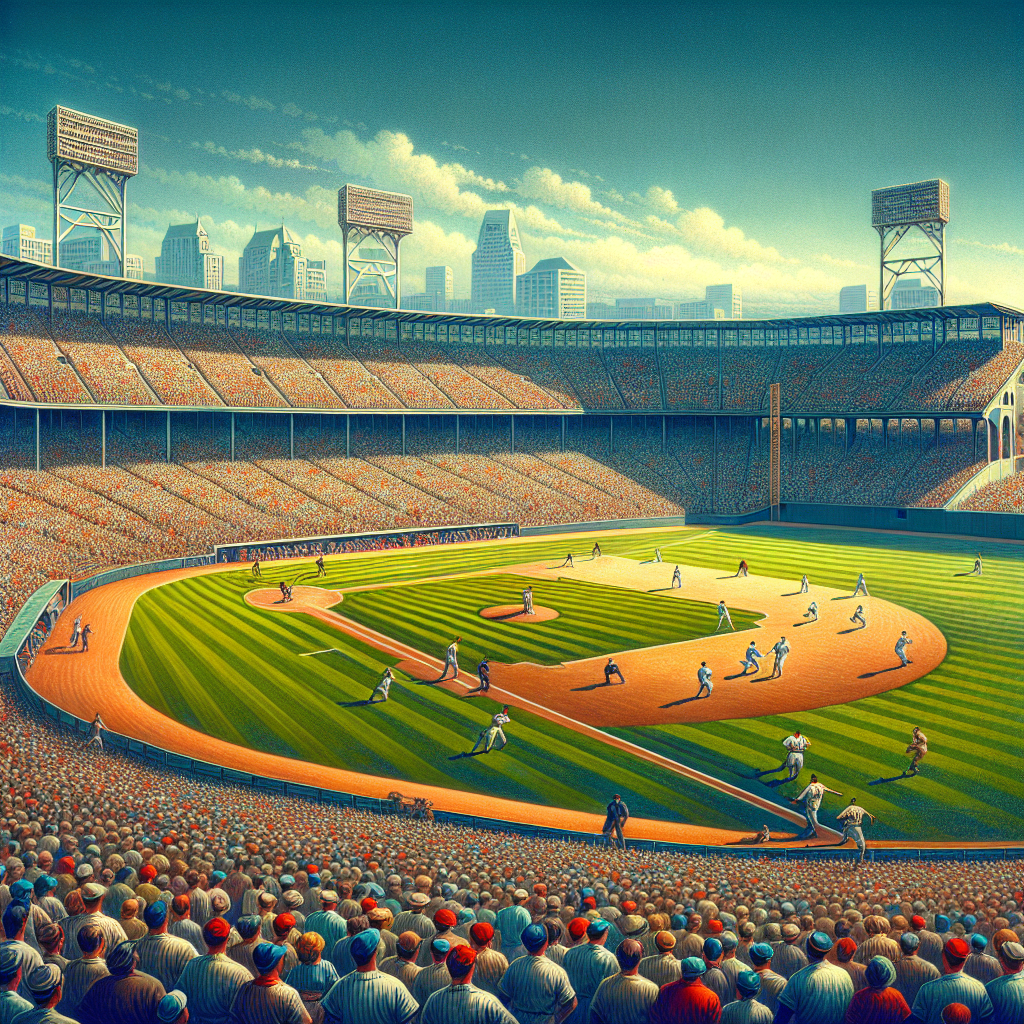
The architectural design of Jack Murphy Stadium broke the mold of single-use facilities that were prevalent at the time. It featured a circular, multi-purpose structure designed to host baseball and football games with minimal configuration changes. This innovative design allowed the stadium to cater to multiple events, drawing diverse crowds, and becoming a pillar of the community’s sporting culture.
As with any historic venue, Jack Murphy Stadium was the site of many memorable moments and milestones. From Tony Gwynn’s legendary hits to World Series games, and AFL Championship games, the stadium bore witness to countless significant events that left an indelible mark on the sports world.
Over the years, as the city’s sporting needs grew and evolved, so did The Murph. The structure underwent several renovations and modifications to keep up with the times, adapting to new sports and entertainment requirements. Despite eventually being replaced by more modern facilities, its legacy continues to be cherished by those who experienced its formidable presence.
Early Years and Construction:
The story of Jack Murphy Stadium begins in the early 1960s when the city of San Diego sought to join the ranks of cities with major league sports teams. The vision was bold – to create a multi-use facility that could host a variety of sports, thereby ensuring its full utilization throughout the year. This ambition led to the construction of what would become Jack Murphy Stadium.
Groundbreaking for the stadium took place in 1965, and it officially opened its doors on August 20, 1967, with an AFL game between the San Diego Chargers and the Detroit Lions. At the time of its completion, the stadium cost approximately $27 million, a substantial investment that represented the city’s commitment to becoming a major player on the national sports scene.
One of the most notable aspects of the stadium’s construction was its circular form, a design that allowed for easy transition between different sporting events. This architecture, championed by architects Gary Allen and Joan Buch, was innovative for its time, bringing a sense of versatility that many other stadiums lacked.
The dual-purpose design featured a movable lower stand, which could be transformed from a baseball diamond into a football gridiron configuration and back again. The field level was situated 42 feet below street level, a feature intended to reduce the noise impact on the surrounding community, further ingraining the stadium into the fabric of the city.
As the home venue of the fledgling San Diego Padres, who joined Major League Baseball in 1969, Jack Murphy Stadium provided a solid foundation for the team. It also continued to serve the Chargers until their eventual relocation. The stadium’s utility was unmatched, making it a cornerstone for sports in San Diego for decades to come.
Legendary Players and Moments:
Jack Murphy Stadium wasn’t just a building; it was the stage for numerous legendary athletes and unforgettable moments that have since entered the annals of sports history. When you think of the stadium, names like Tony Gwynn, Dan Fouts, and LaDainian Tomlinson immediately come to mind.
Tony Gwynn, affectionately known as “Mr. Padre,” is arguably the most iconic figure associated with Jack Murphy Stadium. Over his two-decade career with the Padres, Gwynn amassed an impressive 3,141 hits, many of which were achieved on the field of The Murph. His dedication to the game and the city earned him a special place in the hearts of fans, making his number 19 jersey a frequent sight in the stands.
Another momentous event came during the 1984 National League Championship Series (NLCS) when the Padres clinched their first-ever pennant. It was a time of intense emotion and excitement, proving that San Diego was indeed a city with a passionate baseball following. The roars of the fans echoed throughout the stadium, encapsulating the joy and pride felt by the entire community.
Beyond baseball, the stadium also witnessed numerous memorable moments in football. It served as the battleground for several AFL and later NFL games featuring the San Diego Chargers. Legends like Dan Fouts, Kellen Winslow, and LaDainian Tomlinson made significant impacts on the field, adding layers of rich history to an already storied venue.
One of the most dramatic football moments occurred during the 1981 AFC Divisional Playoff Game, known as “The Epic in Miami.” While this game took place in Miami, the victory set the Chargers on a historic run that gripped San Diego fans, many of whom celebrated back home at The Murph. The stadium was also a venue for Super Bowl XXII in 1988 and Super Bowl XXXII in 1998, cementing its place on the national stage.
These legendary players and moments not only highlighted the stadium’s significance but also knitted it firmly into the cultural and emotional fabric of San Diego. Jack Murphy Stadium became a repository of shared memories and stories that continue to be recounted by fans and historians alike.
Concerts and Cultural Events:
In addition to its sports legacy, Jack Murphy Stadium was also a cultural hub, hosting a variety of concerts and events that brought entertainment to the San Diego community. The stadium’s versatility extended beyond sports, making it a significant venue for a multitude of performances and gatherings.
One of the most notable concerts was The Rolling Stones’ performance during their “Steel Wheels” tour in 1989. This event attracted thousands of fans to The Murph, transforming the usually sports-centric venue into a massive concert hall. The concert was a resounding success, showcasing the stadium’s ability to handle large-scale events without a hitch.
Another memorable concert was that of U2 during their “Zoo TV” tour in 1992. The Irish rock band’s electrifying performance captivated a large audience, further establishing Jack Murphy Stadium as a prime location for major musical acts. The acoustics and the expansive space of the stadium allowed fans to enjoy every note and beat, creating unforgettable musical experiences.
Beyond music, the stadium also hosted several cultural and community events. It was a venue for large religious gatherings, local high school graduations, and even political rallies. All these events showcased the versatility and community spirit that Jack Murphy Stadium encapsulated.
The infamous 1978 Solar Eclipse, visible in San Diego, also saw people gathering at The Murph to witness this rare celestial event. The stadium provided a perfect setting for the community to come together and share in the awe-inspiring experience, further cementing its status as a venue for significant life events.
Through its diverse range of events, Jack Murphy Stadium became more than just a sports stadium; it turned into a communal gathering place where memories were made and shared. Whether it was the thrill of a live concert, the solemnity of a graduation ceremony, or the collective wonder of an astronomical event, the stadium played a pivotal role in shaping the cultural landscape of San Diego.
Stadium Renovations and Upgrades:
As the years went by, Jack Murphy Stadium underwent several renovations and upgrades to keep up with the growing demands and expectations of modern sports fans and event-goers. These enhancements aimed to improve the overall experience for everyone, ensuring that the stadium remained relevant and functional.
The first significant renovation took place in the late 1980s, addressing the need for expanded seating and better facilities. This renovation included the addition of several thousand seats, luxury boxes, and modern concession stands. These changes helped to accommodate more fans and provided them with a more comfortable and enjoyable experience.
Another substantial upgrade occurred in the mid-1990s, when the stadium’s name was changed to Qualcomm Stadium following a naming rights deal. This renovation focused on modernizing the infrastructure, including the installation of a state-of-the-art scoreboard, improved seating arrangements, and upgraded locker rooms for the athletes. These improvements not only enhanced the fan experience but also ensured that the stadium remained competitive with other modern venues.
The playing surface also saw several changes over the years. Originally, the stadium featured natural grass, which was later replaced with synthetic turf to accommodate the heavy usage and varying weather conditions. However, due to player feedback and the desire for a more traditional playing surface, the natural grass was reinstated in the late 1990s, providing a better experience for athletes.
Lighting and sound systems were also upgraded multiple times to enhance the overall atmosphere during games and events. These improvements ensured that all attendees, regardless of where they sat, could enjoy a clear and immersive experience.
Despite these various renovations, the design and charm of Jack Murphy Stadium remained largely untouched. The stadium managed to maintain its unique character and historical significance while adapting to the changing needs of the times. These upgrades extended the life of The Murph, ensuring it continued to serve as a cherished venue for the San Diego community for many more years.
The End of an Era:
As the 21st century progressed, the landscape of professional sports facilities began to shift. Newer, more modern stadiums with advanced amenities and technologies became the norm. Despite the numerous renovations and upgrades that had kept Jack Murphy Stadium functional over the decades, it eventually became clear that a newer facility would be necessary to meet the evolving expectations of fans and teams.
The construction of Petco Park, which opened in 2004, marked the beginning of the end for Jack Murphy Stadium as the primary home of the San Diego Padres. Petco Park, with its downtown location and state-of-the-art features, quickly became a beloved venue among fans. The Padres’ move to Petco Park signaled the end of an era for The Murph but also marked the continuation of San Diego’s rich baseball tradition.
Meanwhile, the San Diego Chargers continued to use the stadium, now known as Qualcomm Stadium, for their NFL games. However, the conversation around building a new, modern stadium for the Chargers persisted. In 2017, the Chargers announced their relocation to Los Angeles, leaving Qualcomm Stadium without a primary tenant.
This departure set the stage for the eventual demolition of the historic stadium. By 2019, plans were underway to replace the aging structure with a new development that would include a new stadium for San Diego State University’s football team, along with retail, office, and residential spaces. The demolition of Jack Murphy Stadium began in December 2020, bringing an end to its storied history.
While the physical structure of Jack Murphy Stadium may no longer exist, its legacy lives on in the memories of those who experienced its magic. From the thrilling baseball and football games to the unforgettable concerts and community events, The Murph played an integral role in the cultural and sports history of San Diego.
For many, the stadium wasn’t just a place to watch a game; it was a place where lifelong memories were made, friendships were forged, and a sense of community was nurtured. Though the stadium is gone, its spirit continues to resonate, reminding us of the golden days of San Diego sports and the cherished moments that Jack Murphy Stadium gave to its city.