
The Evolution of Minor League and College Baseball
Baseball, America’s beloved pastime, has a storied history that is as rich and intricate as the game itself. Minor league baseball and college baseball have played critical roles in this narrative, serving as vital training grounds for athletes preparing for professional careers. Understanding how these institutions have evolved to nurture and develop talent provides context to the current state of baseball training and player progression.
Foundational Years: Establishing a Feeder System
The genesis of minor league baseball lies in the late 19th century, an era where professional baseball was beginning to cement its place in American culture. Initially, minor leagues formed somewhat haphazardly, with teams often coming into and fading out of existence as financial successes and failures ebbed and flowed. However, by the early 20th century, the structure began to solidify with the creation of the National Association of Professional Baseball Leagues, now known as Minor League Baseball (MiLB). Parallel to the professionalization and formalization of minor leagues, college baseball began to take shape. Most notably, in 1859, Amherst College and Williams College played one of the first recorded college baseball games, signaling the start of what would become a pivotal venue for aspiring professionals. Over time, colleges became structured platforms for developing young talent, offering a semblance of the rigorous training and competitive play that athletes would face in professional leagues.
The Role of the NCAA
The National Collegiate Athletic Association (NCAA) has been instrumental in elevating the standards of college baseball, ensuring that programs across the nation offer not only competitive opportunities but also educational ones. Established in 1906, the NCAA has grown to include three divisions, each with its own set of rules and competition levels catering to the diverse landscape of colleges and universities. The NCAA’s regulations and oversight have ensured that college baseball programs serve as more than just athletic endeavors; they are, importantly, educational experiences where athletes are developed holistically. This dual focus on education and sports excellence has been fundamental in preparing student-athletes for life, whether or not they continue in professional baseball.
Modern Training Techniques and Technologies
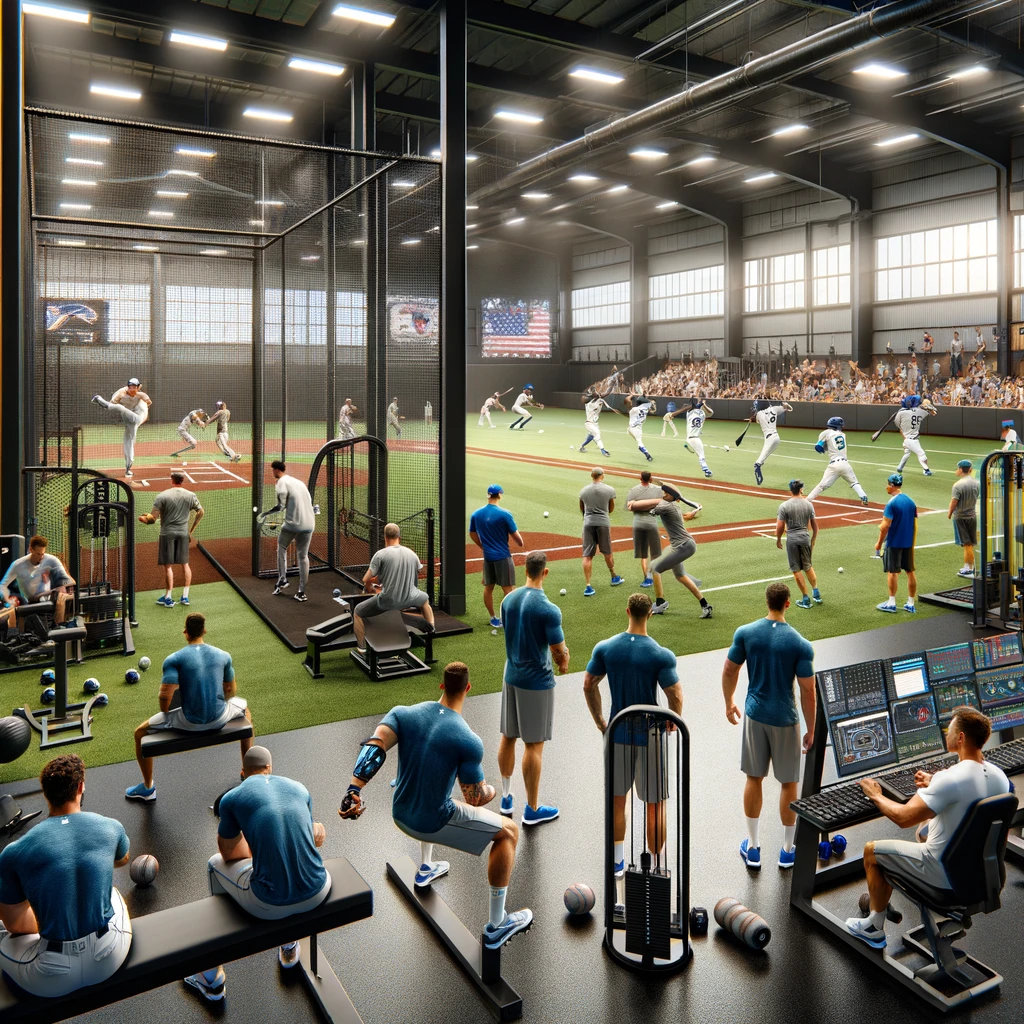
As minor league and college baseball have advanced, so too have the methods used to train athletes. Today’s players benefit from a convergence of traditional training methods infused with modern technology. Video analysis, swing tracking devices, and advanced statistical metrics are now standard tools used to refine techniques and strategies. This blend of old and new school approaches is geared toward optimizing player performance and health, preparing them rigorously for the demands of professional play. Furthermore, strength and conditioning programs have become increasingly sophisticated, tailored to the individual needs of athletes to enhance performance while minimizing injuries. Nutrition, mental health, and overall well-being are also integral components of the training regimen, reflecting a comprehensive approach to athlete development.
Connecting Minor and Major Leagues: The Draft and Beyond
For many college players, the bridge to the professional leagues is the Major League Baseball (MLB) Draft. Here, the performance and potential demonstrated in college and minor leagues are scrutinized and rewarded. However, it’s not just talent that scouts are evaluating; it’s also a player’s adaptability to the increasingly analytical approach of modern baseball, including their ability to assimilate complex data into their playing style.
As players move through the ranks from college to minor leagues, and hopefully onto major leagues, the training they receive is crucial. Not only does it need to be rigorous, but it must also be responsive to the evolving landscape of baseball. This preparation goes beyond physical and technical training, extending into mental and psychological resilience, all of which are tested when players finally hit the big leagues.
While the journey from amateur to professional baseball is unquestionably challenging, it is the foundational years in the minor and college leagues that shape and define the careers of baseball’s brightest stars. As we delve deeper into the mechanisms of training and development in these critical stages, it’s clear that the path to professional baseball is as demanding as it is rewarding.
The Impact of Coaching Philosophies on Player Development
Within the evolving world of minor league and college baseball, one aspect that has become increasingly prominent is the role of coaching philosophies in player preparation for professional careers. As the landscapes of these leagues have matured, so too have the strategies implemented by the coaches who are pivotal in player development.
Emphasis on Holistic Player Development
Modern coaches in both minor league and college baseball are shifting focus towards a more holistic approach to developing players. This coaching philosophy does not solely prioritize athletic skills but also emphasizes character development, mental toughness, and life skills. This approach prepares athletes for the diverse challenges of professional baseball, where mental resilience is as crucial as physical prowess. Understanding that players are multifaceted individuals with varying needs, coaches tailor their mentorship and guidance to nurture both the person and the athlete. This strategy aims to produce well-rounded individuals who are capable of handling the pressures of professional sports and life beyond the diamond.
Integration of Technology in Coaching
Today’s coaches are also expected to be adept in new technologies that offer detailed analytics on player performance. Employing technologies such as high-speed cameras and biometric sensors, coaches can provide immediate, precise feedback to players on their playing techniques. This data-driven approach helps in making minute adjustments that can significantly improve a player’s game. It also allows coaches to implement more personalized training programs that address specific weaknesses, ensuring that players develop at an optimal rate and reduce their risks of injuries.
Aligning Training with Professional Expectations
An important focus for coaches in these developmental leagues is aligning their training programs with the expectations and practices of Major League Baseball (MLB). This alignment means preparing players not only physically but also ensuring they understand the tactical aspects of the game at a professional level. Coaches often collaborate with scouts and former professional players to design training regimes that mirror those found in the MLB. This preparatory step is crucial as it acclimates players to the routines and demands of professional play, making the transition smoother and less intimidating.
Mentoring for Career Longevity
Beyond the immediate goal of preparing for the MLB draft, coaches also focus on mentoring players for long-term career success. This involves educating them about the business side of baseball, including contract negotiations, brand management, and life after active sports. By instilling a sense of professionalism and business acumen, coaches ensure that players are well-prepared for all aspects of their careers, not just those spent on the field. This comprehensive educational approach helps in creating a new generation of athletes who are savvy, prepared, and aware of their professional environment.
As we see, coaching philosophies in minor league and college baseball are instrumental in shaping players’ careers. These philosophies adapt with time, always aiming to meet the evolving standards of professional baseball. Through a combination of traditional and innovative methods, coaches are setting a strong foundation for the athletes’ future in and out of the sport, contributing significantly to their overall career trajectory.
Fostering a Culture of Continuous Learning
A key component of contemporary coaching philosophies in minor league and college baseball is fostering a culture of continuous learning and adaptability among players. Coaches recognize that the landscape of professional baseball is continually evolving, with new strategies and technologies constantly emerging. To keep players competitive and versatile, coaches emphasize the importance of being lifelong learners of the game. In practice, this means encouraging players to consistently evaluate and refine their strategies, to stay informed about the latest in sports science and analytics, and to cultivate a curiosity that extends beyond the baseball field.
Workshops, guest lectures from sports psychologists, and training sessions with seasoned professionals are common, incorporating diverse perspectives and expertise into the player development process. This learning-centric environment not only enhances a player’s ability to adapt to changes within the sport but also fosters a proactive mindset. Players nurtured in such environments tend to anticipate shifts in the game and adjust their play style and preparation accordingly.
This adaptability can be crucial during critical phases of their careers, such as during draft evaluations or when moving between teams and leagues. By instilling a commitment to constant growth and education, coaches equip players with the tools necessary to thrive amidst the competitive and ever-changing world of professional baseball.
The Power of Continual Growth
In the dynamic world of baseball, where the parameters of performance and success are consistently shifting, the commitment to a continuous learning environment represents more than just a training strategy—it is a foundational philosophy that drives the evolution of the sport. Coaches who champion this philosophy prepare their players not just for the immediate challenges of the game, but for a career marked by endurance, adaptability, and growth. Such an environment equips players with the confidence to face unpredictability, the curiosity to seek out new knowledge, and the flexibility to adapt their skills to meet the demands of competitive play.
It is this culture of continuous learning that instills in players the resilience needed to weather the ups and downs of a professional athletic career, and to seize opportunities for advancement. Ultimately, fostering a culture of continuous learning is about more than producing skilled baseball players; it is about cultivating thoughtful, proactive individuals who are prepared to lead on and off the field.
As the sport continues to evolve, so too will the approaches to coaching and player development. But the core tenet of lifelong learning will remain a constant, guiding players toward not only immediate success but sustained achievement in all aspects of their lives.
References
- Baker, J., Cobley, S., & FraserThomas, J. (2009). What do we know about early sport specialization? Not much! High Ability Studies, 20(1), 7789.
- Carlson, R. (1988). The socialization of elite tennis players in Sweden: An analysis of the players’ backgrounds and development. Sociology of Sport Journal, 5(3), 241256.
- Fletcher, D., & Sarkar, M. (2012). A grounded theory of psychological resilience in Olympic champions. Psychology of Sport and Exercise, 13(5), 669678.
- Green, M. C., & Chalip, L. (1998). Sport volunteers: Research agenda and application. Sport Marketing Quarterly, 7(2), 1423.
- Henriksen, K., Stambulova, N., & Roessler, K. K. (2010). Holistic approach to athletic talent development environments: A successful sailing milieu. Psychology of Sport and Exercise, 11(3), 212222.
- Jones, C., & Turner, P. (2006). Teaching coaches to coach holistically: Can problembased learning (PBL) help? Physical Education and Sport Pedagogy, 11(2), 181202.
- Martindale, R. J. J., Collins, D., & Abraham, A. (2007). Effective talent development: The elite coach perspective in UK sport. Journal of Applied Sport Psychology, 19(2), 187206.
- Smith, J. J., & Smoll, F. L. (2007). Socialcognitive approach to coaching behaviors. Journal of Applied Sport Psychology, 19(4), 363377.
- Weinberg, R., & Gould, D. (2011). Foundations of Sport and Exercise Psychology (5th ed.). Champaign, IL: Human Kinetics.
- Wylleman, P., & Lavallee, D. (2004). A developmental perspective on transitions faced by athletes. In M. Weiss (Ed.), Developmental sport and exercise psychology: A lifespan perspective (pp. 507527). Morgantown, WV: Fitness Information Technology.
Frequently Asked Questions
1. What is elite training for college baseball players aiming for professional careers?
Elite training for college baseball players aspiring to go professional is a comprehensive regimen designed to enhance their athletic capabilities, skills, and understanding of the game. This involves personalized training plans that incorporate advanced strength and conditioning programs, sport-specific drills, nutrition guidelines, and mental conditioning. The primary goal of these programs is to bridge the gap between college-level play and professional standards. Elite training also places significant emphasis on video analysis and game-situation simulations, allowing athletes to fine-tune their techniques and decision-making processes. Moreover, players are often provided personalized feedback and are encouraged to develop a strong work ethic and psychological resilience, both crucial traits in the professional realm.
2. How have college baseball programs evolved to support athletes heading to the pros?
College baseball programs have significantly evolved in recent years, adapting to the increasing demands of preparing athletes for professional careers. Institutions now offer state-of-the-art facilities, equipped with cutting-edge technology for performance analysis and injury prevention. Programs focus on a holistic development approach, where coaches, trainers, and sports scientists work collaboratively to optimize each player’s physical, technical, and mental capabilities. Additionally, there’s a greater emphasis on academic support and life skills training, preparing athletes for challenges both within and outside of sports. Financial investment in travel and competition also allows players increased exposure to scouts and higher-level competitors, a critical factor in elevating their game and recognizing potential areas for improvement.
3. Why is minor league baseball important for transitioning college athletes to the professional level?
Minor league baseball serves as a crucial intermediary step for college athletes transitioning to professional baseball. It provides a platform for these players to adapt to the extensive schedules, heightened competition, and rigorous commitment demanded by the pro levels. Through minor league play, athletes learn to refine their skills in a pro-like setting, facing opponents with varying skillsets and strategies. This level of play also offers them invaluable experiences that include media interactions, fan engagements, and the business aspects of sports, which are integral to a successful professional career. Minor leagues also offer athletes the opportunity to receive immediate feedback on their performance, fostering a rapid learning environment essential to developing consistency and high-level play required in the major leagues.
4. How do nutrition and mental conditioning factor into elite training for aspiring pro athletes?
In elite training programs, nutrition and mental conditioning are recognized as foundational elements for the growth and success of aspiring pro athletes. Proper nutrition is tailored to meet individual energy needs while promoting muscle growth, recovery, and overall health. Programs often include consultations with sports dietitians who guide athletes in creating meal plans that maximize their physical performance and mental alertness. Mental conditioning is equally prioritized, with sports psychologists or mental coaches working with players to develop techniques for coping with pressure, maintaining focus, and setting constructive goals. These components ensure that athletes are not only physically capable but also mentally resilient, enabling them to handle the challenges of professional sports effectively.
5. What role do technological advancements play in elite training for baseball?
Technological advancements have revolutionized elite training for baseball players, providing sophisticated tools for precision and efficiency in player development. Video analysis software and motion capture technology help coaches dissect every aspect of an athlete’s performance, from batting and pitching mechanics to defensive techniques. These tools create measurable metrics that can be tracked over time, offering invaluable insights to customize training regimens. Wearable technology, such as heart rate monitors and GPS trackers, assess fitness levels and monitor physiological parameters, aiding in workload management and injury prevention. Additionally, virtual reality is emerging as a groundbreaking tool, allowing players to immerse themselves in simulated game environments to practice situational awareness and decision-making without the physical strain. By integrating these technologies, training becomes data-driven, optimizing each athlete’s potential for growth and success at the professional level.