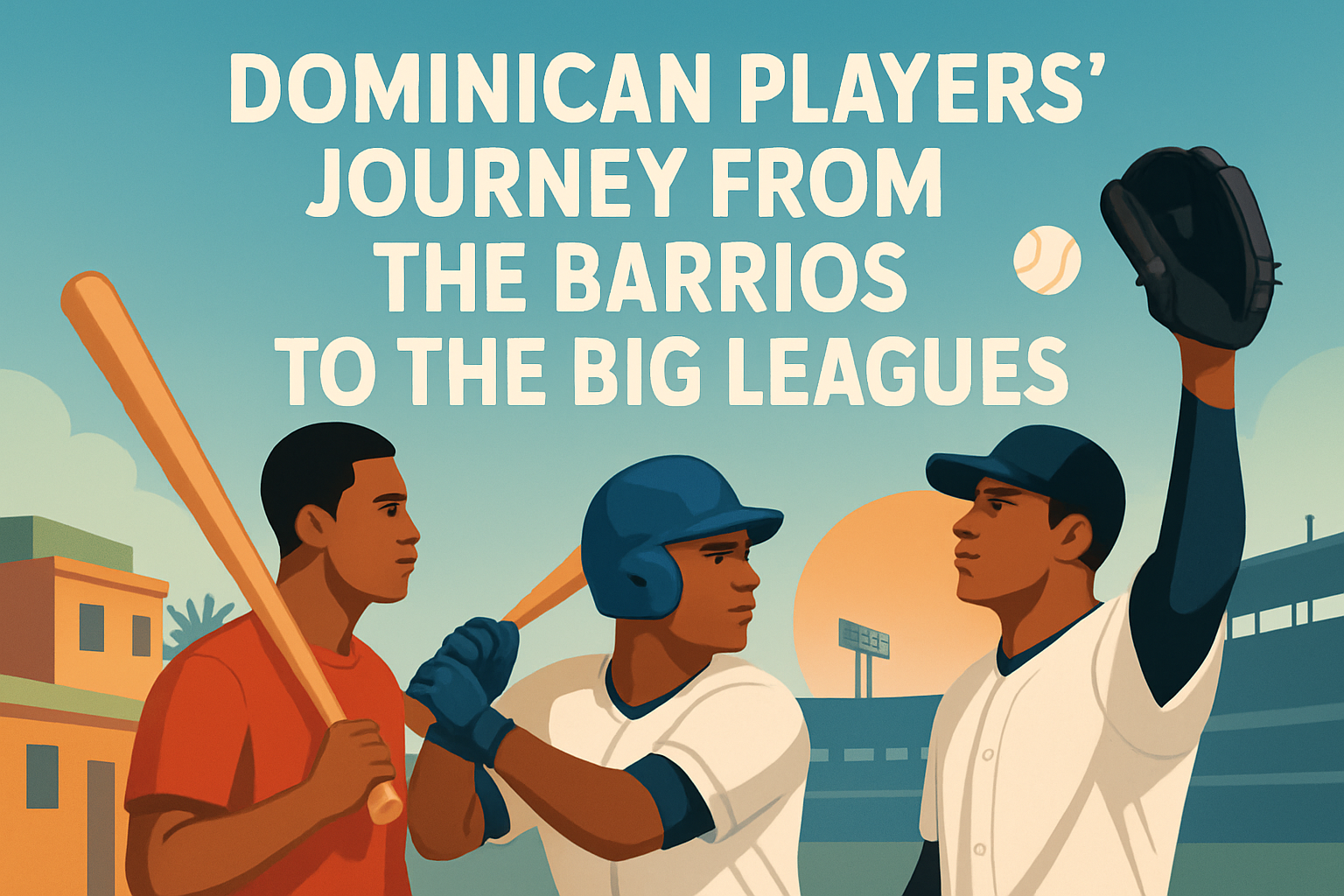
The journey from the humble neighborhoods of the Dominican Republic to the grandeur of Major League Baseball (MLB) is as intricate as it is inspiring. This path, often referred to as the journey from the barrios to the big leagues, draws attention to the profound impact of baseball in shaping the socio-economic landscape for many Dominican families. For decades, the Dominican Republic has been a fertile ground for baseball talent, producing players who have not only excelled at the sport but have also become influential figures worldwide. The essence of this journey is encapsulated by stories of perseverance, sacrifice, and the support systems that nurture these athletes from a young age. Understanding this journey is crucial, as it offers insights into the myriad challenges and opportunities that define the Dominican baseball narrative and highlights the significant role sports can play in international cultural and economic exchanges.
The Roots: Baseball as a Cultural Phenomenon
Baseball is more than just a sport in the Dominican Republic; it is woven into the fabric of society. Originating during the late 19th century, baseball quickly became a cherished pastime, embedded in the cultural identity of the Dominican people. The enthusiasm for the game is evident everywhere, from bustling city streets to quiet rural fields. Young children often form informal leagues, using makeshift equipment like broomsticks and rubber balls in their quest to emulate MLB stars. This early exposure to baseball cultivates both technical skills and emotional resilience as players adjust to scarce resources.
One notable example of baseball’s deep roots is the historic “Lisbon Lions” team, formed in the town of San Pedro de Macorís. Known as the “Cradle of Shortstops,” this town has produced several MLB players, including notable figures like Alfonso Soriano and Robinson Canó. Beyond producing talent, teams like the Lisbon Lions serve as focal points for community pride and emerging talent, anchoring the game in local tradition.
Pathways to Professionalism: Talent Academies and Scouting
The journey to the MLB for Dominican players typically begins at local talent academies, which play a vital role in honing young players’ skills. These academies often partner with major league teams, employing scouts who comb through tournaments for promising players. Once identified, talent is nurtured with rigorous training and educational support, preparing athletes for the competitive landscape of professional baseball. This system not only trains players physically but mentally, as they learn to navigate the dynamics of professional sports.
A shining example of this pathway is the Los Angeles Dodgers Academy in Boca Chica, which has been instrumental in propelling several young Dominicans to MLB stardom. Former academy graduate and MLB All-Star Pedro Báez is a testament to the academy’s success, having risen through its ranks to become a critical player for the Dodgers. His journey highlights the role of structured training programs and disciplined cultivation of raw talent in achieving professional success.
| Pathway Component | Role in Player Development | Notable Outcome |
|---|---|---|
| Local Talent Academies | Identify and nurture young talent | Enable players like Pedro Martínez |
| MLB Partnerships | Provide resources and professional training | Support players’ transition to international leagues |
| Scouting Networks | Spot potential early in grassroots competitions | Facilitate entry into professional baseball |
Challenges and Triumphs: Personal Stories from the Players
Many aspiring baseball players in the Dominican Republic face socioeconomic challenges that add layers of difficulty to their quest for MLB success. These challenges often include financial hardships, limited access to formal education, and the pressure to succeed as many families place their hopes on a young player’s shoulders. Despite these hurdles, numerous stories of triumph emerge, showcasing resilience and determination at their core.
Consider the story of David Ortiz, affectionately known as “Big Papi.” Before becoming a legend with the Boston Red Sox, Ortiz’s early life in Santo Domingo was rife with economic struggles. Through sheer dedication and the support of his family and community, Ortiz not only made it to the MLB but also achieved iconic status with multiple World Series titles. His story is emblematic of the Dominican spirit, overcoming adversity through talent and perseverance.
The Economic Impact: Transforming Communities
The success of Dominican players in MLB has had a profound economic impact on their homeland. Remittances from successful players often lead to improved infrastructure and opportunities in their home communities. These investments can include the development of local schools, sports facilities, and community programs that foster the next generation of talent.
Albert Pujols serves as a case in point. Known for his philanthropy, Pujols has invested significantly in educational and health initiatives in the Dominican Republic, reflecting a broader trend where players leverage their success for communal upliftment. His foundation provides healthcare services and educational guidance, highlighting the transformative potential of economic influx driven by professional sports.
Cultural Bridges and Global Influence
Dominican players have become cultural ambassadors, bridging gaps between their homeland and international audiences. Their presence in the MLB brings exposure to Dominican culture and heritage, fostering cultural appreciation and understanding. As Dominican players gain fame, they bring attention not only to their skill but also to the rich cultural narratives of the Dominican Republic.
The iconic player Manny Ramírez exemplifies this influence. Known for his charismatic personality and exemplary play, Ramírez has been pivotal in amplifying Dominican cultural stories alongside his baseball prowess. His appearances on international platforms have elevated the Dominican narrative, making baseball a conduit for cultural diplomacy and international relations.
The Future: Sustaining Growth and Talent Development
As the pipeline of talent from the Dominican Republic to the MLB continues to thrive, the focus shifts to sustaining this momentum. Continuous investments in sports infrastructure, education, and international collaborations are key to maintaining and enhancing this trajectory of success. Ensuring players receive comprehensive education and personal development support will help cultivate well-rounded athletes who can thrive beyond the baseball diamond.
The Dominican government’s increased involvement in sports affairs signals a promising future. By initiating programs to support young athletes, the government endorses broader engagements in developing baseball as both a national pastime and an avenue for international success. Players like Vladimir Guerrero Jr., who navigate these enhanced pathways, exemplify the future of Dominican baseball, combining raw talent with structured development.
Conclusion: The Impact of the Dominican Baseball Journey
The journey from the barrios to the big leagues for Dominican players is a testament to human spirit and cultural richness. The story of these athletes underscores the vital intersections between sports, society, and socioeconomic development. Their success goes beyond personal achievement, heralding significant community and global contributions. As more players emerge from the Dominican Republic, their stories continue to inspire and redefine the impact of baseball on a cultural and economic scale. As future generations step onto the baseball field, the road paved by their predecessors sets a powerful precedent for achievement.
For those seeking inspiration or understanding of sports’ transformative power, the Dominican narrative is unparalleled, showcasing with every swing, pitch, and catch, how the hopes from small barrios echo loudly across international stadiums. Let’s celebrate their journey, support local talent, and embrace the universal language of baseball. Whether you’re an aspiring player, a fan, or a curious observer, engage with this story and consider how sports can foster global connections and opportunities.
Join the conversation and explore more about how sports can unite and uplift communities across the world. Attend a game, support grassroots initiatives, or simply share these inspiring stories. Together, we can write the next chapter in the world of sports.
Frequently Asked Questions
1. What factors contribute to the Dominican Republic’s reputation as a hotspot for baseball talent?
The Dominican Republic’s reputation as a powerhouse for baseball talent can be attributed to several factors, deeply intertwined within the country’s cultural and social fabric. Firstly, baseball is more than just a sport in the Dominican Republic; it’s a passion embedded in the nation’s identity. The love for the game is cultivated from a young age, with neighborhoods bustling with kids playing baseball on every street corner. Families often see baseball as a potential pathway to improve their socio-economic status, and this motivates young players to pursue the sport with dedication.
Moreover, the presence of baseball academies, often run by Major League Baseball (MLB) teams, plays a crucial role in honing the skills of young athletes. These academies offer structured training, resources, and exposure to MLB scouts, which significantly increases the chances of Dominican players getting noticed. The blend of natural athletic talent, cultural enthusiasm, and the professional grooming provided by these academies establishes the Dominican Republic as a formidable incubator of baseball excellence.
2. How does baseball impact the socio-economic landscape for Dominican families?
The socio-economic impact of baseball on Dominican families is substantial. For many young boys growing up in the barrios, pursuing a career in baseball represents a glimmer of hope to escape the cycle of poverty. Successfully making it to the Major Leagues can be life-changing, not just for the players themselves but also for their extended families and communities.
The lucrative contracts awarded to MLB players enable them to provide financial support to their families, invest in local businesses, and contribute to community development projects. Many Dominican MLB stars return home to build schools, hospitals, and sports facilities, influencing not just their immediate families but also fostering broader community growth. Additionally, the aspiration to succeed in baseball drives youth engagement in sports, promoting a healthy lifestyle and potentially reducing delinquencies in economically challenged neighborhoods.
3. What challenges do Dominican players face on their journey to Major League Baseball?
The road to Major League Baseball is riddled with challenges for Dominican players. One of the primary obstacles is the intense competition and pressure to stand out among countless other talented players aiming for the same spot in the league. Despite their skill, players also face significant cultural and language barriers when they transition from the Dominican Republic to the United States. Adapting to a new culture, learning English, and understanding the nuances of professional American baseball can be daunting and overwhelming.
Furthermore, the process of being scouted and signed by MLB teams can be complex, sometimes exploitative, with issues surrounding representation and fair contracts. Many players come from humble backgrounds and may lack the legal knowledge to navigate contract negotiations effectively, which can lead to unscrupulous practices by agents or scouts. Despite these hurdles, the determination and resilience of Dominican players often propel them forward, but it undoubtedly requires enormous perseverance and support to succeed.
4. What role do baseball academies play in the development of Dominican players?
Baseball academies in the Dominican Republic play an instrumental role in shaping aspiring baseball players. These academies, many of which are affiliated with MLB franchises, provide top-notch training and resources, essential for developing raw talent into professional caliber athletes. At these facilities, young players receive rigorous instruction in baseball fundamentals, physical conditioning, and even basic English language skills to prepare them for the transition to MLB.
Beyond the technical training, these academies offer an environment where players can focus on their development in a structured setting, free from the distractions and challenges often present in the barrios. This concentrated training enhances players’ effectiveness on the field and increases their visibility to MLB scouts, significantly bolstering their chances of being signed by a major league team. Thus, the academies are a critical link in the journey from the Dominican Republic to the baseball diamond in America.
5. What influence have Dominican players had on Major League Baseball and the sport in general?
Dominican players have had a profound influence on Major League Baseball, not just through their athletic achievements but also by enriching the league with their distinctive cultural flair. They have consistently contributed to some of the most exciting and transformative moments in MLB history, and their presence in the league brings a vibrancy that delights fans across the globe.
Dominican players have earned numerous accolades, setting records and achieving Hall of Fame status, which has substantially elevated the profile of Latin American athletes in the sport. This prominence has increased MLB’s outreach efforts and engagements in the Dominican Republic and other Latin American countries, promoting a more diverse and inclusive sport.
Off the field, many Dominican players serve as ambassadors for their homeland, using their platforms to advocate for social change and inspire the next generation of players. They influence the sport beyond the MLB by encouraging the development of baseball programs worldwide, impacting not only the landscape of baseball but also contributing positively to cross-cultural exchanges and understanding.