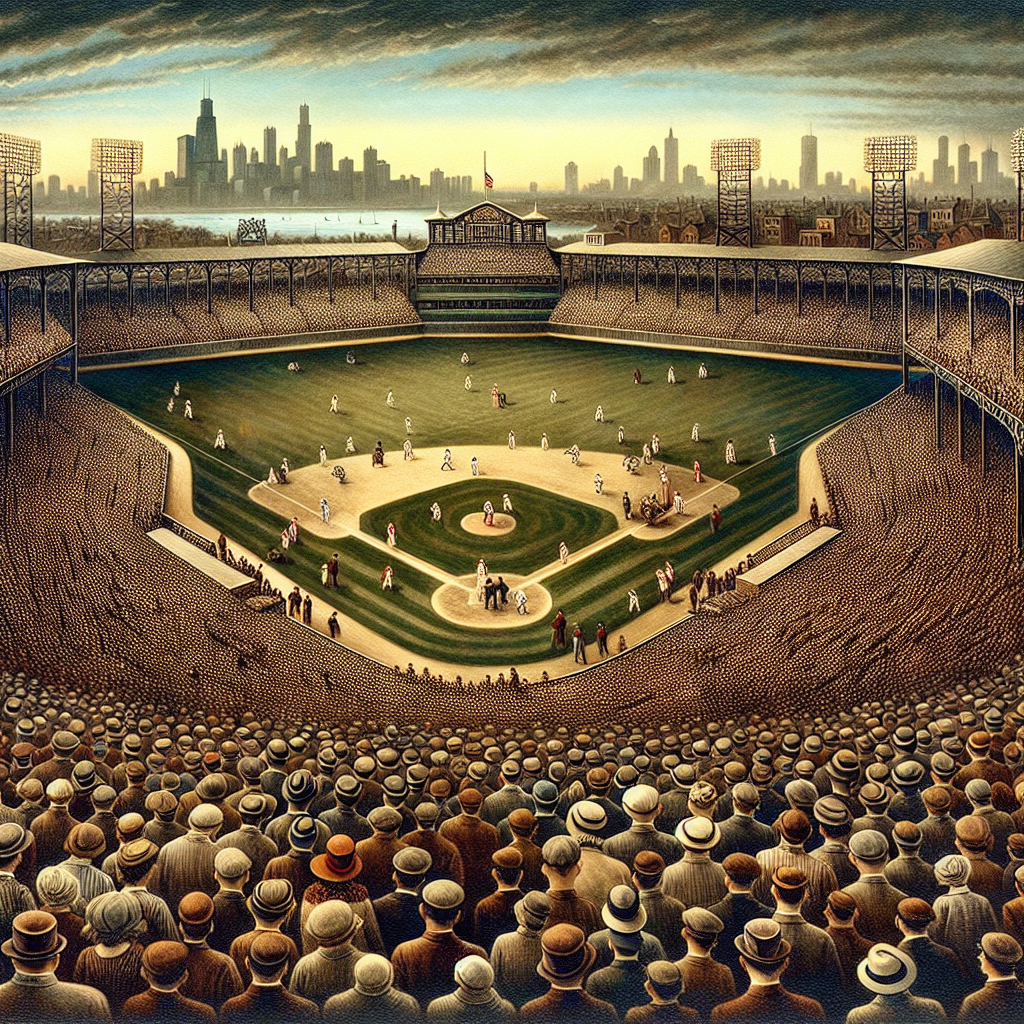
When you think of iconic ballparks in American baseball history, Comiskey Park invariably finds its place among the legends. Known as the home of the Chicago White Sox for over 80 years, Comiskey Park is not just a stadium but a repository of rich history, unforgettable memories, and a symbol of Chicago’s passionate love affair with baseball. This article delves deep into the storied past, architectural marvels, and lasting legacy of this historic ballpark.
Introduction to Comiskey Park
The inception of Comiskey Park dates back to its opening on July 1, 1910. Named after the former White Sox owner Charles Comiskey, the park was a realization of his dream to provide a first-class baseball venue for the fans. The cornerstone of White Sox baseball for much of the 20th century, Comiskey Park stood as a witness to numerous pivotal moments in baseball history.
Located at the corner of 35th Street and Shields Avenue, Comiskey Park was designed by architect Zachary Taylor Davis. With a seating capacity exceeding 32,000 at its peak, it was among the largest and most modern ballparks of its time. What set Comiskey apart was not just its size, but the sheer dedication to creating an unforgettable experience for the fans. From its perfectly manicured outfield to the iconic scoreboard, everything about Comiskey exemplified baseball excellence.
One of the defining attributes of Comiskey Park was its proximity to the community. Embedded in the heart of Chicago’s South Side, the ballpark became a communal space where generations of families gathered to share the excitement of the game. Comiskey Park was more than just a venue; it was a living, breathing part of Chicago’s social fabric.
Architectural Marvel and Unique Features
Comiskey Park’s architecture was a blend of functionality and grandeur. The park’s design incorporated elements that were revolutionary at the time. One of the standout features was the fact that it was a double-decker stadium, an uncommon feature for ballparks during the early 20th century.
One of its most celebrated innovations was the iconic exploding scoreboard, introduced in 1960. This feature was the brainchild of White Sox’s owner Bill Veeck, a man known for his flair for showmanship. The scoreboard would light up with fireworks every time a White Sox player hit a home run, adding an extra layer of excitement and theater to the game.
Another unique feature of Comiskey Park was the infamous “Fun Tier,” a tiered seating section that became the breeding ground for some of the most enthusiastic fans in baseball. The Fun Tier was known for its rowdiness and passion, embodying the spirited nature of Chicago baseball fans. This section was notorious for its lively spirit, dramatically enriching the atmosphere of the ballpark.
In addition to these, Comiskey Park had lush green ivy adorning the outfield walls, a precursor to the famous ivy at Wrigley Field. Such elements lent Comiskey Park a charming, almost quaint aesthetic that contrasted beautifully with its imposing structure.
Pivotal Moments and Memorable Games
Comiskey Park was the stage for many of baseball’s most unforgettable moments. Perhaps one of the most historical events held at Comiskey was the first-ever All-Star Game in 1933. This game set the precedent for what would become one of baseball’s most cherished traditions.
One of the most dramatic games ever witnessed was the infamous “Disco Demolition Night” on July 12, 1979. A promotional event gone awry, it culminated in a near-riot that left the field in disarray and resulted in the White Sox forfeiting the second game of a doubleheader. For better or worse, this event has become an indelible part of Comiskey Park lore.
On a more triumphant note, Comiskey Park saw numerous milestone moments for White Sox players. This includes the perfect game thrown by Charlie Robertson on April 30, 1922, and the countless home runs by renowned players like Shoeless Joe Jackson and Frank Thomas.
Throughout the decades, from the heroic 1919 World Series to the electrifying night games introduced in 1939, Comiskey Park was not just a witness to baseball history; it was an active participant in shaping it. Its walls reverberated with the cheers, the groans, and the collective heartbeat of generations of fans.
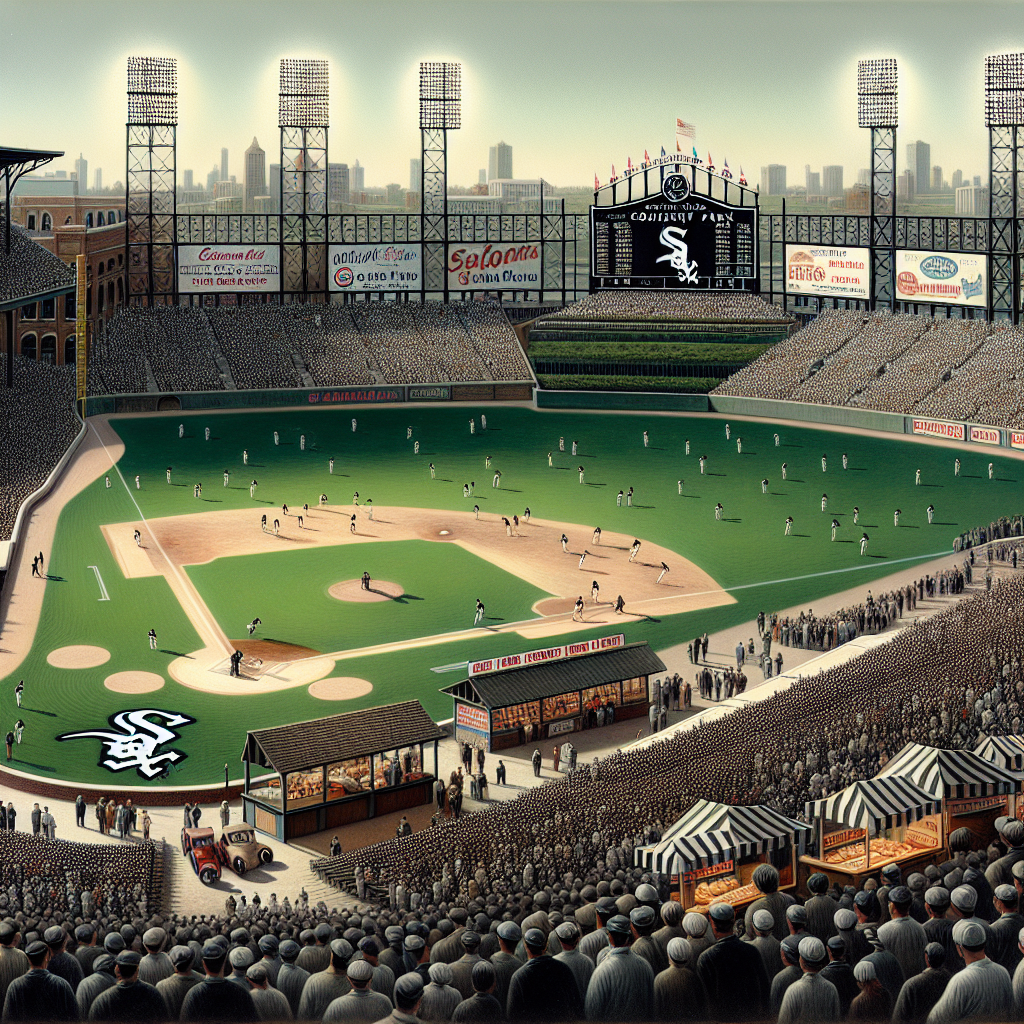
Comiskey Park’s Cultural Impact
Beyond the realm of baseball, Comiskey Park had a substantial cultural impact on the city of Chicago and its people. It became a gathering spot for the community, a place where people from varying walks of life came together to celebrate their shared love for the game and the city.
Comiskey also played a role in the broader cultural and social movements of its time. During World War II, it was a venue for war bond rallies, and the park’s staff frequently organized events to support troops and entertain service members. The ballpark also saw its share of non-sporting events, from lavish concerts to political rallies, further cementing its place in the cultural tapestry of Chicago.
The stories of fans and players underscore the personal connections knitted by the shared experiences at Comiskey. The sight of multigenerational families donning their White Sox gear, sharing stories of games past, and continuing traditions, highlighted the park’s role as a cultural cornerstone in the city’s identity.
Moreover, the park’s location in the South Side infused a sense of pride and local identity to a community often overshadowed by the North Side’s Wrigley Field. For South Siders, Comiskey was not just a sports venue but a symbol of resilience, pride, and communal spirit.
The New Comiskey Park and Legacy
In the late 1980s, it became clear that despite its storied past, the old Comiskey Park would have to be replaced to accommodate modern needs. The final game at the original Comiskey Park was played on September 30, 1990. The park bowed out gracefully, leaving behind an irreplaceable legacy sealed with the memories of countless fans and players.
New Comiskey Park, later renamed U.S. Cellular Field and now Guaranteed Rate Field, opened just across the street from the original site in 1991. While it brought state-of-the-art facilities and new features, it carried forward the legacy and spirit of its predecessor.
The new ballpark preserves pieces of the old, with commemorative aspects within its structure, like plaques and sections of the original brick façade, to honor its predecessor. Throughout the years, the essence of what made Comiskey Park special has been carefully woven into the fabric of the new stadium.
For many long-time fans, the new stadium is a hybrid of nostalgia and progress, embodying the old spirit in a new body. The echoes of the old Comiskey continue to inform game day rituals and fan experiences in this modern venue, keeping the spirit of the historic ballpark alive and well.
Conclusion
Comiskey Park’s story is that of a golden era in baseball history—an era marked by simplicity, passion, and undying loyalty. The very name “Comiskey” brings vivid memories of spectacular plays, legendary athletes, and thousands of excited fans filling the stands, unified in their love for the game.
While the original Comiskey Park may no longer stand, its legacy endures through the stories of those who experienced its magic. The new ballpark serves as a bridge between time, connecting modern-day fans with the storied past in meaningful ways. Whether you are a lifelong White Sox fan or a casual baseball enthusiast, the tale of Comiskey Park offers a fascinating glimpse into one of America’s most beloved pastimes.
From its architectural brilliance and pivotal moments to its cultural resonance and lasting legacy, Comiskey Park remains etched in the annals of baseball history. It represents not just the history of the Chicago White Sox but the enduring spirit of baseball itself—a sport that captures the heart and soul of America like no other.
Next time you visit Guaranteed Rate Field and look across the way to where Comiskey once stood, remember the history rooted in that hallowed ground. It’s a story of people, community, and a sport that continues to unite and inspire. Here’s to Comiskey Park: a true icon in the heart of American baseball.