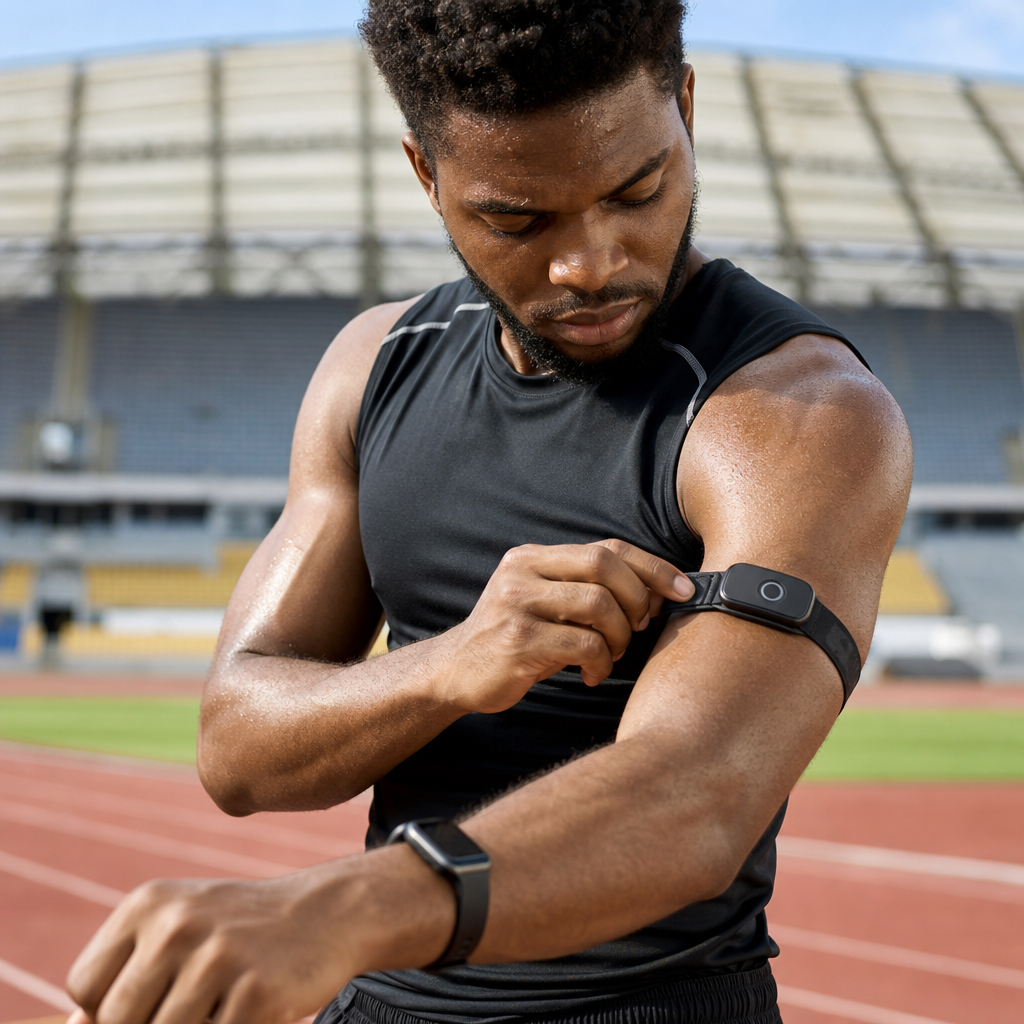
Biometric wearables are reshaping baseball by turning player health monitoring from periodic observation into continuous, data-driven decision making. In practical terms, biometric wearables are body-worn devices that collect physiological and movement data such as heart rate, heart rate variability, sleep quality, workload, joint stress, sprint output, and recovery markers. In baseball, that information matters because performance is built on small margins: one fatigued shoulder, one poorly timed bullpen session, or one missed recovery window can affect a season. I have worked with teams that once relied on coach intuition, training room notes, and occasional lab testing; today, clubs increasingly combine those methods with live data streams to manage risk and improve readiness. This shift sits at the center of the intersection of baseball and technology, alongside motion capture, bat sensors, Hawkeye tracking, force plates, and video analysis. As a hub for this subject, this article explains how biometric wearables work, what they measure, where they fit inside modern baseball operations, and why they have become a defining innovation in player development, sports medicine, and roster strategy across professional and amateur levels.
What biometric wearables measure in baseball
In baseball, useful wearable data falls into four broad categories: cardiovascular load, musculoskeletal stress, sleep and recovery, and movement quality. Chest straps such as Polar H10 are still widely respected for heart rate accuracy, while ring and wrist devices like Oura and WHOOP estimate sleep stages, resting heart rate, heart rate variability, respiratory rate, and recovery trends. GPS units and local positioning systems, common in field sports, are less central in baseball but still help quantify total running load, acceleration, and deceleration during conditioning and outfield work. The most baseball-specific wearables often focus on the throwing arm. Devices placed near the elbow or forearm can estimate arm speed, torque proxies, slot consistency, and workload patterns across bullpens, long toss, and game appearances.
The reason these measurements matter is simple: baseball is a sport of repeated explosive actions separated by long periods of low activity. A pitcher may appear fresh because total distance covered is low, yet underlying elbow stress may be climbing. A catcher may show normal game participation but poor overnight recovery after repeated squat loads and foul tips. A hitter may maintain exit velocity while accumulating fatigue that alters swing decisions and hamstring readiness on the bases. Wearables surface those hidden patterns. Teams rarely make decisions from one metric alone. Instead, they compare wearable data with force plate jumps, subjective wellness questionnaires, range of motion testing, pitch counts, bullpen intensity, and video review to build a fuller picture of readiness.
Why teams adopted wearables and how the workflow changed
Baseball adopted biometric wearables because old monitoring systems were fragmented and reactive. Historically, coaches watched mechanics, athletic trainers tracked soreness, and strength staffs managed lifting plans, but each group often worked from separate notes. Wearables created a shared operating language. A performance department can now flag that a pitcher’s sleep duration fell for three nights, heart rate variability trended down, and high-intensity throwing load spiked after an unscheduled side session. That combination does not diagnose injury, but it can justify reducing mound volume, adjusting recovery work, or scheduling manual therapy before symptoms worsen. In organizations I have seen firsthand, the biggest gain was not the device itself; it was the daily communication rhythm built around the data.
That workflow usually starts in the morning. Players complete a wellness check, sleep data syncs automatically, and trainers review outliers before batting practice. Pitching coordinators compare planned throwing with recent arm-load history. Strength coaches check readiness indicators before assigning lower-body power work. Analysts may tag the day’s performance data so later reviews can connect fatigue trends with velocity, command, chase rate, or swing speed. The result is a more integrated system where coaching, medicine, and analytics are no longer separate departments. This is why player health monitoring has become a cornerstone topic within baseball technology rather than a niche sports science project.
Key technologies shaping the intersection of baseball and technology
Biometric wearables do not operate in isolation. They are most valuable when connected to the broader technology stack now used across baseball. Hawkeye and Statcast track pitch movement, spin, release traits, batted-ball outcomes, and defensive positioning. Markerless motion capture can analyze kinematics in bullpens and hitting labs without requiring full laboratory setups. Force plates measure asymmetry, rate of force development, and neuromuscular fatigue through countermovement jumps and isometric tests. Bat sensors from companies such as Blast Motion quantify attack angle, bat speed, time to contact, and rotational efficiency. High-speed video provides mechanical context that pure numbers cannot supply.
When these systems are linked, teams can answer practical questions with much greater precision. If a pitcher’s fastball velocity drops, wearable data can reveal whether recovery is poor, force plate data can show reduced lower-body output, and video can identify early trunk rotation or altered arm timing. If a hitter’s chase rate rises, sleep disruption and travel fatigue may be part of the explanation. If an infielder loses first-step explosiveness, training load, hydration status, and residual soreness may all be reviewed together. This connected model defines the modern intersection of baseball and technology: not gadgets for their own sake, but interoperable systems that support better decisions.
| Technology | Primary data | Baseball use case | Main limitation |
|---|---|---|---|
| Chest strap or wrist wearable | Heart rate, recovery, sleep trends | Daily readiness and workload context | Consumer devices vary in accuracy |
| Arm wearable | Arm speed, workload, torque proxies | Pitcher throwing management | Proxy metrics are not direct tissue stress |
| Force plates | Jump metrics, asymmetry, force output | Neuromuscular fatigue screening | Requires standardized testing |
| Hawkeye or Statcast | Ball flight and player tracking | Performance analysis and game strategy | Does not measure internal physiology |
| Bat sensor | Bat speed, attack angle, connection | Hitting development | Needs video and coaching interpretation |
Player health monitoring for pitchers, hitters, and catchers
Pitchers remain the clearest use case because throwing injuries are costly and common. The ulnar collateral ligament, rotator cuff, forearm flexor mass, and shoulder stabilizers all operate under high stress, especially when fatigue alters mechanics. Wearables help teams monitor cumulative throwing load beyond official pitch counts. A 25-pitch bullpen at near-game intent can be more demanding than a light toss session of much higher volume. That distinction matters. Clubs now track acute workload, chronic workload, and recovery timing to avoid sudden spikes, because abrupt increases in high-intensity load are repeatedly associated with elevated injury risk across sports. Baseball must still individualize thresholds, but the principle is well established.
Hitters benefit differently. For them, readiness often centers on rotational power, sleep quality, hamstring and oblique status, and travel management. A wearable may show that an everyday player is under-recovered during a long road trip, prompting modifications to cage volume or pregame sprint work. Catchers present another strong case because the position combines squat repetition, collision exposure, throwing demands, and heat stress under heavy equipment. Monitoring sleep, hydration, and recovery can inform off-day scheduling and leg training. For all three groups, the best programs pair objective data with athlete conversation. Numbers identify trends; players explain context, such as illness, newborn sleep disruption, or an unusually stressful travel day.
Injury prevention, recovery, and return-to-play decisions
Can biometric wearables prevent injuries? Not in a literal sense. No device can guarantee tissue safety, and no single metric predicts breakdown with certainty. What wearables can do is improve the probability of better decisions. They help staffs detect fatigue earlier, manage workload progression more carefully, and personalize interventions. During rehabilitation, this becomes even more valuable. After a lat strain, hamstring injury, or postoperative throwing progression, clinicians can compare current workload, sleep, and readiness data with the athlete’s healthy baseline. Return-to-play decisions become less dependent on guesswork because the staff can layer wearable trends with strength testing, pain response, range of motion, and baseball-specific performance.
In practice, strong programs avoid overreacting to daily fluctuations. Heart rate variability is useful, but it is sensitive to alcohol, illness, stress, altitude, and measurement timing. Sleep scores are informative, but they are estimates rather than perfect clinical assessments. Arm-stress metrics from wearables are directional, not direct measures of ligament strain. The right approach is trend analysis. If several indicators move in the wrong direction at once and the athlete reports heaviness or soreness, that cluster deserves action. This balanced use of data is critical for trust. Players quickly lose confidence if staffs make dramatic changes based on one red number from one device on one morning.
Privacy, ethics, and the limits of biometric data
The expansion of player health monitoring raises legitimate privacy and labor questions. Biometric data is personal health information, and in professional sports it can affect contracts, roster decisions, and public narratives about durability. Teams therefore need clear consent policies, limited access controls, secure storage, and specific rules governing who can see what. In Major League Baseball and affiliated environments, data governance is not a side issue; it shapes adoption. Players are more willing to wear devices when they understand how the data will be used, how long it will be stored, and whether it can be shared beyond the medical and performance staff.
There are also technical limits. Consumer wearables are convenient but not always validated to the same standard as research-grade tools. Algorithms are proprietary, meaning two devices may generate different recovery scores from similar inputs. Skin tone, fit, movement artifact, and battery consistency can affect optical sensors. Even excellent data can be misinterpreted when staffs chase correlation as if it were causation. If a player performs poorly after a low recovery score, that does not prove the score caused the result. Good organizations train coaches to treat wearable outputs as one evidence stream among many. That discipline keeps baseball technology useful instead of intrusive or misleading.
What this means for the future of baseball
Biometric wearables are now a foundational part of how baseball understands health, workload, and performance. Their real value is not that they replace coaches, scouts, trainers, or doctors. Their value is that they make those experts better informed. Across the broader intersection of baseball and technology, wearables connect the internal state of the athlete with the external outcomes measured by tracking systems, video, and performance analytics. That connection supports smarter training plans, earlier fatigue detection, more individualized recovery, and more credible return-to-play decisions. It also gives front offices and player development staffs a clearer picture of how availability is built over a 162-game season rather than assumed.
As this sub-pillar hub within innovations and changes in baseball, the main takeaway is straightforward: modern baseball technology works best as an integrated system. Wearables matter because they add context to everything else a team measures. If you want to understand where the game is headed, start with player health monitoring, then explore the connected topics around it, including motion capture, Statcast analysis, force plates, bat sensors, and AI-assisted coaching tools. Used thoughtfully, biometric wearables help keep players healthier, preserve performance deeper into the season, and turn raw data into practical baseball decisions. Build your understanding of this technology ecosystem, and you will understand one of the most important forces changing baseball today.
Frequently Asked Questions
What are biometric wearables, and how are they used in baseball?
Biometric wearables are body-worn technologies that continuously collect physiological and movement data from athletes during training, recovery, and in some cases game-related activity. In baseball, these devices can track metrics such as heart rate, heart rate variability, sleep duration and quality, workload, acceleration, sprint output, joint stress, and overall recovery status. Instead of relying only on visual observation, athlete self-reporting, or occasional testing, teams can use wearables to build a much more complete picture of how a player’s body is responding day to day.
That matters because baseball performance often depends on very small physical differences. A pitcher may look fine mechanically while carrying subtle shoulder fatigue. A catcher may be accumulating stress from repeated squat loads and throwing volume. A position player may be slightly under-recovered after travel, poor sleep, and back-to-back high-intensity efforts. Wearables help identify those patterns earlier, allowing coaches, athletic trainers, strength staff, and sports scientists to make smarter decisions about workload, recovery, practice intensity, and return-to-play timing.
In practical use, wearable data is often combined with video, force testing, medical evaluations, and performance trends. The real value is not in one isolated number, but in context over time. When teams establish an athlete’s baseline and monitor deviations from that baseline, they can respond more precisely to fatigue, overuse risk, and recovery needs. That shift—from periodic observation to continuous, data-informed monitoring—is why biometric wearables are becoming such an important part of modern baseball operations.
How do biometric wearables help reduce injuries and manage player workload?
Biometric wearables help reduce injury risk by showing how much stress an athlete is accumulating and how well the body is recovering from that stress. In baseball, overuse injuries often develop gradually rather than all at once. A pitcher’s arm may tolerate one outing well, but repeated high-intensity sessions without adequate recovery can increase the likelihood of shoulder or elbow problems. A wearable can reveal rising workload, reduced recovery markers, poor sleep, or changes in movement patterns that suggest the athlete may need intervention before symptoms become serious.
Workload management is especially valuable in a sport with long seasons, frequent travel, uneven schedules, and position-specific demands. For pitchers, teams may monitor exertion levels, recovery trends, and cumulative stress between bullpen sessions, starts, and strength work. For catchers, lower-body load and repeated throwing stress may become key points of attention. For outfielders and middle infielders, sprint volume, explosive movements, and fatigue from repeated high-speed efforts can be tracked more effectively. This allows staff to adjust practice plans, limit unnecessary volume, or schedule recovery work more strategically.
It is important to understand that wearables do not “predict” injuries with perfect certainty. What they do is improve risk awareness. They give teams earlier signals that something may be trending in the wrong direction. When those signals are interpreted by qualified professionals and paired with medical judgment, they can help prevent avoidable overload, improve return-to-play decisions, and support healthier performance over the course of a demanding season.
Which biometric metrics matter most for baseball players?
The most useful biometric metrics in baseball depend on the player’s role, health history, and competitive demands, but several categories consistently stand out. Heart rate and heart rate variability are widely used to assess how the body is responding to training stress and recovery. Sleep quality and duration are also critical because poor sleep can affect reaction time, tissue recovery, cognitive performance, and overall readiness. Workload metrics, including intensity, total movement volume, and repeated effort counts, help teams understand how much strain a player is carrying from practices, games, and conditioning sessions.
Movement-related metrics are particularly important in baseball because the sport blends explosive power with repetitive stress. Sprint output, acceleration, deceleration, and directional movement can be highly relevant for fielders and baserunners. Joint stress and throwing-related load can be especially useful for pitchers, catchers, and other players with high throwing volume. Recovery markers, whether derived from physiological readings or trend analysis over time, help teams determine whether the athlete is adapting well or beginning to drift toward fatigue.
What matters most is not chasing every available data point, but focusing on the metrics that are actionable. A team gets the best results when it selects measurements tied to real decisions: whether to modify throwing intensity, reduce training load, prioritize sleep interventions, increase recovery support, or flag a player for further evaluation. The strongest wearable programs are built around relevance, consistency, and interpretation—not just data collection for its own sake.
Can biometric wearables improve performance as well as player health?
Yes. While injury prevention and health monitoring are major benefits, biometric wearables can also improve performance by helping teams optimize how players train, recover, and compete. Performance in baseball is influenced by readiness just as much as raw skill. If an athlete is carrying hidden fatigue, the result may be reduced bat speed, slower reaction time, lower sprint explosiveness, diminished command on the mound, or poorer decision-making late in games. Wearables help identify those subtle performance limiters before they show up clearly in box-score outcomes.
For example, a player whose recovery data shows persistent strain after travel may benefit from a modified training day, extra sleep support, hydration emphasis, or reduced nonessential workload. A pitcher whose physiological and movement markers indicate strong recovery may be better positioned for a higher-intensity bullpen session. A hitter dealing with accumulated fatigue may need adjustments in cage volume or strength work to preserve game-day explosiveness. Over time, those small optimizations can lead to better consistency, fewer performance dips, and a more individualized development plan.
Wearables also help organizations move away from one-size-fits-all programming. Two players can complete the same workout and respond very differently. Continuous biometric feedback makes it easier to tailor plans to the athlete instead of assuming every body adapts the same way. That creates a competitive advantage: healthier players, better-managed energy, more efficient training, and performance decisions based on objective trends rather than guesswork alone.
What are the biggest challenges and limitations of using biometric wearables in baseball?
The biggest challenge is that data is only useful when it is accurate, relevant, and interpreted correctly. Wearables can generate enormous amounts of information, but more data does not automatically produce better decisions. Teams need reliable devices, consistent collection methods, and staff who understand how to separate meaningful trends from normal day-to-day variation. A single low recovery score or unusual reading does not always indicate a problem. Without context, teams risk overreacting to noise or making decisions based on incomplete understanding.
Another major issue is player trust. Biometric data is personal, and athletes naturally want to know who can see it, how it will be used, and whether it could affect role decisions, contract value, or job security. Successful programs depend on transparency, privacy safeguards, and clear communication. Players are much more likely to engage when they understand that the purpose is to support health, recovery, and performance rather than to monitor them in a punitive way.
There are also practical limitations tied to comfort, compliance, and sport-specific usefulness. Some devices may not be ideal during every baseball activity, and some metrics may be more informative in training than during competition. In addition, wearable data should never replace medical evaluation, coaching insight, or athlete feedback. The best approach is integrated rather than exclusive: use wearables as one tool within a broader performance and health system. When organizations treat them that way, they can gain meaningful advantages without falling into the trap of assuming technology alone has all the answers.