
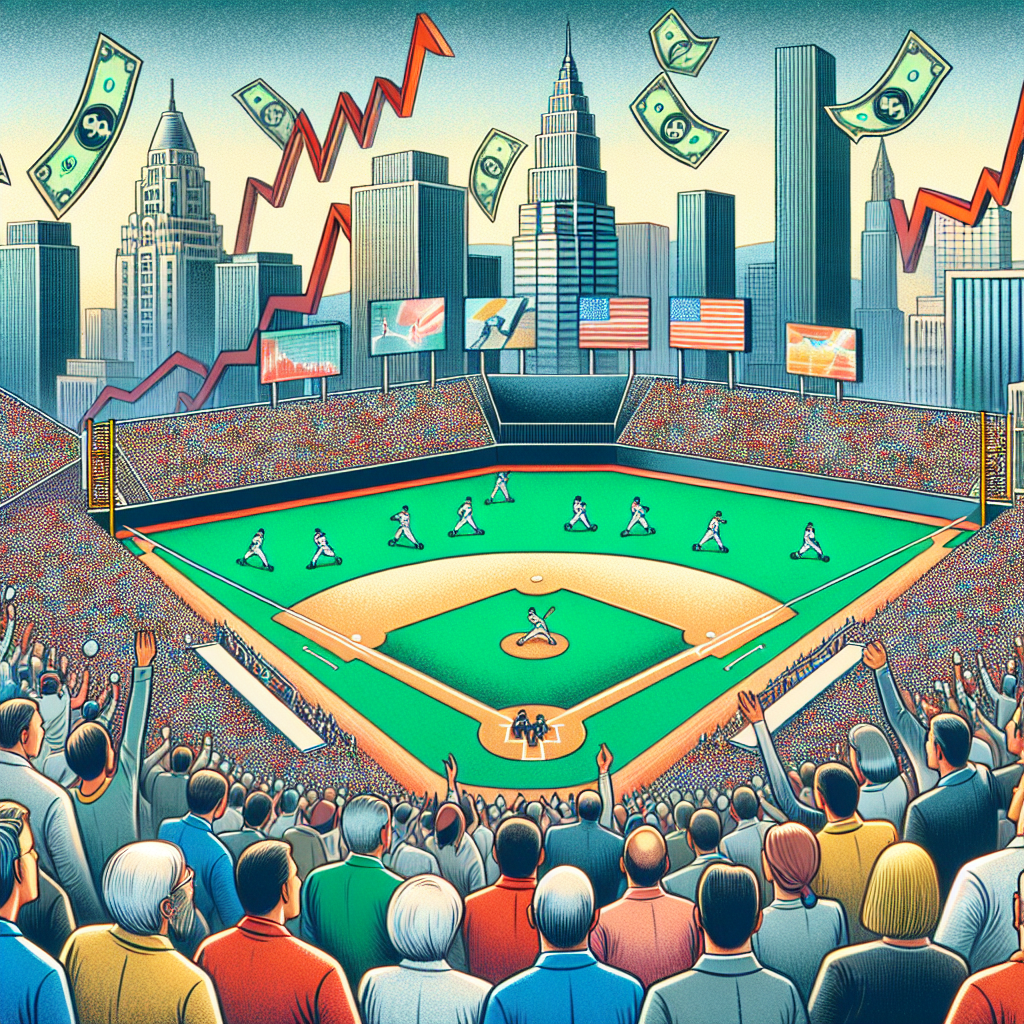
The 1990s were a transformative period for baseball in the United States, with the sport undergoing significant changes that reflected broader economic trends. With the turn of the decade, baseball emerged from the shadows of the economic struggles of the late 1980s into a new era of prosperity and growth. As industries surged and consumer confidence flourished, so too did America’s pastime. In this time, baseball became more than just a sport; it mirrored the nation’s economic awakening, exemplifying economic resilience, commercialization, and technological advancement.
The early 1990s saw a resurgence in economic vitality, with the United States experiencing one of the longest peacetime economic expansions. This period of affluence extended into nearly every facet of American life, including sports. Baseball, long considered an enduring symbol of American culture, became a robust reflection of economic prosperity. Stadiums filled, revenue streams diversified, and record-breaking salaries made headlines, each echoing the nation’s wealth.
During the decade, Major League Baseball (MLB) experienced pivotal changes. The sport not only thrived on the field but also made waves in corporate boardrooms, signifying a profound shift in how the sport was perceived and managed. The ’90s established baseball as a lucrative business, altering players’ deals, owners’ profits, and fans’ experiences. As the economy roared, so did the cries of baseball fans nationwide, celebrating the heroes and narratives that consistently unfolded on America’s diamonds.
The Economic Context of the 1990s
The 1990s economic boom set an important context for understanding baseball’s growth. With advances in technology, from the proliferation of personal computers to the early stages of the internet, the workplace completely transformed. Accessibility to new markets inspired consumer confidence and stimulated spending. This environment allowed for a unique synergy between sports and economic progress.
Americans had more disposable income, which they willingly spent on entertainment and sports, with baseball catching significant attention. The collective euphoria over economic growth created a conducive environment for baseball to step up as an entertainment juggernaut. Families attending games became a hallmark of leisure time, with ballparks witnessing an influx of fans eager to soak in the atmosphere.
Economically stable owners invested more in their teams, enhancing stadia, scouting players whispering promise, and promising budding talents deals that enabled them to leverage every ounce of their skills and popularity. This investment fueled a competitive atmosphere that benefited both the league and fans, ushering in an era of renowned players captivating viewers with their extraordinary prowess.
Expansion and Commercialization
Baseball underwent a remarkable transformation in the 1990s, characterized by expansion and commercialization. With the economic boom, MLB saw the opportunity to increase its footprint, bringing major league action to new cities across North America. The league expanded to include teams such as the Colorado Rockies and Florida Marlins, broadening its appeal.
This expansion symbolized baseball’s willingness to capitalize on the decade’s economic vigor, thereby further ingraining itself into American culture. Teams utilized their growing revenue to enhance marketing and reach wider audiences, ensuring the sport’s continued growth in popularity. Collegiate players became targets for contracts that promised riches and fame, drawing the best talents from around and beyond the nation.
Commercialization also presented itself in the way games were broadcasted. With technological innovations, baseball reached new heights of media exposure. Networks paid staggering sums for broadcasting rights, contributing to a revenue boom for MLB. Fans, eager for never-before-seen access to their favorite teams, welcomed innovations such as extensive television coverage, sports tickers during broadcasts, and post-game analysis segments. Baseball, once a sport of local heroes and legends told at neighborhood bars, became an extensively marketed national product.
Players and Contracts: Skyrocketing Salaries
With the commercialization of baseball, players saw a dramatic increase in salaries and contract lengths, turning them into the poster children of the ’90s economic prosperity. The most talented players became mega-stars, whose wealth and celebrity status rivaled those in the entertainment industry.
Driven by television deals, product endorsements, and a robust economy, players signed record-breaking contracts, like Alex Rodriguez’s astonishing $252 million agreement. Salaries that would have been unimaginable in preceding decades became the norm, reflecting not only the financial influx within the sport but also the increased value of players as commercial assets.
This shift prompted athletes and agents to explore ventures beyond the diamond. Players endorsed products and appeared in commercials, solidifying their roles as cultural icons. Meanwhile, unions played a crucial role in ensuring that players maximized their earnings during this lucrative period. Collective bargaining saw players gaining benefits that worked beyond paychecks, offering them healthcare and post-retirement benefits.
The Role of Ballparks
Another critical element to baseball’s success in the ’90s was the transformation and construction of new ballparks, which became cultural meccas that went beyond being mere venues for games. Reflecting a booming economy, investments poured into creating fan-oriented facilities with improved amenities, enhancing the overall game-day experience and catering to a diverse fan base.
Iconic new ballparks such as Camden Yards in Baltimore revolutionized the concept of a baseball stadium. These modern arenas merged the nostalgic elements of baseball’s past with innovative architectural designs and advanced facilities, offering improved sightlines, comfort, and entertainment options. Fans were enticed by these enchanting settings, making games as much about the “experience” as the action on the field.
Furthermore, these stadiums became economic centers in themselves, influencing urban development and local economies. From shops to restaurants, the impact of baseball transcended the field, positioning teams as pertinent economic contributors to their host cities. Ballparks became year-round destinations for concerts, community events, and festivals, further enriching the community fabric.
Fans and Cultural Impact
The ’90s economic boom influenced not just the sport’s business and operations but also left an indelible mark on its fan culture. Baseball enjoyed unrivaled popularity, with a broader, more diverse fan base. As stadiums evolved into communal social hubs, so did fandom, with renewed cultural expressions such as themed dressing, merchandise collecting, and tailgate parties gaining traction.
The wider accessibility of baseball broadcasts allowed fans across the country to engage more deeply with their teams. Baseball card trading surged, as did online forums where enthusiasts debated statistics and play strategies. Increased connectivity meant a more engaged fan community, adding layers to the expressions of loyalty and establishing a vibrant cultural ecosystem surrounding baseball.
Furthermore, the ’90s ushered in an age of legendary rivalry games that captivated the nation, such as the face-offs between the New York Yankees and the Boston Red Sox, igniting passions beyond the sports domain. Fans hailed the major leagues not just as entertainment but part of their identities, unifying diverse communities over shared respect and critiques of their beloved teams.
Impact on Other Sports and Society
The impact of baseball’s economic boom in the 1990s resonated across other sporting domains and society at large. Baseball pioneered methods of sports marketing, fan engagement, and revenue generation that would be emulated across industries.
Other leagues, noticing the success afforded by smart commercialization and technical innovation, embraced similar strategies. The National Football League (NFL) and National Basketball Association (NBA), for instance, engaged in expanding marketing and broadcasting partnerships, further enriching their coffers, much like MLB. Baseball’s financial model inspired numerous franchises to invest heavily in star athletes and brand-building campaigns.
Beyond sports, baseball’s growth had societal implications, highlighting broader trends in consumerism, entertainment, and technology-driven lifestyles. The era’s emphasis on entertainment set expectations of instant gratification and seamless access, shaping new cultural norms surrounding leisure activities.
Moreover, as baseball’s socio-economic contributions expanded, the sport began playing crucial roles in fostering community identities, bridging cultural gaps, and strengthening municipal tourism sectors. By reinforcing sports as a desirable economic vehicle, baseball inadvertently ignited lasting dialogues on tax-funded stadiums, sports ethics, and the universality of sports as a societal glue.
Conclusion: The Legacy of the Booming ’90s
As the final out was called on the 1990s, baseball stood at a pinnacle of financial strength and cultural richness, its success inseparable from the economic zeitgeist of the decade. The prosperity experienced during this timeframe left an indelible mark on Major League Baseball, setting foundations for contemporary trends and ensuring its reverence within American culture.
The economic boom of the ’90s was a double-edged sword. While it led to unprecedented growth and opportunities, it also brought challenges, such as player strikes and debates over fiscal equity within the league. Through it all, baseball emerged as a dynamic force, setting standards that transcended sports.
As we continue into the 21st century, the 1990s remain a unique chapter in baseball’s storied history, remembered for its ability to reflect the nation’s aspirations and influence societal structures. This decade demonstrated baseball’s power to unify and inspire millions, a legacy embodying ingenuity and communal spirit forged amidst the economic sands of time.
Frequently Asked Questions
1. What was the main economic impact of the 1990s boom in baseball?
The 1990s boom in baseball had a tremendous economic impact, marking an era of prosperity for Major League Baseball (MLB) and its stakeholders. These years were characterized by skyrocketing player salaries, record-breaking media deals, and increased fan attendance. One of the key impacts was the substantial growth in team revenue, driven largely by lucrative TV contracts and sponsorship deals. This period saw an expansion of MLB’s reach as games became more accessible to a national and even international audience. In turn, the financial health of baseball franchises improved significantly, with many teams experiencing major increases in their valuations. The 1990s also witnessed substantial investment in stadiums, with new, state-of-the-art facilities being built across the country, further stimulating local economies through job creation and increased tourism. Overall, the economic boom of the ’90s laid the foundation for what we see today as a robust and profitable sports industry.
2. How did player salaries reflect the economic trends of the decade?
Player salaries during the 1990s truly mirrored the broader economic trends of inflation and prosperity that characterized the decade. As the decade progressed, the free agent market exploded, leading to unprecedented salary increases. Star players commanded multimillion-dollar contracts, which were justified by their talent pull and team-generated revenues, firmly anchored in expanding broadcast deals and merchandise sales. This salary inflation was indicative not only of the strong financial health of the baseball industry but also of the bargaining power players and their agents wielded. By the end of the decade, top salaries had escalated to monumental figures, with players like Alex Rodriguez and Derek Jeter setting new benchmarks for earnings. The financial boom in salaries also brought to the forefront discussions on salary caps and luxury taxes, issues that have remained central in labor negotiations to this day. Overall, player earnings were emblematic of the decade’s flourishing economy and the commercial success of baseball during this period.
3. What role did stadium construction play in the ’90s baseball boom?
Stadium construction in the 1990s played a pivotal role in the transformation of baseball and its economic boom. This era witnessed the emergence of a new wave of ballparks that redefined the fan experience and contributed significantly to the financial success of teams. Many franchises moved from multipurpose sports complexes to modern facilities dedicated solely to baseball, featuring fan-friendly amenities and unique architectural designs. These new stadiums, often built with a combination of public and private funding, helped revitalize urban areas by drawing more spectators and boosting local economies through job creation and increased tourism. Noteworthy examples include Oriole Park at Camden Yards, Jacobs Field (now Progressive Field), and Coors Field, which became templates for future stadium projects. The ballpark construction boom not only drove team revenues through increased ticket sales and enhanced game-day experiences but also strengthened the bond between baseball and local communities.
4. Did the ’90s boom have any lasting effects on Major League Baseball?
The ’90s boom left a profound and lasting legacy on Major League Baseball that continues to influence the sport today. Beyond the immediate economic success, this era instilled a sense of innovation that brought baseball into its modern age. The financial models developed during this time, particularly those surrounding media rights and revenue sharing, have become staples in MLB’s operational framework. The construction of iconic ballparks laid the groundwork for the trend of blending baseball’s nostalgia with modern amenities—a concept that continues to attract fans. Furthermore, the era ushered in a heightened emphasis on branding and global outreach, which has helped baseball expand its reach beyond U.S. borders. Despite challenges, such as the 1994 strike and controversies over performance-enhancing drugs, the ’90s ultimately reinforced the idea that baseball could thrive as a commercial entity while maintaining its historic lore. In essence, the transformative changes initiated in the 1990s have helped shape MLB into a dynamic and prosperous sports league.
5. How did the growth of media coverage in the ’90s impact baseball’s popularity?
The growth of media coverage during the 1990s had a monumental impact on the popularity of baseball, reshaping the sport’s visibility and accessibility like never before. This period saw the expansion of cable television, with networks like ESPN, TBS, and later FOX, providing national platforms to broadcast games and highlight reels to viewers across the country. The increase in television coverage allowed fans to watch more games than ever, turning baseball into a prime-time entertainment option and bolstering its status as a national pastime. Radio broadcasts, already a traditional staple, continued to captivate audiences, while the internet began emerging as a new frontier for accessing baseball content. The decade’s media boom not only increased baseball’s fan base but also opened up new revenue streams through advertising and sponsorships. The enhanced visibility of games and players led to greater fan engagement and deeper affinity for the sport. In summary, media expansion during the ’90s played a crucial role in elevating baseball’s cultural significance and financial prosperity.