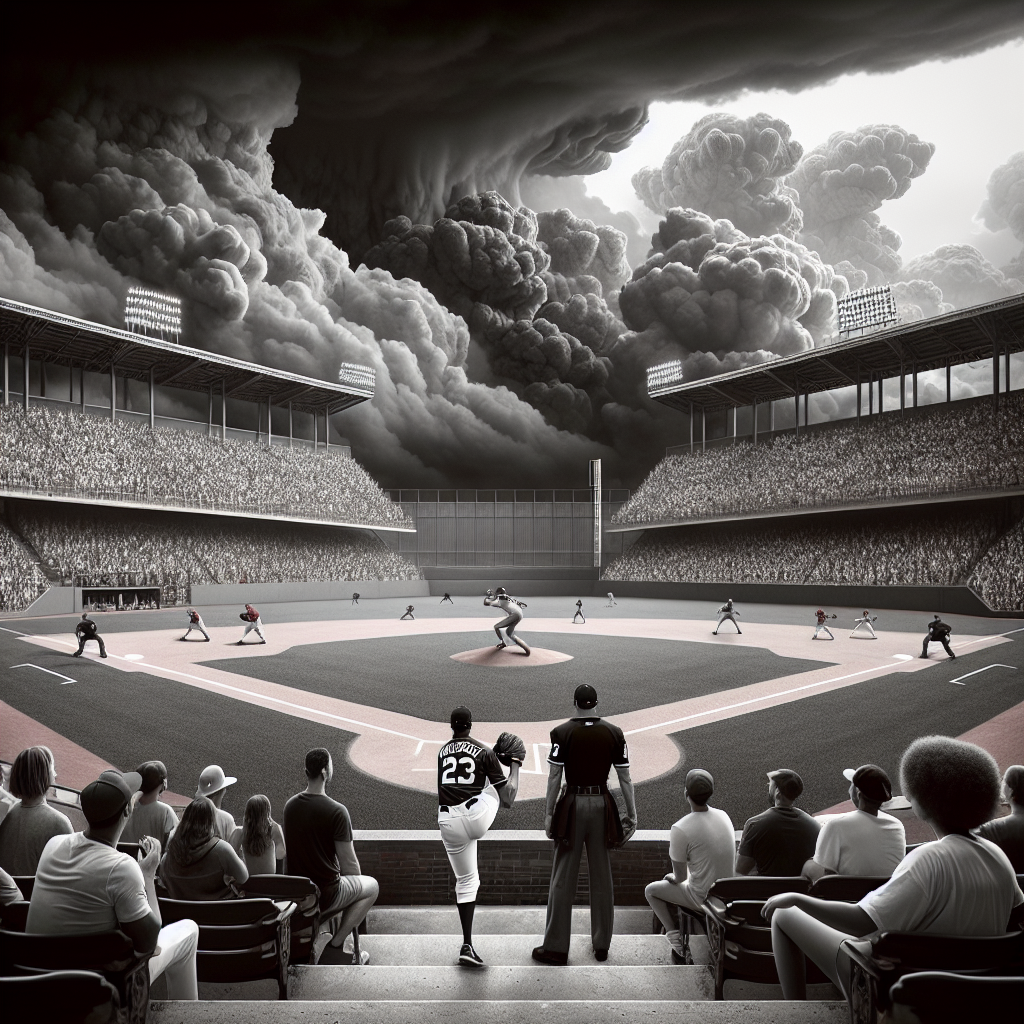
Throughout history, baseball has established itself as more than just a game in the United States; it has become deeply intertwined with American culture and identity. One of the most fascinating aspects of this relationship is how baseball has acted as a beacon of hope and continuity during times of national emergencies. From wars and economic crises to natural disasters and pandemics, baseball has not only survived but has often thrived, offering solace and a sense of normalcy to millions. In this article, we will explore how baseball has played a crucial role during critical times, serving as a reliable constant amid turmoil and uncertainty.
Baseball’s Role During World War II
World War II posed unique challenges and opportunities for baseball. As young American men enlisted in the military, the sport faced a significant talent drain. However, baseball continued to be played throughout the war, offering a sense of continuity and morale-boosting entertainment. President Franklin D. Roosevelt, recognizing the importance of baseball to national morale, famously wrote the “Green Light Letter” to the commissioner of baseball, encouraging the sport to continue despite wartime adversities. This decision underscored baseball’s role as a comforting presence. Games provided a diversion from the harsh realities of war, serving as an escape for both troops abroad and citizens on the home front. Moreover, baseball facilities were repurposed as venues for war bond drives and military training exercises, further integrating the sport into the national war effort.
The Great Depression and America’s Pastime
During the Great Depression of the 1930s, baseball provided much-needed relief and entertainment for people facing financial hardships. Even as unemployment soared and economic despair loomed, baseball stadiums continued to fill with fans seeking a temporary escape from their troubles. In an era when every penny counted, promotions like “Ladies’ Days” were introduced to attract larger audiences. The sport also witnessed some of its most legendary players during this time, such as Babe Ruth and Lou Gehrig, who became symbols of resilience and excellence. Major League Baseball adapted to the economic climate by lowering ticket prices and implementing cost-saving measures, ensuring that the game remained accessible to a struggling populace. Baseball offered a rare opportunity for people to rally together, find common ground, and experience joy during difficult times, reinforcing its place as a social adhesive.
Baseball After 9/11: Unity in Tragedy
The terrorist attacks on September 11, 2001, brought the entire nation to a standstill, including the world of sports. In the face of tragedy, baseball played a pivotal role in the nation’s healing process. Games were postponed immediately following the attacks, but when play resumed, baseball became a powerful symbol of resilience and recovery. Perhaps one of the most emblematic moments was President George W. Bush’s ceremonial first pitch at Yankee Stadium during the 2001 World Series, which served as a moving display of unity and resolve. Across the country, fans gathered in stadiums, not only to watch baseball but also to participate in collective mourning and express solidarity. Baseball demonstrated its capacity to unite people across diverse backgrounds, reinforcing national identity and promoting a collective path towards healing.

Baseball’s Response to the COVID-19 Pandemic
The COVID-19 pandemic presented unprecedented challenges for baseball. The 2020 Major League Baseball season was delayed, and when it finally began, it was with significant modifications to ensure safety. Games were played without in-person spectators, creating an eerie atmosphere that underscored the severity of the global crisis. Despite these challenges, baseball continued to provide a sense of normalcy and connection, with many fans turning to broadcasts and digital platforms to engage with the sport. Baseball organizations also played a vital role off the field by supporting public health initiatives and providing community aid. Teams and players donated resources, set up testing facilities, and used their platforms to spread awareness about safety measures. Through its adaptive efforts, baseball once again highlighted its role as a community pillar, capable of bringing people together even in isolation.
Technology and Media: Expanding Baseball’s Reach
In times of crisis, technology and media have played a crucial role in keeping baseball accessible to the masses. During national emergencies, when physical attendance isn’t possible or advisable, baseball has successfully harnessed the power of television, radio, and digital platforms to reach its audience. Technological advancements have allowed fans to stay connected to the game through live-streaming services, interactive social media experiences, and engaging commentary. This expansion of baseball’s reach ensures that its comforting presence can transcend physical limitations and continue to bring joy and a sense of community to fans worldwide. Over the years, baseball’s embrace of technology has helped it remain relevant, adaptable, and able to respond dynamically to crises while keeping its traditions alive.
The Future of Baseball in Emergencies
As the world continues to face new challenges, the lessons of the past provide valuable insights into the resilience of baseball as a symbol of hope and continuity. Moving forward, the sport will likely continue to innovate and adapt, finding new ways to connect with fans and provide solace during uncertain times. This might involve further integration of technology, community outreach programs, or collaborative efforts with other sports and entertainment industries. Baseball’s ability to act as a unifying force is likely to persist, drawing from its rich history of overcoming adversity. By maintaining its core values and embracing change, baseball can continue to offer stability and comfort during national emergencies, sustaining its legacy as a cherished aspect of societal continuity.
Conclusion
From wars and economic downturns to terrorism and global pandemics, baseball has consistently played an invaluable role in offering hope and continuity during national emergencies. Its steadfast presence is a testament to its cultural significance and its ability to adapt to the changing times. For generations, baseball has not only been a source of entertainment but also a vital thread in the fabric of American society, reflecting resilience, unity, and an enduring spirit. As we look to the future, baseball will likely continue to serve as a metaphorical bedrock, providing a sense of normalcy and community in times of crisis. It is not just a game; it is a reflection of collective strength, an enduring symbol of hope, and a reassuring constant that echoes the heart and resilience of the nation it represents.