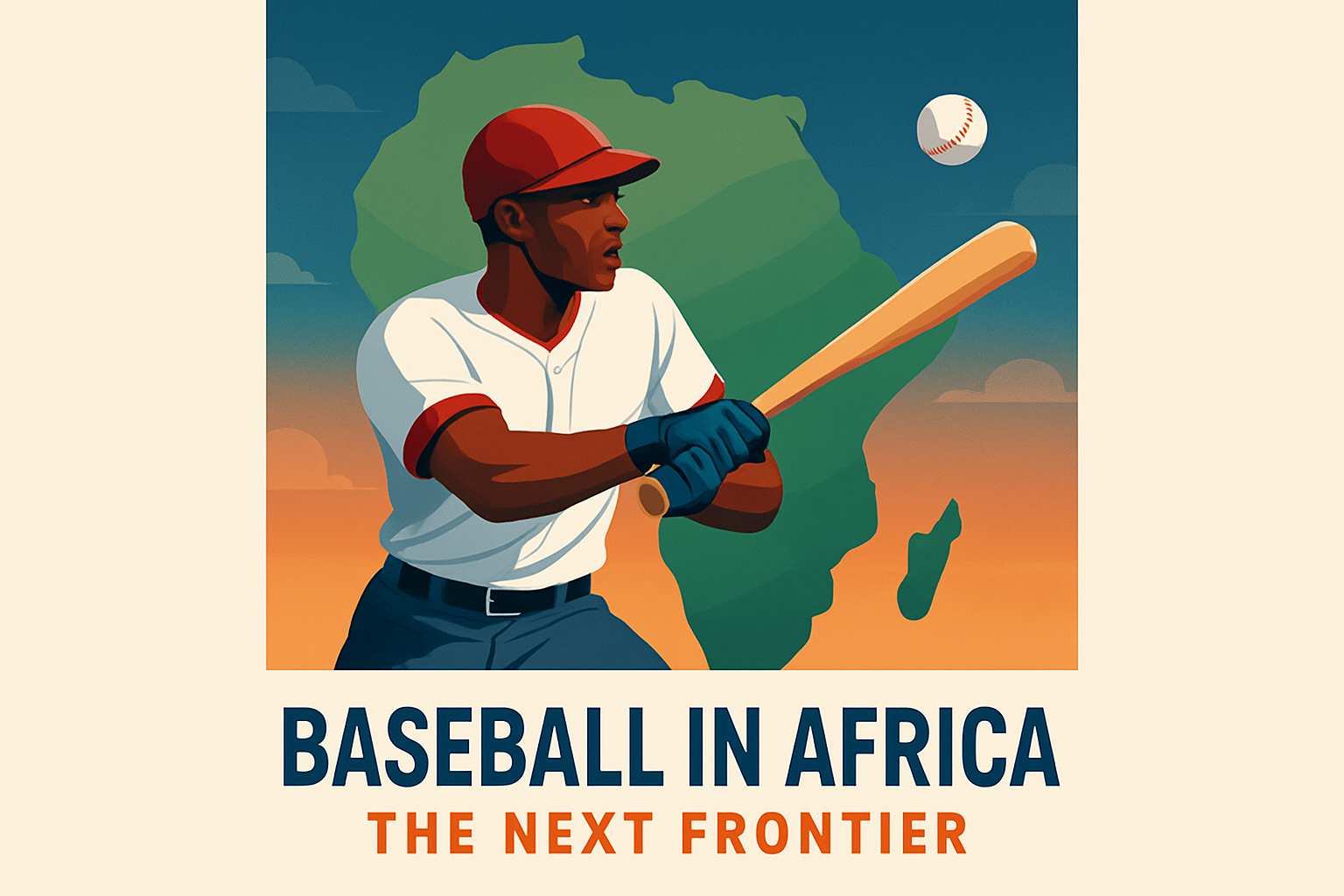
Baseball, a beloved sport predominantly rooted in North America and parts of Asia, has begun to venture into an exciting new frontier: Africa. As the world becomes more interconnected, sports play a significant role in shaping social and cultural landscapes. Baseball’s introduction and expansion across Africa are noteworthy due to the sport’s potential to influence community cohesion, improve physical health, and create opportunities for young athletes on a continent teeming with untapped talent. But what exactly is baseball, and why is it significant as a new avenue for African nations?
Traditionally, baseball involves two teams of nine players each, who take turns batting and fielding. The game is played on a diamond-shaped field and is centered around the pitcher’s mound, where the action begins. The team at bat attempts to score runs by hitting a ball and running through a series of four bases, while the defensive team aims to prevent runs by getting batters out. Often celebrated for its rich tradition and deep strategic elements, baseball has been primarily dominated by countries like the United States, Japan, and the Dominican Republic.
The burgeoning interest in baseball within Africa stands out not only from a sporting perspective but also due to its socio-economic implications. From introducing opportunities for international competition to fostering camaraderie among diverse African communities, baseball’s emergence signifies much more than athletic engagement. This matters because the sport may generate new economic pathways, promote the possibility of becoming a professional athlete, and enhance international relationships. Over the next sections, we delve into the sport’s gradual rise in African countries, its challenges, and its broader impact on communities and economies. Come join us as we explore whether Africa could indeed be the next big thing in the world of baseball.
The Spread of Baseball Across African Nations
In recent years, several African nations have begun adopting baseball at varying levels of enthusiasm and infrastructure development. Historically, sports like soccer and basketball have been dominating the African sports scene, but the tide is beginning to change. South Africa, Kenya, Uganda, and Nigeria are among the leading countries where baseball is gaining ground. Initiatives, primarily through local federations and international partnerships, have played a crucial role in spurring interest in the sport.
A prime example can be seen in Kenya, where the formation of the Baseball Federation of Kenya has aggressively promoted the sport in schools and communities. The Federation organized introductory clinics and training camps, drawing in young athletes and educating coaches nationwide. Such grassroots efforts have already begun to showcase the talent and passion that exist on the continent. The Federation’s partnership with U.S.-based baseball organizations has further ensured the sharing of expertise and material resources.
This spread is not limited to East Africa. In West Africa’s Nigeria, baseball clubs have been established with strong links to Japanese baseball organizations. With a population of over 200 million people, Nigeria shows immense potential for nurturing baseball talent. Collaborative efforts have ensured that equipment, which was initially a challenge, has become increasingly accessible.
Challenges Facing Baseball’s Adoption in Africa
Despite promising developments, establishing baseball as a mainstream sport in Africa involves navigating a range of challenges. Infrastructural limitations are paramount. Baseball fields need specific dimensions and maintenance, which can be resource-intensive compared to soccer fields, typically more prevalent. Additionally, the scarcity of baseball equipment like gloves, balls, and bats poses significant roadblocks to widespread adoption.
Furthermore, the limited pool of experienced coaching staff familiar with baseball’s tactical and technical nuances remains a hurdle. Establishing a training framework to develop local coaches is vital for sustainable growth. Initiatives to tackle this issue include hosting international coaching clinics and exchange programs focused on skill development.
Another significant challenge is the traditional preference for more established sports among Africans. While baseball may intrigue the younger demographic, it struggles to penetrate the broader cultural consciousness, heavily entrenched in soccer and athletics. Therefore, positioning baseball as a complementary sport rather than a competitive one could be strategic. Nonetheless, governing bodies continue to seek creative solutions to overcome these obstacles, often integrating baseball training within multi-sport athletic programs.
The Role of International Partnerships
International collaborations have been paramount in the promotion and development of baseball in Africa. Several organizations and baseball leagues worldwide have recognized the continent’s potential and have stepped in to provide much-needed support. For instance, Major League Baseball (MLB) has launched the MLB Africa Development Program aimed at scouting and fostering young talent across the continent.
Moreover, Japanese baseball, known for its excellence and competitiveness, has been instrumental in providing training, coaching, and events that cater to growing interest. Such partnerships bridge the gap in expertise and enrich the local sporting landscape, thus paving the way for eventual participation in international competitions.
The partnership model is further reinforced through organized international tournaments and exposure trips. For example, young African players have had the opportunity to participate in youth development tournaments in the United States and Japan, which not only refine their skills but also instill confidence by competing on global platforms.
Baseball’s Socio-Economic Impact on Communities
The rise of baseball within African communities brings with it far-reaching socio-economic benefits. Significant among them are community development and youth empowerment. By engaging young athletes, baseball instills important values such as teamwork, dedication, and discipline. Notably, it also encourages school attendance and academic performance, as many programs emphasize education alongside athletics.
Economically, the establishment of baseball leagues has the potential to create job opportunities in coaching, marketing, and administration. This budding sports industry can integrate with local businesses in sports retail and tourism, benefiting the wider economy. In Uganda, for instance, baseball tournaments have attracted tourists and boosted small enterprises catering to the influx.
Baseball also plays a pivotal role in promoting social inclusion, breaking down socio-economic barriers. Community programs often provide free access to baseball facilities and equipment in underprivileged areas, ensuring broad participation. Creating such inclusive environments fosters unity and celebrates diversity, drawing parallels with broader social cohesion goals.
Success Stories and Future Prospects
Highlighting success stories permits a closer look at the positive trajectory of baseball in Africa. Uganda provides a notable case study with its Little League teams achieving international recognition. The success of Uganda’s youth teams in the Little League World Series is a testament to the potential that can be harnessed with proper guidance and resources.
With growing athletic prowess, young African baseball players are starting to attract attention from scouts for colleges and professional leagues abroad, thus forging a new path for aspiring baseball stars on the continent.
Moreover, the future prospects for baseball in Africa are brightened by elevating visibility through digital media and growing local fan bases. As more Africans learn about baseball through social media platforms, interest continues to build organically, setting a robust foundation for sustained growth. The momentum gained indicates that Africa, with its youthful population and athletic potential, is well poised to become a significant contributor to the global baseball community.
| Region | Notable Baseball Activities | International Partnerships |
|---|---|---|
| East Africa | Youth tournaments, coaching clinics | US and Japan collaborations |
| West Africa | Baseball clubs, community integration | Japanese baseball federations |
| Southern Africa | Schools inclusion programs, regional leagues | Major League Baseball (MLB) support |
Conclusion: The Path Forward for Baseball in Africa
In conclusion, the emergence of baseball in Africa exemplifies a new chapter in the continent’s sporting journey, full of promise and potential. The introduction of baseball is not merely about embracing a new sport; it is about unlocking opportunities and transforming communities through inclusivity, discipline, and economic upliftment. While challenges remain, particularly in infrastructure and cultural integration, the spirited efforts of federations, international partners, and local communities point towards a brighter future.
Baseball in Africa offers a vibrant and untapped frontier, with the potential to contribute to the sport globally. As interest continues to grow, the focus should be on nurturing homegrown talent and fostering partnership-driven pathways for sustained development.
To further support baseball’s expansion in Africa, everyone—athletes, coaches, enthusiasts, and policymakers—can play a role by promoting awareness, engaging in community programs, and driving investment into sports infrastructure. With collective commitment and continued collaboration, Africa may soon be recognized as a driving force in the global baseball arena. Are you ready to become part of the next big thing in African sports? Look out for local baseball games, engage your community, and witness firsthand the exciting evolution taking place across the continent.
Frequently Asked Questions
1. Why is baseball expanding into Africa?
Baseball’s expansion into Africa is driven by several compelling factors. Firstly, globalization and interconnectedness are leading sports organizations to seek new markets to grow the sport’s popularity and discover fresh talent. Africa, with its vast population and youthful demographic, presents an ideal opportunity to develop the sport. The continent’s varied landscapes and athletic talent offer a unique potential to cultivate a rich baseball culture. Additionally, introducing baseball in Africa can play a crucial role in promoting community cohesion and unity. Sports, in general, provide platforms for individuals from diverse backgrounds to come together, share experiences, and enhance social bonds. As baseball becomes part of the African sporting fabric, it has the potential to uplift communities, foster inclusivity, and offer a sense of pride and identity.
2. What benefits does baseball bring to African communities?
Baseball provides numerous benefits to African communities beyond the thrill of the game itself. Firstly, it can contribute significantly to physical health. Playing baseball involves a range of physical activities, from sprinting and jumping to throwing and batting, which promote fitness and well-being among participants. Moreover, baseball serves as a tool for educational enhancement. Participation in sports often correlates with improved academic performance, as it teaches discipline, teamwork, and time management skills. Baseball leagues and schools can motivate young players to balance athletic pursuits with educational goals. On a broader scale, the sport can also provide economic benefits. As baseball grows, there are opportunities for job creation, from coaching and administration to marketing and sports facilities management. Lastly, baseball can be a platform for young athletes to showcase their talent on international stages, potentially opening doors to scholarships, professional careers, and a brighter future.
3. How is baseball being promoted and developed across Africa?
Several initiatives and collaborations are in place to promote and develop baseball across the African continent. These efforts often involve partnerships between local sports organizations, international baseball federations, and philanthropic entities dedicated to sports development. Workshops and clinics led by experienced coaches are regularly organized to introduce the sport to new regions and improve the skills of aspiring players. Grassroots programs play a critical role in this development, targeting schools and community centers to create a nurturing environment for young players. Additionally, tournaments and competitions are being established to spark interest and provide platforms for players to demonstrate their abilities. In some cases, advocacy for baseball is also supported by former professional baseball players and sports ambassadors who bring expertise and inspiration to these initiatives.
4. What challenges does baseball face in becoming popular in Africa?
Despite its potential, baseball faces several challenges in gaining popularity in Africa. Firstly, there is a lack of infrastructure and resources required to support the sport. Baseball diamonds, equipment, and qualified coaches are often scarce, making it difficult for new players to get involved. To this end, investments are needed to build facilities, provide equipment, and train local coaches throughout the region. Additionally, baseball is competing with more established sports like soccer and athletics, which have deep-rooted traditions and widespread fan bases in Africa. Building interest and relevance for baseball in communities where other sports dominate requires strategic marketing and advocacy. Awareness and appreciation for the sport need to be cultivated through media, school programs, and positive athletic role models.
5. How can young African athletes benefit from pursuing baseball?
Young African athletes stand to gain numerous advantages from pursuing baseball. For those with talent and commitment, baseball presents new opportunities on both local and international stages. With proper development and exposure, young players can earn scholarships to study and play baseball abroad, combining athletic growth with education. A career in professional baseball is also a possibility, offering financial stability and recognition for skill. Beyond individual achievements, involvement in baseball fosters valuable life skills such as teamwork, leadership, and resilience. Young athletes learn about perseverance, accepting success and failure, working collaboratively, and setting goals – lessons that are transferable to other areas of life and critical to personal growth. Additionally, these athletes often become role models in their communities, inspiring peers and future generations to embrace the power of sport.