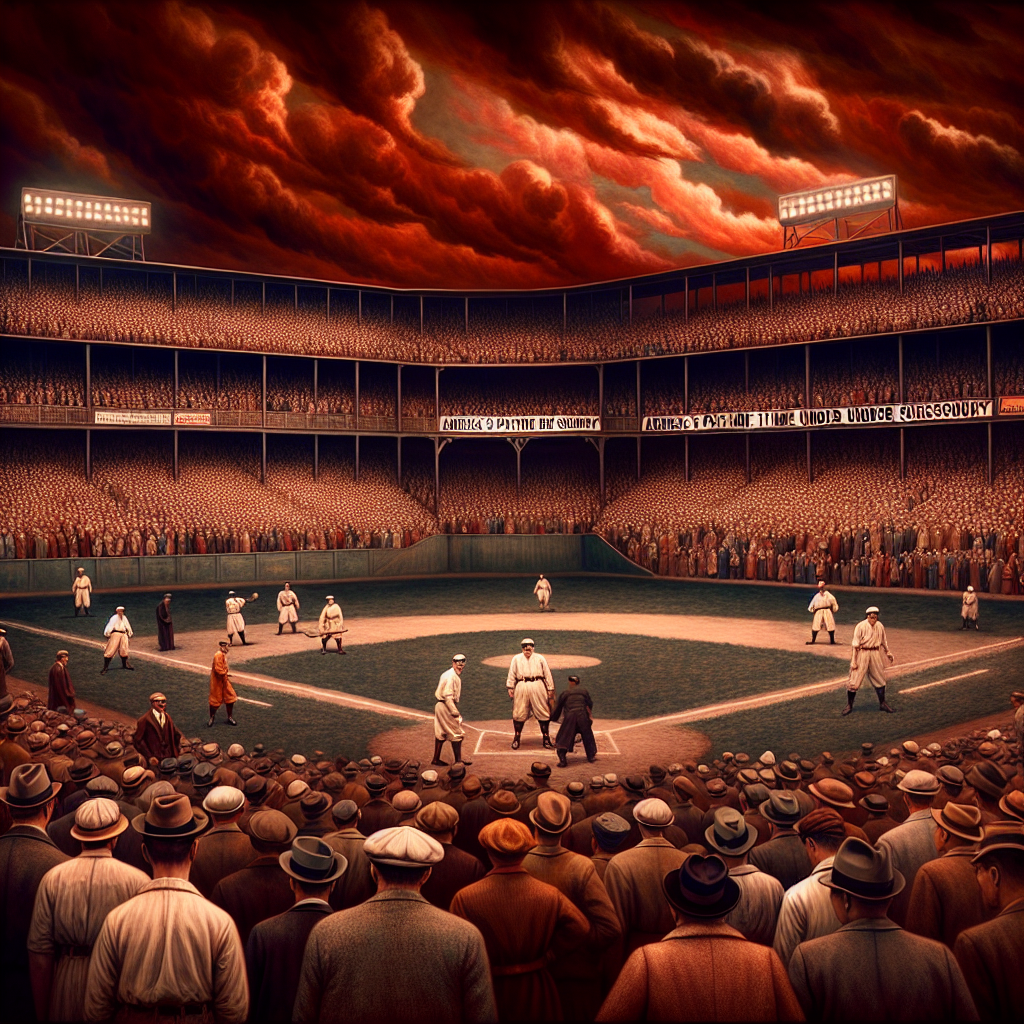
Baseball, often referred to as America’s pastime, has always been more than just a game in the United States. It’s a cultural phenomenon that has reflected societal changes, tensions, and evolutions over the decades. One of the most tumultuous periods in American history, the Cold War era, specifically the Red Scare, brought intense scrutiny and suspicion across various facets of American life, including the baseball diamond. During this time, baseball became a lens through which the paranoia of communism infiltrating American values was both reflected and, sometimes, exacerbated.
The Influence of McCarthyism on Baseball
The post-World War II years saw the rise of McCarthyism, named after Senator Joseph McCarthy, who epitomized the fervent anti-communist sentiment that gripped the nation. In the pursuit of rooting out communism, countless individuals and institutions came under the microscope of suspicion, and baseball was not immune. The sport, while a symbol of American tradition and values, saw its own share of scrutiny as players, officials, and fans were subjected to paranoia that any un-American behavior might hint at communist sympathies.
Efforts to maintain baseball as a patriotic bastion included public denunciations of communism by key figures in the sport and even some teams’ overt displays of patriotism. Clubs organized loyalty oaths for their employees, including players. Speaking against this practice deemed draconian might see one ostracized or viewed as suspect. McCarthyism’s pervasion meant baseball had to walk a fine line between being an inclusive sport while combating perceptions that it harbored potential security threats.
Symbolism and Nationalism on the Field
Baseball games during this era became ceremonies of nationalism. The national anthem, traditionally part of the pre-game ritual, took on even greater significance, becoming a tool of political expression against communism. Spectators and players alike were encouraged to demonstrate their patriotism vociferously. The game, thereby, was not just entertainment but a demonstration of American identity.
Ballparks across the nation adorned themselves with American flags, and Mondays became Patriotic Days. Baseball players, including high-profile stars, were expected to voice their support of American ideals publicly. This expectation stemmed from a belief that athletes held significant influence over the public’s conception of American values. As bearers of American culture, their participation in reinforcing anti-communist sentiment became viewed as crucial to sustaining the American spirit.
Baseball Stars Under Scrutiny
The lives of baseball stars during the Red Scare were far from private. With fame came the expectation to serve as paragons of American virtues. Allegations of communist sympathies could tarnish or even end a player’s career. Equally precarious was associating with known dissenters or voicing unorthodox opinions, both of which invited scrutiny and potential degradation of one’s reputation.
Some players indeed found themselves targets of such allegations. Managers and owners conducted their own investigations, sometimes using private investigators to verify the loyalty of their team members. Those found wanting in fervent showings of nationalism could face fines, suspension, or expulsion, which often left lasting damage on their careers and public lives. Amidst this backdrop, silence often spoke louder than words, as open political discourse was seldom safe for players during this era of rampant suspicion.
Role of Media and Public Perception
The media played a pivotal role in maintaining the narrative of baseball as an uncompromised American institution. Reporting on baseball often intermingled with stories of patriotism and anti-communism efforts. Newspapers and newsreels reinforced the perception of baseball as a stronghold against the perceived communist threat by highlighting player patriotism.
However, the media were also conduits for accusation. Reports on alleged player sympathies fell into public discourse, often creating or perpetuating suspicion. Public perception, spurred by sensationalist journalism, could rapidly shift against a player or manager considered unpatriotic, even before any concrete evidence came to light. This scrutinization of public figures catalyzed a shift in both fan loyalty and player behavior, pressuring athletes to conform to patriotic expectations both on and off the field.
Cultural Reflection and Re-evaluation
In hindsight, baseball during the Red Scare serves as a reflective microcosm of American society at that time, encapsulating the pendulum swings between paranoia and nationalism. The period illustrates how societal forces beyond the field affected the sport, influencing not only policies within teams but also broader perceptions of identity and loyalty. Amid mounting pressures, many within the baseball community reassessed and evaluated what it meant to be American, and how much personal freedom and privacy were worth the veil of patriotic duty cast over them.
Such reflection became particularly pertinent when the Red Scare’s intensity began to wane. As the fervor of McCarthyism ebbed, so too did the unabashed linking of patriotism with the national pastime. Baseball emerged from this period incrementally more inclusive, learning from its experiences amidst paranoia, though not without scars from the era’s inquisitorial nature.
Conclusion: Baseball’s Legacy from the Red Scare
In the context of the Red Scare, baseball emerged as a battleground of ideologies and assumptions, tested by an America in turmoil. The legendary sport’s interaction with Cold War anxieties exemplifies how it stood as a seemingly immutable institution yet remained profoundly susceptible to the undercurrents of its time. The legacy left by this era is one of complexity, as baseball simultaneously embraced nationalistic broadcast while navigating the underbelly of suspicion that threatened its ethos.
Reflecting on baseball’s role during the Red Scare highlights the broader struggles faced by those seeking to balance the dual imperatives of embracing tradition and progressing beyond prejudicial fears. Baseball’s history during this period acts as a poignant reminder of the enduring power held by cultural symbols in both unifying and fracturing society. It underscores the intersection of sport and politics, casting the ball field in not merely an arena for athletic excellence but as a testament to American resilience, adaptability, and ultimately, reconciliation with its collective conscience.