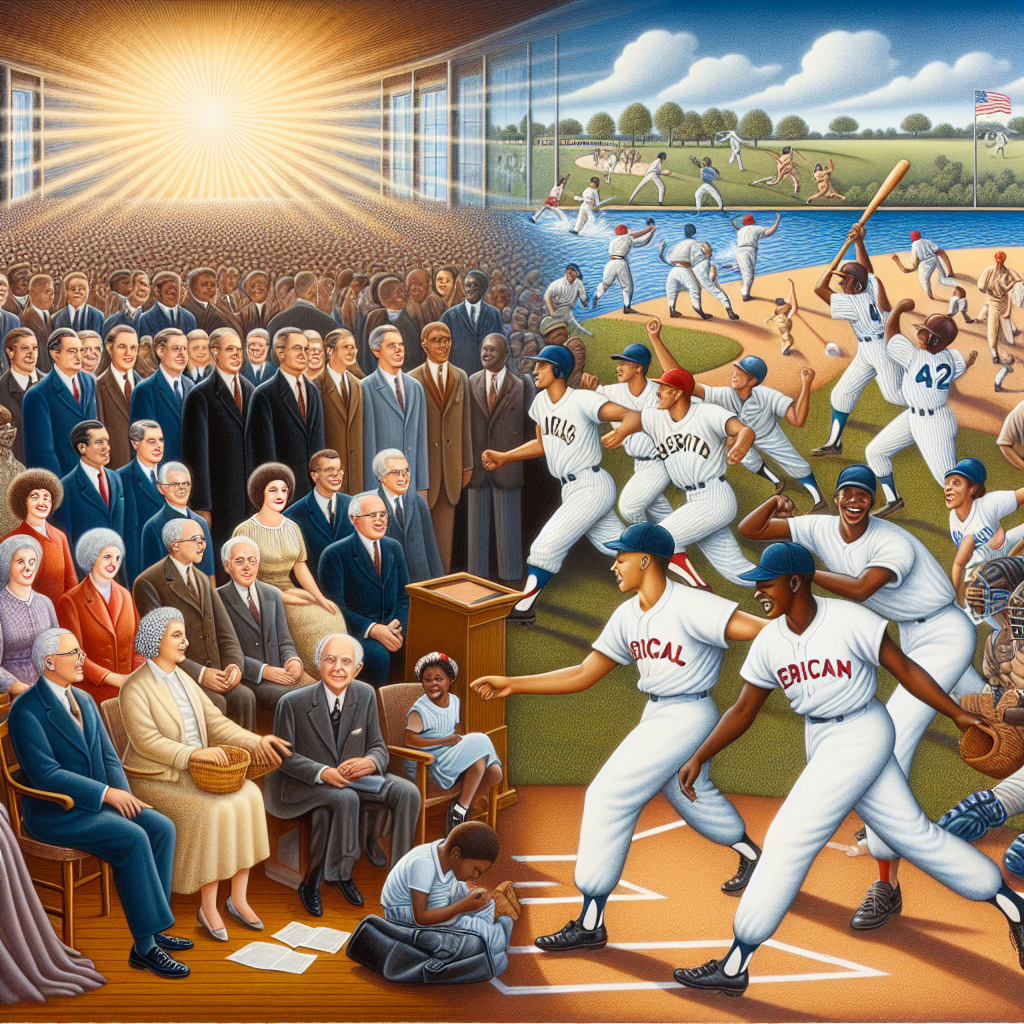
The history of baseball is as rich and vibrant as the American tapestry itself. As a sport that has mirrored American society for more than a century, baseball provides a unique lens through which to view societal changes, conflicts, and progressions. In the context of civil rights, baseball has been an essential arena where cultural battles have played out, most notably leading up to and following the Civil Rights Act of 1964. This monumental legislation not only transformed American society at large but also had significant ramifications on the game of baseball. Leading up to the 1960s, baseball was a microcosm of America’s racial tensions, yet it was also a platform for extraordinary contributions towards social justice. In examining baseball’s relationship with the Civil Rights Act of 1964, we uncover a narrative of struggle, triumph, and ongoing evolution.
The Civil Rights Act of 1964 was enacted to dismantle major forms of racial discrimination and segregation throughout the United States, addressing issues in schools, employment, public facilities, and voting. Its implications were far-reaching, including in spheres that seemingly stood apart from politics, like sports. Baseball, often dubbed “America’s pastime,” was no stranger to the racial injustices that plagued the nation. Before this act, despite trailblazers like Jackie Robinson breaking the color barrier in 1947, deeply entrenched biases and discriminatory practices persisted across leagues. Clubhouses, reporting spaces, and spring training facilities in segregated areas still reflected the broader societal prejudices. The passage of the Civil Rights Act was a critical juncture that helped set a new standard for racial equity and inclusivity in baseball.
The Initial Integration of Baseball
The integration of baseball began in earnest with Jackie Robinson’s integration into Major League Baseball (MLB) with the Brooklyn Dodgers. This event was a watershed moment in American social history, defying long-standing racial barriers. Robinson’s courage and ability to excel amidst intense racial prejudice set a precedent, inspiring subsequent generations of African American athletes. However, integration was less about an immediate, sweeping change and more a gradual, often contested process that unfolded over nearly two decades. Many teams were slow to integrate, in part due to owner resistance, player prejudices, or economic calculations. The Negro Leagues provided a refuge and a proving ground for African American talent during these years, though these leagues would gradually decline as black players were absorbed into MLB.
The struggles of these early African American players extended beyond the baseball diamond. In segregated cities, they often faced the indignity of separate and substandard hotels and dining facilities. Their experiences mirrored broader societal struggles against a deeply entrenched system of systemic discrimination. Yet, they also became symbols of perseverance and determination, role models who encouraged broader societal change. The stories of athletes like Hank Aaron, Willie Mays, and Ernie Banks epitomized the challenges and triumphs faced during this transitional period. These figures not only contributed to the sport but also served as champions of civil rights in their own right.
Baseball as a Reflection of Societal Attitudes
As baseball integrated, it functioned as a barometer for the mood of the nation. The push for civil rights in America during the 1950s and 60s drew strength from various segments of society, including sports. Martin Luther King Jr. famously quoted Jackie Robinson on how sports had predicted racial integration. The gradual acceptance of African American players into the major leagues echoed—albeit slowly—the burgeoning movement towards racial equality. Public perception of baseball figures during this time generally aligned with their stances vis-à-vis racial integration. For instance, staunch critics of integration witnessed their clubs falter or become irrelevant, while those embracing change often prospered.
Moreover, baseball clubs became microcosms of broader American communities, embodying a diverse array of feelings towards race relations. For instance, northern clubs more easily embraced African American talent, partly due to less institutional racial barriers compared to their southern counterparts. Nevertheless, the struggles within baseball managed to spotlight broader issues and alter public consciousness in tangible ways. The integration of baseball served as both a symptom of and a catalyst for broader changes in the American societal landscape, sparking conversations around fairness, opportunity, and justice at a national scale.
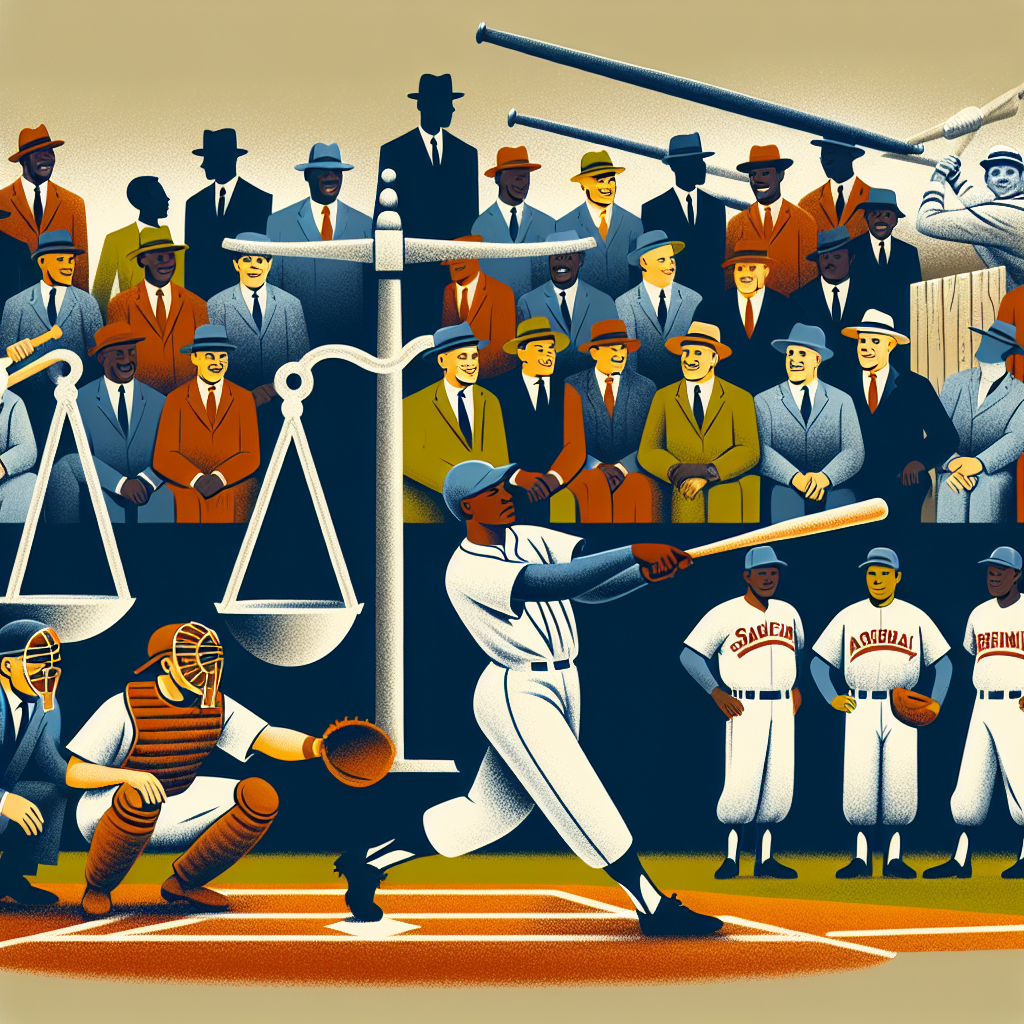
The Civil Rights Act of 1964 and Its Direct Impact on Baseball
With the enactment of the Civil Rights Act of 1964, baseball found itself pushed into a new era. The policies mandated by the act stripped away the legality of discrimination, forcing baseball organizations to align with federal law. This restructuring had profound implications for hiring practices, team locations, and player treatment. Teams could no longer legally segregate their facilities, meaning all players, regardless of race, were entitled to the same accommodations and opportunities. The Civil Rights Act effectively dismantled the formal barriers within baseball, aligning its practices with the newfound legal norms of a rapidly changing America.
At a grassroots level, the act empowered more African American players to pursue baseball at the minor league levels without the fear of systemic exclusion through policies or informal industry practices. It also influenced baseball administration, with African American executives finding emerging opportunities that had previously been inaccessible, albeit still limited. This legal backing underscored a new configuration where meritocracy took precedence over racial bias, thus encouraging more diversity both on and off the field.
Long-term Effects and Transformation
The long-term effects of the Civil Rights Act of 1964 on baseball go beyond just player demographics. As the act provided the legal means to challenge discriminatory practices, baseball saw a gradual increase in representation across teams and executives. Beyond ethnoracial composition, the act also influenced the language and policies around inclusion within league frameworks. This included broader concessions for international players, who found a more welcoming environment thanks to the legally mandated inclusivity and methodology for addressing grievances.
Nonetheless, the complexities of systemic racism remained, and even with these advancements, African American representation in baseball today doesn’t reflect a simple upward trajectory. The talent pipeline for black athletes has seen fluctuations due to socioeconomic factors, disparities in youth baseball funding, and competition from other sports like basketball and football. Despite this, baseball continues to strive towards a more inclusive environment, committed to diversity and equality as part of its heritage post-1964.
Baseball as a Catalyst for Broader Social Change
Baseball’s evolution in the wake of the Civil Rights Act also highlights its role as a catalyst for broader social change. By complying with civil rights legislation, baseball effectively navigated new policies that were progressively adopted across other professional sports. Baseball’s response to the Civil Rights Act set a precedent, illustrating how organized sports could adopt federal legislative changes and apply them effectively for organizational success and societal impact.
Furthermore, baseball has increasingly focused on community engagement and outreach, working to bridge existing racial divides through educational programs, community events, and youth leagues. These efforts align with the spirit of the Civil Rights Act, emphasizing equality, respect, and opportunity across diverse communities. As baseball continues to adapt to contemporary societal challenges, it often reflects and supports wider cultural shifts towards equity and justice, staying true to its roots as a transformative element in American sports and society.
Conclusion
The impact of the Civil Rights Act of 1964 on baseball cannot be understated. It marked a pivotal moment, not just in the desegregation and integration of sports but as a phase in the ongoing struggle for civil rights in America. By fostering an environment where talent could thrive irrespective of race, baseball both mirrored and pioneered racial equality efforts. Through its gradual transformation and alignment with broader societal changes, baseball underscored the interconnectedness of sports, legislation, and societal progress.
The post-1964 baseball landscape reflects transformative strides toward inclusivity, despite ongoing challenges and necessary improvements. The sport’s history in addressing racial inequality serves as a blueprint and a reminder of the power of advocacy, legal frameworks, and relentless pursuit of justice. In ways both symbolic and substantive, baseball’s journey alongside the Civil Rights Movement illustrates how deeply American sports is woven into the fabric of civil rights history. As baseball continues to evolve, it remains a testimony to resilience and change, forever intertwined with the story of the Civil Rights Act of 1964.
Frequently Asked Questions
1. How did baseball reflect the societal changes brought about by the Civil Rights Act of 1964?
Baseball, often called America’s pastime, has long been more than just a sport in the United States; it’s a microcosm of American society itself. The Civil Rights Act of 1964 was a landmark piece of legislation that outlawed discrimination based on race, color, religion, sex, or national origin, profoundly impacting all aspects of American life, including sports. Before the Act, baseball was a space where segregation was deeply ingrained, from separate seating in the stands to racial quotas on teams. The Act catalyzed change by legally invalidating the policies that maintained racial barriers. This shift was mirrored on and off the field as teams began to desegregate in earnest and integrate players into the sport. The presence of diverse player rosters and more equitable treatment of athletes regardless of their skin color started to challenge longstanding racial prejudices, highlighting baseball’s role as both a driver and a reflection of societal progress. The Act pushed the MLB and other leagues towards embracing equality, thus making the game a powerful symbol of the evolving public consciousness.
2. What role did Major League Baseball (MLB) play in the civil rights movement and how did it respond to the Civil Rights Act?
Major League Baseball’s role in the civil rights movement was both reflective and proactive. Historically, MLB’s integration started before the Civil Rights Act, with Jackie Robinson breaking the color barrier in 1947. However, after the Act’s passage, MLB accelerated its commitment to dismantling racial barriers, aligning with the national momentum for equality. The league began actively recruiting and promoting African American players, who had been historically marginalized and underrepresented. This effort went beyond mere compliance; it became an active engagement with civil rights issues, such as encouraging community outreach in racially diverse areas. MLB’s response to the Act demonstrated how sports could be a vehicle for social change by showing a commitment to fairness and equality, making it an empowering force for underrepresented communities. Players and executives started using their influence to advocate for further progress within the game, ensuring baseball was not just following legal mandates but also championing justice and equality on its own terms.
3. How did the Civil Rights Act of 1964 impact representation and opportunities for African American baseball players?
The Civil Rights Act of 1964 significantly transformed the landscape of professional baseball for African American players by leveling the playing field in terms of opportunity and representation. Before the Act, African American athletes faced systemic discrimination, from lower salaries and fewer endorsements to limited chances for coaching or managerial roles. The legislation’s passage made it illegal to discriminate based on race, thereby increasing opportunities for African American players to excel and advance in their careers on the same merits as their white counterparts. The impact was evident in the growing number of African American players entering and succeeding in the league, the increasing presence of African American managers and front-office staff, and the fairer treatment and recognition of talent across racial lines. The Act opened doors not only for players from different racial backgrounds but also encouraged clubs to explore a more international talent pool, enriching the game with global diversity that would have remained untapped without these legal guarantees.
4. How did attitudes and relationships within baseball teams change following the Civil Rights Act of 1964?
Following the Civil Rights Act of 1964, attitudes and relationships within baseball teams began to shift significantly as clubs moved toward genuine integration. Prior to the Act, team dynamics were frequently marred by racial tensions and segregationist attitudes. However, as the Civil Rights Movement gained momentum and public consciousness shifted towards equality, teams started to embrace diversity as a competitive advantage. Integrated locker rooms and travel accommodations became more common, fostering camaraderie and understanding among players of different backgrounds. The acceptance of players based on skill, rather than racial background, led to the breakdown of stereotypes and prejudices. Coaching tactics became more inclusive and equitable, as managers worked to unify players under common goals regardless of race. These changes in team dynamics allowed baseball to become a place where meaningful friendships and professional respect could blossom across racial lines, echoing the broader societal transformations happening across the country.
5. Can you give examples of some key figures in baseball who were instrumental in driving the changes prompted by the Civil Rights Act?
Several key figures in baseball played pivotal roles in advancing the changes brought about by the Civil Rights Act of 1964. Jackie Robinson remains an iconic figure, even though he broke the color barrier before the Act’s passage, his legacy continued to inspire the ongoing fight for equality. Players like Hank Aaron and Frank Robinson emerged as powerful advocates for civil rights, using their platforms to speak against racial injustice and champion fairness within the sport. Additionally, executives like Branch Rickey, who initially signed Jackie Robinson, continued to press teams to adopt inclusive policies. Moreover, Bill Veeck, known for his progressive views, was instrumental in integrating baseball teams, including signing Larry Doby as the first African American in the American League. These individuals and others functioned as catalysts within their teams and the league at large, leveraging their influence to dismantle discriminatory practices and promote an environment of inclusivity and equal opportunity, leaving an enduring impact on the sport and society alike.