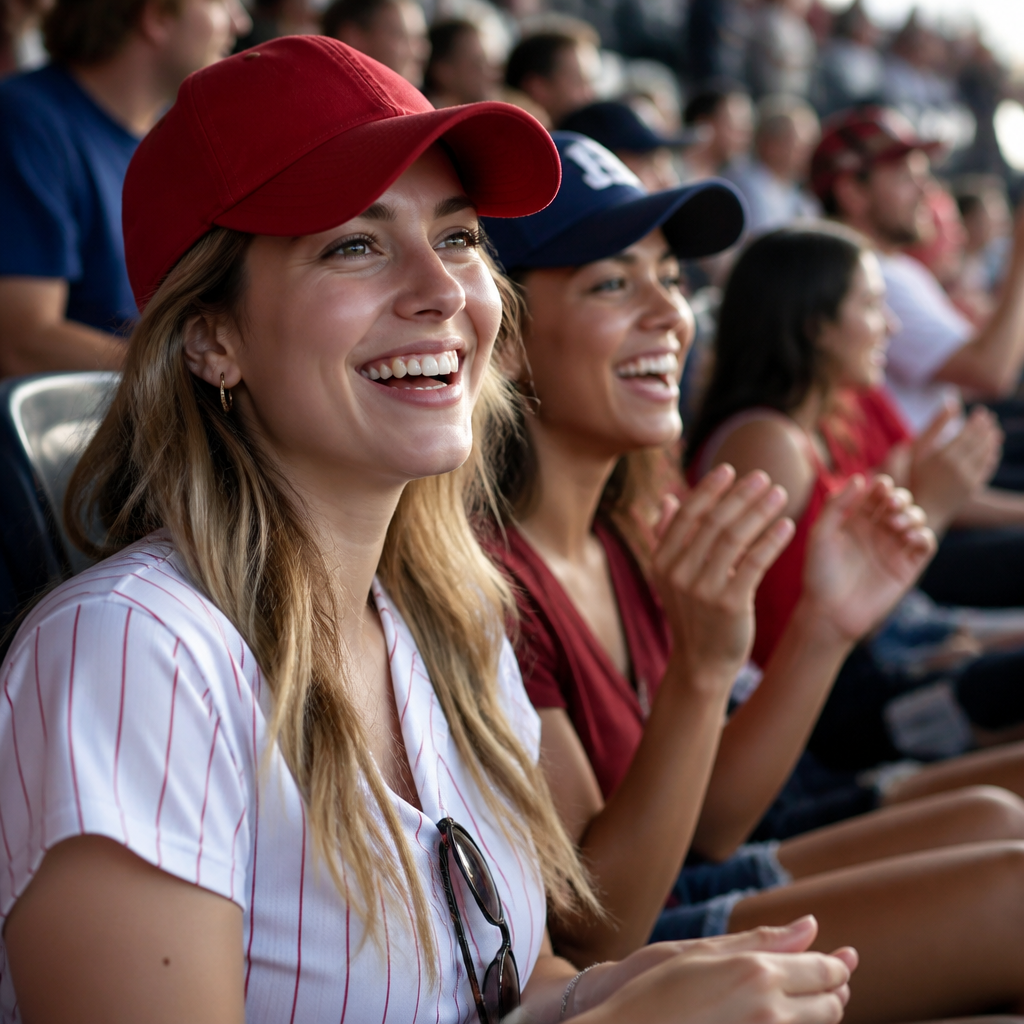
Baseball fan culture has never been shaped by one type of person, and any honest look at the sport reveals that women have long influenced how games are watched, discussed, marketed, remembered, and passed from one generation to the next. In the context of women in baseball, the fan experience includes every touchpoint surrounding the game: attending in person, following broadcasts, buying merchandise, participating in fantasy leagues, creating online communities, preserving team history, and introducing children and friends to the sport. Women are central to all of it. That matters because fan experience drives revenue, identity, and longevity for baseball organizations. Teams can survive losing seasons more easily than they can survive a weak emotional bond with supporters. From my work evaluating sports audience behavior and stadium communication, I have seen that the most resilient fan bases usually depend on women doing visible and invisible labor that keeps baseball socially alive. Understanding that role gives clubs, media outlets, and community groups a better framework for growing the game with more accuracy and far less stereotype.
Historically, women were often described as occasional spectators or marketing targets, but that framing misses their real influence. Women have been ticket buyers, scorekeepers, radio listeners, souvenir collectors, season-ticket decision makers, youth baseball organizers, bloggers, podcasters, and social media moderators. They have shaped traditions in major league parks and local diamonds alike. They also influence what baseball feels like emotionally. A fan experience is not only whether the sightlines are good or the concessions are fast. It is whether a family feels welcome, whether a first-time attendee understands the pace of play, whether a team’s story is told in ways that include everyone, and whether communities can see themselves reflected in the sport. Women help determine those outcomes. For a hub article under women in baseball, this miscellaneous branch matters because it connects many related discussions: women as consumers, historians, creators, community leaders, critics, and advocates for better environments in and around the game.
Women as builders of baseball community
Women shape baseball fan experience first by building community around the sport. In practical terms, that means organizing watch parties, coordinating Little League schedules, sustaining season-ticket groups, and keeping intergenerational fandom active. Many clubs have long relied on family purchasing patterns in which women influence whether a baseball outing happens at all, especially when games compete with other entertainment choices. I have seen teams study household spending data and discover that “the baseball fan” is rarely a lone individual making isolated choices. The decision is often social, and women frequently lead that social planning. They choose game dates, compare ticket bundles, evaluate parking and safety, and decide whether the event is worth repeating.
Community building also happens outside the ballpark. Women run neighborhood fan clubs, alumni associations, booster groups, and digital communities that keep interest strong between games. These spaces are especially important in long seasons, when fan attention can drift. A group text that reminds friends about a pitching matchup, a local Facebook group that shares giveaway schedules, or a podcast that recaps a series can all deepen attachment. Baseball depends on ritual, and women often maintain the rituals that make fandom durable. That includes birthday trips to the ballpark, keeping score at home, collecting ticket stubs, or teaching children why a double switch once mattered in National League play. These are not side notes. They are transmission systems for baseball culture.
How women influence the in-stadium experience
The in-stadium experience is shaped heavily by what women expect and demand from live events. Teams that want repeat attendance must account for comfort, clarity, cleanliness, and safety, all factors women have pushed organizations to take more seriously. Better restroom access, lactation spaces, family-friendly seating sections, clearer security procedures, and more inclusive promotional calendars are not fringe amenities. They affect whether fans stay longer, spend more, and return. Across sports, venue operators now track net promoter scores, concession wait times, and guest services interactions because the live experience must compete with high-definition broadcasts at home. Women’s feedback often exposes problems that legacy baseball operations ignored for too long.
Promotions provide a concrete example. Early “ladies’ day” concepts treated women as a novelty audience. Modern clubs increasingly create programming that respects women as knowledgeable fans rather than decorative attendees. Theme nights tied to local women’s organizations, alumni spotlights for women in team history, and youth clinics featuring women broadcasters or executives can all broaden belonging when done thoughtfully. The quality of execution matters. Fans notice when programming is tokenistic. They also notice when clubs listen. Teams such as the San Francisco Giants, Los Angeles Dodgers, and St. Louis Cardinals have invested in more sophisticated fan segmentation, understanding that women attendees are not a single demographic block. A mother bringing children to a day game, a fantasy baseball player attending alone, and a multigenerational group of women celebrating a milestone all want different things from the same venue.
Women in media, storytelling, and baseball conversation
Baseball fan experience is also shaped by who explains the game. Women broadcasters, sideline reporters, writers, editors, photographers, and podcast hosts influence what fans notice and value. When coverage broadens beyond tired clichés, audiences get a richer understanding of baseball. Women in media have helped normalize analytical discussion, clubhouse context, labor issues, player development stories, and fan-interest features that connect baseball to everyday life. That matters because storytelling determines whether fans feel invited into the sport or shut out by gatekeeping. Skilled communicators make complex subjects approachable without diluting them.
Women’s media work has also challenged narrow assumptions about expertise. Reporters such as Claire Smith opened doors in baseball journalism under hostile conditions, and their impact extends beyond representation. They changed the standards of access and professionalism in baseball coverage. Today, women analysts contribute meaningfully across television, radio, newsletters, and digital video. Their presence affects fan experience directly because fans learn the rhythm of the sport through commentary. A sharp pregame hit on bullpen usage, a grounded interview about player routines, or a well-reported feature on front-office strategy can deepen engagement for casual and dedicated fans alike. When more women help frame baseball narratives, the conversation becomes more accurate to the sport’s real audience.
Digital fandom, social spaces, and year-round engagement
Women have become especially important in digital baseball culture, where fan experience now extends far beyond the nine innings of a game. On X, Instagram, TikTok, Reddit, Discord, and Substack, women create the threads, recaps, memes, explainers, and live reactions that keep communities active all year. This work is often undervalued because it looks informal, but clubs and media companies track exactly this kind of engagement. Shares, saves, comments, community replies, and watch time all indicate whether interest is deepening. In practice, women often function as translators between hardcore baseball discourse and broader fan communities. They turn lineup decisions into understandable storylines, explain prospect development in plain language, and make space for fans who are still learning the game.
Digital spaces can also be where women advocate for a better fan environment. They raise concerns about harassment, inaccessible stadium policies, poor customer service, and exclusionary behavior, and teams increasingly monitor those signals. Social listening tools such as Sprout Social, Brandwatch, and Meltwater help organizations identify patterns, but numbers alone do not create trust. Public responses, policy updates, and consistent moderation do. When women help set standards in online baseball communities, they influence tone as much as content. That tone affects whether newer fans participate, whether disagreements remain productive, and whether a team’s digital ecosystem feels like a place people want to return to after a loss.
Economic impact: purchasing power and decision-making
Women play a measurable role in the economics of baseball fandom. They buy tickets, compare memberships, plan travel, purchase streaming packages, and influence spending on food, parking, and merchandise. In many households, they are the final decision makers on leisure budgets, which means their perception of value directly affects attendance and repeat behavior. Baseball operations departments may focus on roster construction, but business departments know that fan experience lives or dies on household economics. A family might love the team and still reduce visits if the process feels inconvenient, overpriced, or unwelcoming. Women’s choices frequently determine which side of that line a club lands on.
| Area of fan experience | How women influence it | Why it matters to clubs |
|---|---|---|
| Ticket purchases | Select dates, seating, and package value for families or groups | Improves attendance stability and repeat sales |
| Merchandise | Drive demand for fit, style, player-specific items, and gifts | Expands retail revenue beyond generic team gear |
| Media consumption | Choose broadcasts, subscriptions, and social content habits | Raises viewership, digital engagement, and ad value |
| Youth participation | Support clinics, travel logistics, and baseball education at home | Builds long-term fan pipelines and local loyalty |
| Game-day planning | Evaluate safety, comfort, food, transit, and timing | Shapes satisfaction scores and return intent |
Merchandise is a good case study. For years, many teams offered women limited apparel options, often with poor sizing, lower-quality fabric, or designs that emphasized novelty over team identity. Fan response made the problem obvious. Women wanted the same authenticity and variety available to men: jerseys, performance wear, heritage styles, fitted caps, and player-focused gear. Retailers and clubs that corrected this did not just solve a fairness issue; they unlocked demand. The same principle applies to travel packages, premium seating, and membership perks. Treat women as serious baseball customers and fan satisfaction rises because the products match the audience.
Family fandom, tradition, and baseball memory
One of the most powerful ways women shape baseball fan experience is through family tradition. In countless households, women introduce children to the game, maintain routines around broadcasts, preserve stories about favorite players, and archive objects that become part of family identity. Baseball has unusual power as a memory sport. Fans remember where they sat for a no-hitter, who taught them to keep score, which radio voice filled the kitchen on summer nights. Women are often the curators of those memories. They save newspaper clippings, organize photo albums, frame scorecards, and tell the stories that make fandom feel inherited instead of accidental.
This role has strategic significance for the sport. Leagues spend heavily to acquire young fans because habits formed early can last decades. But a child rarely becomes a long-term baseball fan through advertising alone. The deeper conversion usually happens through repetition at home. A parent or grandparent explains why the seventh-inning stretch matters, why rivalry games feel different, or why patience is part of baseball’s appeal. Women often perform that teaching labor. They also mediate whether baseball fits a family schedule that includes school, work, and other sports. If clubs want youth fandom to grow, they need to understand the people managing those routines.
What organizations should do next
Baseball organizations should respond by treating women not as an outreach niche but as a core force in fan development. That starts with research. Teams need better segmentation, not assumptions. Surveys should ask about purchasing roles, transport concerns, media habits, safety perceptions, and barriers to repeat attendance. Clubs should review restroom capacity, stroller policies, family amenities, customer-service training, and anti-harassment procedures with the same seriousness they apply to sponsorship sales. They should also diversify who appears in visible baseball roles, from broadcast booths to pregame programming and community events, because representation changes expectations about who belongs.
Content strategy matters as well. Teams should publish explainers for newer fans, spotlight women preserving team history, and create pathways into statistics, rules, and prospect coverage without condescension. Partnerships with local schools, women’s business groups, museums, and youth leagues can expand baseball’s social footprint beyond game day. The best organizations understand that fan experience is cumulative. It is built from thousands of signals, many of which women shape every day. Recognizing that reality leads to better business decisions and a more truthful understanding of baseball culture.
Women have always helped define what baseball feels like, even when institutions failed to credit them fully. They build communities, influence spending, strengthen media conversations, improve stadium standards, and carry family traditions that turn games into lifelong identity. Any serious discussion of women in baseball must include this broad fan experience role because it connects the sport’s commercial health to its cultural meaning. Baseball is not sustained only by players on the field or executives in offices. It is sustained by people who make others care, return, remember, and belong.
The clearest takeaway is simple: when baseball understands women’s role in shaping fan experience, the sport becomes more welcoming, more durable, and more economically sound. Teams gain better attendance patterns, stronger digital communities, smarter product design, and deeper multigenerational loyalty. Fans benefit too, because the game becomes easier to enter and more rewarding to stay with over time. That is the practical value of seeing women accurately within baseball culture rather than through outdated stereotypes.
Use this hub as a starting point for the broader women in baseball conversation. Explore related topics, examine how women influence the game from every angle, and apply these insights if you work in sports media, club operations, community programming, or fan research. The future of baseball fandom will be shaped by organizations that recognize who has been shaping it all along.
Frequently Asked Questions
How have women historically shaped the baseball fan experience?
Women have influenced the baseball fan experience for generations, often in ways that were central to the sport even when they were not always fully recognized. Long before modern conversations about fan engagement, women were helping define how baseball was followed at home, discussed in communities, and passed down within families. They attended games, organized outings, followed box scores, listened to radio broadcasts, and helped turn baseball from a seasonal pastime into a lasting cultural tradition. In many households, women were the people who made game day routines meaningful, whether that meant planning family trips to the ballpark, keeping score, preserving ticket stubs and photographs, or introducing children to team loyalties that lasted a lifetime.
Their impact also extended beyond the home. Women have long been active in baseball-related journalism, local fan clubs, historical preservation, and community storytelling. They helped build the emotional memory of the sport by documenting seasons, celebrating players, and maintaining connections to team history. In practical terms, that means much of what fans think of as baseball culture, from traditions and rituals to memorabilia and shared narratives, has been shaped by women’s participation. When people talk about the atmosphere around baseball, they are talking about something women have helped create, sustain, and evolve across generations.
In what ways do women influence the modern baseball experience beyond simply attending games?
Women shape the modern baseball experience at nearly every touchpoint, and their role goes far beyond being spectators in the stands. Today’s fan experience includes digital engagement, media consumption, merchandise trends, fantasy sports participation, social media conversation, podcasting, blogging, photography, collecting, and event planning. Women are active across all of these areas. They help determine what teams prioritize in their marketing, how broadcasters speak to audiences, what kinds of products are offered in team stores, and what stories gain traction online. Their perspectives influence not just who baseball reaches, but how the sport presents itself to the public.
Women also help build and sustain fan communities. They moderate online groups, create content that explains the game to new audiences, organize watch parties, run newsletters, and host discussions that make baseball feel more inclusive and accessible. Many women are also deeply engaged in statistics, player development discussions, prospect analysis, and fantasy leagues, challenging outdated assumptions that female fandom is casual or secondary. In reality, women are among the people shaping the language, energy, and priorities of contemporary baseball culture. Their presence affects how teams think about hospitality, safety, entertainment, family experiences, and year-round engagement, which means they are actively helping define what it feels like to be a baseball fan today.
Why is it important to recognize women’s contributions to baseball fan culture?
Recognizing women’s contributions matters because it produces a more accurate and complete understanding of baseball itself. Fan culture has never belonged to one narrow group, and overlooking women distorts the story of how the sport became such a powerful part of social and cultural life. Women have been instrumental in sustaining interest in teams, building intergenerational loyalty, supporting local baseball communities, and expanding the ways people connect with the game. When those contributions are ignored, baseball history becomes less truthful and less useful for understanding how fandom actually works.
There is also a practical reason this recognition matters in the present. When teams, leagues, media outlets, and historians acknowledge women as key participants in baseball culture, they create space for a broader and stronger fan base. That leads to better outreach, more thoughtful programming, more inclusive storytelling, and a richer overall fan experience. It also validates the expertise and passion of women who have spent years studying the sport, collecting its history, creating fan networks, and investing emotionally in their teams. In short, recognizing women’s role is not about adding a side note to baseball history. It is about properly identifying the people who have helped shape the experience of following the game in the first place.
How do women help pass baseball traditions from one generation to the next?
Women have often been among the most important carriers of baseball tradition. In families and communities, they frequently play a leading role in preserving memories, organizing rituals, and making the sport part of everyday life. That can include taking children to their first game, teaching them team songs, explaining family loyalties, saving newspaper clippings, collecting memorabilia, or turning baseball into a regular topic of conversation at home. These actions may seem ordinary, but together they form the foundation of intergenerational fandom. A team becomes part of a family’s identity not only because of what happens on the field, but because someone keeps that connection alive over time.
Women also preserve baseball culture through storytelling and community memory. They remember key seasons, beloved players, dramatic wins, heartbreaks, and the traditions tied to particular ballparks or neighborhoods. They help younger fans understand not just what happened, but why it mattered. In the digital era, this role has expanded into social platforms, fan archives, oral histories, and community groups where women continue documenting and sharing baseball experiences. The result is that women are often central to how baseball is remembered and renewed. They do not just inherit tradition; they actively interpret, preserve, and transmit it, making the fan experience more personal, durable, and meaningful across generations.
What does the role of women in shaping baseball fan experience mean for the future of the sport?
It means the future of baseball will be stronger when the sport fully understands and responds to the breadth of women’s influence. As teams compete for attention in a crowded entertainment landscape, the fan experience matters as much as ever, and women are helping drive what that experience should look like. From stadium design and in-game entertainment to media coverage, community outreach, retail offerings, and digital storytelling, women’s preferences, expertise, and leadership are already affecting how baseball evolves. Organizations that take this seriously are better positioned to create environments that feel welcoming, smart, engaging, and relevant to a wider audience.
Looking ahead, women will continue shaping baseball as analysts, creators, historians, organizers, collectors, and highly engaged fans whose expectations influence industry decisions. Their role points to a future in which baseball fandom is understood as dynamic, participatory, and community-driven rather than narrowly defined. It also suggests that growth will come not from treating women as a special segment, but from recognizing them as integral to the sport’s identity and future sustainability. When baseball embraces that reality, the result is a fan culture that is more innovative, more inclusive, and more reflective of the people who actually love the game.