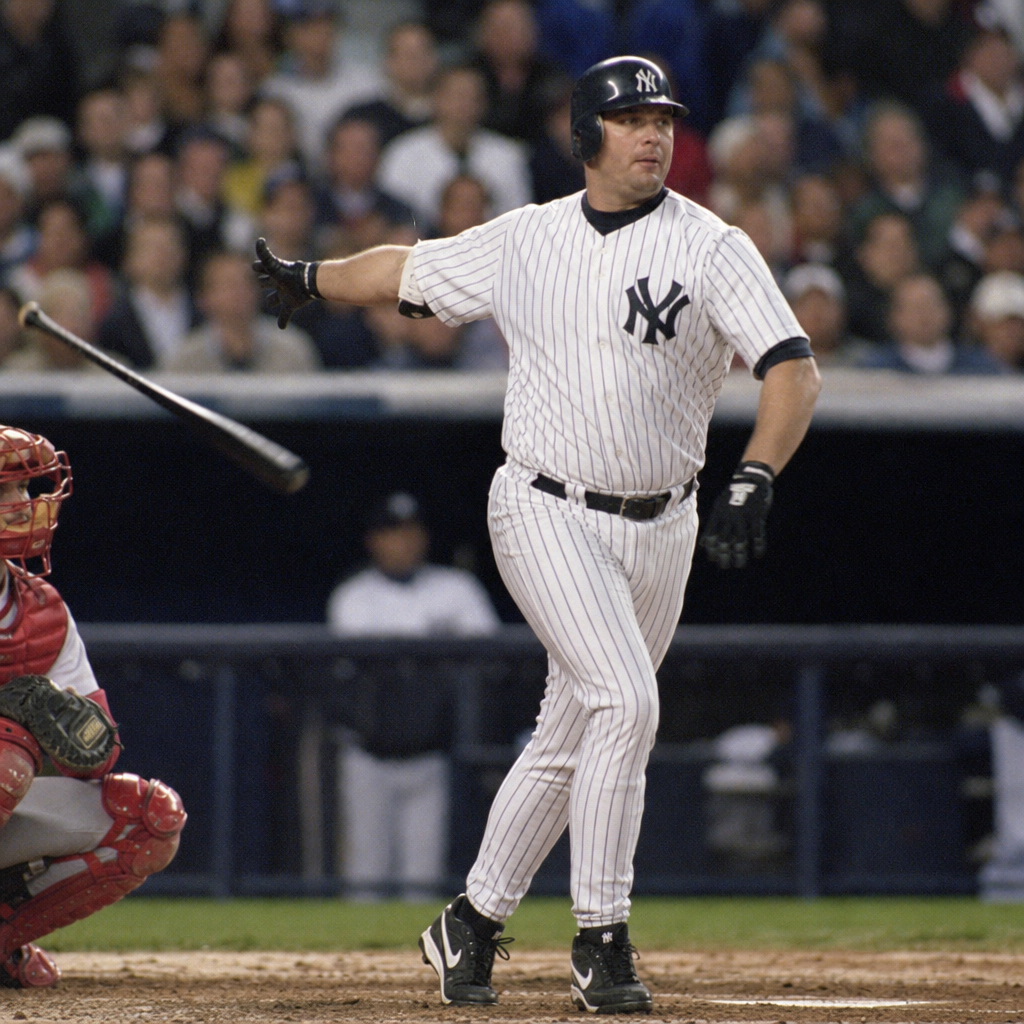
The 1998 Roger Clemens bat-throwing incident remains one of baseball’s most replayed confrontations because it fused rivalry, danger, theater, and questions about intent into a single chaotic moment. In the broad landscape of scandals and controversies, this episode belongs in the miscellaneous category not because it was minor, but because it crossed several lines at once: on-field conduct, player safety, discipline, media framing, and the way one instant can shape reputations for years. When fans search for the Roger Clemens bat-throwing incident, they usually want clear answers to three questions: what happened, why it happened, and what it changed. Having spent years reviewing baseball controversies through game footage, league statements, and contemporaneous reporting, I can say this incident is a useful hub case because it connects to nearly every recurring controversy pattern in the sport.
The play occurred during the 1998 American League Championship Series between the New York Yankees and Cleveland Indians, a postseason matchup already carrying heavy pressure. Roger Clemens, then pitching for New York, was one of the most intense competitors in baseball, known for working inside, pitching aggressively, and reacting emotionally. The batter was Kevin Mitchell, a powerful Cleveland hitter with a strong personality and his own history of confrontations. In simple terms, the incident involved Mitchell releasing his bat toward the field after contact or during the follow-through, and Clemens responding by picking up the bat and throwing it back in the direction of the first-base line. That description sounds straightforward, but disputes over sequence, danger, and motive are exactly why the moment still matters.
To understand the controversy, it helps to define the key issue: baseball accepts hard, fast, and physical play, but it treats thrown objects and retaliatory behavior differently from ordinary competitive intensity. A bat leaving a hitter’s hands can be accidental, careless, or provocative depending on the mechanics and the surrounding context. A pitcher throwing that bat back, even for a split second, raises immediate safety concerns because the object is not part of live-ball action. The 1998 Roger Clemens bat-throwing incident therefore became more than a strange highlight. It became a case study in how quickly instinct can become misconduct, and how leagues, broadcasters, and fans interpret heated moments through loyalty, rivalry, and replay.
This article serves as a hub for miscellaneous scandals and controversies by using the Clemens-Mitchell clash to map the wider themes that often define disputed baseball episodes. It matters because postseason controversies do not live in isolation. They influence disciplinary standards, shape public narratives around star players, and become reference points whenever a later conflict erupts. The incident is also useful because it was captured on television, dissected in newspapers, and debated by former players who understood the unwritten rules differently. That layered record gives us enough evidence to go beyond outrage or nostalgia and explain what actually happened, why opinions split, and what lessons the sport still draws from it.
What happened in the 1998 ALCS
The incident took place in Game 4 of the 1998 American League Championship Series at Cleveland’s Jacobs Field. Clemens was covering first base on a ball put in play by Kevin Mitchell. As Mitchell ran up the first-base line, his bat came free and landed in Clemens’s path. Clemens, in one fluid but reckless motion, picked up the bat and threw it toward the area near Mitchell and first base. No one was struck, but the act was dangerous enough to trigger immediate reaction from players, commentators, and league officials. The visual was startling because it looked less like routine frustration and more like a retaliatory throw involving equipment.
Context matters here. Mitchell had a reputation as an intense, sometimes confrontational player, and Clemens had long been viewed as a pitcher who challenged hitters physically and mentally. The Yankees and Indians were not casual opponents; they were fighting for a World Series berth. In high-stress postseason baseball, ordinary annoyances become magnified. A dropped or flung bat can be seen as accidental by one side and disrespectful by the other. Clemens later suggested he reacted instinctively and that the bat had come at him in a way that prompted a split-second response. Critics argued that instinct does not excuse throwing a solid wooden bat in the direction of another player.
One reason this moment endures is that it happened fast enough to create honest disagreement about intent while still looking obviously unsafe. Baseball controversies often survive when video leaves room for interpretation without removing the central problem. Here, viewers could debate whether Mitchell deliberately cast the bat toward Clemens, whether Clemens meant to toss it aside or at the runner, and whether the whole thing reflected postseason adrenaline rather than calculated aggression. What almost no one disputed was that the sequence could have ended badly. A hardwood bat in motion can injure a player, coach, or umpire in an instant.
Why the moment became controversial
The controversy grew because the act violated the sport’s expectations even if it did not fit neatly into a standard box score category. Baseball has formal rules against unsportsmanlike conduct and broad authority for umpire discipline, but many flashpoints are judged first through custom. Players expect emotional reactions; they do not expect field equipment to be thrown back into active space. That is why the Roger Clemens bat-throwing incident quickly moved from a strange play to a legitimacy test: how much latitude should a star pitcher receive in a postseason game, and how should intent be weighed against visible risk?
Another factor was television replay. In 1998, sports debate was already driven by highlight loops on cable networks and radio call-in shows, but not yet flattened by social media clips stripped of context. That made the discussion more detailed than many modern outrage cycles. Broadcasters slowed the tape, former players analyzed body language, and beat writers compared reactions from both dugouts. Some saw Mitchell’s bat release as needlessly careless. Others believed Clemens escalated a nuisance into a dangerous act. Because the play involved two strong personalities, the argument expanded from mechanics to character, which is common in sports controversies and often distorts factual analysis.
The episode also tapped into a larger question about postseason officiating. Umpires historically try to keep marquee games from being decided by ejections unless conduct is unmistakably severe. That unwritten restraint can preserve the contest, but it can also create a sense that stars or critical moments get extra leeway. In the Clemens case, observers asked whether a less prominent player in a regular-season game would have faced sharper immediate punishment. That question matters for any hub discussion of miscellaneous controversies: inconsistency is often what turns a tense play into a long-running grievance.
Intent, safety, and discipline
When evaluating intent, I look at three things: mechanics, opportunity to choose differently, and foreseeable risk. Clemens had enough time to grasp the bat and propel it, which weakens the idea that the throw was purely involuntary. Even a reflex can be blameworthy if the alternative was obvious and safer. At the same time, intent in sports discipline is rarely binary. A player can act without a plan to injure and still commit an act worthy of sanction because the danger was foreseeable. That distinction is essential. The 1998 Roger Clemens bat-throwing incident was controversial not because everyone believed he aimed to hurt Mitchell, but because many believed he accepted an unnecessary risk in anger.
League discipline in such moments usually balances outcome and potential harm. No injury occurred, which often reduces punishment in practice even when the act itself is serious. Yet sports governance should not rely solely on outcome. If a dangerous action misses by inches, the absence of injury is good luck, not proof of acceptability. Major League Baseball has long disciplined players for throwing at batters, charging the mound, and using equipment aggressively because the potential consequences are severe. By that standard, the bat throw deserved scrutiny regardless of whether it connected with anyone.
| Issue | Question raised | Why it mattered |
|---|---|---|
| Intent | Did Clemens throw the bat at Mitchell or simply away from himself? | Intent shaped public judgment and any case for suspension. |
| Safety | Could the bat have injured a runner, fielder, coach, or umpire? | Player safety is the clearest basis for discipline. |
| Provocation | Was Mitchell’s bat release accidental, careless, or antagonistic? | Provocation influenced sympathy but did not erase responsibility. |
| Officiating | Should umpires have acted more forcefully during the game? | Inaction can make later league review seem reactive. |
Seen through that framework, the fairest conclusion is balanced but firm. Mitchell’s release of the bat contributed to the chaos, whether by accident or carelessness. Clemens nonetheless made the more dangerous second decision. In controversies involving two participants, fans often search for a single villain. Real analysis does not need that simplification. It is enough to say that both players helped create the moment, while Clemens bore greater responsibility for escalating it with an object that could have caused serious harm.
Media reaction and public memory
The media reaction helped freeze the incident in baseball memory. Local coverage in New York and Cleveland predictably leaned on team perspectives, but national analysis focused on the visual shock of a pitcher hurling a bat. That image translated well to television and front pages because it required little explanation. In sports history, certain controversies endure not just because of significance, but because the footage is instantly understandable. A viewer who knows nothing else about the 1998 ALCS can watch the clip and grasp that something abnormal happened. That makes the play durable in public memory in a way many technically important controversies are not.
Public memory also compresses details. Over time, many fans misplace the date, the game situation, or the exact sequence, but they remember the core image and the names attached to it. That selective retention matters for hub coverage of miscellaneous controversies because reputation often outlives record. Clemens’s later career became entangled with other disputes, especially those involving performance-enhancing drugs and Hall of Fame voting. As a result, older incidents like the bat throw are often reinterpreted through later judgments about personality and credibility. Mitchell, too, was never viewed as a neutral figure, which made consensus even harder.
This is where careful historical treatment matters. A controversy should be read in its own moment before being folded into a larger narrative arc. In 1998, the bat-throwing incident was not about steroids, legacy ballots, or internet-era outrage. It was about postseason conduct, immediate safety, and the emotional volatility of elite competition. Keeping that frame prevents hindsight from doing too much work and allows a clearer assessment of why the play drew criticism then, not just why it gets replayed now.
What the incident reveals about baseball controversies
As a hub example within miscellaneous scandals and controversies, this incident reveals five recurring patterns in baseball. First, ambiguous intent fuels endless debate. Second, visible danger commands attention faster than technical rule violations. Third, star power shapes enforcement and coverage. Fourth, postseason settings magnify every judgment. Fifth, one unforgettable visual can overshadow more consequential but less dramatic controversies. Those patterns apply across bench-clearing incidents, disputed slides, equipment abuse, and confrontations between pitchers and hitters.
The Roger Clemens bat-throwing incident also shows the limits of unwritten rules. Baseball culture has long relied on players policing themselves, but self-policing becomes unstable when emotions spike and both sides feel wronged. A batter may believe a pitcher endangered him with inside pitches. A pitcher may believe a hitter disrespected him with a demonstrative act. Once retaliation begins, each side claims context, and the original issue gets buried beneath escalation. Formal standards exist precisely because emotional reciprocity is a poor safety system. The moment at Jacobs Field is a textbook reminder that instinctive justice on the field usually creates larger problems than it solves.
For readers exploring the broader Scandals and Controversies subtopic, this case connects naturally to articles on beanball wars, dugout altercations, umpire disputes, playoff discipline, and the media construction of villainy in sports. It is a useful entry point because it is specific, memorable, and morally legible without being simplistic. The play was not a criminal matter, not a gambling scheme, and not a labor dispute. It was a sudden breach of competitive boundaries, and those incidents often teach the most about how sports institutions handle risk, blame, and spectacle.
The 1998 Roger Clemens bat-throwing incident endures because it captured baseball at its most combustible: elite stakes, split-second emotion, and a dangerous act that people still interpret differently. The basic facts are clear. During the ALCS, Kevin Mitchell’s bat came loose near the first-base line, Roger Clemens picked it up, and Clemens threw it back toward the play area. No injury followed, but the risk was real, the optics were bad, and the debate over intent never fully disappeared.
The key takeaway is straightforward. Mitchell may have contributed to the scene, but Clemens escalated it in the more serious way. That is why the incident remains part of any serious discussion of miscellaneous baseball controversies. It illustrates how postseason pressure can expose the gap between acceptable aggression and reckless conduct, and why leagues must judge dangerous actions by foreseeable harm, not just final outcome.
For anyone building a deeper understanding of scandals and controversies in sports, this episode is an essential reference point. Use it as a lens for evaluating later disputes about retaliation, discipline, and player safety. Then continue through the rest of this subtopic with the same method: establish the facts, separate intent from impact, and judge the controversy by standards that hold up long after the crowd noise fades.
Frequently Asked Questions
What happened in the 1998 Roger Clemens bat-throwing incident?
The incident centered on a tense game situation involving Roger Clemens and a broken bat that came flying into his vicinity after contact. In the split second that followed, Clemens reacted by picking up or redirecting the shattered piece and throwing it in the direction of the runner moving up the first-base line. What made the moment so unforgettable was how fast it unfolded and how dangerous it appeared in real time. Viewers saw not just a routine baseball play gone wrong, but a pitcher seemingly turning a loose piece of equipment into part of the confrontation. That visual was powerful, and it immediately elevated the play from an ordinary in-game flashpoint to a lasting controversy.
The replay value of the incident is a major reason it has stayed relevant. Baseball has always had collisions, brushback pitches, dugout arguments, and hard slides, but this moment felt different because it involved a projectile, uncertainty over intent, and the possibility of serious injury. The scene invited debate from every angle: whether Clemens was acting on instinct, whether he was angry, whether the runner was endangered, and whether the moment reflected something deeper about his competitive style. In that sense, the bat-throwing incident became larger than the play itself. It became a case study in how a few seconds on a baseball field can trigger long-term arguments about sportsmanship, self-control, and accountability.
Why is this incident still remembered so vividly years later?
It remains vivid because it combined all the elements that turn a sports moment into enduring controversy: a famous player, a heated rivalry atmosphere, a dangerous-looking action, and endless replay. Roger Clemens was one of the most recognizable and polarizing figures in baseball, so anything involving him automatically drew heightened attention. When the incident occurred, it did not look like a routine mistake. It looked dramatic, reckless, and open to interpretation, which is exactly the kind of footage that sports media revisits again and again. Every replay reinforced the emotional reaction and invited new viewers to decide for themselves what they thought happened.
Another reason it endures is that baseball culture places a huge emphasis on unwritten rules, control, and intent. Fans and analysts understand that the game is full of gray areas. Players can make aggressive plays without crossing the line, but once an act appears to threaten player safety, the conversation changes. The bat-throwing incident sits right in that gray area where people can argue over whether it was instinctive or inexcusable. That ambiguity gave the moment a long shelf life. It is not remembered simply because it was shocking; it is remembered because people still disagree on what it meant, and those disagreements keep the story alive.
Was Roger Clemens accused of intentionally throwing the bat piece at the runner?
Yes, the central controversy was whether Clemens acted intentionally or merely reacted in a chaotic instant. Critics argued that, regardless of the circumstances, a player at that level should never throw a broken bat or any piece of equipment toward an opposing runner. From that perspective, intent almost became secondary because the act itself looked dangerous and avoidable. For many observers, the visual evidence was enough to conclude that Clemens crossed a line, whether out of anger, confusion, or reflex. That is why the incident generated such a strong reaction from fans, broadcasters, and league observers.
Supporters and defenders, however, often framed it as a split-second response during an unusually chaotic play. Baseball happens quickly, and pitchers are trained to react to batted balls, runners, and debris all at once. In that reading, Clemens did not carefully decide to weaponize the bat fragment; he simply acted impulsively in a burst of confusion. Even so, that defense did not fully quiet the criticism, because elite athletes are also judged by their ability to maintain composure under pressure. The lasting significance of the incident lies in that divide: one side sees a deliberate or reckless act, and the other sees an instinctive mistake amplified by slow-motion replay and public scrutiny.
How did the incident affect Roger Clemens’s reputation and public image?
The incident reinforced the image of Clemens as an intensely competitive, intimidating, and sometimes controversial figure. He was already known as a dominant pitcher with a fiery edge, and moments like this tended to deepen public impressions rather than create entirely new ones. For supporters, the episode fit the profile of a fierce competitor whose emotions occasionally spilled over in the heat of battle. For critics, it became another example of behavior that seemed to blur the line between aggression and recklessness. In sports, reputations are often shaped less by full careers than by a handful of images, and the bat-throwing moment became one of those defining visuals attached to Clemens.
Its impact was also magnified by the media environment around major baseball controversies. Once a moment is replayed enough times, it can become shorthand for a player’s personality. That happened here. The incident was discussed not just as a one-off flashpoint, but as evidence in larger arguments about Clemens’s temperament, sportsmanship, and conduct under pressure. Even people who do not remember the full game often remember the image of the thrown bat fragment. That kind of visual memory is powerful, and it helped ensure that the incident remained part of the broader conversation about Clemens long after the game itself was over.
Why does this incident matter in the broader history of baseball controversies?
It matters because it sits at the intersection of several recurring themes in baseball history: player safety, intent, discipline, rivalry, and media narrative. Many baseball controversies can be placed neatly into one category, such as performance-enhancing drugs, gambling, beanball wars, or umpiring disputes. The Clemens bat-throwing incident is harder to classify because it touches several issues at once. It involved a live-ball moment, but it also raised disciplinary questions. It looked instinctive to some and hostile to others. It was dangerous enough to spark concern, but ambiguous enough to avoid universal agreement. That complexity is exactly why the incident continues to be discussed.
It also serves as a reminder that baseball’s most lasting controversies are not always the biggest in terms of formal punishment or historical consequence. Sometimes the moments that endure are the ones that crystallize the sport’s emotional and ethical tensions in a matter of seconds. This incident did that. It forced fans to ask how much aggression is acceptable, how intent should be judged in real time, and whether a player’s reputation influences the way a play is interpreted. In the larger landscape of baseball scandals and confrontations, the episode remains important because it shows how one brief, chaotic act can outlive box scores, seasons, and even many more statistically significant achievements.