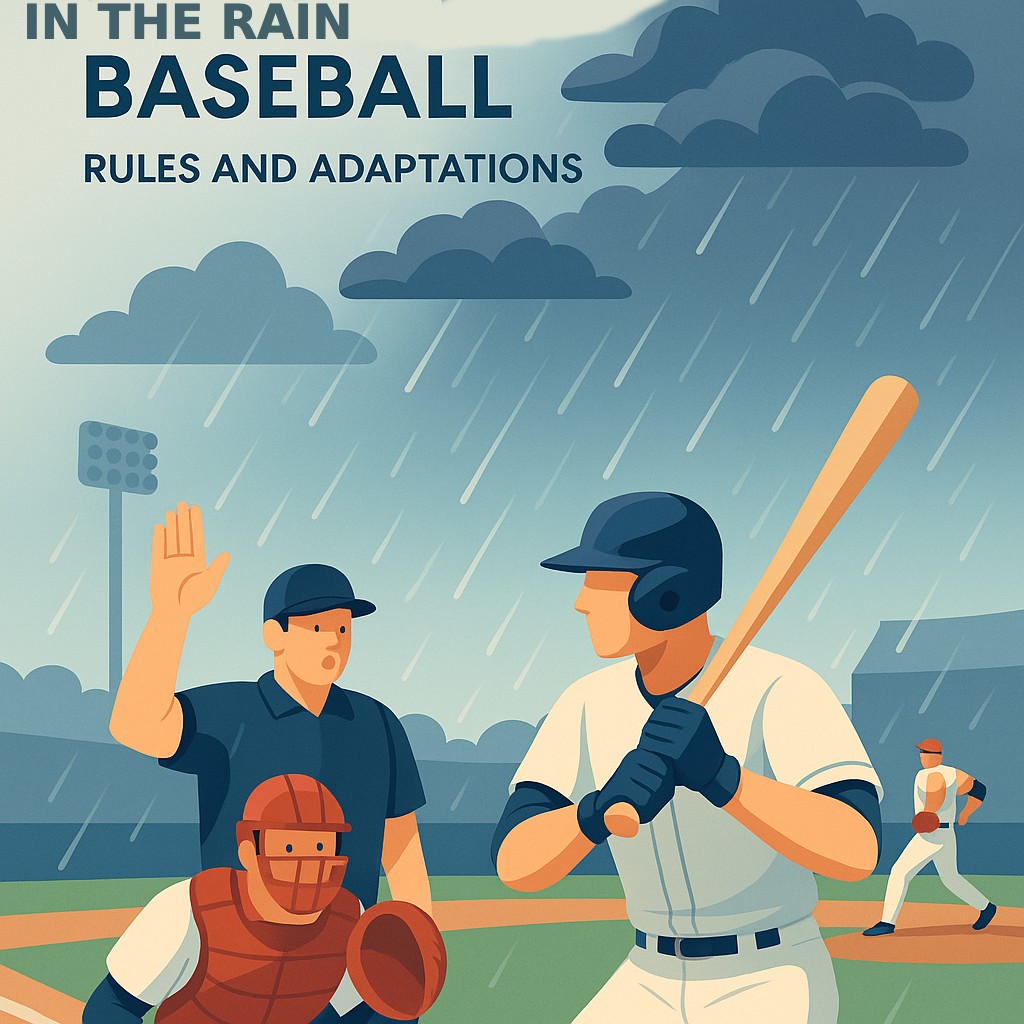
Weather conditions play an essential role in the game of baseball, a sport that takes place primarily outdoors in a variety of climatic settings. This article examines how weather affects baseball games, the rules designed to handle these situations, and the adaptations teams and players have made over time. The impact of weather is not just limited to delays or cancellations—it significantly influences gameplay, strategy, and the overall experience for both players and spectators. Various weather conditions such as rain, heat, wind, and snow can drastically alter the dynamics of a baseball game. Understanding these effects is crucial because baseball fans, managers, and players must prepare for and adapt to diverse environmental conditions to maintain the integrity and enjoyment of the game. By exploring these elements, the article aims to provide a comprehensive overview of the intersection between weather and baseball.
Rain Delays and Postponements
Rain is perhaps the most common weather-related issue encountered in baseball. When rain begins to fall heavily, umpires have the authority to call for a rain delay, pausing the game until conditions improve or it is deemed necessary to postpone the rest of the game to another day. Rain delays are a strategic complexity within the game. Depending on the duration of the rain delay, pitchers can lose their effectiveness due to extended inactivity. Furthermore, the risk of injury increases as wet fields lead to slippery bases and unstable footing.
For example, on July 27, 2018, a game between the New York Yankees and the Kansas City Royals was postponed after heavy rain led to unplayable field conditions. This postponed game was rescheduled to a later date, affecting the players’ travel schedules and team strategies. Teams often utilize tarp coverings to shield the field, but intense downpours can make even the best preparations futile.
Wind: A Game Changer
Wind can transform a standard baseball game into a dramatic encounter. Wind influences the trajectory of a pitched ball and a batted ball, meaning home runs can become fly balls and vice versa. Players must adjust their positioning and approach significantly under windy conditions.
Consider Wrigley Field, home of the Chicago Cubs, where strong winds from Lake Michigan impact gameplay regularly. In some instances, wind blowing out of the park can turn ordinary fly balls into home runs, while on different occasions, those same winds have blown the ball back into play. This variability requires adjustments from both hitters and pitchers. Hitters may choose a more compact swing to avoid popping the ball up into the wind, whereas pitchers might adjust their pitch selection based on how they anticipate the ball will travel.
Heat: Battling the Elements
High temperatures and humidity can be taxing on players, necessitating frequent hydration and rest. In extreme heat, the risk of heat exhaustion and dehydration rises, necessitating changes in traditional routines such as practice schedules and player rotation to ensure safety and maintain performance levels.
A memorable instance of heat impacting baseball occurred during the 2021 Major League Baseball season, where numerous games had to be adjusted or delayed due to unprecedented heat waves, especially affecting teams like the Arizona Diamondbacks, who play in desert-like conditions. Teams used misting fans and hydration stations to prevent heat-related illnesses. Managers might rotate players more often to keep them fresh, using the bench strategically to avoid overburdening any one individual with the oppressive heat.
Cold and Snow: Adverse Conditions
Cold weather and snow are less frequent but present unique challenges, especially during early spring games in northern cities like Minneapolis or Denver. Cold weather not only impacts the comfort and dexterity of players but also affects the hardness of the bat and the resistance of the ball, influencing batting and pitching.
The Minnesota Twins’ season opener of 2018 is a notable example when snow caused a postponement and affected the scheduling of subsequent games. Cold weather often leads to reduced elasticity in muscles and slower reaction times, increasing the risk of muscle strains. Teams equip players with warming layers and provide hot beverages to maintain warmth and readiness.
Climate Change and Future Adaptations
With the growing concern of climate change, weather extremes are becoming more common, complicating future baseball schedules. Organizations like Major League Baseball are examining ways to manage these impacts, which include potential adjustments to season timings or even selecting geographically favorable locations for critical games to mitigate extreme weather effects. Adapting to climate change requires proactive planning and investment in infrastructure that can better withstand weather extremes.
- Exploration of indoor stadiums
- Improving drainage systems on fields
- Flexible scheduling policies
- Enhanced weather monitoring systems
By adopting these strategies, baseball leagues can maintain a consistent schedule while ensuring safety and enjoyable experiences for everyone involved.
The Role of Technology in Weather Adaptations
Advancements in technology have significantly aided the adaptation to various weather conditions in baseball. Modern radar systems provide precise weather updates, allowing timely and accurate decisions regarding game delays and rescheduling. Technologies such as high-definition field cameras help ground crews detect and rectify field imperfections after adverse weather events.
The Tampa Bay Rays, who play in a region prone to sudden thunderstorms, utilize sophisticated meteorological software that aids in predicting rain delays. This capacity to foresee and swiftly respond to weather changes has enhanced team preparedness and minimized the risk associated with adverse weather conditions.
Conclusion: Turning Challenges into Opportunities
In summary, weather conditions pose ongoing challenges to baseball that require various strategies for management and adaptation. From rain delays to snow outs, the game has repeatedly shown its resilience and adaptability. Understanding and leveraging these weather conditions can lead to unique competitive advantages for teams, transforming potentially adverse scenarios into opportunities for strategic evolution. For fans and players alike, being knowledgeable and prepared ensures enjoyment and minimizes risk. The future of baseball depends on continued innovation and proactive approaches to dealing with weather, where anticipation and readiness are key. As you reflect on these elements, explore ways you can apply similar adaptability strategies in your own life, embracing environmental challenges with creativity and foresight.
Equip yourself to enjoy the games, rain or shine, knowing that the sport’s ability to overcome nature’s curveballs is a testament to its enduring appeal. Start by following your local teams and observing how they adjust during inclement weather—every game can offer lessons in resilience and adaptability.
Frequently Asked Questions
1. How does rain affect a baseball game, and what are the rules for rain delays?
Rain can significantly impact a baseball game, affecting everything from the playing conditions to the safety of players. When it begins to rain during a game, the decision to delay or postpone the game rests with the umpire. Typically, if the rain is light and the field remains playable, the game may continue. However, if the rain intensifies, creating unsafe or unfair playing conditions, the game is paused for a rain delay. During this time, teams retreat to their dugouts, and spectators often seek shelter. The ground crew may cover the field with a tarp to protect it from damage.
If the weather doesn’t improve, a game might be postponed or suspended. According to Major League Baseball (MLB) rules, an official game is one in which at least five innings have been completed (or four and a half if the home team is leading). If this condition is met before the game is halted, it’s considered a complete game. Otherwise, the game may be resumed at a later date from the point it was stopped. The rules are designed to ensure fairness while prioritizing the safety of players and fans.
2. How does wind influence baseball games and strategy decisions?
Wind can have a profound effect on a baseball game, influencing everything from ball trajectory to pitching decisions. A strong wind blowing out towards the outfield typically benefits hitters, as it can carry balls further and turn routine flyouts into home runs. Conversely, wind blowing in can be a pitcher’s best friend, neutralizing power hitters by keeping the ball inside the park.
Managers and players often adapt their strategies based on wind conditions. Pitchers might rely more on breaking pitches if wind aids their movement, while hitters may adjust their stance or swing path to capitalize on wind direction. Defensive alignments can also shift, with fielders positioning themselves based on expected ball paths influenced by the wind. The strategic adjustments made owing to wind conditions can be complex, and mastery of these adaptations is part of what differentiates seasoned players and managers.
3. In what ways do temperature and humidity levels impact baseball performance?
Temperature and humidity play crucial roles in baseball, affecting both player performance and the behavior of the ball. High temperatures can be challenging for players, leading to increased fatigue and risk of heat-related illnesses. Teams often take extra measures to ensure hydration and may make quicker substitutions to keep players fresh. Cool temperatures can also affect player performance, making it difficult to maintain body warmth and possibly leading to muscle tightness.
Humidity alters how the ball travels through the air. Higher humidity generally makes the air lighter, allowing balls to travel slightly further, whereas lower humidity results in denser air, which can hold the ball back. This might seem subtle, but it can influence home run rates and the effectiveness of certain pitches, especially breaking balls, which rely on air resistance for their movement. Players must be acutely aware of these conditions to fine-tune their approach during the game.
4. How do teams prepare for games knowing weather conditions might change?
Preparation for weather fluctuations requires both short-term and long-term strategic planning. Teams keep a close eye on weather forecasts in the days leading up to a game, utilizing meteorological data to tailor their game plans accordingly. Equipment managers ensure the availability of the right gear—like rain covers, sunglasses, or extra layers—so players can adapt to sudden changes.
Pre-game practice might also focus on specific skills tailored to expected conditions, such as practicing under pop-up canopies during light rain or running drills to counteract stronger winds. Psychological preparation is also key. Coaches help players maintain mental flexibility to adapt quickly when unplanned weather disrupts a game. Effective teams leverage this preparedness to maintain a competitive edge regardless of Mother Nature’s twists.
5. What are some memorable examples of weather impacting major baseball games?
Weather has played a memorable role in numerous iconic baseball games. Perhaps most memorably, the 2008 World Series saw a historic game delay. Game 5 between the Philadelphia Phillies and the Tampa Bay Rays began on October 27 but was halted in the middle of the sixth inning due to rain. This delay was unprecedented as it was the first time a World Series game couldn’t be completed on a calendar date due to weather. Play was resumed two days later, leading to the Phillies clinching the championship in an unforgettable fashion for fans.
Another noteworthy example is when the Chicago Cubs won the 2016 World Series. Game 7 included a 17-minute rain delay, which allowed the Cubs to regroup and eventually secure their historic win after a 108-year championship drought. Such instances underscore the unpredictable impact weather can have not just on the outcome of a game, but on the emotional highs and lows experienced by players and fans alike.