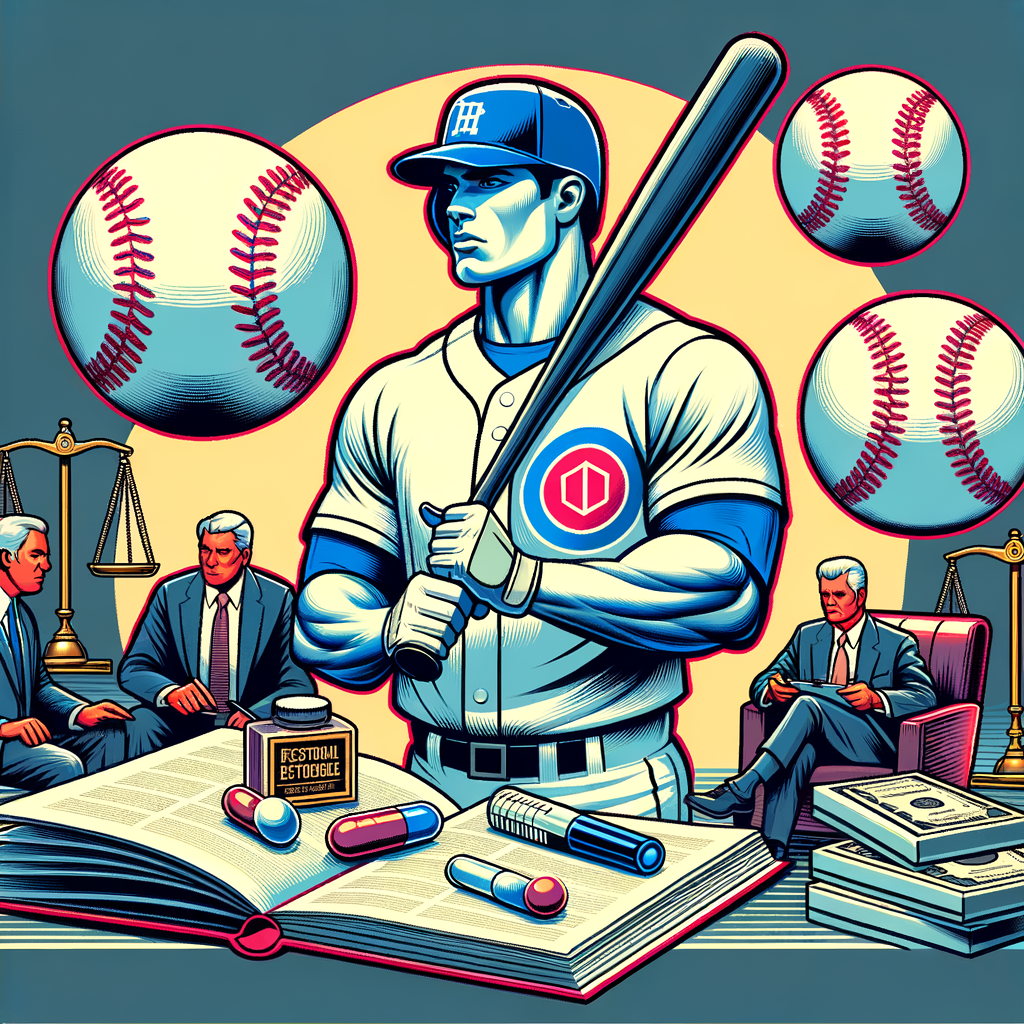
The era known as baseball’s age of steroids is a time that fundamentally altered the landscape and perception of the sport. This period, generally accepted to span from the late 1980s to the late 2000s, was marked by widespread use of performance-enhancing drugs (PEDs), most notably anabolic steroids, among professional baseball players. As athletes sought to break records and gain a competitive edge, the integrity of one of America’s most cherished pastimes was put into question. This era did not only affect the players involved and the records broken, but it also sparked debates about ethics in sports, impacted the perceptions of fans, and led to significant changes in regulations and testing protocols in Major League Baseball (MLB).
Understanding this era requires a dive into the motivations that drove players to use steroids, the ethical considerations surrounding their decisions, and the broader repercussions for the sport. Fans and players alike watched as records were shattered at a remarkable pace, but the shadow of doubt overhanging these achievements left a trail of controversy. Furthermore, the impact on players’ health and careers, both legal and punitive repercussions, and the efforts by MLB to restore trust depicted a complex narrative. We will discuss these aspects in detail and explore the lessons learned from this controversial period in baseball history.
Origins and Motivations
The origins of steroid use in baseball can be traced back to a fiercely competitive environment where players sought to enhance their performance through any means necessary. The promise of fame, heightened performance, and lucrative contracts created a powerful incentive for athletes to enhance their physical capabilities. During this era, both players and coaches were often complicit, either turning a blind eye or actively encouraging PED use.
Players, under intense pressure to deliver outstanding performances and stay financially secure, viewed steroids as a necessary tool to maintain or boost their careers. Enhanced muscular strength, improved endurance, quicker recovery times from injuries, and the ability to achieve extraordinary feats on the field were compelling benefits. Home run chases and legendary achievements became tantalizing and within reach. Consequently, the pursuit of excellence transformed into an ethical grey zone, where the pressures to perform outweighed the values of natural prowess.
Ethical Considerations and Sporting Values
The use of performance-enhancing drugs raised significant ethical questions, challenging the foundation of sportsmanship and integrity in baseball. The fairness of competition was compromised as players who used steroids gained an unfair advantage over those who adhered to the rules without chemically aiding their abilities. The core values of sports – fairness, respect, and honesty – were jeopardized, leading to a toxic environment where cheating seemingly became accepted behavior.
Critics argue that the acceptance of steroid use undermines the spirit of athletic endeavor. Sports are meant to celebrate human potential and the pursuit of greatness through hard work, talent, and dedication. When athletes resorted to artificial means, these ideals were tainted, affecting the authenticity of their achievements and leading many to question the validity of the records set during this period. Supporters of stricter regulations emphasize the need for campaigns promoting clean play and restoring the integrity that fans demand and athletes should embody.
Impact on Records and Achievements
The steroid era saw numerous records fall, leading to a skepticism about the legitimacy of these achievements. Players like Barry Bonds, Mark McGwire, and Sammy Sosa became synonymous with home run records, some of which broke long-standing records, casting a shadow over their accomplishments due to steroid allegations. Whether fair or not, the suspicion of drug use became inextricably linked with these records, leading to a divided public perception.
The era placed fans in a perplexing position: admiration for the raw athletic displays juxtaposed against the ethical dilemmas of unsanctioned enhancements. While these records injected explosive excitement into the game, they also left purists concerned about honoring statistics that emerged with an unlevel playing field. The Hall of Fame discussions are perpetually tainted with debates about whether achievements during this period should be acknowledged with baseball’s highest honors.
Repercussions and Responses
The MLB found itself in a predicament, with public trust faltering and the sport’s image at stake. In response, the league implemented strict policies aimed at curbing steroid use and preserving the future integrity of the game. The introduction of random drug testing, suspensions for violators, and a public commitment to clean sport were pivotal steps taken by the league. Investigations, such as the Mitchell Report, also brought to light the extent of PED use, pushing the MLB to enhance its vigilance and ensure that cheaters faced consequential penalties.
Despite these efforts, the repercussions extended beyond league policies. The scandal tarnished the reputation of several players, resulted in lawsuits, and caused long-term health concerns among athletes who endured the physical toll brought by steroids. Players found guilty of using these substances often faced diminished public respect and a legacy overshadowed by controversy. The disconnect from fans illustrated how deeply the issue affected the very fabric that baseball seeks to represent: a universal and unequivocal code of conduct.
Lessons Learned and Moving Forward
This period served as a cautionary tale for not just baseball, but all professional sports. The era underscored the importance of robust regulatory frameworks, transparency, and the consistent enforcement of rules. To move beyond the dark chapter, there is a collective responsibility among athletes, leagues, and fans to promote ethical behavior, accountability, and a culture that values natural talent over artificial gains.
There is now a greater emphasis on health and wellness, revisiting training methodologies, and supporting athletes’ mental and physical well-being. Education programs emphasizing the dangers of PEDs and their impact on career longevity and personal health have taken precedence. As the sport continues to evolve, the lessons from baseball’s steroid age serve as a constant reminder of the values that sports must uphold to remain true to their foundational ideals.
Conclusion
The age of steroids in baseball is a complex narrative that reflects the intersection of competitive desire, ethics, and the pursuit of greatness. It taught profound lessons about the importance of integrity, the ramifications of easy shortcuts, and the enduring need for vigilance in upholding the core tenets of fair play. Despite the controversies and the cloud of suspicion over past records, the sport has found a path to redemption through renewed dedication to clean competition and an unwavering commitment to authenticity.
As fans, players, and administrators continue to grapple with the legacy of the steroid era, the focus must remain on fostering a culture of honesty, trust, and respect both on and off the field. While we cannot erase the past, we can honor the integrity of the sport by seeing to it that the lessons learned build a stronger, more transparent, and accountable future for baseball. By understanding the repercussions and setting a higher standard, baseball can continue to inspire, evolve, and captivate future generations—unblemished by the stains of its steroid age.
Frequently Asked Questions
1. What exactly was the “Age of Steroids” in baseball, and how long did it last?
The “Age of Steroids” in baseball is a term used to describe a significant period in Major League Baseball (MLB) history when the use of performance-enhancing drugs (PEDs), particularly anabolic steroids, was rampant among players. This era is generally recognized as spanning from the late 1980s to the late 2000s. During this time, many players used these substances to enhance their performance, which led to unprecedented home run records and outstanding athletic performances. This period drastically reshaped the trajectory of the sport, creating controversies over the authenticity of these achievements and prompting the league to eventually institute stricter drug testing and penalties.
2. How did the use of steroids impact the records set during this era?
The impact of steroid use on records during this era was profound. Players, many of whom previously performed at average or slightly above-average levels, suddenly displayed remarkable improvement, often achieving feats that were previously unimaginable. Home run records, in particular, were smashed with regularity. This led to widespread skepticism and debate about the legitimacy of these records. Many baseball purists and fans questioned whether these achievements deserved to stand alongside those set before the age of steroids without the aid of PEDs. This skepticism showed a clear divide between pre-steroid and steroid-influenced records, prompting calls for asterisks or other distinctions to be made in record books.
3. What ethical considerations emerged regarding steroid use in baseball during this period?
The use of steroids in baseball raised numerous ethical questions. Firstly, players who used PEDs were frequently viewed as cheating or gaining an unfair advantage, as they artificially enhanced their physical capabilities in a manner not aligned with natural talent or hard work. This use of steroids also put players who chose to compete without PEDs at a significant disadvantage, potentially impacting their careers and earnings. Additionally, there was the health aspect; players jeopardized their long-term health in pursuit of short-term success. Moreover, the influence on younger athletes and the message sent to fans raised concerns about the ethical standards being set by professional athletes of the time.
4. What measures were taken by Major League Baseball to address steroid use during and after this era?
Major League Baseball took several steps to confront the issue of steroid use, though the response was initially slow. As public awareness and outrage grew, MLB instituted a series of measures, beginning with the introduction of a formal drug-testing policy in the early 2000s. This included penalties for players found guilty of using banned substances. Over time, the policies were strengthened to include more frequent testing and harsher penalties for violations. The MLB also launched educational programs aimed at discouraging steroid use, reinforcing the message of fair play, and promoting the health integrity of the players. These efforts reflected a commitment to restoring the sport’s reputation and ensuring a level playing field.
5. What long-term repercussions did the Age of Steroids have on baseball and its players?
The long-term repercussions of the Steroids Era in baseball were profound. The era tainted public perception of the sport, leading to skepticism towards the authenticity of player performances and achievements. It created a generational divide, where newer players and their accomplishments were often looked upon with suspicion. The Hall of Fame eligibility discussions remain contentious, with many stellar players associated with steroids facing exclusion or diminished chances of induction. Furthermore, the era prompted ongoing discussions about drug use in professional sports and highlighted the need for vigilant drug-testing policies across the athletic world to safeguard the integrity of sports. Additionally, increased awareness of the potential health risks associated with PEDs has likely deterred some athletes from turning to these substances, ensuring sports stay as clean and competitive as possible in future generations.