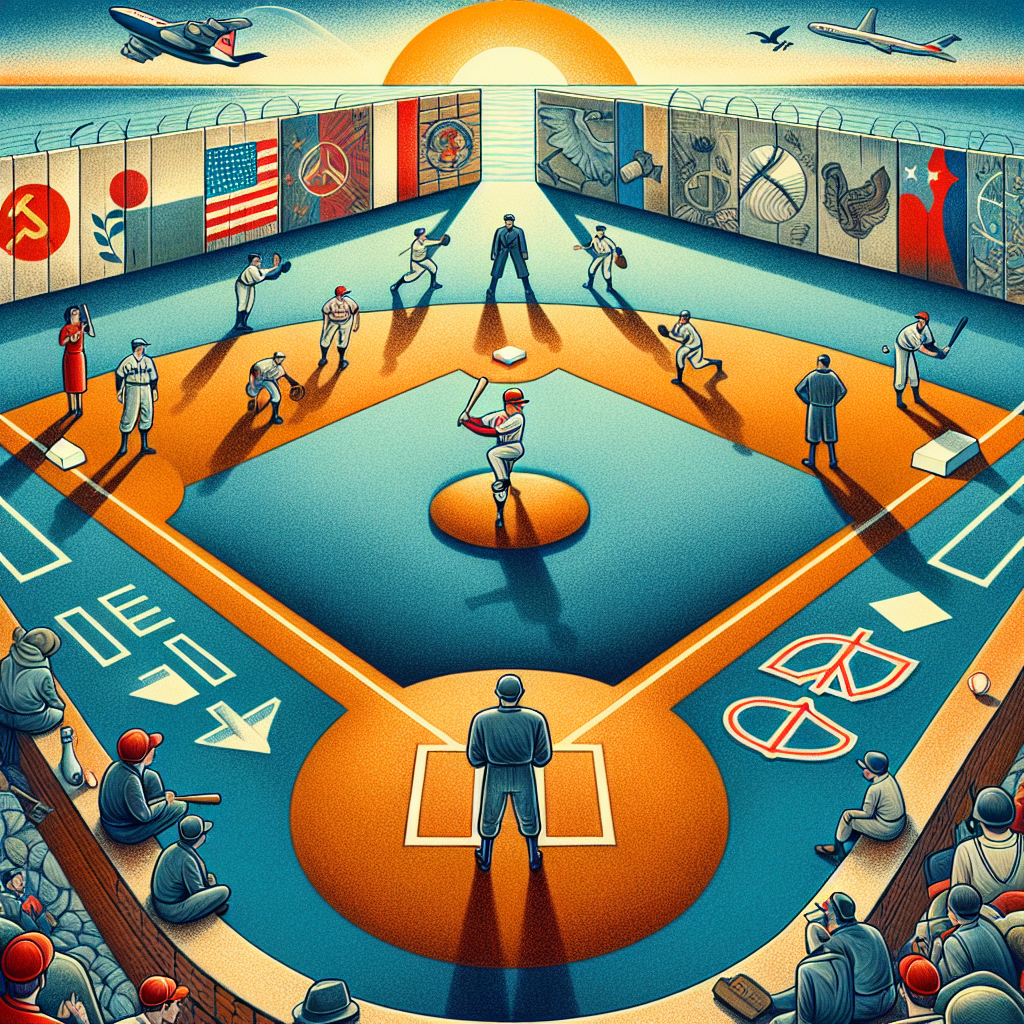
Baseball has always been more than just a game; it has served as a prism through which American society reflects its broader historical, social, and political dynamics. This was never more evident than during the Cold War, a period defined by tensions not on the battlefield, but on ideological, political, and economic fronts. In this context, baseball emerged as an unconventional yet effective tool of American diplomacy. The iron-clad rivalry between the United States and the Soviet Union manifested in various arenas, from space races to intellectual competitions. However, amidst this tense backdrop, baseball served as a cultural bridge, fostering people-to-people diplomacy and offering a unique platform for engagement between two otherwise adversarial superpowers. The sport not only influenced diplomatic interactions but also helped shape perceptions and attitudes, leaving an indelible mark on Cold War-era diplomacy.
During the Cold War, sports were leveraged as a means of soft power, allowing nations to showcase their superiority in a non-military context. The United States, keen on exporting democratic ideals and cultural values, used baseball as a mechanism to penetrate the Iron Curtain and promote a narrative of freedom and equality inherent in the American way of life. This initiative was not merely about the sport; it was about sharing a piece of American culture and engaging with the global community in ways that were otherwise unavailable in a geopolitically charged era. Through friendly matches, exhibition games, and player exchanges, baseball became a subtle yet profound diplomatic tool, paving paths where political discourse often stumbled.
The Cultural Exchange of America’s Pastime
Baseball’s role in the Cold War era was quite innovative, presenting new opportunities for cultural exchange. In the late 1950s and early 1960s, a period characterized by heightened Cold War tensions, several baseball exchange programs were initiated. These programs included goodwill tours where American baseball teams traveled to countries behind the Iron Curtain, and vice versa, with Eastern Bloc teams visiting the United States. Such initiatives were groundbreaking, serving not only to entertain but also to educate. As baseball players and coaches traveled across borders, they inadvertently became cultural ambassadors, offering audiences in foreign lands a glimpse into American life beyond the politics and military posturing.
A noteworthy example of baseball’s diplomatic potential was the visit by the Los Angeles Dodgers to Japan in 1956. Although Japan was not part of the communist bloc, this tour showcased how baseball could transcend geopolitical barriers. The Dodgers games captivated Japanese audiences, promoting goodwill and enhancing the cultural rapport between Japan and the United States. This cultural exchange planted seeds for future baseball diplomacy, demonstrating how sport can bridge diverse cultures while mitigating political tensions, a lesson that reverberated throughout the Cold War period.
The Impact of Baseball on Soviet Perceptions
During the Cold War, the Soviet Union was a highly isolated society, shielded from many Western influences. Nevertheless, baseball found its way as an unexpected ambassador. Initially skeptical and distant, the Soviets slowly warmed up to the idea of including baseball in their society. The United States Information Agency (USIA) played a key role in this endeavor, fostering an understanding of American culture through sports programs. Their efforts included sending baseball films, which showcased not just the sport but the American lifestyle accompanying it.
The curiosity and fascination with baseball reached its peak when an American team, including famous players such as Joe Louis, embarked on a tour in Soviet territories. Through these interactions, Soviet citizens were exposed to a type of American life often misrepresented in their government-controlled media. While the Soviet government ensured these exchanges were tightly controlled, the personal contacts forged through baseball allowed for genuine human connections, fostering a deeper mutual understanding between citizens of the two superpowers.
Baseball Diplomacy and the Cuban Missile Crisis
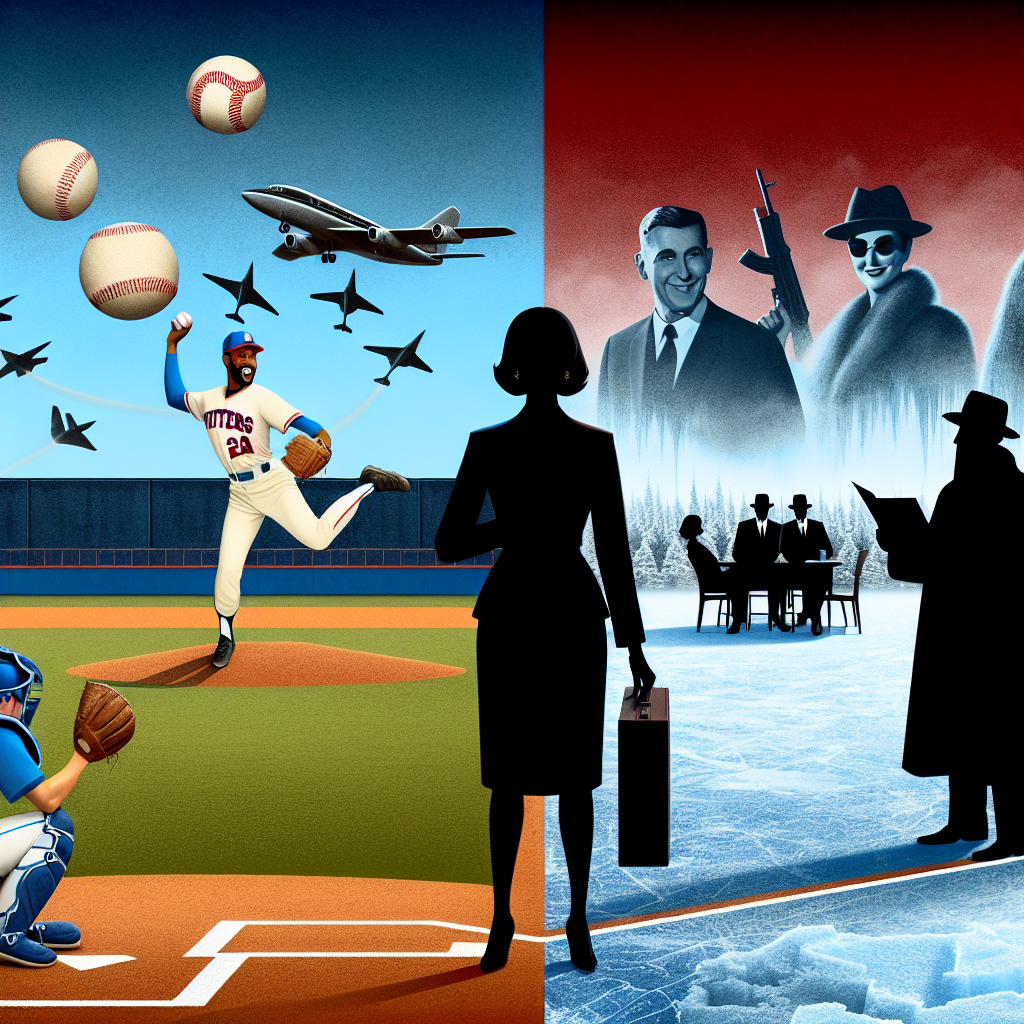
The intricacies of baseball’s diplomatic power were further highlighted during the Cuban Missile Crisis in 1962. This period marked one of the tensest times in Cold War history, where direct confrontation seemed inevitable. Amidst the political tension, baseball played an unexpected yet pivotal role in easing hostility. At the height of the crisis, a friendly match between U.S. soldiers stationed in Cuba and local teams was organized as a gesture of goodwill.
These sporting events were small in scale but significant in intention, providing a non-combative platform for dialogue when traditional diplomatic channels were teetering. Baseball games helped humanize the opponents, reducing the psychological gap that cold diplomacy often exacerbates. The athletic camaraderie on the field offered both governments a unique opportunity to showcase cooperation and shared interests in a climate otherwise dominated by animosity and mistrust.
Major League Baseball’s Collaboration with the State Department
Realizing the soft power potential of baseball, Major League Baseball (MLB) began cooperating with the U.S. State Department during the Cold War years. This partnership aimed to use baseball as a diplomatic tool to introduce American culture and values to Eastern European audiences. Key baseball personalities, including renowned pitchers and managers, embarked on diplomatic missions, conducting clinics and playing exhibition games across the globe.
One of the standout examples was the Ford Frick-led mission, where MLB officials traveled to Eastern Europe to promote baseball. This initiative helped demystify American culture and demonstrated the simplicity and universality of baseball’s appeal. Although these programs faced challenges, they succeeded in establishing baseball as a symbol of American soft power, effectively nurturing international goodwill even amidst political tensions.
The Lasting Legacy of Baseball Diplomacy
The legacy of baseball as a diplomatic tool during the Cold War extends into the present, demonstrating the transformative impact of such exchanges. The groundwork laid by Cold War-era baseball diplomacy noticeably influenced how nations perceive and engage with each other today. While the political landscape has shifted, the cultural ties forged through baseball persist, illustrating the ongoing relevance of sports in fostering international relations.
Modern diplomatic initiatives often cite Cold War baseball diplomacy as a blueprint for improving relations through mutual interests. The lessons learned from these athletic exchanges continue to inform current sporting diplomacy, highlighting its enduring impact in bridging geopolitical divides. Baseball’s role during the Cold War serves as a reminder that amidst political discord, the language of sport remains a universal and powerful means of communication.
Conclusion
Baseball’s unique role during the Cold War highlights the sport’s profound ability to transcend political conflicts and build cultural bridges. While it may not have been conventional diplomacy, the exchanges that took place on and off the baseball diamond during this era significantly influenced international perceptions and relationships. By bringing people together through a shared passion, baseball became a catalyst for dialogue in a world mired by division.
The Cold War might have been dominated by ideological rivalry and military competition, yet it is in the quieter, subtler movements of cultural diplomacy where real connections were forged. The influence of baseball as a tool of diplomacy represents a significant chapter in the history of international relations, offering a testament to the unifying power of sports. This historical legacy continues to impact how nations engage today, reinforcing the importance of cultural exchanges in peaceful diplomacy.
Frequently Asked Questions
1. How did baseball play a role in the Cold War diplomatic efforts?
It may sound surprising, but baseball, often dubbed America’s pastime, transcended just being a sport during the tense era of the Cold War. Back then, it became a medium that carried ideological, cultural, and political messages across borders. The narrative of baseball as a symbol of American values, such as democracy and freedom, played heavily into Cold War propaganda. The United States utilized baseball to infer the qualities they held dear while drawing a stark contrast with the Soviet Union. Showcasing baseball within and beyond American shores symbolized the country’s vibrant culture and social lifestyle, which starkly contradicted the often bleak depictions of Soviet life. The sport was employed in exhibition tours to countries that were critical in the global tug-of-war for ideological superiority. These baseball games were more than just showcases; they were sophisticated acts of diplomacy designed to highlight the allure of Western culture over Soviet-inspired communism.
2. Were there notable baseball exchanges between the United States and Soviet Union during the Cold War?
Absolutely! While direct exchanges with the Soviet Union itself were exceptionally rare due to the overarching ideological standoff, there were several notable incidents where baseball served as a diplomatic bridge. One of the key events occurred in 1959, during the exchange of American and Soviet cultural exhibitions in each other’s capitals. This event was set against the backdrop of the infamous “Kitchen Debate” between then Vice President Nixon and Soviet Premier Nikita Khrushchev. Baseball games played in Moscow became an attraction, offering a slice of American culture to curious Soviet citizens. Additionally, American baseball figures and diplomats often reached out through various intermediaries and third-party countries, using baseball as a tool to facilitate communication and ease tensions where possible. While these didn’t result in formalized US-Soviet baseball exchanges, they fostered a deeper understanding, albeit one bounded by the iron-fisted Cold War dichotomies.
3. How did baseball help foster relationships between the United States and other countries during the Cold War?
During the Cold War, America was not just up against the Soviets but was in a race to win hearts and minds across the globe, particularly in newly independent states and non-aligned nations. Here, baseball tours and clinics in Latin America, Asia, and parts of Europe served as a potent charm offensive. Such initiatives weren’t limited to professionals; they extended to college and amateur teams, symbolizing the democratic spirit and accessibility that Americans prized. These outreach programs built goodwill, provided informal diplomacy opportunities, and allowed players to act as emissaries of American culture. By exporting their beloved sport, the US aimed to cement alliances and cultivate pro-American sentiment, countering Soviet influence by modeling the dynamism and freedom associated with the American way of life.
4. What challenges did the United States face in promoting baseball as a symbol of American culture during the Cold War?
Promoting baseball internationally came with its share of challenges, rooted in both logistical and cultural domains. To begin with, the sport was not universally recognized or embraced; football (soccer) reigned supreme in many countries, requiring the US to invest significant effort to drum up interest and enthusiasm. Moreover, transforming baseball into a diplomatic tool meant overcoming language barriers and cultural differences. The United States also had to guard against accusations of cultural imperialism, where their efforts might be perceived as an attempt to impose American norms over local traditions. Furthermore, political climates in some regions posed hurdles: countries leaning towards Soviet ideology were overtly suspicious of American cultural exports, including baseball. Additionally, logistics of arranging tours, coordinating teams, and ensuring games took place safely in foreign environments presented ongoing practical challenges.
5. Did efforts to use baseball as a diplomatic tool during the Cold War have lasting impacts on international relations?
The notion of using baseball as an informal ambassador did have rippling effects on international relations, some of which still echo today. On a broad note, these efforts contributed to a legacy of cultural diplomacy that highlights sports as a medium for dialogue and understanding far beyond the tense dynamics of the Cold War. Not only did baseball seasons and exhibition games succeed in opening communication channels, but they also fostered long-term relationships which persisted into post-Cold War periods. In countries where baseball gained a strong foothold, such as Japan, South Korea, and much of Latin America, the sport cemented friendly ties that supported complementary diplomatic and economic exchanges over time. Even today, these nations often engage with American baseball, constituting part of the sport’s enduring international popularity and helping to temper, historically and presently, the dominant political landscapes.