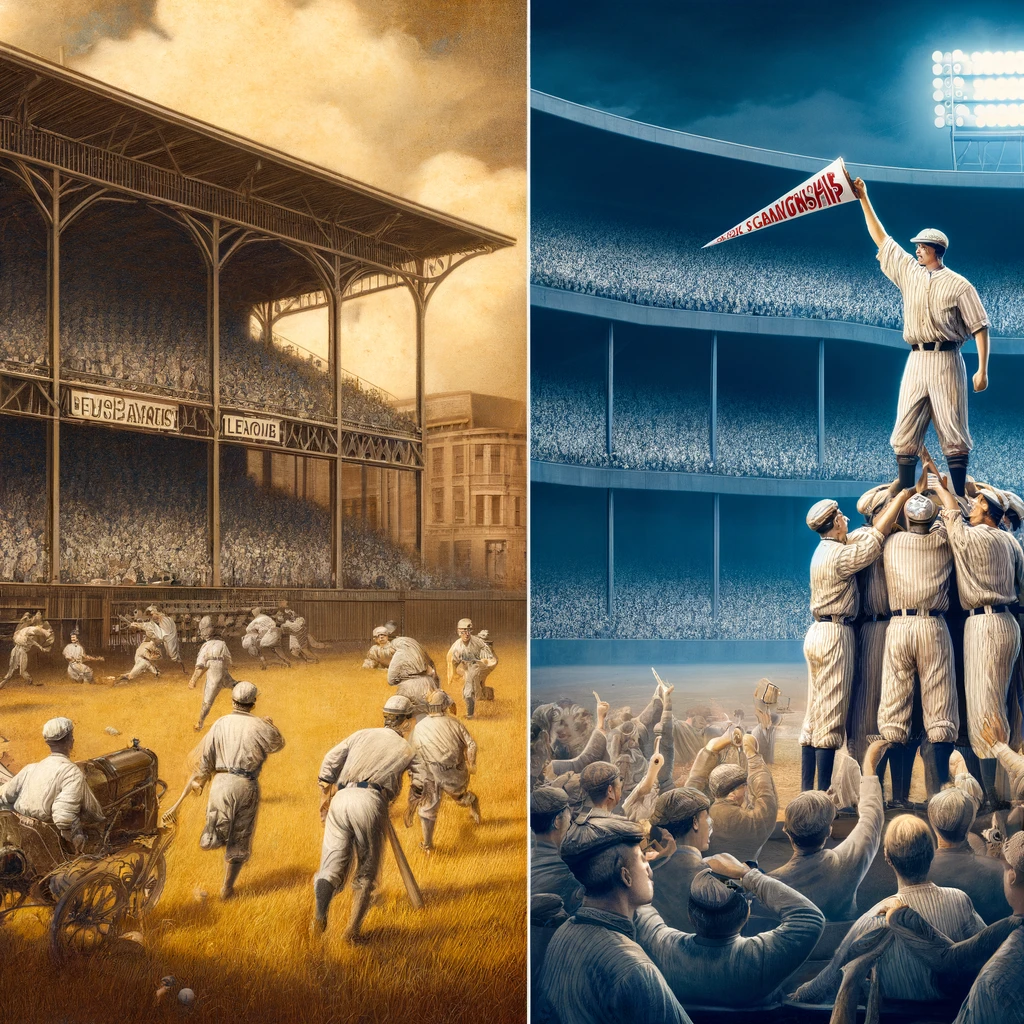
When the crisp fall air sets in, and the leaves begin their annual metamorphosis, the hearts of baseball fans across the nation beat a little faster. It’s playoff time, culminating in the revered World Series, when history is etched in every pitch, hit, and catch. The power of the pennant chase and the historic league championships that come with it are cornerstones of Major League Baseball (MLB), offering a mix of euphoria, heartbreak, and sheer exhilaration unmatched in sports.
The World Series is the epitome of baseball excellence, the ultimate battleground where the champions of the American League (AL) and the National League (NL) meet in a best-of-seven contest. This tradition, dating back to 1903, has witnessed countless legendary moments, immortalizing players and teams alike. But to truly appreciate the grandeur of the World Series, one must first understand the path teams traverse through the playoffs, characterized by intense league championships that set the stage for the fall classic.
From the nail-biting Wild Card games to the thrilling League Championship Series (LCS), the playoffs form a gauntlet that only the strongest survive. Each game, each inning, can turn heroes into legends or relegate them to the annals of “what might have been.” These moments are the fabric of baseball lore, and they are what make the journey to the World Series as compelling as the destination itself.
The Evolution of the Playoffs
Major League Baseball’s playoff structure has evolved significantly since its inception. Originally, the top team from each league would face off in the World Series, but as the sport grew, so did the need for a more competitive postseason format. The introduction of the League Championship Series in 1969 added a new layer of excitement, pitting division winners against each other in a best-of-five series, later expanded to a best-of-seven.
In 1994, MLB introduced the Wild Card, allowing non-division-winning teams with the best records a chance to compete. This change dramatically increased the intensity of the playoff race, as more teams were given an opportunity to vie for the pennant. The Wild Card game, a single-elimination showdown introduced in 2012, has since become one of the most thrilling events in sports, often serving as a prelude to the drama of the division series.
The playoff expansion has ensured that the path to the World Series is never straightforward. It requires not just talent, but resilience and a bit of luck. Teams must navigate multiple series, each with its own narrative and pressure, to claim the ultimate prize. The modern playoff structure, with its inclusion of Wild Card teams, Division Series (DS), and the League Championship Series (LCS), ensures that only the most battle-tested teams reach the summit.
Memorable Championship Series Moments
Throughout baseball history, the League Championship Series has provided moments that are imprinted in the memories of fans. Who could forget the 2004 ALCS, where the Boston Red Sox, down 3-0 to the New York Yankees, staged a miraculous comeback to win the series en route to breaking their 86-year World Series drought? Or the 1991 NLCS, when the Atlanta Braves’ Francisco Cabrera’s clutch hit sent them to the World Series, establishing their dominance in the 90s?
These series often produce some of the most electrifying and memorable games in baseball history. The 1986 NLCS between the New York Mets and the Houston Astros featured a 16-inning epic in Game 6, widely regarded as one of the greatest games of all time. Similarly, the 2017 ALCS between the Houston Astros and the New York Yankees was a seven-game thriller, with the Astros’ Justin Verlander delivering a legendary performance.
The League Championship Series not only highlights individual brilliance but also showcases the importance of team effort and strategy. Managers are tested on every decision, knowing that one wrong move can shift the entire momentum. Players must rise to the occasion, often delivering in high-pressure situations that define their careers. These moments of brilliance, heartbreak, and sheer competitiveness are what elevate the LCS to a place of reverence in baseball lore.
Iconic World Series Showdowns
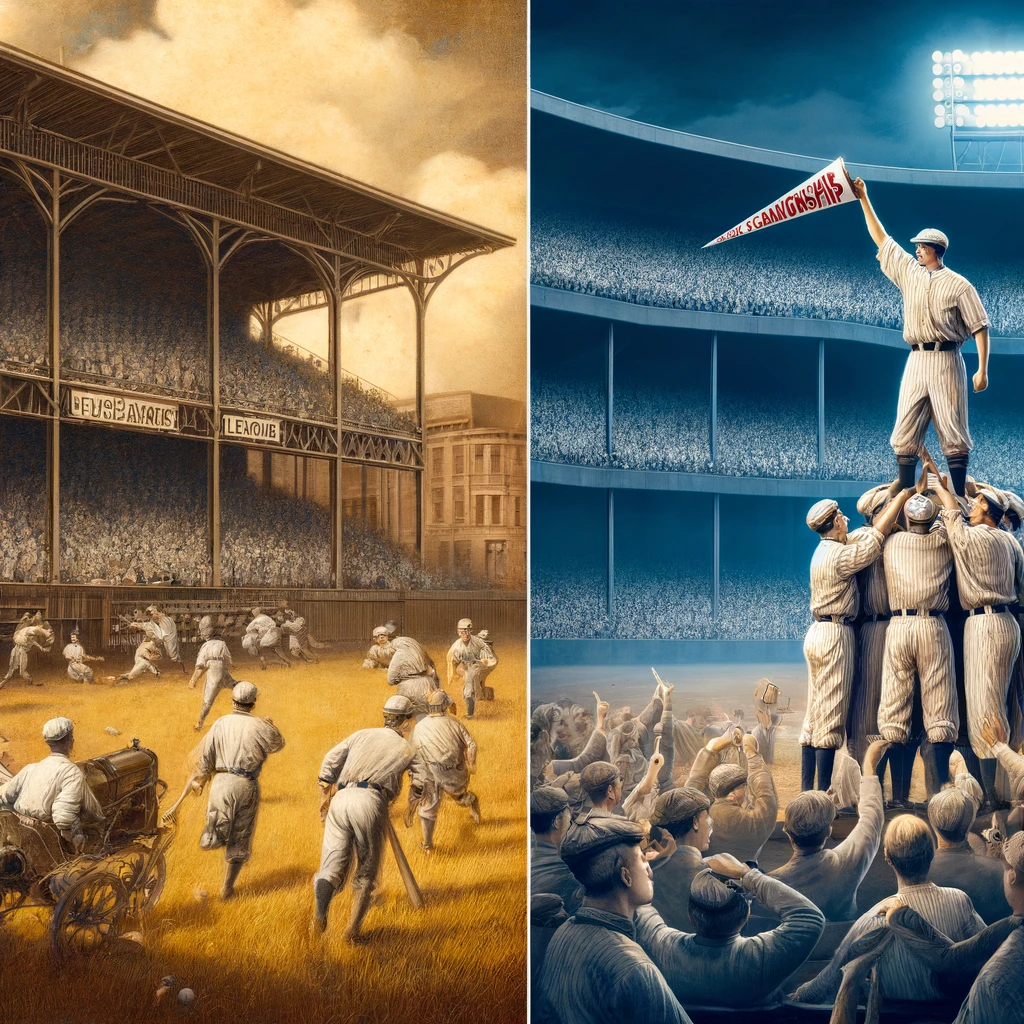
The World Series is where legends are made and legacies are cemented. Every baseball fan can recall iconic World Series moments that stand out in the sport’s rich history. The 1975 World Series, featuring Carlton Fisk’s game-winning homer in Game 6, remains an indelible image in the annals of baseball. Fisk’s celebration, waving the ball fair as it sailed over the Green Monster, epitomizes the joy and drama of the World Series.
The 1988 World Series gave us Kirk Gibson’s magical pinch-hit home run in Game 1 off Dennis Eckersley. Despite his injuries, Gibson hobbled to the plate and delivered a moment for the ages, propelling the Los Angeles Dodgers towards victory. The 2016 World Series, where the Chicago Cubs ended their 108-year championship drought, will forever be remembered for its dramatic Game 7, featuring a rain delay and extra innings that culminated in the Cubs’ historic win.
The World Series also showcases team dynasties, such as the New York Yankees’ dominance with 27 championships, including their historic run from 1996 to 2000. Each decade has its defining teams and players, and the World Series is the ultimate stage where the best of the best clash for baseball supremacy. These clashes not only determine the champions but also provide a lasting impact on the culture and history of the sport.
The Role of Fans and Tradition
Baseball’s postseason atmosphere is incomparable, and much of that can be attributed to the fans and the traditions that surround the game. The excitement and anticipation that build as the playoffs unfold are palpable, creating a sense of community among fans who rally behind their teams with unwavering support. From the packed stadiums filled with roaring crowds to the rituals and superstitions that fans adhere to, the postseason is as much about the spectacle off the field as it is about the action on it.
Traditions such as the seventh-inning stretch, ceremonial first pitches, and the presentation of the Commissioner’s Trophy contribute to the unique charm of postseason baseball. Legends and alumni often return to their former ballparks, evoking nostalgia and bridging the gap between generations of fans. This deep-rooted connection between the past and present is what keeps the history of the game alive and thriving.
The distinct environments of different ballparks add to the charm of the postseason. Whether it’s the ivy-covered walls of Wrigley Field, the Green Monster at Fenway Park, or the electric atmosphere of Yankee Stadium, each venue provides a unique backdrop for playoff drama. Fans’ passion and loyalty are visible in every cheer, every chant, and the sea of team colors that transform the ballparks into fortresses of support.
Impact on Players and Their Careers
The pressure of postseason baseball can make or break a player’s career. For some, like Derek Jeter and Madison Bumgarner, October fame has cemented their status as legends. Jeter’s “Mr. November” home run in the 2001 World Series and Bumgarner’s dominance in the 2014 playoffs are testaments to their clutch performances on the biggest stage. These players are forever remembered not just for their regular-season feats, but for their ability to shine when the stakes are highest.
Conversely, the playoffs can also be cruel. Players like Bill Buckner and Mitch Williams are often remembered for their postseason missteps more than their successful careers. Buckner’s error in the 1986 World Series and Williams’ fateful pitch in the 1993 World Series underscore the fine line between hero and goat in the pressure-cooker environment of postseason baseball.
Postseason success can elevate players to new heights, earning them accolades, endorsements, and a place in baseball history. For some, a memorable playoff run leads to future Hall of Fame consideration, as their performances in October become an integral part of their legacy. The intensity and scrutiny of postseason games forge lasting reputations, rewarding those who thrive and leaving an indelible mark on those who falter.
Conclusion
The journey through the playoffs and the ultimate triumph in the World Series embody the essence of baseball’s allure. The power of the pennant chase, the historic league championships, and the World Series provide a rollercoaster of emotions that captivate fans and players alike. From the thrilling Wild Card contests to the dramatic LCS showdowns and the iconic World Series moments, the postseason is a celebration of baseball at its finest.
The evolution of the playoffs has only added to the game’s richness, ensuring that no path to the World Series is ever easy. It requires a blend of skill, perseverance, and sometimes a touch of destiny. The memories forged in October go beyond the field, resonating with fans who cherish the collective experience of rooting for their teams amidst the drama and excitement of the playoffs.
Whether it’s the legendary comebacks, the clutch performances, or the enduring traditions that define the postseason, the power of the pennant and the historic league championships continue to hold a special place in the heart of baseball. As each season ends, the promise of October and the magic of the World Series await, ready to add new chapters to the storied history of America’s pastime.
Frequently Asked Questions
1. What exactly is the significance of a pennant in Major League Baseball?
The significance of a pennant in Major League Baseball is both historic and emotional. The term “pennant” specifically refers to the flag awarded to the team that emerges victorious in their respective league — either the American League or National League — before advancing to the World Series. The origins of this term date back to the early days of the sport when a physical pennant, representing a team’s achievements and dominance in the league, was flown proudly in the stadium. Winning the pennant is a culmination of months of hard-fought battles and is a testament to a team’s prowess over the marathon of a regular season and the intensity of the playoffs. It symbolizes not only the team’s success but also the unyielding support of its fans. This chase, known as the “pennant race,” is pivotal in the MLB as it provides that satisfying climax to the regular season, driving the final thrill and frenzy as teams vie for a spot in the coveted World Series.
2. How did the pennant race evolve over the years in MLB?
The evolution of the pennant race in MLB is a fascinating journey through baseball history. Initially, the American and National League champions were determined solely by the best regular-season records. This method remained until the introduction of a new structure, prompted by the expansion of MLB in the 1960s. With more teams joining the league, it became crucial to create divisions to organize competitiveness effectively. This led to the birth of the league championship series (LCS) in 1969, introducing playoff rounds before the World Series. The division winners from both leagues began competing in a best-of-five format to crown the pennant winner. Later, in the 1980s, the LCS format evolved into the more familiar best-of-seven. These changes allowed more teams to participate in the last dash for glory, thrilling fans with exciting and unpredictable finishes. The 1994 introduction of the Wild Card further reshaped the race, allowing teams with the best records outside the division winners to compete in the playoffs. What this evolution has done is keep the excitement alive while accommodating the growing number of teams and fans alike.
3. Why are pennant-winning teams often remembered more than just individual game performances?
Pennant-winning teams hold a special place in the hearts of fans and are etched in baseball lore for reasons that go beyond individual game performances. Firstly, baseball is a team sport, where synergy and collaboration determine long-term success. Winning a pennant is a collective achievement that requires every player, from star sluggers to unsung bullpen heroes, to contribute. It creates narratives and memories that resonate with fans over time. The journey of grinding through a 162-game season, the challenges and adversities faced, and the triumphs experienced over months capture the imagination of the public. Furthermore, pennant winners are often synonymous with historical MLB moments and legendary plays that define eras and capture the spirit of baseball. Fans rally around these stories, which add layers to the team’s persona. Hence, pennant-winning teams often represent the embodiment of a successful season and a climactic chapter in a team’s history that resonates longer in the collective memory of baseball lore.
4. Can you share an example of a memorable pennant race in MLB history and its impact?
One of the most memorable pennant races in MLB history occurred in 1951, involving the New York Giants and the Brooklyn Dodgers. Known as the “Shot Heard ‘Round the World,” it was a thrilling climax to the National League pennant series. The Giants, 13½ games behind by mid-August, clawed their way back to tie the Dodgers, leading to a playoff game to decide the pennant. On October 3, 1951, the Giants’ Bobby Thomson hit a dramatic three-run home run in the bottom of the ninth inning of the third and deciding playoff game, helping the Giants overcome the Dodgers. This moment not only propelled the Giants to the World Series but also left an indelible mark on baseball and American sports history. It exemplified the unpredictability and excitement of the pennant race, showcasing the drama Major League Baseball could produce and cementing this event as a defining moment in sports culture. The impact was not only in terms of the teams involved but also through its reflection of an era where baseball held sway over America’s cultural landscape.
5. How has the introduction of the Wild Card affected the traditional pennant race and championships?
The introduction of the Wild Card in 1994 was a pivotal moment in MLB history, marking a significant shift in how teams vie for the pennant. Prior to its introduction, only division winners had the chance to compete for the league championship. With the Wild Card, teams that did not win their division but had one of the best records in the league were given a shot at the postseason. This change fundamentally altered the dynamic of the pennant race. On one hand, it revitalized the regular season by keeping more teams and fan bases engaged deeper into the season, as their playoff hopes were no longer dashed early. On the other hand, some purists argue it diluted the traditional, hard-fought race to the top, since a division winner’s record is not the sole determining factor for postseason qualification. Meanwhile, it added an extra layer of excitement and unpredictability by presenting more opportunities for heated playoff chases and epic comeback stories. The wild card created scenarios where teams hitting their stride late in the season could have significant playoff impacts, often disrupting the conventionally dominant teams’ pennant trajectories and adding an intriguing dimension to league championships.