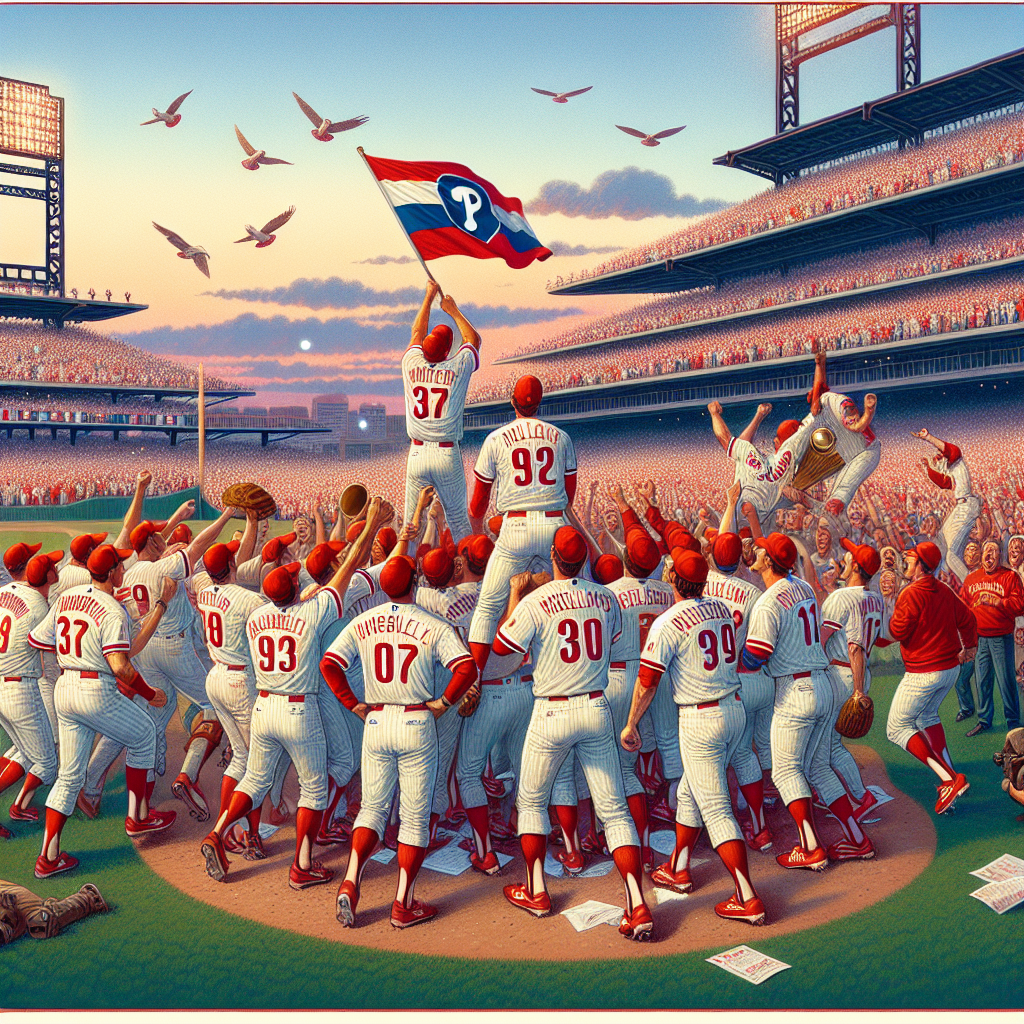
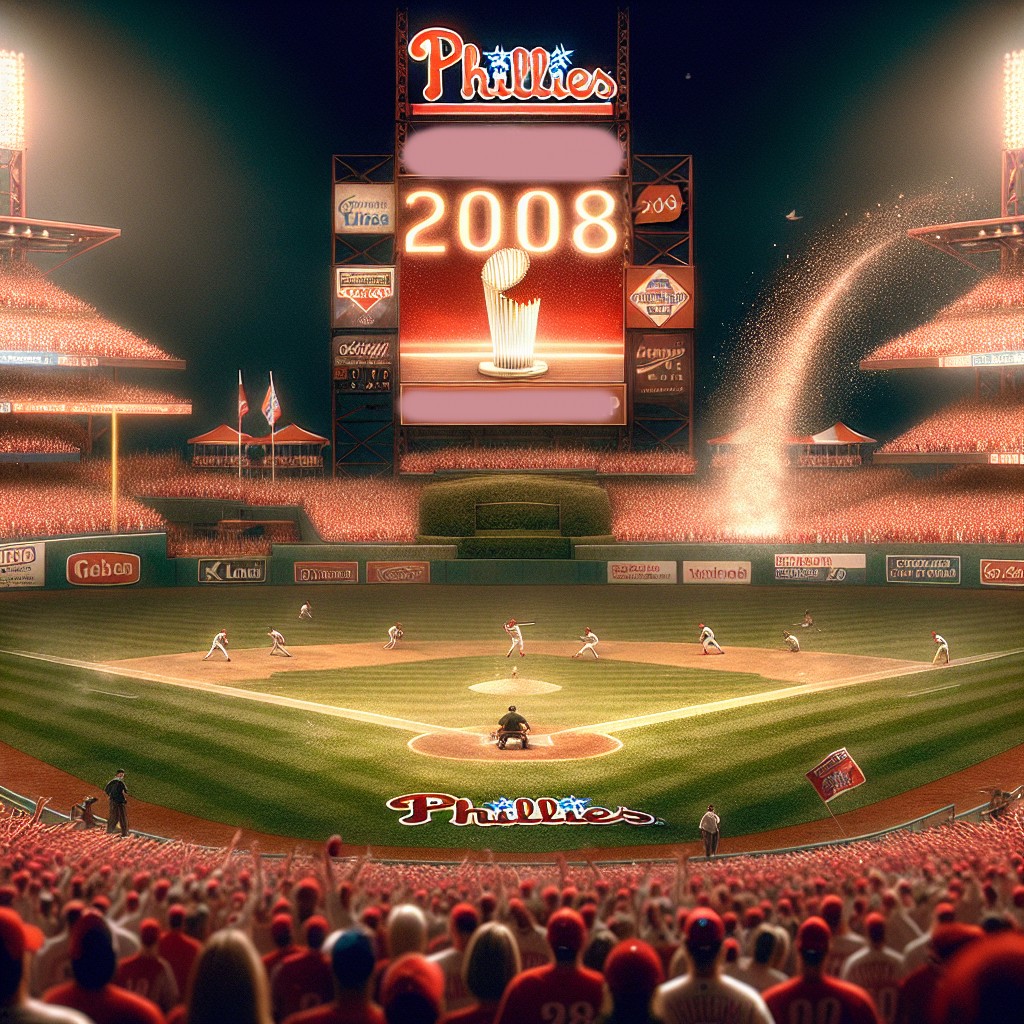
The 2008 Philadelphia Phillies are forever etched in the annals of baseball history. After nearly three decades of heartbreak and near-misses, the Phillies triumphantly captured the World Series title. This victory was much more than a championship win; it was a catalytic event that revived a city’s passion for baseball, bridged generations of fans, and cemented the legacies of key players and the managerial staff. Highlighting the unique journey of this team, we dive deep into the standout players, pivotal games, and essential strategic decisions that paved the way for their historic victory.
For Philadelphia, a city brimming with sports enthusiasm and fervor, the Phillies’ 2008 triumph was a long-awaited celebration. The season emerged as a turning point, providing a wave of optimism and nostalgia. The memories of past glories and the pain of seasons that ended in disappointment still lingered, making the eventual victory all the more poignant. This article explores how the 2008 team achieved this monumental feat, leaving an indelible mark on Major League Baseball (MLB) history.
Understanding the full breadth of the Phillies’ 2008 World Series win requires context. Examining the roster’s composition, the crucial mid-season trades, the atmosphere in the clubhouse, and the city’s ever-supportive fans provides deeper insights into the team’s journey. Philadelphia’s love for baseball, both at the local and national levels, was always intense, but the 2008 season brought a heightened sense of unity and purpose among the supporters.
The Roster: Talent and Chemistry
A World Series title is a testament not only to raw talent but also to team chemistry and strategic depth. The 2008 Philadelphia Phillies were a perfect blend of seasoned veterans and rising stars, each player embodying a distinct role in the team’s success. Ryan Howard, the power-hitting first baseman, provided a consistent source of runs with his formidable presence at the plate. Meanwhile, Chase Utley, known for his defensive prowess and clutch hitting, further solidified the team’s infield strength.
Pitching was another area where the Phillies excelled. Cole Hamels, the young left-hander, stood out phenomenally, winning the World Series MVP award for his stellar performances throughout the playoffs. Hamels was ably supported by a robust bullpen featuring Brad Lidge, who achieved a perfect season in saves, and Jamie Moyer, whose veteran experience and leadership were invaluable. The collective efforts of the pitching staff ensured that the Phillies maintained their competitive edge throughout the season and into the postseason.
The 2008 team also benefited from exceptional role players. Players like Shane Victorino, known as the “Flyin’ Hawaiian,” provided both speed on the bases and a reliable glove in the outfield. Jayson Werth emerged as a crucial player with his versatility and timely hitting. The bench depth, including contributions from players like Greg Dobbs and Matt Stairs, was instrumental in the team’s performance, especially during tight situations in the late innings of games.
Key Games of the Season
Certain games during the 2008 season played critical roles in defining the Philadelphia Phillies’ championship journey. One of the most notable regular season games was the September 27 clash against the Washington Nationals. In this game, the Phillies clinched the National League East title, fueled by a spectacular performance by starting pitcher Jamie Moyer and a game-saving catch by Shane Victorino. This game embodied the resilience and determination that characterized the entire season.
Another quintessential moment came during the National League Championship Series (NLCS) against the Los Angeles Dodgers. Game 4 of this series was particularly memorable, featuring a grand slam by Shane Victorino and a crucial homer by Matt Stairs. These clutch hits swung the momentum decisively in the Phillies’ favor, paving their path to the World Series.
The World Series itself offered a cornucopia of unforgettable moments. Weather interruptions and a suspended Game 5 added to the dramatic tension. When the game resumed two days later, Pedro Feliz delivered a game-winning RBI, sealing the Phillies’ victory. This momentous game underscored the never-say-die attitude that had become the team’s hallmark and sent ripples of ecstatic celebration through Philadelphia.
Management and Strategic Decisions
A successful baseball team is often the reflection of astute management and timely strategic decisions. The 2008 Philadelphia Phillies were no exception. Charlie Manuel, the team’s manager, played an integral role in steering the team to victory. Known for his player-friendly approach and keen baseball intellect, Manuel fostered a clubhouse culture rooted in mutual respect and relentless drive.
One of Manuel’s key decisions was his adept management of the bullpen. His confidence in closer Brad Lidge, who completed a perfect season in saves, showcased his ability to make pivotal decisions under pressure. Manuel’s knack for creating the right matchups, particularly during high-stakes games, contributed significantly to the team’s success.
Additionally, the front office made crucial acquisitions that fortified the roster. Mid-season trades brought players who filled specific voids, contributing to the team’s robust performance. For instance, Joe Blanton’s acquisition bolstered the starting rotation, and Matt Stairs added depth to the bench with his clutch-hitting capability. These strategic moves provided the necessary support to key players, ensuring the team’s overall strength and balance.
The Role of the Philadelphia Fans
Philadelphia’s fans, often described as some of the most passionate and dedicated in all of sports, played a crucial role in the team’s 2008 success. The electric atmosphere in Citizens Bank Park was palpable during home games, with fans providing unwavering support and energy that invigorated the players. The stadium’s boisterous environment was frequently credited by players and coaches alike for creating a home-field advantage that proved daunting to visiting teams.
This bond between the team and its fans extended beyond the confines of the stadium. The city’s communal spirit and shared anticipation for a championship created a deeply intimate and motivating environment for the players. Public displays of support, from city-wide parades to everyday interactions, made it clear that the Phillies were more than just a team—they were a source of collective pride and identity for the city of Philadelphia.
Moreover, the fanbase’s resilience and loyalty were key motivators. Many had endured decades of near-misses and frustrating seasons. This history of perseverance made the 2008 title especially cherished, fostering a profound sense of accomplishment and emotional release. In essence, the fans’ unwavering loyalty and fervor were integral elements that spurred the team toward their ultimate goal.
The Aftermath: Legacy and Impact
The 2008 World Series victory established a lasting legacy for the Philadelphia Phillies and had significant ramifications for the franchise’s future. This victory became a cornerstone moment, rejuvenating interest in baseball throughout Philadelphia and setting a new standard for the team’s future aspirations. Fans, old and new, found a renewed passion for the sport, leading to increased attendance and a burgeoning enthusiasm that carried forward in subsequent seasons.
Several players from the 2008 roster ingrained themselves as icons in Phillies’ lore. The achievements of Ryan Howard, Chase Utley, Cole Hamels, and Brad Lidge were celebrated far beyond 2008, their contributions remembered as seminal in the franchise’s history. Additionally, the World Series win contributed to the career legacies of these players, many of whom continued to make impactful contributions to baseball even after their time with the Phillies.
The victory also impacted the organizational philosophy, emphasizing the importance of strong roster construction and effective management. The 2008 season demonstrated the value of building a team not only with high-caliber talent but also with great clubhouse chemistry and strategic foresight. These lessons influenced the Phillies’ approaches to player development, acquisitions, and management in the years that followed.
Conclusion
The 2008 Philadelphia Phillies’ World Series triumph is more than a sports story—it’s a tale of resilience, strategic brilliance, and communal spirit. Breaking a 28-year drought, the team delivered a championship that resonated deeply with Philadelphia’s ardent fanbase. The players, management, and fans each played indispensable roles in this historic achievement, forging a legacy that continues to inspire and captivate to this day.
Reflecting on the events of that magical season underscores the multifaceted nature of sports victories. It’s not merely about winning games; it’s about the collective effort, the shared dreams, and the unyielding pursuit of excellence. The 2008 Phillies encapsulated these elements, creating a narrative that transcends the boundaries of time and remains an enduring chapter in the annals of baseball history.
Frequently Asked Questions
1. What made the 2008 Philadelphia Phillies’ World Series win so significant?
The 2008 Philadelphia Phillies’ World Series win was significant because it brought an end to a 28-year championship drought for the franchise. For nearly three decades, Phillies fans had endured a series of disappointments and almost-made-it moments. This long-awaited victory symbolized not only a win on the field but also a rejuvenation of the city’s love for baseball. Philadelphia, known for its passionate sports fans, rallied around the team, creating an electric atmosphere that transcended the city’s borders, uniting generations of fans. The win revitalized the Phillies’ legacy and firmly established them as a competitive team in Major League Baseball.
2. Who were the key players and figures during the 2008 season that contributed to the Phillies’ success?
Several key individuals were instrumental in the Phillies’ 2008 success. Starting with the players, Ryan Howard was a powerhouse at the plate, known for his impressive home runs and crucial RBIs. Chase Utley was a reliable source of offensive and defensive prowess, contributing clutch performances when needed most. Jimmy Rollins, the team’s charismatic shortstop, not only excelled in the field but provided leadership and a competitive edge as the team captain. Cole Hamels stood out on the mound, earning the World Series MVP title for his domination during the postseason. Off the field, Manager Charlie Manuel’s laid-back yet strategic approach was pivotal in keeping the team focused and cohesive, nurturing a winning mentality throughout the season.
3. How did the 2008 Phillies’ victory impact the city of Philadelphia?
The 2008 Phillies’ victory had a profound impact on the city of Philadelphia. It ended years of sports suffrage for the Philadelphia fanbase, many of whom had waited their entire lives to witness a Phillies championship. The win injected a fresh injection of pride and enthusiasm into the city’s sports culture. Throughout the season and especially during the postseason, the communal gathering of fans turned games at Citizens Bank Park into exhilarating experiences. Citywide celebrations erupted following the victory, with parades and gatherings uniting people from all walks of life, showing the power of sports in fostering community spirit and pride. Beyond the immediate celebrations, the win led to increased investment in the team and the sport, further embedding baseball into the cultural fabric of Philadelphia.
4. What challenges did the Phillies face during the 2008 season, and how did they overcome them?
The Phillies faced multiple challenges during the 2008 season, testing both their resilience and adaptability. Early in the season, there was pressure to shake off the disheartening end to their 2007 campaign, where they had been swept in the playoffs. Injuries also played a part, with bumps and bruises affecting some of their key players. However, the team’s depth was a shining factor; lesser-known players stepped up when stars were unavailable, exhibiting a next-man-up mentality. They went toe-to-toe with competitive division rivals, particularly the New York Mets, in a fierce battle for the NL East title. A combination of veteran experience, youthful energy, and the guidance of Charlie Manuel helped the team adapt, focusing on one game at a time to overcome adversity throughout the regular season and postseason.
5. How has the legacy of the 2008 Philadelphia Phillies influenced the franchise and its fans in the years since their championship win?
The legacy of the 2008 Philadelphia Phillies continues to resonate with the franchise and its fans. It set a precedent for future teams, providing a blueprint for success based on teamwork, resilience, and commitment. The championship victory is celebrated annually, with tributes paid to the key contributors and moments that defined that magical season. The emotional connection forged between the team and its supporters has endured, with the 2008 squad often serving as the benchmark against which current teams are compared. Players from that era are frequently honored and remembered, inspiring younger fans and athletes to pursue greatness. Moreover, the win led to a more robust commitment by club owners to maintain a competitive team, attracting talented players and staff who seek to emulate the glory of 2008, keeping the spirit of that defining year alive.