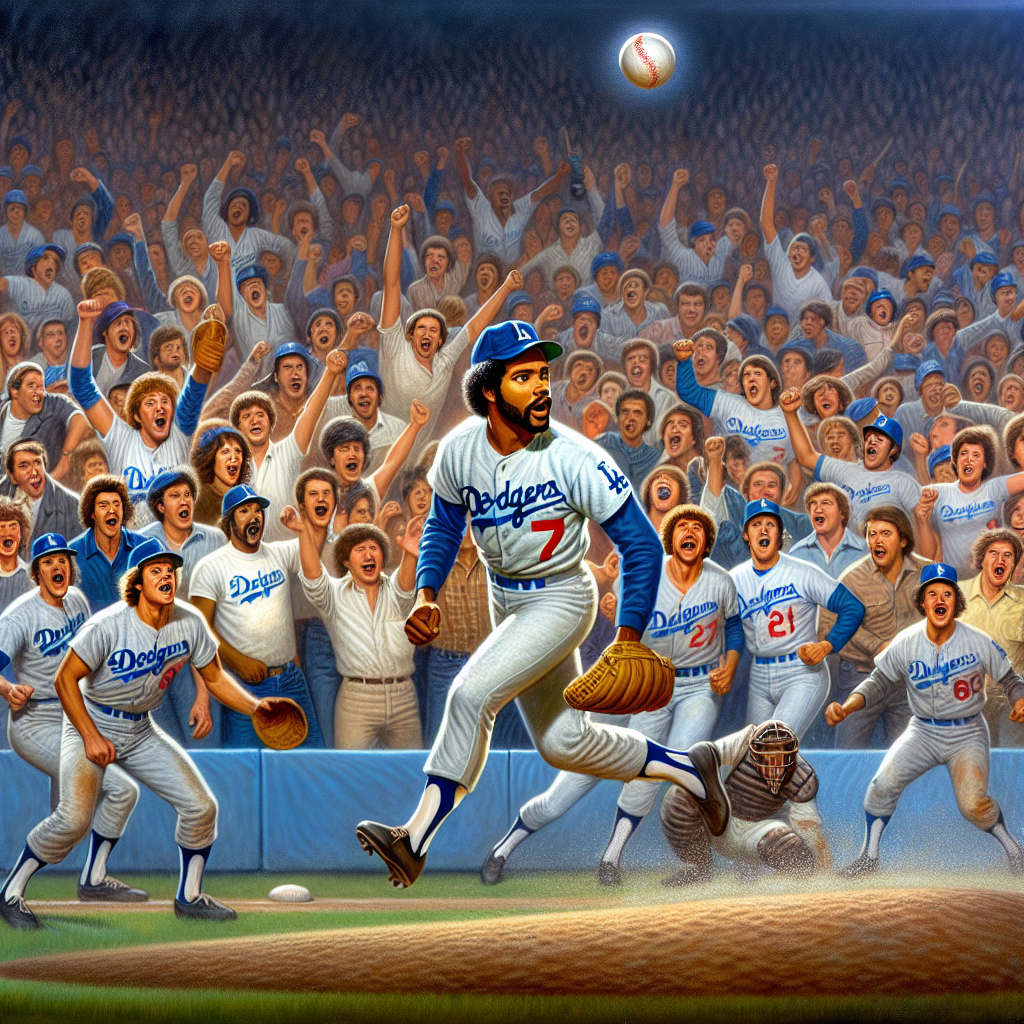
The 1981 Los Angeles Dodgers represented one of the most fascinating chapters in baseball history. With a team roster brimming with talent and an entire city rooting for their success, the Dodgers carved out a season that remains legendary to this day. However, this wasn’t just a tale of routine victories and standout performances. It was an enthralling narrative fueled by the magic of “Fernandomania” and a thrilling World Series showdown that solidified their place in the annals of Major League Baseball.
Larry Sherry, Johnny Podres, and Sandy Koufax had crafted legacies with the Dodgers in previous decades, and the 1981 team aimed to uphold this tradition. Still, few could have predicted the whirlwind of excitement that Fernando Valenzuela would introduce into the season. With his unique pitching style and unshakable poise, Valenzuela captivated fans and baffled hitters, becoming a phenomenon that transcended baseball.
Not to be overshadowed by the hullabaloo surrounding Fernando Valenzuela, the rest of the Dodgers roster featured a combination of seasoned veterans and emerging talent. Pitchers like Burt Hooton, Jerry Reuss, and reliever Steve Howe provided solid backing, while the batting lineup boasted powerful hitters such as Steve Garvey and Dusty Baker. The mixture of experienced players and youthful exuberance created a balanced team capable of extraordinary feats.
Off the field, the season faced its share of obstacles, primarily the mid-season player strike that threatened to derail the entire year. Despite these challenges, the Dodgers surged through adversity, showing grit and determination. Ultimately, their persistence paid off handsomely, leading them to a triumphant World Series victory that remains etched in the memories of baseball enthusiasts worldwide.
Fernandomania
Fernando Valenzuela was an enigma wrapped in a Dodger uniform. Arriving on the scene in 1981, the 20-year-old left-handed pitcher from Sonora, Mexico quickly became the focal point of a cultural phenomenon affectionately termed “Fernandomania.” With his signature screwball pitch and serene demeanor, Valenzuela set ablaze the Major Leagues, compelling fans and experts alike to take notice.
Valenzuela’s MLB debut was nothing short of sensational. He started the season with a shutout against the Houston Astros and proceeded to win his first eight games, including five shutouts. His remarkable performance earned him the National League Rookie of the Year and Cy Young Awards, making him the first player to ever win both in the same season.
It wasn’t just Valenzuela’s impressive stats that captivated the fans; it was also his charismatic personality and unique pitching routine. Valenzuela had an unorthodox delivery, often looking skyward just before throwing the ball, a move that delighted fans and perplexed batters. His demeanor off the field was equally charming, embodying a blend of humility and confidence that endeared him even further to the public.
The impact of Fernandomania transcended the sport. Valenzuela’s success led to a surge in popularity for baseball among the Latino communities in Los Angeles and across the nation. Attendance soared when the young phenom took the mound, and his games became must-watch events. Valenzuela’s legacy is not merely that of a standout athlete but as a cultural icon who broadened the appeal of baseball to a diverse audience.
Key Players and Roster
While Valenzuela undeniably stole the spotlight, the 1981 Dodgers were a cohesive unit composed of several key players who each played pivotal roles in their success. Veterans such as Steve Garvey, Ron Cey, and Davey Lopes brought experience and leadership to the team, guiding younger players through the pressures of a packed season.
Steve Garvey, the powerful first baseman, was a consistent force in the Dodgers’ lineup. Known for his clutch hitting and reliable defense, Garvey batted .283 during the season and delivered crucial performances throughout the playoffs. Third baseman Ron Cey, another cornerstone of the Dodgers, contributed both offensively and defensively, earning him the World Series co-MVP honors.
In the outfield, Dusty Baker and Pedro Guerrero added depth and power. Baker’s veteran savvy and Guerrero’s emerging talent gave the Dodgers flexibility and options, both at the plate and in the field. Baker, in particular, demonstrated his strategic acumen, often playing critical roles in tight games.
On the mound, aside from Valenzuela, pitchers like Burt Hooton and Jerry Reuss played vital roles. Hooton, with his solid performances, was instrumental in key games, while Reuss, a left-handed pitcher, held a 10-4 record and was known for his calm under pressure. Reliever Steve Howe also deserves mention, providing the Dodgers with reliable closing performances and securing pivotal saves throughout the season and playoffs.
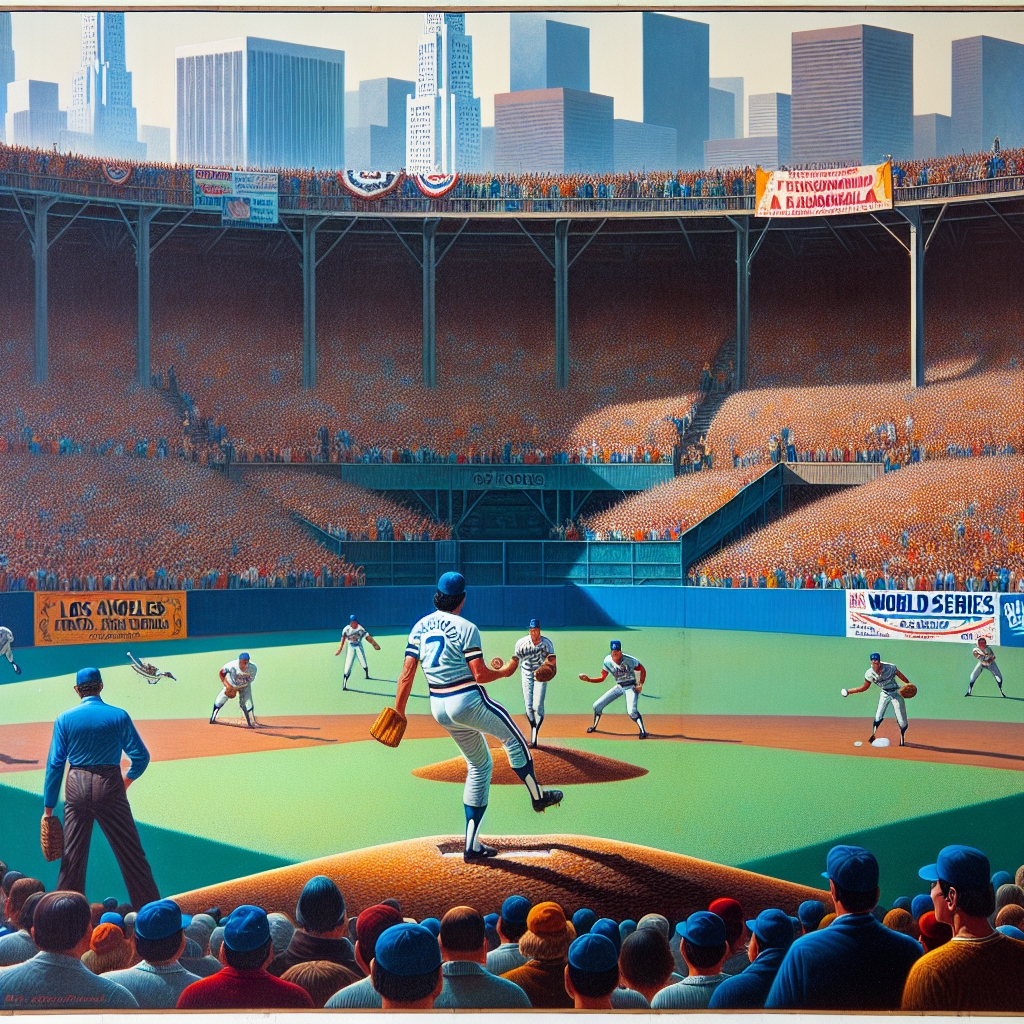
The Mid-Season Player Strike
The 1981 MLB season was not without its turmoil. The mid-season player strike that began on June 12th and lasted 50 days cast a shadow over the league, causing the cancellation of 713 games. This labor dispute left a void for fans and players alike, casting uncertainty over the season’s conclusion.
The strike, primarily over issues of free agency compensation, placed immense pressure on the league to find a resolution. Ultimately, it led to the creation of a split-season format, with the season resuming on August 10th. This unique format meant that teams with the best records in each half of the season would qualify for the playoffs, regardless of their overall record.
For the Dodgers, the strike’s impact was twofold. On one hand, it disrupted their rhythm and momentum, forcing them to adapt to a fragmented schedule. On the other hand, it allowed them time to regroup, recover from minor injuries, and refocus their efforts on the ultimate goal: the World Series.
The Dodgers responded to the strike-imposed hiatus with resilience. Once play resumed, they reclaimed their dominant form, navigating the unique playoff structure with determination. The experience of dealing with such an unprecedented challenge bonded the team further, fortifying their resolve to seize the championship.
Path to the World Series
The Dodgers embarked on their quest for the World Series title with an impressive playoff run. In the first round, they faced the Houston Astros in a best-of-five series. The Dodgers showcased their depth and talent, winning the series 3-2, with standout performances from both pitchers and hitters.
Next up were the Montreal Expos in the National League Championship Series (NLCS), a best-of-five contest. The Dodgers battled fiercely against the Expos, highlighted by Rick Monday’s dramatic game-winning home run in the deciding Game 5. This monumental hit propelled the Dodgers to a 4-3 victory, earning them a place in the World Series.
In the World Series, the Dodgers faced the formidable New York Yankees. This series was a rematch of the 1977 and 1978 World Series, both of which had been won by the Yankees. The Dodgers were determined to overturn their fortunes this time around.
The series started inauspiciously for the Dodgers, with two losses at Yankee Stadium. However, back at Dodger Stadium, they found their stride, winning the next three games with inspirational performances from the likes of Valenzuela, who pitched a complete game in Game 3. The Dodgers clinched the series in Game 6 at Yankee Stadium, with a decisive 9-2 victory led by home runs from Ron Cey, Pedro Guerrero, and Steve Yeager, all three of whom were named World Series co-MVPs.
Legacy of the 1981 Dodgers
The 1981 Los Angeles Dodgers are remembered not just for their World Series victory, but for how they captivated a city and a nation. “Fernandomania” added a layer of magic to the season, drawing scores of new fans to the game and giving the team an exhilarating edge.
The players’ performances during that season left an indelible mark on baseball history. Fernando Valenzuela’s unparalleled rookie year remains a benchmark for excellence and excitement. The contributions of veterans like Steve Garvey, Ron Cey, and Dusty Baker demonstrated the importance of experience and leadership in achieving success.
Additionally, the way the team navigated the challenges of the mid-season strike showed their resilience and adaptability under pressure. By coming together and performing when it mattered most, the Dodgers exemplified the qualities of a championship team.
The cultural impact of the 1981 Dodgers cannot be overstated. Valenzuela’s success broadened baseball’s reach within the Latino community, fostering a more inclusive environment in the sport. This season set a precedent for how athletic achievements can transcend the field and influence broader societal change.
Conclusion
The 1981 season stands out as a shining moment in the storied history of the Los Angeles Dodgers. Through the electric phenomenon of “Fernandomania” and a determined, talented roster, the Dodgers captured the hearts of fans and etched their names into baseball lore. Their journey, fraught with challenges like the mid-season player strike, showcased their tenacity and unity.
As we look back at the 1981 Dodgers, it’s clear that their success was a combination of individual brilliance and collective effort. Fernando Valenzuela’s stellar debut season brought a unique spice to the league, while the veteran players ensured that each game was grounded in strategy and precision. Their eventual triumph in the World Series against the Yankees was a testament to their hard work and unparalleled teamwork.
Beyond the statistics and the victories, what remains most memorable about the 1981 Dodgers is the spirit with which they played the game. They overcame adversity, brought joy to countless fans, and created memories that continue to resonate. Their story is not just one of baseball, but one of cultural significance and enduring inspiration.
For the fans who experienced the 1981 season, the echoes of each pitch, each home run, and each win still linger. For newer generations, the legacy of the 1981 Dodgers offers a rich narrative of what can be achieved with talent, determination, and a bit of magic. In celebrating the 1981 Dodgers, we celebrate the timeless allure of baseball itself.
Frequently Asked Questions
What was “Fernandomania” and how did it impact the Dodgers in 1981?
“Fernandomania” was a phenomenon that swept through Major League Baseball in 1981, centered around the incredible debut season of Fernando Valenzuela, a young pitcher from Mexico. Valenzuela, with his unique windup and remarkable ability to throw a screwball, quickly captured the hearts of Dodgers fans and became a sensation across the nation.
His impact on the Dodgers was profound. As a rookie, Valenzuela immediately established himself as one of the team’s best pitchers, starting the season with an unprecedented 8-0 record, alongside five shutouts in his first seven starts. His performance not only energized his teammates but also brought a new level of excitement to games that drew in enormous crowds. Home games at Dodger Stadium consistently sold out, with fans eager to witness the magic Valenzuela brought to each start.
The term “Fernandomania” described more than just Fernando’s bright talent; it captured a cultural moment. He became a symbol of pride for the Latino community in Los Angeles and connected with audiences far beyond traditional sports fans. This wave of enthusiasm helped push the Dodgers to a successful year culminating in a World Series win, solidifying Valenzuela’s indelible mark on baseball history.
How did the 1981 Major League Baseball strike affect the Dodgers’ season?
The 1981 Major League Baseball season was interrupted by a players’ strike that significantly impacted the schedule, including that of the Los Angeles Dodgers. The strike began on June 12 and lasted until August 9, cutting the season into two halves. This stoppage resulted in a shortened 110-game schedule compared to the usual 162 games.
Teams that led their divisions before the strike were declared unofficial “first-half” winners and secured spots in a newly devised, playoff-oriented season format. The Dodgers, who were leading the National League West division when the strike began, found themselves beneficiaries of this new system.
The strike and the split season created challenges and opportunities for the Dodgers. They spent the intermission staying fit and prepared, knowing they had a playoff position secured. Upon the resumption of the season, the Dodgers faced increased pressure; they had to maintain focus despite the abbreviated and staggered format. Ultimately, the team rose to the occasion, successfully navigating the new playoff structure and eventually capturing the World Series title, showcasing their resilience and ability to adapt to unprecedented circumstances.
What were some key highlights of the Dodgers’ 1981 World Series victory?
The 1981 World Series marked a triumphant moment for the Los Angeles Dodgers as they overcame the New York Yankees in six games to capture the championship. Several key highlights defined this memorable series:
1. **Game 3 Dramatic Comeback:** Entering Game 3 at Dodger Stadium, the Dodgers were down two games in the series. L.A. managed a crucial victory by pulling off a dramatic rally, rejuvenating their momentum and turning the tide of the championship.
2. **Pedro Guerrero’s Game 6 Performance:** Pedro Guerrero emerged as an indisputable hero in the decisive Game 6. Displaying versatility and skill, he contributed both offensively and defensively, hitting a home run, driving in five runs, and delivering major clutch plays. He rightfully earned a share of the World Series MVP award.
3. **Steve Yeager’s Contributions:** In tandem with Guerrero, Steve Yeager played a significant role as well, providing key hits and catching brilliant games behind the plate. Together with Guerrero, he shared the World Series MVP honors.
4. **Solid Pitching Performances:** Along with Fernando Valenzuela, Dodgers’ veteran pitchers like Burt Hooton and Jerry Reuss delivered strong outings, effectively containing the Yankees’ powerful lineup. Their effort underscored the depth and quality of the Dodgers’ pitching roster.
These highlights, coupled with the team’s unwavering spirit and ability to capitalize on their collective strengths, defined the Dodgers’ successful World Series campaign and left a lasting legacy in Major League Baseball’s storied history.
How did the Los Angeles fans contribute to the Dodgers’ success in 1981?
The Los Angeles fans played a crucial and dynamic role in propelling the Dodgers toward their successful 1981 season. These passionate and devoted fans embraced “Fernandomania” wholeheartedly, creating a palpable energy that lifted the team at every crucial juncture.
Home games at Dodger Stadium saw incredible turnout, with sellout crowds rallying behind their team, especially during the intensity of playoff and World Series games. The support helped turn Dodger Stadium into an electric fortress for visiting teams. The enthusiasm of the fans provided an additional edge – their sheer volume and fervor motivating players to push themselves further and reach higher levels of performance.
Beyond the ballpark, the energy extended throughout Los Angeles. The sense of community and shared identity with the team created a positive feedback loop. The fans’ faith and pride in the Dodgers meant that, regardless of the season’s ups and downs – including overcoming the logistical complications of the strike – the team always felt buoyed by an unshakeable local support.
This extraordinary connection between the Dodgers and their fans was pivotal in setting the tone for the team’s tenacity and eventual triumph in the 1981 World Series, showcasing the essential role that dedicated fans can play in the narrative of a team’s success.
What legacy did the 1981 Dodgers and “Fernandomania” leave behind in baseball?
The legacy left behind by the 1981 Dodgers and “Fernandomania” is vast, influencing not just the Los Angeles Dodgers but also fans, creating a ripple effect in the larger baseball community. Fernando Valenzuela became an iconic figure, not only for his remarkable talent and accomplishments on the field but also for his cultural impact, bridging communities and inspiring new generations of fans and players.
Valenzuela’s unique style and success as a rookie who won both the Cy Young and Rookie of the Year awards in the same season set a high bar for future pitchers. It redefined expectations, particularly for young and international baseball talents, opening doors and opportunities for players from non-traditional backgrounds.
For the Dodgers as a team, the 1981 World Series victory marked the beginning of a new era. It reinforced their status as a major powerhouse in baseball during the 1980s. The season became a symbol of resilience and unity, showcasing how a team could navigate challenges like a players’ strike and capitalize on unique circumstances with perseverance and team cohesion.
The fusion of sports excellence and cultural narrative in the 1981 season added to the mystique of the Dodgers’ franchise. It embedded them into the fabric of Los Angeles sports culture, with “Fernandomania” transcending conventional sports fame to become a cherished chapter in both the city’s and Mexico’s baseball folklore, lasting even to this day.