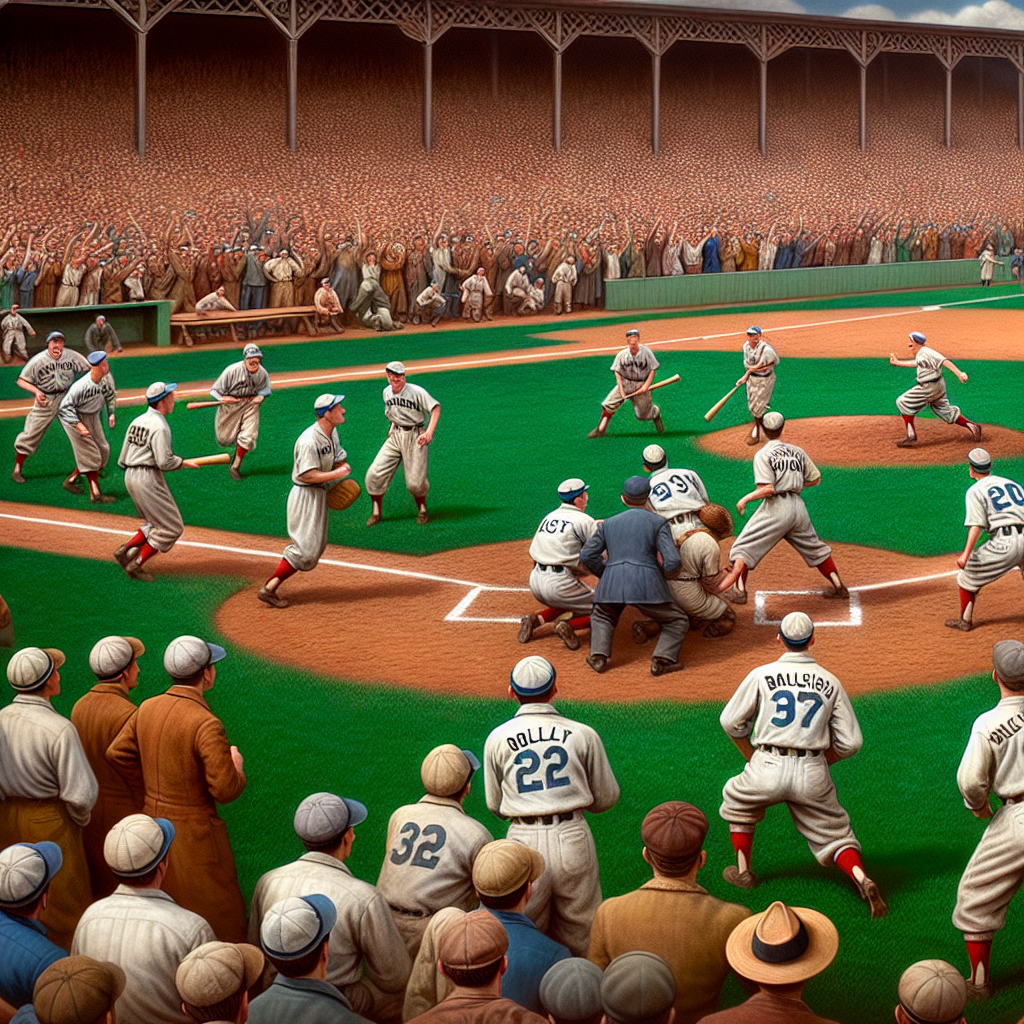
Baseball has seen many extraordinary teams throughout its storied history, but few have left as indelible a mark as the 1948 Boston Braves. This remarkable squad, affectionately known as the “Miracle Braves,” captivated audiences with their resilience, skill, and unwavering team spirit. During an era of fierce competition and shifting dynamics in Major League Baseball (MLB), the 1948 Boston Braves rose to prominence, electrifying fans and carving their names into the annals of baseball history.
Founded in 1871, the Boston Braves have had a storied presence in MLB. However, the road leading up to their miracle season was fraught with challenges. The team had experienced fluctuating success, including a World Series win in 1914, but the subsequent decades were marred by a mix of mediocrity and disappointment. By the time the 1948 season rolled around, the Braves had not enjoyed a pennant win for over three decades.
With the post-World War II era marking a new beginning for many professional baseball teams, the Boston Braves saw it as an opportunity to reinvent themselves. It was a season defined by not just the talent on the field but also the impregnable camaraderie and strategic brilliance of both players and management. The journey of the 1948 Boston Braves would prove to be a roller-coaster ride of grit, determination, and tactical prowess.
The Pre-Season Build-Up
The story of the 1948 Boston Braves begins with the pre-season preparations. Front office strategies, roster adjustments, and intense training sessions set the stage for a phenomenal season. Managing the team was Billy Southworth, an adept strategist with an impressive baseball acumen. Alongside him, General Manager John Quinn played a pivotal role in orchestrating important trades and signings during the off-season. The recruitment of key players turned out to be crucial for the team’s fortunes.
Southworth and Quinn were determined to craft a squad that could stand toe-to-toe with the league’s best. Among the vital acquisitions were Bob Elliott, an infielder who would go on to win the National League (NL) MVP award the previous year, and Warren Spahn, a left-handed pitcher who would become a cornerstone of the Braves’ pitching rotation. Other notable players included Johnny Sain, an ace pitcher who provided a formidable counterpart to Spahn, and Earl Torgeson, whose prowess as a first baseman added depth to the batting lineup.
The training camp saw the Braves polishing their strengths and addressing their weaknesses. Billy Southworth focused on team cohesion, ensuring that each player understood their role and contributed effectively. The sense of optimism began to build, with fans and pundits alike starting to take notice of the Braves’ potential. Little did they know, the 1948 season would exceed even the loftiest of expectations.
The Ascent to the Top
The regular season was a testament to the Braves’ tenacity and skill. Kicking off with a series of strong performances, the team quickly established themselves as contenders. The combination of Spahn and Sain, often referred to by the famous phrase “Spahn and Sain and pray for rain,” dominated the pitching mound. Their exceptional performances were critical in securing vital wins, propelling the Braves up the standings.
Offensively, the team displayed an impressive blend of power and precision. Elliott, the stalwart third baseman, continued his high-level play, providing both offensive firepower and defensive stability. Tommy Holmes and Clint Conatser offered consistent batting performances, each contributing timely hits that turned the tide in crucial games. The team’s overall batting average and home run tally eclipsed many of their competitors, further fueling their climb towards the pennant.
Key series victories against division rivals – particularly the St. Louis Cardinals and the Brooklyn Dodgers – highlighted the Braves’ dominance. These wins served to galvanize the squad, tightening their grip on the top spot in the National League. The Braves’ journey was not without its challenges, though. Faced with injuries and dips in form, the team’s resilience was tested. However, the collective spirit, bolstered by Southworth’s leadership, ensured they stayed the course.
The Pennant Race
As the regular season drew to a close, the race for the National League pennant intensified. The Boston Braves found themselves in a tight contest against the Brooklyn Dodgers and the St. Louis Cardinals. Every game became a battle, with margins for error increasingly slim. This was where the Braves showed their mettle.
Spahn and Sain, once again, rose to the occasion, delivering clutch performances down the stretch. Spahn’s knuckleball and Sain’s fastball proved nearly unhittable as the duo consistently outmaneuvered their opponents. Their pitching prowess was complemented by timely hitting from the likes of Elliott, even as previously underperforming players stepped up to provide critical contributions. This collective effort ensured that the Braves maintained their lead in the standings.
One of the defining moments of this phase was a three-game series against the Dodgers, which saw the Braves emerge victorious, effectively clinching the pennant. This triumph rekindled memories of the long drought that Braves fans had endured and ignited celebrations across Boston. The Braves had done it—they were heading to the World Series for the first time since 1914.
The World Series Showdown
The 1948 World Series pitted the Boston Braves against the Cleveland Indians, a formidable opponent brimming with talent. This series was keenly anticipated, not just for its competitive implications but also for the storylines surrounding both teams. For the Braves, it was a chance to cap off a miracle season; for the Indians, it represented an opportunity to secure a historic win for their franchise.
Game one saw Johnny Sain stepping onto the mound for the Braves. His performance lived up to the high expectations as he delivered a masterful complete-game victory, giving the Braves a crucial series lead. However, the Indians fought back in game two, showcasing their offensive strength to level the series.
As the series progressed, the Braves encountered stiff resistance from the Indians. The Indians’ pitching, led by Bob Feller, and their hitting lineup presented a formidable challenge. Despite valiant efforts, including stellar performances by Spahn and Sain in subsequent games, the Braves found themselves on the back foot. Errors and missed opportunities haunted the Braves, as the decisive momentum eluded them.
Ultimately, the Indians claimed the series in six games, but the Braves’ journey to the World Series solidified their place in baseball lore. The Braves may not have won the championship, but their story of determination and grit left a lasting legacy.
Legacy and Impact
The 1948 Boston Braves’ season had far-reaching implications beyond just the games played. It marked a turning point for the franchise, reigniting the passion of a fanbase that had waited over three decades for a pennant. This team showcased the importance of strategic management, team chemistry, and individual brilliance.
Players like Warren Spahn and Johnny Sain became iconic figures in baseball history, with their contributions etched into MLB folklore. Spahn went on to have a Hall of Fame career, while Sain enjoyed continued success as both a player and later as a pitching coach. The leadership of Billy Southworth was also validated, as his managerial acumen was a key component in the Braves’ success.
Financially, the Braves’ remarkable season bolstered the franchise’s fortunes, drawing increased attendance and revenue. The team’s success revitalized baseball in Boston, at least for a time, competing fiercely with the city’s other baseball representatives, the Red Sox.
Moreover, the 1948 Braves season remains a source of inspiration for future generations. It epitomizes how a team, once considered underdogs, can rise to exceptional heights through resilience and collective effort. Their journey from long-standing obscurity to the pinnacle of the National League serves as a reminder of the unpredictable and thrilling nature of baseball.
Conclusion
The 1948 Boston Braves will forever be remembered as the “Miracle Braves,” a team that captured the hearts of fans and carved out a unique place in the annals of baseball history. Their journey to the World Series, marked by strategic brilliance, individual heroics, and indomitable team spirit, remains a storied chapter of Major League Baseball.
Under the adept management of Billy Southworth and the outstanding performances of players like Warren Spahn and Johnny Sain, the Braves overcame their long-standing struggles to emerge as National League champions. The legacy of their 1948 season extends beyond their World Series run, symbolizing the very essence of what makes baseball America’s favorite pastime.
As we reflect on the passionate displays of skill and determination that defined this magical season, it is evident that the 1948 Boston Braves embody the spirit of baseball. They remind us that, in this beloved sport, miracles can happen, and legends can be forged when least expected. For modern baseball aficionados and history enthusiasts alike, the “Miracle Braves” of 1948 serve as an enduring symbol of hope, perseverance, and triumph.