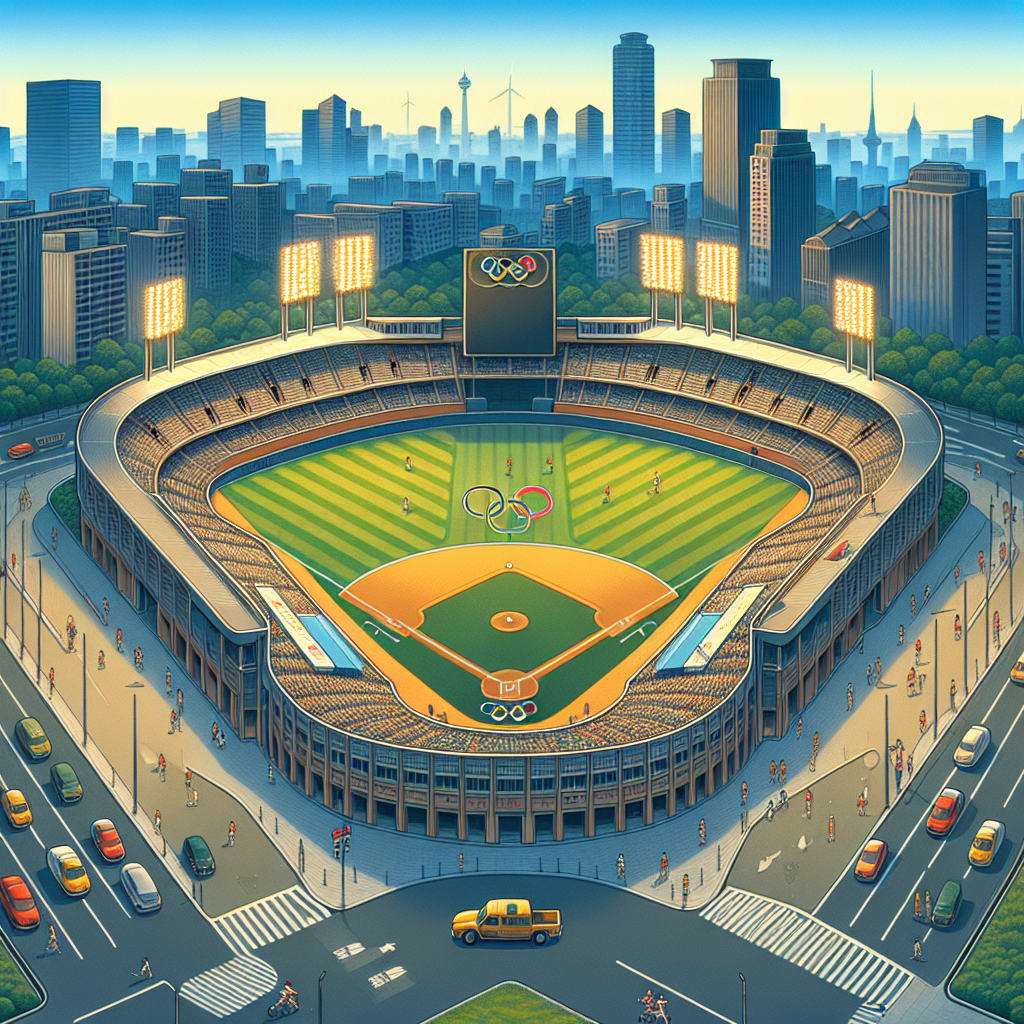
Turner Field in Atlanta is an iconic baseball ballpark that has a rich history, blending the excitement of the Olympic Games with the passion for Major League Baseball. Originally constructed for the 1996 Summer Olympics, Turner Field has undergone significant transformations to become the beloved home of the Atlanta Braves. In this comprehensive article, we’ll explore the fascinating journey of Turner Field from an Olympic venue to a major baseball ballpark, delving deep into its architectural changes, memorable moments, and lasting impact on the sports world.
Introduction: From Dreams of Gold to Diamond Glory
In the mid-1990s, Atlanta was abuzz with the excitement of hosting the Centennial Olympic Games—a significant milestone in sports history. As part of the preparations, a world-class stadium was commissioned to host the games’ premier events. Turner Field, initially known as Centennial Olympic Stadium, was constructed to be the centerpiece of the 1996 Summer Olympics. The stadium, with a seating capacity of 85,000, was designed to exhibit world-class athletic performances while also considering its future conversion into a baseball park.
Post-Olympics, the enormous task of converting the Olympic Stadium into a baseball-specific venue commenced. Named in honor of media mogul and former Braves owner Ted Turner, Turner Field soon became the home of the Atlanta Braves in 1997. This transformation journey was more than just an architectural venture; it marked a new era for the Braves and Major League Baseball. The stadium’s design was thoughtfully adjusted to cater to the unique requirements of a modern baseball park, offering expansive sightlines, modern amenities, and a passionate home atmosphere.
Turner Field was more than just a place for baseball games; it became a symbol of Atlanta’s cultural and sports renaissance. Over the years, it hosted numerous memorable moments that etched themselves in the annals of baseball history. The Braves brought a unique charm to Turner Field, making it a revered landmark for fans and players alike, with its own set of traditions and vibes.
The Architectural Metamorphosis
Turning a massive Olympic Stadium into a baseball ballpark was no small feat. The transformation project required both architectural brilliance and logistical precision. Key changes included removing the upper deck and reshaping the lower bowl to create a more intimate and fan-friendly environment. The new Turner Field could accommodate around 49,000 spectators—significantly fewer than the original Olympic Stadium but essential for providing the electric atmosphere associated with baseball games.
A signature feature of Turner Field was its expansive main scoreboard, which became a focal point for fans. The stadium’s design allowed spectators to have unimpeded views of the field from virtually every seat, enhancing the overall fan experience. Significant attention was given to creating top-tier amenities, such as spacious concourses, numerous concession stands, and state-of-the-art restrooms, ensuring a comfortable and enjoyable visit for everyone.
The Braves’ move to Turner Field also involved creating a unique baseball-specific infrastructure. The installation of dugouts, bullpen areas, and a lush outfield made Turner Field a truly world-class baseball venue. This meticulous attention to detail helped the stadium gain a reputation as one of the best places to watch a Major League Baseball game.
Historic Moments and Legendary Players
Turner Field witnessed numerous historic moments that showcased the talents of some of baseball’s most legendary players. From dramatic walk-off wins to no-hitters, the ballpark became the stage for unforgettable events. Players like Chipper Jones, Greg Maddux, Tom Glavine, and John Smoltz created lasting legacies at Turner Field, contributing significantly to the Braves’ storied history.
One of the most memorable events in Turner Field’s history was Hank Aaron’s 715th career home run. Although this moment occurred before Turner Field’s existence, the Braves honored Aaron’s legacy with a statue at the ballpark, reminding fans of his immense contribution to baseball and the Braves’ organization. Turner Field also hosted numerous postseason games, including thrilling National League Championship Series and dramatic Division Series matchups, further cementing its place in baseball lore.
The ballpark became a place where fans could witness the rise of new stars and the continuation of legendary careers. The camaraderie and energy within the stadium were palpable, making it a cherished destination for generations of baseball enthusiasts. Turner Field’s atmosphere was electric, with fans passionately supporting their team through thick and thin.
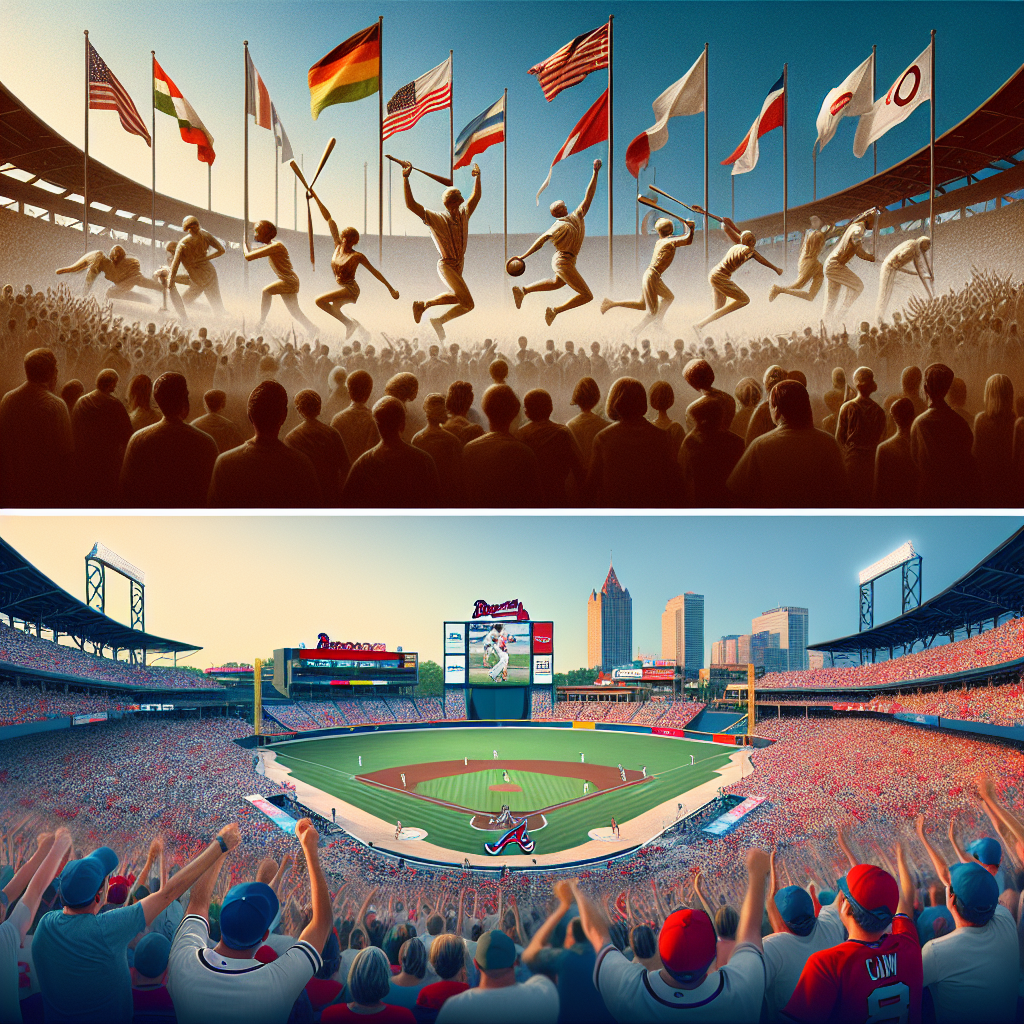
Community Engagement and Cultural Impact
Turner Field wasn’t just a sports venue; it played a crucial role in the local community. It became a hub for baseball enthusiasts and strengthened the bond between the Braves and their fans. The stadium hosted numerous events beyond baseball games, including concerts, charity events, and community gatherings. Turner Field became a unifying force in Atlanta, bringing people together for various occasions.
The surrounding neighborhoods also benefited from Turner Field’s presence. Local businesses flourished, and the area’s economic activity increased significantly. The ballpark’s influence extended beyond sports, contributing to the cultural and social fabric of Atlanta. The Braves’ commitment to community engagement was evident through their various outreach programs and partnerships with local organizations.
Turner Field also embraced the digital age, incorporating modern technology to enhance the fan experience. The Braves introduced interactive apps, social media engagement, and digital upgrades within the stadium, ensuring fans stayed connected and engaged during games. This blend of tradition and innovation made Turner Field a progressive ballpark that catered to both longtime fans and new generations of baseball enthusiasts.
The Transition to SunTrust Park
Despite its storied history, Turner Field’s time as the Braves’ home came to an end in 2016. The team moved to a new state-of-the-art facility, SunTrust Park, now known as Truist Park, located in the suburbs of Cobb County. This transition marked the end of an era but also signaled the beginning of a new chapter for the Braves organization.
The decision to move was driven by various factors, including the desire for a more modern ballpark with enhanced amenities and improved accessibility for fans. SunTrust Park offered an array of cutting-edge features, including a mixed-use development called The Battery Atlanta, which provided fans with a comprehensive entertainment experience. While Turner Field held cherished memories, Truist Park represented the future of Braves baseball.
The final game at Turner Field on October 2, 2016, was a bittersweet moment for fans and players alike. The Braves organized a special ceremony to honor the ballpark’s legacy and thank the fans for their unwavering support over the years. The farewell was emotional, as fans reminisced about the countless unforgettable moments that took place within its walls.
Turner Field’s Legacy and Its Impact on Baseball
Turner Field’s legacy extends far beyond its years as a baseball venue. It remains an integral part of Atlanta’s sports history and continues to be remembered fondly by fans and players. The ballpark’s transformation from an Olympic venue to a beloved baseball stadium exemplifies the adaptability and enduring appeal of sports architecture.
As Turner Field transitions into a new phase of its existence, its impact on the Braves and Major League Baseball endures. The stadium’s legacy is preserved through memorabilia, documentaries, and the lasting memories cherished by those who experienced its magic firsthand. Turner Field’s story is a testament to the power of sports to unite communities, create lasting traditions, and inspire generations.
While Turner Field no longer hosts baseball games, its spirit lives on in the hearts of fans. Its influence can be seen in the design and features of Truist Park, ensuring that the legacy of Turner Field continues to shape the future of Braves baseball. The ballpark’s transformation from an Olympic centerpiece to a beloved baseball venue is a remarkable journey that highlights the enduring love of sports and the timeless appeal of America’s pastime.
Conclusion: A Journey Worth Celebrating
Turner Field’s remarkable journey from an Olympic venue to the home of the Atlanta Braves is a testament to the power of adaptability and vision. The transformation of this iconic ballpark captured the essence of both the Olympic spirit and America’s favorite pastime, creating a unique legacy that endures to this day.
The architectural metamorphosis of Turner Field was a stunning achievement, turning a vast Olympic Stadium into a fan-friendly baseball haven. The ballpark witnessed numerous historic moments and legendary players, etching itself into the annals of baseball history. Its cultural impact and community engagement further solidified its significance beyond the diamond.
Even as the Braves transitioned to their new home at Truist Park, the spirit of Turner Field lives on. Its legacy continues to inspire fans, players, and the city of Atlanta, reminding us of the incredible journey this iconic ballpark embarked upon. Turner Field’s transformation is a celebration of sports, community, and the enduring love of the game.
As we look back on Turner Field’s storied history, we celebrate not only the ballpark itself but also the countless memories and moments that made it special. The journey from Olympic glory to diamond excellence is a chapter in the history of baseball that will forever be cherished. Turner Field may no longer host games, but its legacy remains an integral part of the rich tapestry of Atlanta’s sports culture.