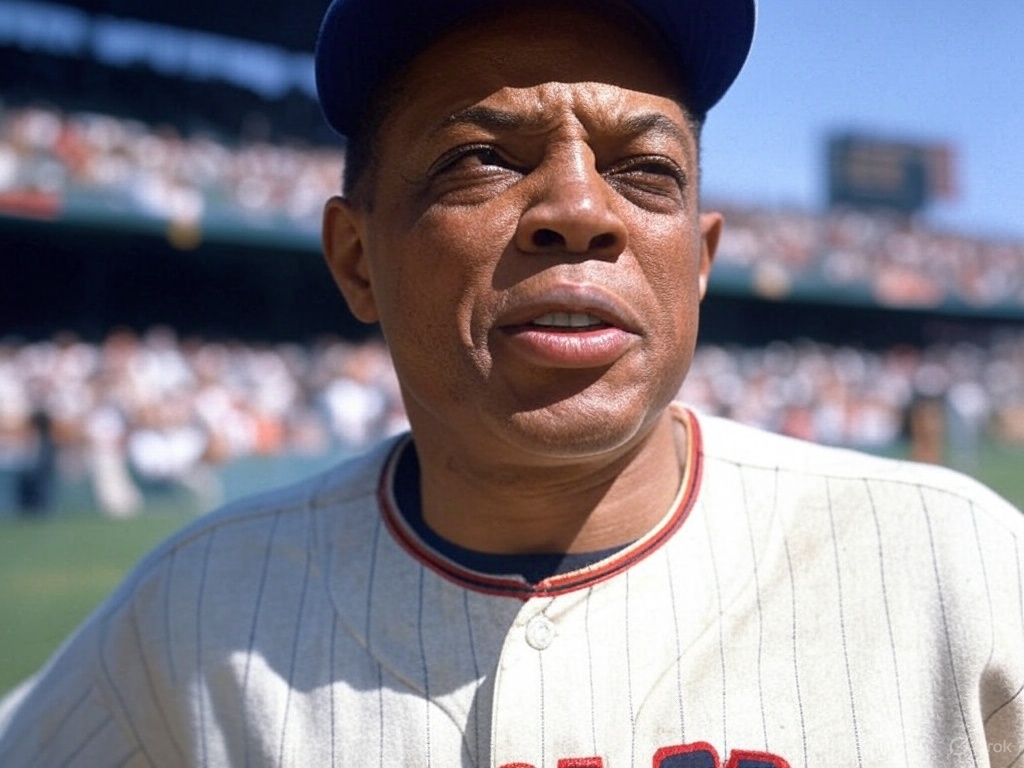
Willie Mays, an iconic name in the annals of baseball history, is revered as one of the greatest baseball players to ever grace the field. Born on May 6, 1931, in Westfield, Alabama, Mays grew up in a time when sports were undergoing significant evolution. As an immensely talented center fielder, his career spanned over two decades, during which he enthralled fans with his incredible athleticism, strong hitting, and defensive prowess. His illustrious career, primarily with the New York and San Francisco Giants, transformed the game and left an indelible mark on Major League Baseball (MLB). The brilliance of Willie Mays cannot merely be explained by his fame alone; it is the rich tapestry of statistical achievements that paints a complete picture of his baseball genius. From breathtaking catches to potent batting, Mays consistently delivered extraordinary performances that set benchmarks in baseball history. His statistics provide crucial insights into what made him an unstoppable force on the diamond.
Offensive Mastery: Batting Stats
Willie Mays’ prowess at the plate was a critical component of his legacy. Over his 22-season career from 1951 to 1973, Mays made the difficult art of hitting appear effortless. His career batting average of .302 stands as a testament to his effectiveness and consistency. It’s not just his average that sets him apart; Mays accumulated 3,283 hits, placing him among the top historical leaders in MLB for hits. This statistic reflects not only his longevity but his daily excellence.
A key element of his offensive arsenal was power hitting. Mays ranks fifth on the MLB all-time home run list with 660 homers. This power wasn’t just a consequence of sheer force – it was a blend of technique, timing, and intelligence at the plate. Mays demonstrated a natural ability for reading pitchers and anticipated opportunities to turn seemingly pedestrian pitches into home run potentials.
Beyond the home runs, Mays was a prolific scorer, achieving 2,062 runs, placing him among the MLB’s top-ten career runs leaders. His offensive contributions are further highlighted by his 1,903 RBIs (Runs Batted In). These numbers underscore the role he played in his team’s success and his standing as an offensive powerhouse.
Defensive Prowess: Fielding Stats
While Willie Mays was a potent offensive weapon, he was equally celebrated for his defensive contributions. The field was his canvas, and every game featured his defensive artistry and acrobatics. Renowned for his speed and agility, Mays’ fielding statistics underline his dominance and reliability in center field.
His career fielding percentage of .981 is testimony to his defensive skills. Moreover, Mays is remembered for the iconic over-the-shoulder catch during Game 1 of the 1954 World Series, now simply known as “The Catch”. Plays like this exemplified his extraordinary capability to track and field fly balls that would have been out of reach for most others.
Mays’ career total of 12 Gold Glove Awards, which began to be awarded in 1957, exemplifies his sustained excellence and his unmatched skill set in outfield defense. Few players rival his ability to turn difficult plays into routine ones, making him a mainstay in best-of-the-best defensive conversations.
Base Running Excellence: Speed Stats
Willie Mays wasn’t just a hitter and a fielder; he was an adept and intelligent base runner. Throughout his career, Mays stole 338 bases, a testament to his speed and base-running intelligence. He had an uncanny ability to discern optimal moments to steal, adding a tactical element to his team’s offensive strategies.
His speed on base paths was matched by his quickness in the outfield. The ability to cover expansive areas of space allowed him to make difficult catches look routine, and it was this combination of speed and instinct that made his defensive and offensive contributions so indispensable.
Mays’ agility and sharp instincts often turned potential outs into safe bases, and this ability only added to his legendary status, making him a feared opponent for pitchers and fielders alike. His base running wasn’t just about speed; it was a carefully orchestrated part of his overall team-oriented play style which sought to assist in winning games through calculated risks and daring maneuvers.
Awards and Accolades: Achievements Beyond Stats
Throughout his career, Mays amassed numerous awards and accolades that complemented his statistical achievements. Beyond the sheer numbers, these recognitions exemplified the respect he garnered from peers and fans alike. He was a 24-time All-Star, showcasing his consistent excellence and the high regard he held in the league.
Mays won the National League (NL) MVP awards twice, in 1954 and 1965, reflecting his dominance during the height of his playing career. These awards punctuated seasons filled with exceptional performance and leadership.
Also worth noting is Mays’ induction into the Baseball Hall of Fame in 1979, his first year of eligibility. This honor encapsulated his monumental impact on the game and the legacy he left, not just as an extraordinary player but as a transformative figure in baseball history.
Longevity and Adaptability: Sustained Success
Willie Mays’ career longevity is yet another aspect that cements his status within baseball lore. His adaptability and ability to remain productive over two decades highlight a dedication to fitness and evolution alongside the changing dynamics of MLB. Few players have managed to maintain such a high level of excellence for as long as Mays did.
His ability to adapt both physically and strategically is another testament to his greatness. This adaptability ensured that Mays stayed competitive and relevant throughout the entirety of his long career. The transition from the fast-paced style of the 1950s to the more power-focused game of the late 1960s and 70s didn’t hinder his performance, as evidenced by the consistency in his statistics and accolades.
Aside from his athletic adaptability, Mays’ impact can be seen in the influence he had on the players who followed. His discipline, work ethic, and dedication to the sport set a standard for generations of players and pioneered a model for longevity in athletics.
Legacy and Influence: Beyond the Numbers
While statistics provide a quantifiable measure of Mays’ impact on baseball, his true influence extends far beyond the numbers. His magnetism on and off the field made him a cultural hero during a transformative era in American sports history. His play commanded a generation’s attention and drew fans across various demographics to embrace the sport.
The socio-cultural impact Mays had during his playing days, particularly during the civil rights movement, is pivotal in understanding his broader legacy. As an African American player, he broke barriers and stood as a symbol of hope and progress within both the baseball community and society at large.
Today, Mays’ legacy is felt as much in the hearts and minds of baseball fans as it is in the record books. His contributions laid foundational pieces for the inclusive development of the sport, bridging gaps and paving the way for future baseball talents from diverse backgrounds.
Conclusion
Willie Mays remains an eternal fixture in the pantheon of baseball greats, with a career that expertly marries awe-inspiring statistics with transcendent impact. Through meticulous analysis, it becomes clear that Mays was not just a master of one individual aspect of the game, but a multifaceted player whose skills across batting, fielding, and base running evolved seamlessly to meet the needs of every game he played in. His remarkable achievements are etched not only in the annals of baseball history but also in the cultural and social fabric of America. This enduring legacy of excellence and groundbreaking contributions make it almost impossible to categorize Mays as anything other than unstoppable.
Thus, when analyzing the legacy of Willie Mays, one cannot overlook the timeless influence he had on the game of baseball, the records he set, and the hearts he captured. His career serves as an enduring blueprint for versatility, prowess, and unparalleled passion. Willie Mays wasn’t just a remarkable player; he was an indomitable spirit whose essence of play continues to resonate with fans and athletes alike. The towering presence of his career stats will always be a benchmark for those aspiring to reach baseball’s summit, a testament to why Mays is celebrated, not just remembered. His life’s work stands as a bridge connecting baseball’s storied past to its promising future, keeping the spirit of the game alive for generations still to come.
Frequently Asked Questions
1. What made Willie Mays stand out as one of the greatest baseball players of all time?
Willie Mays is often celebrated as one of baseball’s all-time greats due to his exceptional talent and versatility on the field. Born in Westfield, Alabama, in 1931, Mays’s career, which lasted over two decades, showcased his brilliant skills in both offense and defense. Fans and experts alike were captivated by his athleticism; he was a remarkable center fielder known for his ability to make seemingly impossible catches look routine. One of his most famous defensive plays, “The Catch” during the 1954 World Series, remains etched in baseball history. Offensively, Mays was a powerhouse, with over 3,000 career hits and 660 home runs. His combination of speed, power, and intelligence set him apart, and he consistently delivered clutch performances in critical moments. Mays’s career WAR (Wins Above Replacement) is among the highest in the history of MLB, further solidifying his standing as a legendary figure in the sport.
2. How did Willie Mays’s early life and career path influence his success in Major League Baseball?
Willie Mays’s journey to becoming a baseball legend was shaped significantly by his early life and career path. Growing up in a period where societal changes were influencing sports, Mays honed his skills in the Negro leagues, an experience that sharpened his talent and prepared him for the major leagues. He played for the Birmingham Black Barons as a teenager, collecting invaluable experience against seasoned players. His move to the major leagues with the New York Giants introduced him to a broader audience, and from the get-go, he was a sensation. Despite facing the challenges of racial integration during his early years, Mays’s resilience and dedication played a vital role in his meteoric rise. His work ethic and passion were unmatched, allowing him to continuously evolve his game throughout his career, despite the adversities he faced off the field. His success was deeply rooted in his early experiences and the determination he developed from them.
3. What are some of Willie Mays’s most significant career achievements in terms of statistics?
Willie Mays’s career is adorned with a multitude of significant achievements, both in terms of statistics and accolades. One of his most celebrated accomplishments is reaching the milestone of 660 career home runs, ranking him 6th on the MLB all-time list. Mays also amassed 3,283 hits, a testament to his consistency and longevity in the game. Another statistic that highlights his speed and versatility is his 338 steals. Throughout his career, Mays maintained a batting average of .302, demonstrating his prowess as an all-around hitter. Beyond the numbers, his defensive contributions were recognized by twelve Gold Glove Awards, reflecting his dominance as a center fielder. His contribution to team success was substantial as well, with Mays participating in 24 All-Star Games. Beyond the tangible numbers, Mays’s ability to impact games in numerous ways truly sets his career apart as legendary within baseball history.
4. How did Willie Mays influence the evolution of the center fielder position in baseball?
Willie Mays played a pivotal role in transforming the center fielder position into a more dynamic and influential part of baseball strategy. Before Mays, center fielders were not typically expected to excel in all areas of the game. Mays changed this perception with his remarkable combination of speed, athletic ability, and strong arm. His ability to cover expansive gaps in the outfield changed how teams approached defensive strategy, emphasizing the importance of having a center fielder who could effectively patrol the outfield with precision and range. Moreover, Mays’s offensive power and consistency added a new dimension to the expectations placed on center fielders. His impact was so profound that future generations of players emulated his style, seeking to strike a balance between offensive impact and defensive excellence. Mays’s legacy continues to influence how players and managers approach the role, making it one of the most crucial positions on the field.
5. What personal qualities contributed to Willie Mays’s longevity and sustained success in baseball?
Willie Mays possessed a unique blend of personal qualities that contributed significantly to his longevity and sustained success in Major League Baseball. First and foremost, his passion and love for the game fueled his desire to perform at a high level consistently. This passion was evident in his rigorous work ethic, which ensured that he remained in excellent physical condition throughout his lengthy career. Mays also exemplified resilience; he overcame barriers, including racism and the pressures of being a public figure during societal changes, with grace and perseverance. His intelligence both on and off the field enabled him to adapt and refine his play to meet the demands of changing game dynamics. Furthermore, his humility and sportsmanship were key attributes that endeared him to fans and allowed him to remain a cherished figure in baseball long after his retirement. These qualities, paired with his extraordinary skills, contributed to Mays’s enduring impact and celebrated status in baseball history.