
Baseball is often referred to as “America’s pastime,” a sport that has been anchored deeply in the fabric of American society for over a century. However, its reach has expanded far beyond its borders, impacting various countries and cultures around the world. This expansion has brought both challenges and opportunities, influencing not only the realm of sports but also societal norms, economic structures, and international relations. The rise of baseball in international fields illustrates a fascinating synergy between sport and society, where cultural exchange and globalization converge to reshape the traditional confines of baseball.
The Rise of Baseball beyond U.S. Borders
While baseball may have originated in the United States, it’s international journey began as early as the 19th century, when the game was introduced to countries like Cuba, Japan, and the Dominican Republic. Initially, these countries adopted baseball through American military presence, trade, and educational missions. Baseball provided a platform for cultural exchange and facilitated communication among different nations. Each country embraced the sport uniquely, making it an integral part of their cultures.
In Cuba, baseball became a symbol of national pride and identity, evolving into an integral part of the nation’s cultural and political landscape. Japan’s adoption of baseball in the 1870s melded American influences with its own ethos of discipline and team work, resulting in a culture of baseball that continues to prosper. The Dominican Republic’s passion for baseball has turned it into a veritable breeding ground for talented players. As these nations embraced baseball, they added their signature styles and tactics, enriching the game on an international scale.
Baseball as a Catalyst for Social Change
Baseball not only serves as a sport but also acts as a catalyst for social change. It brings diverse groups together, breaks down cultural barriers, and provides a sense of camaraderie and community. Through international baseball events like the World Baseball Classic and the Olympics, nations compete on a level playing field, allowing for mutual respect and understanding. This fosters a sense of global community and sportsmanship which transcends geopolitical tensions.
Moreover, baseball has provided an avenue for challenging gender norms and promoting inclusivity. Women’s baseball leagues gaining momentum worldwide highlight this shift towards greater equality. Additionally, the sport’s growing accessibility and acceptance in society have been instrumental in fostering inclusivity for people from varied socioeconomic backgrounds.
Economic Impacts and Opportunities
The internationalization of baseball has created significant economic opportunities. The sport contributes to the economy through merchandise sales, broadcasting rights, tourism, and more. Countries with a strong baseball culture, like Japan and the Dominican Republic, have seen economic benefits due to increased tourism and enhanced international exposure. International tournaments and the Major League Baseball’s outreach endeavors in various countries even further amplify these economic activities, solidifying baseball’s impact globally.
Furthermore, the rise in international player representation in Major League Baseball (MLB) has created a robust talent exchange that enriches the sport both on and off the field. This globalization has commercial benefits, as international stars bring new fans from their home countries to MLB, increasing viewership and expanding markets.
The Role of Technology in Globalizing Baseball
Advancements in technology have played an instrumental role in the global expansion of baseball. Live broadcasts and streaming services have made it easier for fans worldwide to follow MLB games and international tournaments. These platforms negate geographical barriers, offering fans the chance to engage with baseball in real-time, regardless of their proximity to the games.
The rise of social media platforms enables baseball organizations and athletes to connect with international fans on a personal level. This social media era allows for immediate sharing of highlights, behind-the-scenes content, and interaction with players, further strengthening the sport’s global community and participation.
International Scouting and Youth Development
The globalization of baseball has transformed international scouting and youth development into pivotal aspects of the sport. Scouts now traverse the globe in search of emerging talent, nurturing relationships with international baseball academies and regional leagues. Countries like South Korea, Taiwan, and Venezuela have become hotspots for MLB scouts seeking the next breakout stars.
This increased focus on international scouting has led to the establishment of developmental programs that offer young athletes the opportunity to hone their skills and potentially pursue careers in professional baseball. These programs often provide educational and life skill training, promoting well-rounded development in young players and creating pathways to success both within and beyond the sport.
Cultural Exchange through International Competitions
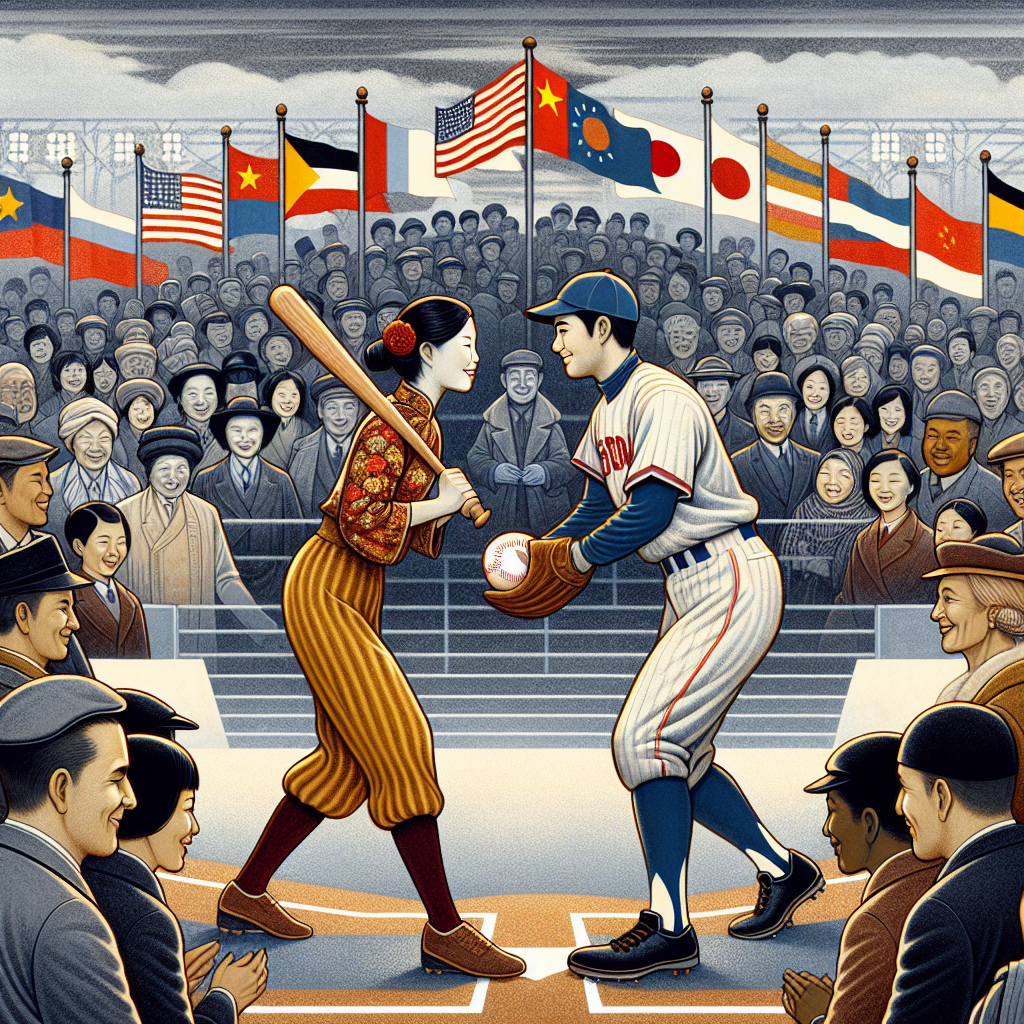
International baseball competitions foster cultural exchange, bringing together teams and spectators from diverse backgrounds. Events like the World Baseball Classic and the Little League World Series offer stages where cultures can interact, share traditions, and celebrate their identities through the shared love of baseball.
Such interactions often lead to a greater appreciation and understanding of the differing methods and philosophies that each culture brings to the game. As players and fans exchange jerseys, chants, and customs, they contribute to a global baseball culture that is both enriching and unifying. These cultural exchanges create lasting bonds and friendships, further solidifying baseball’s role as a medium for international unity and understanding.
Conclusion
The international expansion of baseball signifies more than just the spread of a sport; it highlights a transformative journey where cultural exchange, societal growth, and economic opportunities intertwine on a global scale. As baseball continues to reach new territories, its impact reverberates far beyond the diamond. It serves as a testament to the power of sports to connect people, transcend cultural boundaries, and foster a community bound by shared values and passions.
Through its enduring legacy and growing international presence, baseball serves as a catalyst for positive change, bridging cultures, and fostering a collective understanding that goes beyond language and borders. As we look towards the future, the social impact of baseball’s international expansion offers promising prospects of furthering inclusivity, breaking societal limitations, and catalyzing unity worldwide, ensuring that baseball continues to be a beloved sport and cultural phenomenon across continents.