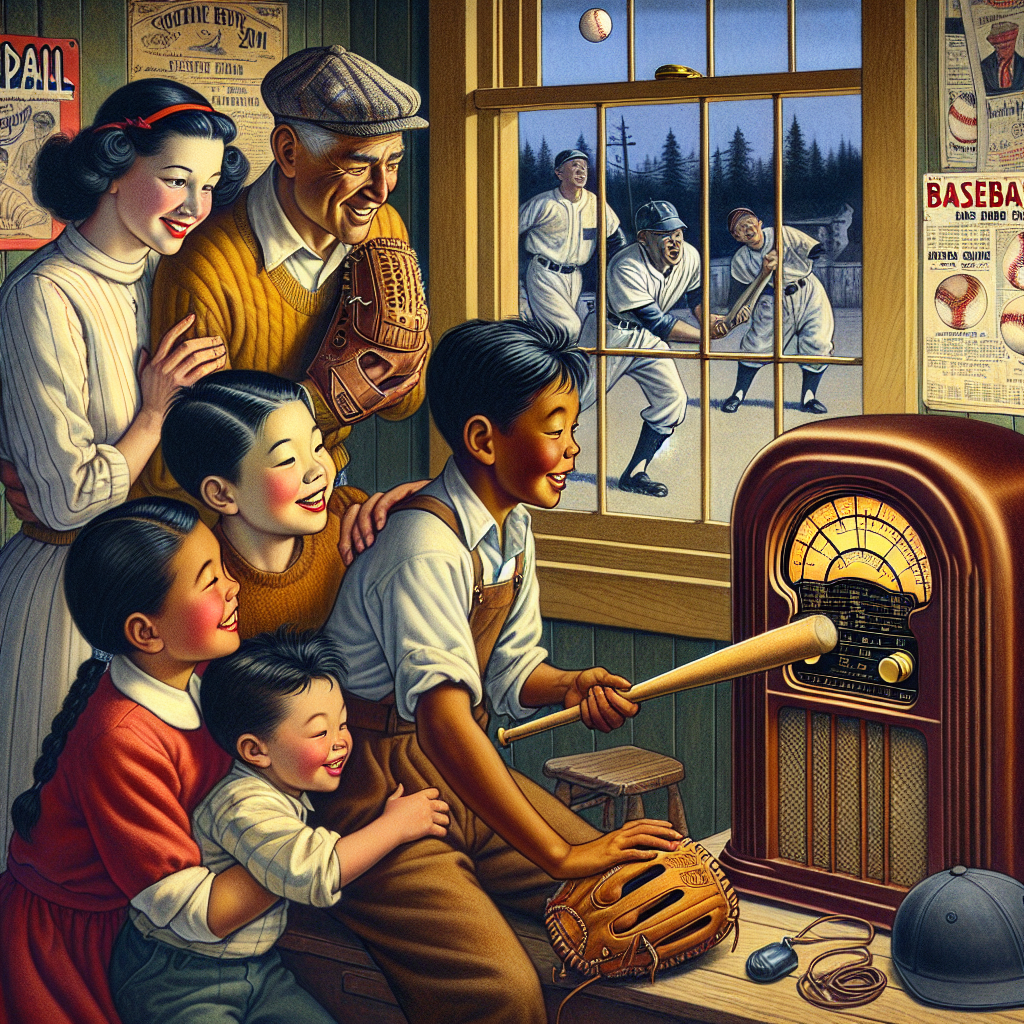
Baseball, often referred to as America’s pastime, has a rich and storied history that dates back to the early 19th century. By the advent of the 20th century, the sport had already established a significant following in the United States. However, one major technological advancement during this period that immensely boosted its popularity was the radio. The early days of radio broadcasting brought the game to the ears of millions, transforming it from a local favorite to a national obsession.
The transformative power of radio cannot be overstated. Before its invention, fans would either attend the games in person or rely on newspapers to get the latest scores and updates. This dynamic changed dramatically with the first broadcast of a baseball game in 1921. Suddenly, people from all walks of life could enjoy the play-by-play action from the comfort of their homes or even while engaging in daily activities. This widespread access not only broadened the audience base but also deepened the emotional connection fans felt towards the game, the players, and their home teams.
As the reach of radio grew, so did the popularity of baseball. The 1920s and 1930s witnessed an explosion in the sport’s fanbase, largely attributable to the immediacy and intimacy that radio provided. It wasn’t just about listening to a game; it was about being part of a larger, communal experience that transcended geographic boundaries. Radio announcers became household names, and their vivid descriptions and infectious enthusiasm brought the ballpark atmosphere into living rooms across the nation.
This article delves into the significant role radio played in elevating baseball’s status in the early 20th century. We’ll explore the history of radio broadcasts, key figures who shaped the narrative, and the broader social and cultural impact that ensued. By understanding this pivotal era, we can better appreciate how technological advancements can reshape the landscape of sports and entertainment.
The Dawn of Baseball Radio Broadcasts
The first instance of a baseball game being broadcasted on the radio occurred on August 5, 1921, when Harold Arlin of KDKA in Pittsburgh called a game between the Pittsburgh Pirates and the Philadelphia Phillies. This historic event marked the beginning of a new era for baseball and sports broadcasting. Arlin’s play-by-play narration provided a vivid picture of the game’s progression, which was an entirely new experience for those who couldn’t be at the ballpark.
Prior to this breakthrough, baseball fans had to rely on newspapers for a snapshot of the action, often published the following day. The immediacy of radio transformed how people consumed the game. Fans could now experience the game’s excitement as it unfolded, hearing the crack of the bat, the roar of the crowd, and the ebb and flow of the match in real time.
The impact of these early broadcasts was profound. It didn’t take long for other stations across the country to recognize the potential and join the fray. Soon, radio became an integral part of the baseball experience, with stations vying for broadcasting rights and announcers honing their skills to keep listeners engaged. The growing number of radio broadcasts meant that fans, regardless of their location, had access to games previously out of their reach.
By the mid-1920s, prominent teams and individual games were regularly featured on the airwaves. This development not only increased baseball’s visibility but also reinforced its place in American culture. Radio broadcasters became the voices of the sport, bridging the gap between the fans and the players, and making baseball a unifying thread in the fabric of American society.
Key Figures in Early Baseball Broadcasting
Several pioneering announcers left an indelible mark on baseball broadcasting during its nascent years. Harold Arlin, who called the first broadcast, is undoubtedly one of the most significant figures. His pioneering effort laid the groundwork for future sports broadcasters, setting a standard for how games should be narrated over the air.
Another towering figure in early baseball broadcasting was Graham McNamee, who began calling games in the mid-1920s. McNamee’s background in music and theater lent him a unique ability to bring games to life for his listeners. His dramatic flair and storytelling skill made him a fan favorite and helped solidify the role of the radio announcer as an essential part of the baseball experience.
Red Barber, who began his broadcasting career in the 1930s with the Cincinnati Reds and later the Brooklyn Dodgers, was another influential figure. Known for his smooth Southern drawl and colorful phrases, Barber was adept at painting vivid verbal pictures that transported listeners into the heart of the action. His approachable and relatable commentary style helped demystify the game for newcomers while keeping seasoned fans thoroughly engaged.
Mel Allen, often referred to as “The Voice of the Yankees,” started his illustrious career in the late 1930s. His enthusiasm and deep knowledge of the game made him a beloved figure among baseball fans. Allen’s ability to build a narrative around the game, combining factual reporting with emotional resonance, captured the imaginations of countless listeners and solidified his place as one of the legends of baseball broadcasting.
Radio’s Influence on Baseball Culture
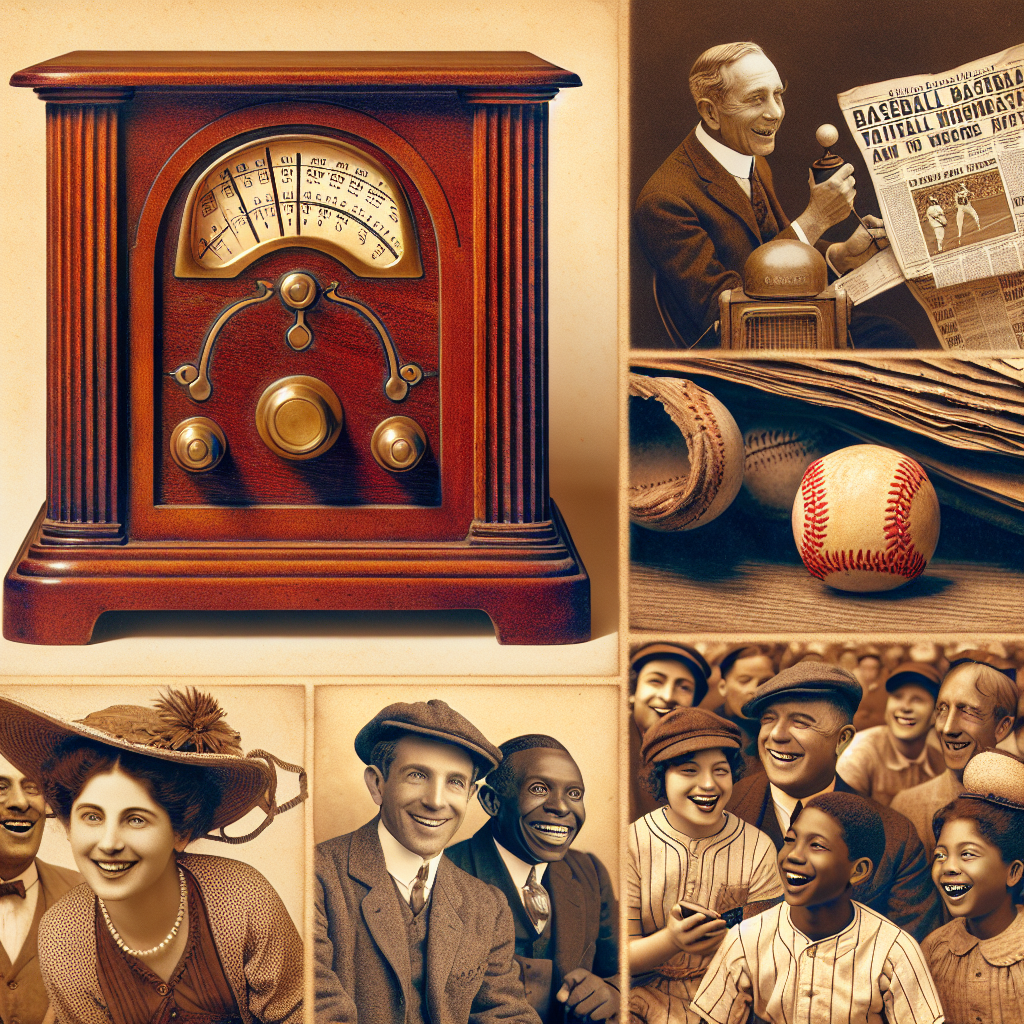
The impact of radio on baseball went beyond just expanding its audience base. It fundamentally altered how the game was experienced and became entrenched in American culture. Radio broadcasts made it possible for fans to follow their favorite teams throughout the season, cultivating a sense of loyalty and community that transcended physical locations.
The sounds and rhythms of the game, as conveyed through radio, became part of the national soundscape. Iconic catchphrases from announcers, such as Mel Allen’s “How about that?” and Red Barber’s “sittin’ in the catbird seat,” entered the American lexicon, further embedding baseball in everyday life. These broadcasts fostered a collective memory and shared experience that united diverse groups of people through their love of the sport.
Radio also played a critical role in popularizing individual players and creating baseball legends. Through the descriptive narration of thrilling plays and nail-biting moments, players like Babe Ruth, Lou Gehrig, and Joe DiMaggio were immortalized. Listeners felt as though they were part of the journey, experiencing the triumphs and hardships of their heroes in real time.
Furthermore, the integration of baseball into radio programming helped to break down social and economic barriers. Working-class Americans who couldn’t afford to attend games could now listen to their favorite teams play. This inclusivity fostered a broader sense of community and shared cultural identity centered around baseball, reinforcing its status as America’s pastime.
Technological Advancements and Radio’s Reach
The evolution of radio technology in the early 20th century played a significant role in amplifying baseball’s reach. Improvements in broadcast and reception quality made it easier for fans to tune in and enjoy clear, uninterrupted coverage of the games. The expansion of the radio network infrastructure meant that more areas could receive broadcasts, further enlarging the listenership.
The increase in station numbers and the establishment of networks like NBC and CBS in the late 1920s and early 1930s enabled a more systematic and professional approach to sports broadcasting. These networks could cover multiple games and provide a variety of programming, including pre-game and post-game analysis, player interviews, and expert commentary, enriching the overall listening experience.
Another critical technological advancement was the development of portable radios. This innovation allowed fans to listen to baseball games on the go, whether at work, in their cars, or at leisure outdoors. This mobility made the sport even more accessible and integrated it further into the daily lives of Americans.
From a business perspective, radio broadcasting opened up new avenues for revenue through advertising. Companies quickly recognized the value of sponsoring games and buying commercial time during broadcasts to reach a captivated and engaged audience. This symbiotic relationship between baseball and commercial interests not only funded better programming but also underscored the sport’s growing influence and importance in American society.
The Road to Television and Beyond
While radio played an indispensable role in popularizing baseball in the early 20th century, the evolution of media technology continued to change the landscape. Television emerged as a powerful new medium in the late 1940s and 1950s, providing a visual complement to the auditory experience of radio. The first televised baseball game aired on August 26, 1939, between the Cincinnati Reds and the Brooklyn Dodgers.
Although radio remained dominant for several decades, television gradually took over as the preferred medium due to its ability to visually capture the game’s action. However, radio continued to hold its own, largely because of the personal and imaginative nature of the medium. Even in the age of television, radio broadcasts offered a unique, intimate experience that many fans cherished.
Additionally, the relationship between radio and baseball didn’t end with the advent of television; rather, it adapted and evolved. Radio continued to be an essential part of the baseball broadcast ecosystem, offering live coverage of games for those who couldn’t or didn’t wish to watch them on TV. It also provided valuable complementary coverage, including pre-game shows, post-game analysis, and interviews that television might not offer due to time constraints.
As we moved into the digital age, radio broadcasts transitioned to online streaming, making games accessible on computers, tablets, and smartphones. This digital evolution ensured that the time-honored tradition of listening to baseball on the radio would continue, albeit through modern platforms that align with contemporary consumption habits.
Conclusion
The early 20th century was a pivotal period for baseball, marked by significant technological advancements that profoundly influenced the game’s popularity. Among these, the advent of radio broadcasting stands out as a transformative force that expanded the reach and appeal of baseball across the United States. The ability to listen to games in real time brought the excitement and drama of the ballpark into homes, workplaces, and communities, fostering a deeper emotional connection between fans and the sport.
Radio announcers became key figures in this narrative, their voices shaping the way fans experienced the game and creating a shared cultural fabric woven with memorable calls and iconic phrases. As technological improvements made radio broadcasts more accessible and engaging, the sport’s audience grew exponentially, cementing baseball’s place in American culture.
The relationship between baseball and radio also set the stage for future media innovations, including television and digital streaming. While these newer mediums have added layers to the fan experience, the legacy of radio remains embedded in the sport’s history. The way we listen to and engage with baseball may have evolved, but the fundamental impact of those early radio broadcasts continues to reverberate through the decades.
Understanding this history gives us a greater appreciation of how media can shape and enhance our relationship with sports. As we look to the future, it’s essential to recognize the role that radio played in making baseball a national pastime and to honor the voices that brought the game to life for millions of listeners. In doing so, we celebrate not just the sport itself but also the innovations that have allowed it to capture our hearts and imaginations.
Frequently Asked Questions
1. How did radio change the way people experienced baseball in the early 20th century?
Radio fundamentally transformed how people experienced baseball in the early 20th century by bringing live play-by-play action directly into homes across the United States. Before the advent of radio broadcasting, baseball fans were limited to attending games in person or reading about them in newspapers after the fact. However, with radio, fans could now listen to every pitch and play as it happened, regardless of their location. The immediacy and intimacy of radio broadcasts allowed listeners to feel as though they were a part of the game, even if they were miles away from the stadium. Radio announcers became iconic voices that painted vivid pictures of the games with words, making the sport accessible to those who could not attend games. This accessibility also helped in boosting the sport’s popularity, as radio allowed fans to follow their favorite teams and players more closely, fostering a deeper connection and enthusiasm for the pastime.
2. Who were some of the notable radio announcers of the early baseball broadcasts, and how did they influence the listener’s experience?
In the early days of baseball on the radio, several announcers stood out for their ability to captivate an audience and become the voice of the game. One of the most significant figures was Graham McNamee, who is often credited as the first true radio broadcasting star. His charismatic style and his ability to describe the action with great enthusiasm and vivid imagery greatly enhanced the listener’s experience. Other notable announcers included Red Barber and Mel Allen, who would go on to become legendary figures in sports broadcasting. These announcers not only brought games to life but also built personal connections with the audience through their distinctive voices and storytelling abilities. By doing so, they helped to build and sustain the popularity of baseball on the radio, creating shared experiences and collective memories among fans who listened to their broadcasts.
3. In what ways did the radio broadcasting of baseball influence the sport’s popularity and its status as “America’s pastime”?
The radio broadcasting of baseball played a crucial role in cementing its status as “America’s pastime.” Firstly, radio made baseball accessible to a much wider audience, helping it reach a national level of popularity. People who lived in remote or smaller communities, who might not have had the opportunity to attend live games, could now follow their favorite teams and players. This newfound accessibility helped to spread enthusiasm for the sport beyond urban centers, creating a larger fan base across the country. Additionally, the communal experience of listening to games on the radio encouraged a nationwide culture of fandom, uniting communities over shared moments and discussions about game outcomes. Radio also allowed for the promotion of baseball’s star players, turning them into household names and heroes that fans could rally behind. Thus, through increased accessibility, communal engagement, and the elevation of player personas, radio broadcasting significantly contributed to baseball’s status as America’s beloved pastime.
4. How did the proliferation of baseball on the radio impact the business side of the sport?
The proliferation of baseball on the radio had a profound impact on the business side of the sport. As radio broadcasts reached more listeners, team owners and the league recognized the potential for increased revenue streams. Radio rights became a valuable commodity, as stations competed for the opportunity to broadcast games and attract eager audiences. This competition often led to lucrative deals, enhancing the financial stability of teams and increasing the overall profitability of the league. Moreover, the surge in baseball’s popularity driven by radio broadcasts also resulted in increased attendance at ball games. Fans who grew attached to teams through the radio experience were more inclined to attend games in person, buying tickets and merchandise. The expanded popularity and financial benefits led to better support for teams, the construction of larger stadiums, and improved facilities, all contributing to the growth and commercialization of baseball as a major American industry during this era.
5. Were there any controversies or challenges associated with the broadcasting of baseball on the radio during this period?
Yes, the broadcasting of baseball on the radio during the early 20th century was not without its controversies and challenges. Initially, some team owners were hesitant to embrace radio, fearing that it might negatively impact ticket sales by providing a substitute for attending games in person. There was concern that if fans could listen from home, they would be less inclined to purchase tickets to watch games live at the stadium. Additionally, as radio broadcasts began, there were technical challenges with signal reach and clarity, which sometimes affected the quality of the listening experience. Not all areas had strong enough signals to provide clear broadcasts, making it difficult for some fans to tune in. There was also the matter of how much detail to provide during broadcasts without spoiling the allure of attending games. However, as time went on, these concerns were largely overshadowed by the benefits radio brought, as it ultimately contributed to the growth and enduring popularity of the sport. Through trial and error, broadcasting techniques improved, and radio became a cherished medium for experiencing baseball, with most stakeholders recognizing its immense value to the game.