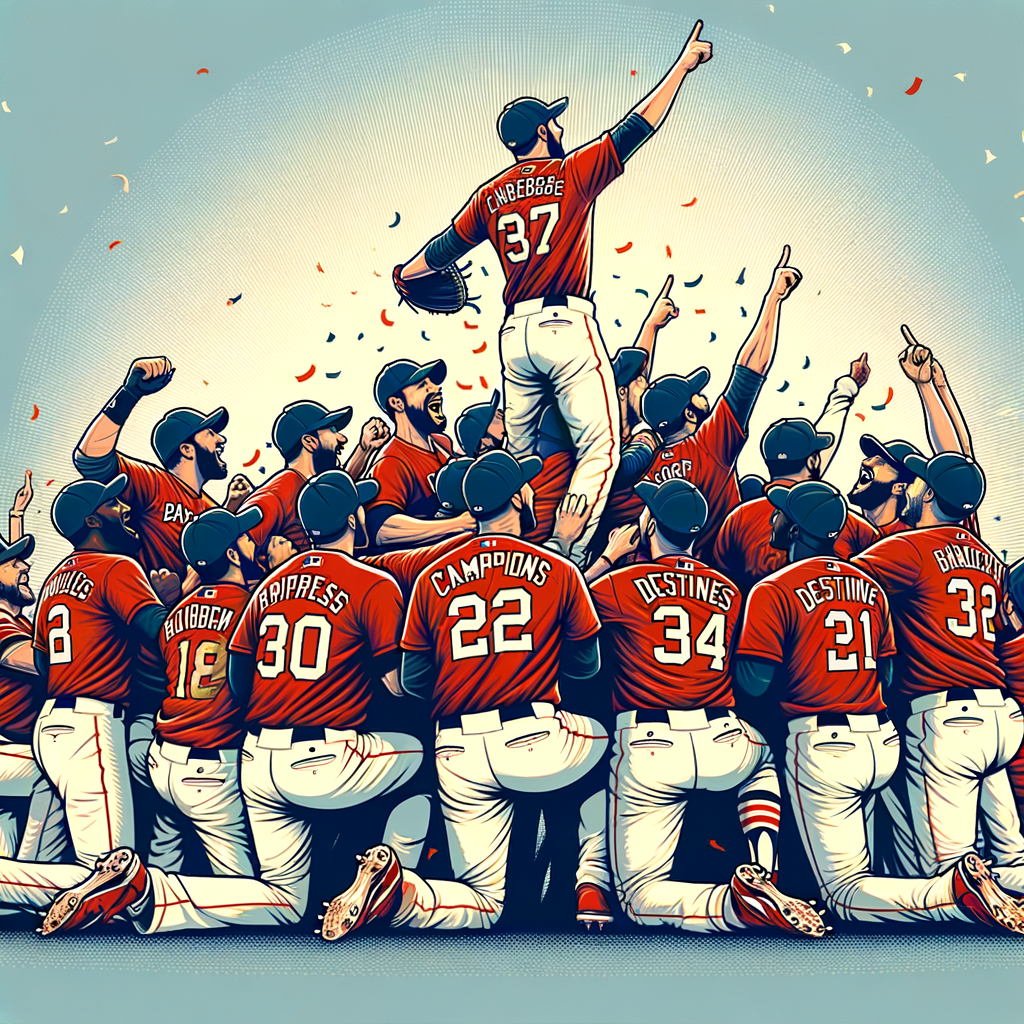
The 2012 San Francisco Giants were more than just another team in baseball’s storied history; they were a team of destiny. Throughout the 2012 Major League Baseball season, the Giants proved time and again that they were built not only on talent but also on an unyielding spirit and determination. While victories in sport often seem subject to statistics and individual performances, the success of the 2012 Giants was shaped by something less tangible but perhaps more profound—an inexplicable destiny. In this introduction, we will explore the pivotal aspects making the Giants a team that seemed destined for greatness that year, setting the stage for one of the most remarkable seasons in baseball history.
San Francisco’s road to the championship was fraught with challenges that would have defeated a lesser team. Playing in a competitive National League, the Giants faced formidable opponents and significant setbacks. Nevertheless, they demonstrated exceptional resilience and team cohesion, catalyzing their rise to the top. At the heart of the 2012 Giants story were the compelling personalities and critical performances that led them through adversity. Not simply a string of serendipitous events, their victories emerged from a combination of perfect planning, momentous timing, and arising opportunities.
As the season unfolded, the baseball world witnessed extraordinary feats of both individual brilliance and collective synergy. From their powerhouse pitching rotation to seasoned sluggers, every player played a role in crafting their destiny. Each game brought unexpected highs and dramatic comebacks that only reinforced the narrative of their destined championship run. The wins that paved their way to victory seemed to be woven into the fabric of fate, making it clear that this was no ordinary collection of players. Rather, they exemplified a unique alchemy that defied conventional metrics.
Undoubtedly, the Giants’ success was driven and deepened by their unwavering fan base and the vibrant culture of San Francisco. The city itself became a reflection of the team’s resilience, with every pitch, hit, and catch met with fervent celebration from fans who believed unwaveringly in their team’s journey. This narrative of the 2012 Giants—the tale of a franchise that not only played but lived a championship campaign—continues to remain a potent reminder of the magic that can occur when hearts and destiny unite in sport.
Building the Foundation: Key Players and Strategy
The saga of the 2012 San Francisco Giants cannot be told without highlighting the key players and strategic approach that laid the foundation for their success. In any championship team, the confluence of talent, leadership, and strategy creates a launching pad for a remarkable season. This was undoubtedly true for the Giants. During the 2012 campaign, both seasoned veterans and emerging stars took on pivotal roles, contributing unique skills and qualities that pushed the team toward its ultimate goal of clinching the World Series title.
Leading the charge was manager Bruce Bochy, whose strategic prowess and calm demeanor provided the steady hand needed to navigate the challenges of a long season. Bochy’s ability to manage the locker room dynamics and unite a diverse roster enhanced the team’s cohesiveness. Renowned for his tactical acumen, Bochy continually made pivotal in-game decisions, including bullpen management and lineup adjustments that maximized the team’s strengths while exploiting opponents’ weaknesses.
Driving the Giants’ success on the field was a robust pitching rotation that served as the cornerstone of their campaign. Ace pitcher Matt Cain epitomized consistency and dominance throughout the season, culminating in a perfect game against the Houston Astros. His reliability on the mound instilled confidence in the team and supported their strategic approach of leveraging strong starting pitching to dictate the game’s tempo. Complementing Cain’s efforts were Madison Bumgarner and Ryan Vogelsong, whose contributions were invaluable in keeping the Giants in contention for the postseason.
In the bullpen, the Giants’ relievers excelled under pressure, often rescuing the team from precarious situations. The emergence of Sergio Romo as the closing pitcher added an element of drama and excitement to their games. His performance, marked by precision and poise, brought stability to the team’s late-inning performances, converting critical saves at every turn.
Offensively, the Giants leaned on a core group of impactful hitters, each bringing unique capabilities to the lineup. Buster Posey, the team’s catcher and catalyst, showcased his hitting prowess and baseball IQ by combining power hitting with strategic plays. His leadership and on-field decision-making were instrumental in maintaining morale and discipline within the roster. Complementing Posey’s presence was Pablo Sandoval, whose versatility and clutch hitting made him a formidable opponent in crucial moments, particularly during the postseason, where he impressed with multiple home runs.
Also noteworthy was the influx of contributions from players not initially expected to play key roles. In a testament to Bochy’s management prowess, players like Marco Scutaro and Brandon Crawford emerged as vital contributors. Scutaro, especially, became a fan favorite when he played an instrumental part in the National League Championship Series, demonstrating the unpredictable yet beautiful nature of baseball.
The 2012 Playoff Journey: Defying the Odds
As the regular season gave way to the intensity of the playoffs, the San Francisco Giants embarked on a journey filled with challenges and remarkable comebacks that further cemented their status as a team of destiny. Their path through the postseason was characterized by moments of tension, triumph, and extraordinary feats that seemed predestined. Facing elimination multiple times, the Giants displayed unwavering grit that defied the odds and captured the essence of their fateful run to glory.
In the National League Division Series (NLDS) against the Cincinnati Reds, the Giants’ resolve was immediately tested. Falling behind two games to none in the best-of-five series, they stood on the precipice of elimination. What followed was a stunning turnaround, as the Giants rallied to win three consecutive games. This comeback was marked by stellar pitching, timely hitting, and defensive precision—qualities that became signatures of their October campaign. Game 5 saw Buster Posey deliver a grand slam that served as the decisive blow, sending the Giants into the next round.
The National League Championship Series (NLCS) against the St. Louis Cardinals presented yet another daunting challenge. Once again, the Giants found themselves in a precarious position, trailing three games to one in the series. This moment of adversity, however, became a defining chapter in their destiny-driven journey. In a performance that echoed themes of persistence and triumph, the Giants won the next three games in commanding fashion. Franchise stalwarts like Ryan Vogelsong and Matt Cain delivered critical performances on the mound, while Marco Scutaro emerged as the series MVP, solidifying his place in Giants lore.
The Giants’ remarkable NLCS turnaround was further amplified by their tenacious defense and opportunistic offense. Never bowing to pressure, the team thrived in the face of elimination, completing the comeback with a 9-0 triumph in Game 7. Rain-soaked jubilation at AT&T Park embodied the spirit of a team that refused to be denied their fate, reinforcing the ethos of a journey interwoven with destiny.
Riding a wave of momentum and destiny-fueled confidence, the Giants advanced to the World Series, locking horns with the American League Champion Detroit Tigers. As heavy underdogs, few predicted the eventual outcome—a dominant series sweep. Displaying a potent blend of dominant pitching and timely hitting, the Giants outclassed the favored Tigers in each of the four games.
Madison Bumgarner and Ryan Vogelsong once again shone bright on the mound, ensuring the Tigers’ formidable hitters were kept in check throughout the series. Across the diamond, Pablo Sandoval, known affectionately as the “Kung Fu Panda,” etched his name into baseball history with three home runs in Game 1. This singular performance not only caught the attention of the sports world but also cemented Sandoval’s reputation as a postseason dynamo.
Ultimately, the Giants’ World Series triumph exemplified their determined belief in destiny, capped by Sergio Romo’s strikeout of Miguel Cabrera to secure the championship. The sweep, which seemingly defied logic, signified the culmination of a meticulously orchestrated plan. San Francisco’s accomplishment transcended statistics and analytics, embodying the spirit of a team driven by an unshakeable belief in its championship fate.
Conclusion: A Legacy Built on Belief
The 2012 San Francisco Giants stand not merely as statistical champions of Major League Baseball, but as living embodiment of what it means to be a team of destiny. The year began with aspirations and potential, but it ended with a legacy of belief that captured the hearts and imaginations of sports enthusiasts and casual observers alike. Their journey through the highs and lows of baseball’s most vigorous season offers profound insights into the dynamics of sports and the unpredictable nature of success.
As a franchise, the Giants in 2012 epitomized resilience in its most glorious form. Their campaign is remembered not just for the tangible achievements—a second world title in three years—but for the intangible spirit that defined their journey. This spirit was seen in every pitch, every swing, and most beautifully in the hearts of fans who cheered them on. Season ticket holders, lifelong fans, and newcomers alike found themselves part of a larger narrative, one that goes beyond batting averages and ERA to speak to the human experience of striving, surviving, and ultimately thriving against the odds.
The greatest legacies are those that inspire. For the 2012 Giants, inspiring future generations of players and fans through their unwavering tenacity and harmonious teamwork is an indelible mark of their success. Lessons drawn from their journey offer timeless wisdom: within determination lies the power of change, within teamwork lies the promise of dreams realized, and within belief lies the boundless potential of a destiny fulfilled.
A decade past, their story is remembered and retold, echoing in the ethos of modern teams and sports culture at large. The 2012 Giants, through their zealous play and collective spirit, showcase that sometimes, victory is destined, and heroes are made in moments when magic intertwines with sport, leaving a legacy as strong and hopeful as the city and the fans that remain ever tied to this unforgettable team.
Ultimately, the 2012 season isn’t just one of trophies won; it is a living chapter in the evolving narrative of baseball, reinforcing a simple truth: that although the game may fade with time, the spirit of the 2012 Giants will forever be revered as a testament to the idea that some teams are simply destined to triumph.
Frequently Asked Questions
1. What made the 2012 San Francisco Giants known as a “Team of Destiny”?
The phrase “Team of Destiny” encapsulates more than just their victory; it embodies the spirit, resilience, and seemingly magical elements of the 2012 Giants’ season. First, their path to the World Series was nothing short of miraculous. They had to overcome a daunting deficit in the National League Division Series (NLDS) against the Cincinnati Reds, losing the first two games at home. Yet, they launched an extraordinary comeback to win the next three games in Cincinnati—an almost insurmountable task considering the circumstances. This set the tone for their never-quit attitude.
The National League Championship Series (NLCS) further demonstrated their resolve against the St. Louis Cardinals. After trailing 3-1 in the series, the Giants staged another unforgettable comeback, winning three straight games to punch their ticket to the World Series. Their journey was infused with memorable performances, like Barry Zito’s remarkable pitching in the decisive Game 5 of the NLCS, which defied expectations and was pivotal in shifting momentum to their favor. Despite facing elimination six times during the playoffs, the Giants remained unwavering, exemplifying that label of destiny-bound resilience.
2. Who were the standout players for the Giants in their 2012 World Series run?
The 2012 Giants were a team where every member contributed, but several players undeniably stamped their mark. Starting with the pitching, Madison Bumgarner and closer Sergio Romo were lights-out in the postseason. Bumgarner’s command on the mound provided crucial stability, while Romo’s poise in critical moments, like striking out Detroit Tigers’ star Miguel Cabrera to clinch the World Series, was iconic. Barry Zito, who had struggled in previous seasons, performed exceptionally well; his victory in Game 1 of the World Series set the tone for their championship run.
In the lineup, Pablo Sandoval, nicknamed “Kung Fu Panda,” was electric, particularly in the World Series. Sandoval hit three home runs in Game 1, an achievement that etched his name in baseball lore and earned him the World Series MVP honors. Buster Posey, the heart of the Giants both on and off the field, provided crucial leadership and offense. He won the National League MVP that year, thanks to his consistent performance that powered the Giants through the season and playoffs. Hunter Pence also emerged as a driving force with his intense speeches and unwavering hustle, galvanizing the team’s spirit during their toughest moments.
3. How did manager Bruce Bochy contribute to the success of the 2012 Giants?
Bruce Bochy’s managerial acumen was pivotal in the San Francisco Giants’ 2012 triumph. Known for his strategic thinking and calm demeanor, Bochy guided his team through high-pressure situations with an astute understanding of the game. His decisions in key moments, such as managing the pitching staff and lineup adjustments, often baffled opponents and kept the Giants competitive throughout their postseason run.
A hallmark of Bochy’s leadership is his ability to cultivate a relaxed yet competitive clubhouse environment. He successfully fostered a culture where players felt supported and motivated to perform at their best. His clever use of tactical matchups, whether it was calling upon relievers in specific scenarios or orchestrating defensive shifts, played a significant role. Bochy was also renowned for keeping players mentally and physically ready, rotating players effectively without compromising the team’s dynamics. His mix of intuition and experience ensured that the Giants were not merely passengers on a predetermined path but actively shaping their destiny through smart, timely management.
4. What role did team chemistry play in the Giants’ success?
The chemistry within the 2012 Giants team was a significant catalyst for their success. The foundation of this team chemistry stemmed from mutual respect, trust, and an unwavering belief in one another. This sense of camaraderie and unified purpose was instrumental in overcoming the adversities they faced throughout the season and playoffs.
The clubhouse camaraderie was evident in key moments, such as Hunter Pence’s passionate speeches. His role as the emotional sparkplug epitomized the bonding between players, motivating the team to surpass challenges when the odds were against them. Their chemistry was visible on the field, too, as their gameplay featured an unspoken communication and collective confidence. Whether it was executing a double play or rallying for a comeback, the Giants played with the synchronization of a team in sync.
A culture of inclusivity, where every player’s contribution was valued, helped reinforce morale. Unheralded players stepped up at crucial times, buoyed by the support and mentorship within the team. The family-like atmosphere allowed them to remain focused, loose, and ready to rise to the occasion when it mattered most, underscoring the power of team chemistry in achieving their destiny-marked feat.
5. What lasting impact did the 2012 Giants have on baseball?
The 2012 Giants left an indelible mark on Major League Baseball, demonstrating that grit, camaraderie, and timing can transcend mere talent. Their narrative of resilience and redemption inspired countless narratives about the “underdog” spirit permeating the sport. It was a reminder of baseball’s unpredictability and the magic that can unfold when a team believes in itself against all odds.
That season reinforced appreciation for clutch performances and highlighted the subtle yet strategic elements of the game, such as pitching depth and managerial decision-making. The Giants’ journey emboldened franchises to look beyond just player statistics, emphasizing the importance of forming teams with both physical and mental fortitude. For fans and aspiring players, the Giants’ story became a beacon showing that success is seldom a straight path, but one filled with trials that ultimately shape a team’s character.
Their approach, combining analytics with intuitive gameplay, influenced how teams are built and managed today, showcasing how intangible qualities like resilience and chemistry can drive teams toward achieving greatness. Their legacy persists in their transformed mindset toward the components of team-building and championship pursuits, forever enshrining the 2012 Giants as a quintessential “Team of Destiny.”