
The 2005 Chicago White Sox season remains one of the most memorable chapters in Major League Baseball history. This year, the team broke an 88-year-long title drought, resurrecting what had been a dormant legacy and imprinting an indelible mark on baseball lore. As they charged through the season and into the playoffs, they exhibited unwavering determination and remarkable cohesion, qualities that endeared them to fans and neutral observers alike.
The journey of the 2005 White Sox was fueled by a mix of seasoned veterans and young talent, all under the astute leadership of manager Ozzie Guillen. Largely considered underdogs at the start of the season, the team went on a surprising run, captivating the imagination of the baseball world with their grit, innovative tactics, and unrelenting spirit. Their playoff performance, culminating in a World Series sweep, not only ended the longstanding title drought but also reestablished the franchise’s dominance in the competitive landscape of baseball.
This article delves deeper into the incredible journey of the 2005 Chicago White Sox, from the regular season trials to the postseason triumphs, celebrating the pivotal players, key moments, and the strategic brilliance that transformed a hopeful squad into baseball immortals. As we revisit this unforgettable season, you’ll gain a nuanced appreciation for the factors that contributed to this historic achievement and understand why it retains a magical allure to this day.
Regular Season Dominance
The 2005 regular season started with moderate expectations for the Chicago White Sox. However, the team quickly shattered any notions of being also-rans. Led by a balanced roster, they clinched the American League Central title with an impressive 99-63 record. This achievement was made all the more remarkable by a series of defining moments and standout performances.
One of the keys to their regular-season success was the astute management of Ozzie Guillen, whose aggressive small-ball strategy emphasized strong pitching, solid defense, and smart base running. The team’s rotation, featuring stalwarts like Mark Buehrle, Freddy García, and Jon Garland, consistently delivered quality starts, giving the White Sox a formidable backbone. Additionally, the bullpen, anchored by Bobby Jenks, proved crucial in tight games.
Offensively, the White Sox were not about sheer power but timely hitting and execution. Players like Paul Konerko and Jermaine Dye provided the necessary firepower, while Scott Podsednik’s speed on the bases wreaked havoc against opponents. The lineup’s versatility meant that they could carve out wins in various ways, ensuring a steady accumulation of victories throughout the season.
As the season progressed, the White Sox faced several challenges, including a late-season slump that saw them briefly lose form. However, galvanized by their collective determination and some timely interventions by Guillen, they managed to regain their footing and secure the division title. This resilience set the tone for their playoff run and demonstrated their credentials as serious contenders.
The ALDS Showdown
Entering the playoffs, the Chicago White Sox faced off against the Boston Red Sox in the American League Division Series (ALDS). As defending champions, the Red Sox were formidable adversaries, but the White Sox approached the series with unflinching determination and tactical astuteness. The result was an emphatic 3-0 sweep that sent a clear message to the rest of the league.
Key to their success in the ALDS was the dominant pitching performances. In Game 1, Mark Buehrle delivered a masterclass, keeping the powerful Boston lineup at bay. Freddy García followed suit in Game 2, showing remarkable composure and efficiency. Game 3 saw a spectacular display by Jon Garland, who pitched a complete game, underscoring the depth of the White Sox’s pitching rotation.
On the offensive front, timely hitting and aggressive base running were the hallmarks of their strategy. Paul Konerko and A.J. Pierzynski provided crucial hits, while Scott Podsednik and Tadahito Iguchi constantly applied pressure on Boston’s pitchers with their speed. The combination of stellar pitching and opportunistic hitting proved too much for the Red Sox to handle.
This sweep not only propelled the White Sox into the American League Championship Series (ALCS) but also reinforced their belief in their capabilities. It was a significant confidence booster, convincing both the team and their fans that the long-awaited championship might indeed be within their grasp.
ALCS: A Battle of Resolve
The White Sox next squared off against the Los Angeles Angels in the ALCS, a series that tested their resolve and character. The Angels were known for their resilience and tactical astuteness, which meant that the White Sox had to elevate their game to secure victory. And elevate it they did, clinching the series 4-1 and earning their spot in the World Series.
The series was marked by several notable moments, including controversial calls and critical plays that swung momentum. Game 2, for instance, featured A.J. Pierzynski’s contentious dropped third strike, which allowed him to reach first base and eventually led to a game-winning run. This moment became a flashpoint, highlighting the unpredictable nature of playoff baseball.
Pitching once again proved to be the cornerstone of the White Sox’s success. In Game 3, Jon Garland pitched another complete game gem, while Freddy García and Mark Buehrle continued their postseason dominance in Games 4 and 5. The ability of the starting pitchers to go deep into games relieved pressure on the bullpen and maintained a relentless assault on the Angels’ hitters.
Offensively, contributions came from various quarters, with Joe Crede and Jermaine Dye stepping up in crucial moments. The team’s depth and versatility were on full display, as different players rose to the occasion when it mattered most. The series win not only secured their place in the World Series but also cemented the 2005 White Sox’s reputation as a team capable of overcoming any challenge.
World Series Glory
With the momentum from their ALCS triumph, the Chicago White Sox entered the World Series to face the Houston Astros. What followed was a display of sheer dominance and tactical brilliance, as the White Sox completed a remarkable 4-0 sweep, capturing their first World Series title since 1917.
The White Sox set the tone in Game 1 with a 5-3 victory, thanks to Jermaine Dye’s timely home run and José Contreras’ steady pitching. Game 2 featured a dramatic 7-6 win, highlighted by Paul Konerko’s grand slam in the seventh inning and Scott Podsednik’s walk-off homer in the bottom of the ninth, a fitting reward for his crucial contributions throughout the playoffs.
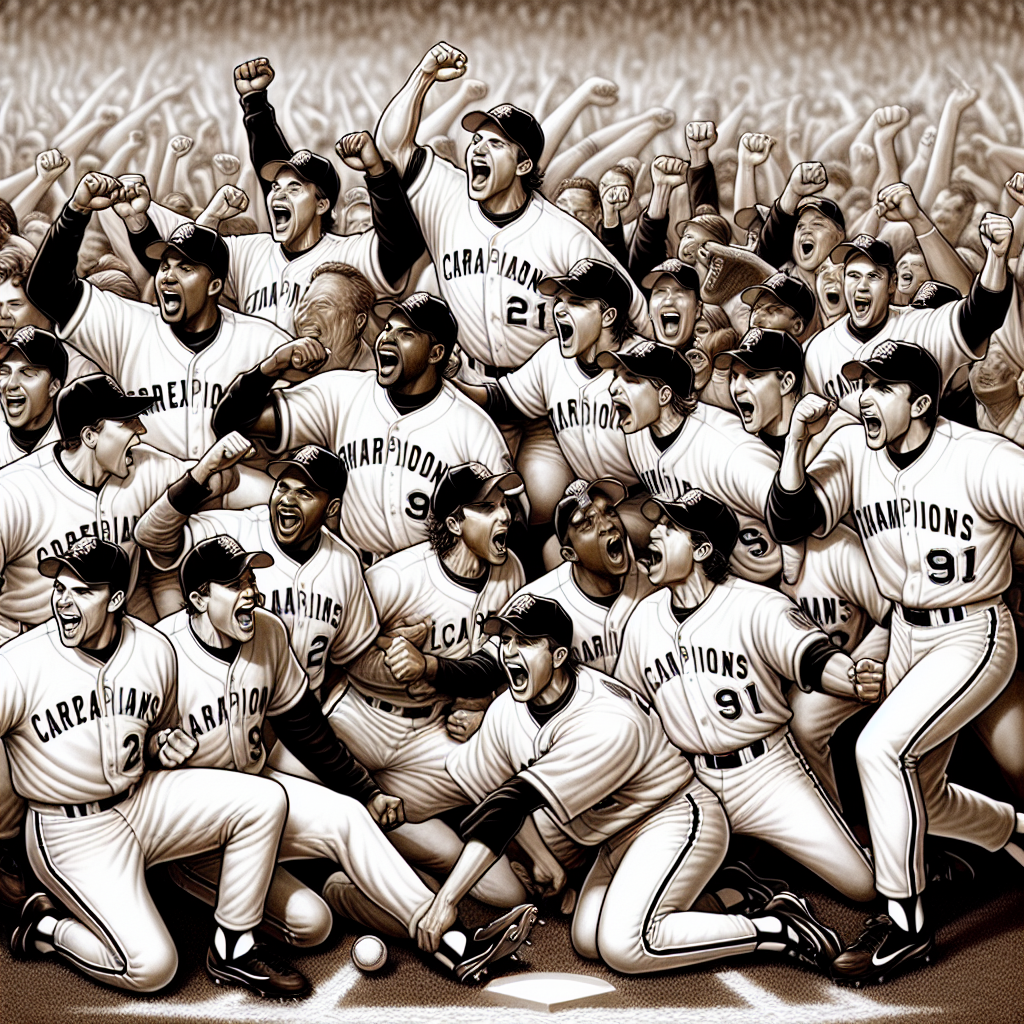
Game 3 extended the drama to 14 innings, where Geoff Blum’s solo home run proved decisive, and Game 4 saw Freddy García pitch a masterful game. Bobby Jenks closed out the final moments, triggering jubilant celebrations among players and fans. Each game demonstrated the White Sox’s depth, determination, and ability to perform in clutch situations.
The sweep underscored the excellence that had been the hallmark of the White Sox throughout the season. Jermaine Dye, who batted .438 during the series, was deservedly named the World Series MVP. His performances, along with those of Konerko, Podsednik, and the pitching staff, ensured that the White Sox emphatically ended their 88-year wait for a championship.
The Key Players
The 2005 White Sox were a team defined by collective effort and unity, but several players stood out for their crucial contributions. Paul Konerko, the team’s captain, led by example both on and off the field. His leadership, combined with his timely hitting, especially during the playoffs, made him an indispensable figure.
Jermaine Dye’s remarkable postseason run, culminating in his MVP performance in the World Series, was another cornerstone of the White Sox’s success. His blend of power and consistency provided a much-needed offensive spark. Similarly, the speed and crafty base running of Scott Podsednik upset the rhythm of opposing teams, adding another dimension to the White Sox’s gameplay.
Pitching, however, was arguably the most critical element of the White Sox’s championship run. Mark Buehrle, Jon Garland, Freddy García, and José Contreras formed an exceptional rotation that consistently delivered when it mattered most. Their ability to pitch deep into games preserved the bullpen and maintained relentless pressure on the opposition.
Bobby Jenks, the closer, also played a pivotal role with his intimidating presence and clutch saves. His contributions in the late innings were crucial in securing several close victories. Together, these players created a harmonious and effective unit that embodied the ethos espoused by Ozzie Guillen, culminating in a historic championship run.
Legacy and Impact
The enduring impact of the 2005 Chicago White Sox extends far beyond the accolades and statistics. This team not only ended an 88-year championship drought but also rekindled the fervor and pride of countless fans who had long endured a frustrating wait. The collective joy and relief that followed their victory were palpable and deeply emotional for the White Sox community.
The success of the 2005 season also had broader implications for the franchise. It reestablished the White Sox as a formidable force in Major League Baseball, attracting a new generation of fans and fostering a renewed sense of optimism. The principles and strategies that defined the 2005 team have since influenced subsequent team constructions and approaches within the organization.
Manager Ozzie Guillen’s stock rose significantly as well, as his leadership and unconventional strategies received widespread acclaim. His ability to foster unity and resilience within the team was a testament to his managerial acumen, setting a benchmark for future White Sox managers. The success also cemented the legacies of key players, who are now celebrated figures in White Sox history.
Ultimately, the 2005 White Sox season remains a beacon of hope and inspiration in the annals of baseball. It demonstrated that perseverance, smart management, and collective effort could culminate in historic achievements. As fans reflect on that magical year, the memories of triumph, joy, and unity continue to resonate, commemorating a team that forever altered the landscape of Chicago baseball.
Conclusion
The 2005 Chicago White Sox season is etched in the annals of baseball history as a tale of unrelenting determination, strategic brilliance, and collective effort. Breaking an 88-year championship drought was no small feat, but it was achieved through the perfect blend of pitching excellence, timely hitting, and innovative management.
From the regular-season dominance to the resolute playoff performances, the White Sox exhibited qualities that set them apart as true champions. Their ALDS and ALCS triumphs demonstrated their ability to rise to the occasion, while the World Series sweep against the Houston Astros was a fitting culmination of their extraordinary journey.
The key players, along with Ozzie Guillen’s tactical acumen, left an indelible legacy that transcends the 2005 season. They revitalized a franchise and energized a fan base, providing a blueprint for success that continues to inspire future generations. The memories of that incredible season are cherished markers of a time when a team came together to achieve the seemingly impossible.
As we look back, the 2005 White Sox remind us that in the world of sports, enduring success is built on a foundation of teamwork, resilience, and passion. Their story remains a poignant reminder of what can be accomplished when belief meets opportunity, and for that, they will forever hold a special place in the hearts of baseball enthusiasts everywhere.
Frequently Asked Questions
1. How did the 2005 Chicago White Sox manage to end their 88-year World Series title drought?
The 2005 Chicago White Sox ended their 88-year World Series drought through a combination of exceptional team chemistry, strategic management, and stellar performances from both players and coaches. Managed by Ozzie Guillén, the team embraced a small-ball strategy that emphasized pitching, defense, and timely hitting, departing from the power-heavy approaches. Throughout the regular season, the White Sox maintained one of the best records, finishing 99-63. Their postseason run was marked by a sweep of the ALDS against the Boston Red Sox, a hard-fought ALCS against the Los Angeles Angels, and an impressive sweep of the Houston Astros in the World Series. Players like Paul Konerko, Jermaine Dye, and pitching aces Mark Buehrle and Bobby Jenks played crucial roles, combining experience, skill, and resilience to capture the championship.
2. Who were the key players in the White Sox’s success during the 2005 season?
The 2005 White Sox featured several key players who were instrumental in their success. Paul Konerko, the team captain, provided leadership and power at the plate, driving in important runs throughout the season and playoffs. Joe Crede and A.J. Pierzynski were pivotal contributors both defensively and offensively, with Pierzynski known for dramatic and timely hits. Jermaine Dye, who won the World Series MVP, was essential in clutch situations and offered strong outfield defense. The pitching staff, led by Mark Buehrle, Jon Garland, and Freddie Garcia, anchored a dominant rotation, while the bullpen, featuring Bobby Jenks, came through in critical postseason moments. Together, these players formed a well-rounded squad with the depth necessary for a championship run.
3. What strategies did manager Ozzie Guillén implement to lead the team to victory?
Manager Ozzie Guillén’s strategies were a vital component of the White Sox’s success in 2005. Guillén utilized a small-ball approach dubbed “Ozzieball,” focusing on fundamentals like bunting, base path aggression, and situational hitting—essentially the manufacturing of runs rather than relying solely on home runs. This approach leveraged the team’s strengths, complementing their outstanding pitching. Guillén’s leadership style fostered a loose yet disciplined clubhouse environment; he was known for his candid communication and intuitive feel for the game’s pulse. His tactical management extended to the bullpen usage and lineup flexibility, ensuring players were used optimally depending on opponent matchups. These strategies combined to form a cohesive team with a singular focus on the ultimate prize.
4. What role did the White Sox’s pitching staff play in their historic 2005 season?
The pitching staff was essential to the White Sox’s successful 2005 campaign. Renowned for their depth and skill, both starters and relievers delivered exceptional performances throughout the season and playoffs. The starting rotation, which included Mark Buehrle, Jon Garland, José Contreras, and Freddy García, consistently provided quality starts, limiting opponents and giving the offense a chance to win games. In the playoffs, the starting pitchers were particularly dominant, often pitching deep into games, as exemplified by the ALCS against the Angels, where starters threw four consecutive complete games. The bullpen, anchored by rookie closer Bobby Jenks, effectively shut down late innings, offering reliability under pressure. This collective prowess created a formidable barrier against opposing offenses, crucial to their success.
5. How did the 2005 White Sox season impact the franchise and its fan base?
The 2005 World Series win profoundly impacted the Chicago White Sox franchise and its fan base. Ending an 88-year championship drought reinvigorated the organization, elevating the team’s legacy while instilling pride among long-time and new fans alike. It sparked a resurgence of interest and passion for White Sox baseball across the city and beyond, fostering a deeper connection between the team and its supporters. This historic achievement also placed the White Sox in a brighter national spotlight, helping to reshape their image from perennial underdogs to champions. The success laid a foundation for future aspirations, inspiring subsequent generations to believe in the potential for triumph despite adversities, thereby engraving an enduring legacy in the annals of Major League Baseball history.