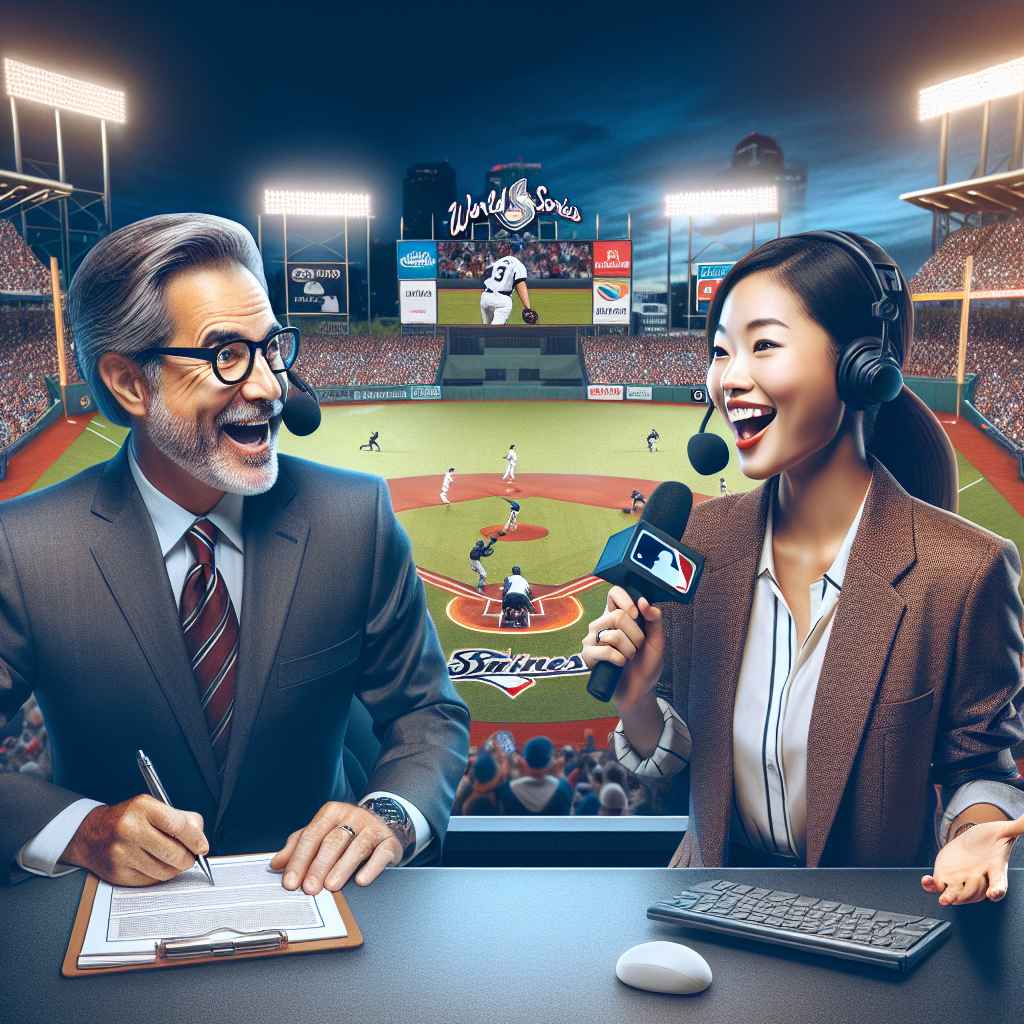
The World Series, baseball’s grandest stage, has seen numerous legendary moments not only on the field but also behind the microphone. The broadcasts and commentators who bring the games to life play an integral role in creating memories that last a lifetime. From the early days of radio to the high-definition television broadcasts of today, these voices have captured the drama, excitement, and history of the Fall Classic. Let’s dive into some of the most iconic World Series broadcasts and the commentators who made them unforgettable.
The Golden Age of Radio
In the early days of baseball broadcasting, radio was king. Fans across the country would gather around their radios to listen to the play-by-play commentary of their favorite teams. One of the most iconic voices of this era was Red Barber. Barber, known for his folksy style and colorful phrases, brought the World Series to life for millions of listeners. His ability to paint vivid pictures with words made him a beloved figure in baseball broadcasting.
Another legendary radio broadcaster was Mel Allen, often referred to as “The Voice of the Yankees.” Allen’s rich baritone voice and enthusiastic delivery made every game exciting. His famous catchphrase, “How about that!” became synonymous with baseball highlights. Allen’s broadcasts of the Yankees’ numerous World Series appearances in the 1940s and 1950s left an indelible mark on the sport.
The Rise of Television
The advent of television in the 1950s transformed how fans experienced the World Series. For the first time, they could see the action unfold in real-time. Vin Scully, widely regarded as one of the greatest baseball commentators of all time, began his legendary career with the Brooklyn Dodgers in 1950. Scully’s eloquent and poetic style set a new standard for baseball broadcasting. His call of the 1986 World Series, particularly Game 6’s infamous Bill Buckner error, is etched in baseball lore.
Curt Gowdy is another television legend whose voice became synonymous with the World Series. Gowdy called numerous World Series games during his tenure with NBC Sports. His smooth, authoritative delivery and deep knowledge of the game made him a trusted and beloved figure. Gowdy’s ability to capture the tension and excitement of the World Series was unparalleled.
The Modern Era
As technology advanced, so did the quality and reach of World Series broadcasts. High-definition television, multiple camera angles, and advanced graphics have enhanced the viewing experience. In this modern era, several commentators have become household names.
Joe Buck, following in the footsteps of his father, Jack Buck, has become one of the most recognizable voices in baseball. Buck’s tenure as the lead play-by-play announcer for Fox Sports has included numerous World Series broadcasts. His ability to deliver dramatic and memorable calls, such as David Freese’s game-tying triple in Game 6 of the 2011 World Series, has cemented his place in broadcasting history.
Tim McCarver, a former major league catcher, provided color commentary for World Series broadcasts for over three decades. McCarver’s insights into the game, combined with his ability to explain complex strategies in simple terms, made him a favorite among fans. His partnership with Joe Buck created one of the most enduring broadcast duos in baseball history.
Memorable Moments and Calls
The magic of the World Series isn’t just about the plays on the field; it’s also about the calls that accompany those plays. These moments, immortalized by the voices of great commentators, become part of baseball’s rich tapestry.
One of the most famous calls in World Series history is Jack Buck’s “I don’t believe what I just saw!” during Game 1 of the 1988 World Series. When Kirk Gibson hit his improbable walk-off home run, Buck’s call perfectly captured the astonishment and excitement of the moment. This call remains one of the most replayed and celebrated in baseball history.
Another unforgettable call came from Al Michaels during Game 3 of the 1989 World Series, which was interrupted by a massive earthquake. Michaels’ calm and composed demeanor during the chaotic moments following the quake demonstrated the importance of a broadcaster’s role in not just calling the game but providing a sense of stability and information during unexpected events.
The Impact of Spanish-Language Broadcasts
As baseball’s popularity grew globally, so did the need for diverse broadcasts. Spanish-language broadcasts have played a crucial role in bringing the World Series to a broader audience. Jaime Jarrín, the longtime Spanish-language voice of the Los Angeles Dodgers, is a pioneer in this field. His work has not only brought the game to millions of Spanish-speaking fans but has also paved the way for other broadcasters in the Hispanic community.
Women in the Booth
In recent years, there has been a significant push towards diversity and inclusion in sports broadcasting. Women have started to make their mark in the world of baseball commentary. Jessica Mendoza, an Olympic softball gold medalist, became the first woman to serve as an analyst on an MLB postseason broadcast in 2015. Her expertise and perspective have been invaluable additions to the broadcast booth.
The Future of World Series Broadcasting
As technology continues to evolve, so will the ways in which we experience the World Series. Virtual reality, interactive broadcasts, and real-time statistics are just a few of the innovations that could change how we watch the Fall Classic. However, one thing remains constant: the importance of the broadcaster. The voices that bring the game to life, narrate its history, and capture its magic will always be an integral part of baseball.
Honoring the Legends
As we celebrate the legendary World Series broadcasts and commentators, it’s important to acknowledge the lasting impact they have had on the game. These voices have not only narrated some of the greatest moments in baseball history but have also shaped the way we experience and enjoy the sport.
Whether it’s the golden tones of Red Barber, the poetic calls of Vin Scully, or the dramatic flair of Joe Buck, each broadcaster has left a unique mark on the World Series. Their contributions have made the games more than just a competition; they’ve made them stories that we carry with us, generation after generation.
The legacy of World Series broadcasts and commentators is a testament to the power of storytelling in sports. These voices have brought the drama, excitement, and beauty of baseball into our homes and hearts. As we look forward to future World Series, we can be sure that new legends will emerge, and their calls will become part of the enduring fabric of baseball history.
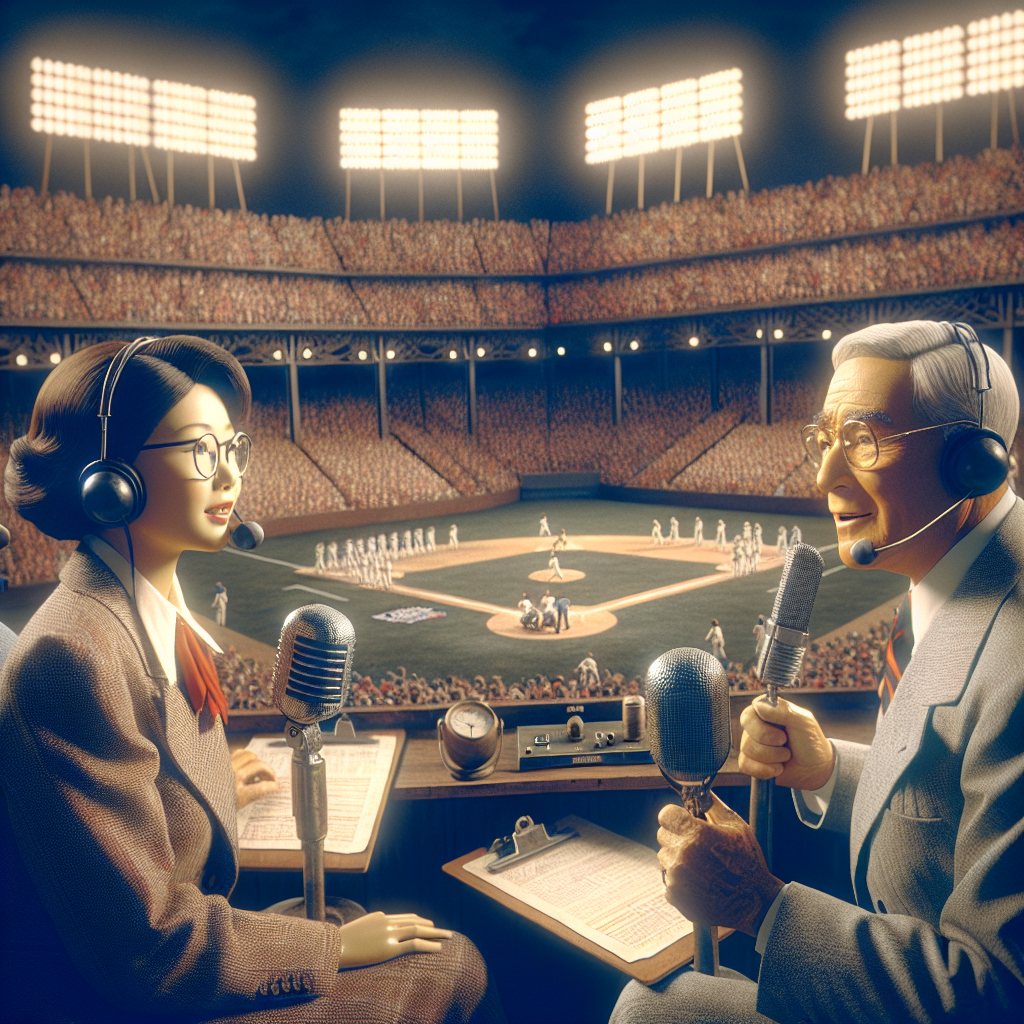
Celebrating Iconic Broadcasters
The broadcasters who have graced the World Series airwaves come from diverse backgrounds, each bringing their own unique style and personality to the booth. Their distinctive voices and memorable calls have helped shape the narrative of baseball and have created lasting memories for fans.
Ernie Harwell was another legendary broadcaster who left an indelible mark on the sport. As the voice of the Detroit Tigers, Harwell called numerous World Series games, captivating audiences with his soothing voice and encyclopedic knowledge of the game. His humble demeanor and passion for baseball endeared him to fans across generations.
Bob Costas, known for his versatility and eloquence, has been a prominent figure in World Series broadcasting. Costas’ ability to blend historical context with live commentary adds depth to his broadcasts, making them both informative and engaging. His coverage of the World Series has been marked by a deep respect for the game and its traditions.
Technological Innovations and Their Impact
The evolution of broadcasting technology has significantly impacted how the World Series is experienced. From the introduction of color television to the advent of instant replay, these innovations have enhanced the way fans watch and understand the game.
Color Commentary: The role of color commentators, who provide expert analysis and insights, has evolved alongside technological advancements. Former players like Tony Kubek and Jim Kaat brought a player’s perspective to the booth, enriching the viewing experience with their firsthand knowledge of the game.
High-Definition and Beyond: The shift to high-definition broadcasting in the early 2000s brought unprecedented clarity and detail to World Series broadcasts. Fans could see every nuance of the game, from the stitching on the baseball to the expressions on players’ faces. This visual enhancement deepened the connection between the audience and the game.
Interactive Viewing: Modern broadcasts often incorporate interactive elements, such as real-time statistics, player tracking, and social media integration. These features allow fans to engage with the game in new ways, enhancing their understanding and enjoyment of the World Series.
The Legacy Continues
The tradition of legendary World Series broadcasts and commentators is alive and well. As new voices join the ranks of broadcasting greats, they bring fresh perspectives and innovations to the booth. The legacy of storytelling and capturing the magic of the Fall Classic continues to evolve, ensuring that future generations will experience the thrill of the World Series in ever-more engaging ways.
Conclusion
From the golden age of radio to the high-tech broadcasts of today, the commentators of the World Series have played a crucial role in shaping how we experience baseball’s greatest moments. Their voices have become synonymous with the drama, excitement, and history of the game. As we look back on the legendary broadcasts and the iconic figures behind them, we celebrate the enduring impact they have had on the sport and its fans.
The magic of the World Series is not just in the games themselves but in the way they are brought to life by the voices that narrate them. These broadcasters have given us a front-row seat to history, allowing us to relive the triumphs, heartbreaks, and unforgettable moments of baseball’s most celebrated event. As we look forward to the future of World Series broadcasting, we can be sure that the legacy of these legendary commentators will continue to inspire and captivate baseball fans for generations to come.
Frequently Asked Questions
1. What makes a World Series broadcast unforgettable?
An unforgettable World Series broadcast stems from a combination of factors that collectively elevate the viewing and listening experience to an iconic status. Firstly, it involves the historical significance of the games themselves – exceptional performances by players, dramatic comebacks, or games that have become defining moments in baseball history. Secondly, the quality of the commentary plays a crucial role. The commentators who describe these events are adept at narrating the game with clarity, passion, and insight. They possess a unique ability to capture the emotion of the moment while also providing context and analysis that deepen the audience’s understanding of what is happening on the field. Their storytelling skills can turn a simple play into a memorable masterpiece, providing listeners and viewers with vivid imagery and emotional connection. Additionally, technological advancements in broadcast capabilities, from the early days of radio crackles to today’s high-fidelity sound and visual graphics, help create a more immersive experience. When all these elements combine, the broadcast not just captures a game but creates a lasting narrative that becomes part of baseball lore.
2. Who are some of the most iconic commentators in World Series history?
The history of World Series broadcasts is graced by the voices of several iconic commentators who have left an indelible mark on the sport. Among the most legendary is Vin Scully, a broadcasting giant who called the World Series games over his long career starting in the 1950s. Known for his poetic and lyrical style, Scully captured some of the most thrilling moments in baseball with grace and calm. Another figure who stands out is Mel Allen, famed as “The Voice of the Yankees,” who brought an infectious enthusiasm and distinctive voice to the games during the golden age of radio. Red Barber, another early luminary, is remembered for his Southern charm and colorful expressions that painted vivid mental pictures for radio audiences. Moving into more recent times, Joe Buck has become synonymous with World Series broadcasts, bringing his family legacy and an extensive knowledge of the game to national television audiences year after year. These commentators, through their expertise and presence, have played an instrumental role in shaping how fans engage with the World Series.
3. How have World Series broadcasts evolved over the years?
The evolution of World Series broadcasts reflects broader changes in technology, audience expectations, and the media landscape. Initially, the World Series reached audiences through radio, with broadcasters like Graham McNamee setting the standard with their compelling narrative styles. The advent of television brought a new dimension to how fans experienced the games, as they could now see the action unfold. This shift required commentators to adapt, providing a balance between describing plays for those who couldn’t always be glued to their screens and offering deeper insights for those watching. The transition to color television in the 1960s further enhanced viewers’ experiences, allowing them to see the vibrancy of the game. In more recent years, digital and streaming technologies have made it possible for audiences to access games on various devices, often with interactive features such as multiple camera angles and instant replays. The clarity of high-definition broadcasts and enriched commentary, sometimes supplemented by former players and analysts, have made today’s broadcasts more detailed. Throughout these changes, the core of great broadcasting remains the same: the ability to convey the excitement and significance of the games to fans around the world.
4. What are some legendary World Series moments that are synonymous with their broadcasts?
Certain World Series moments are etched into the annals of baseball history not only for the plays themselves but also for the broadcasts that immortalized them. A famous example is the call of Bill Mazeroski’s walk-off home run in Game 7 of the 1960 World Series, delivering the Pittsburgh Pirates to victory against the New York Yankees. The sheer excitement captured by announcers like Chuck Thompson and Mel Allen remains a touchstone for anyone who has relived that moment. Another unforgettable broadcast came during Game 6 of the 1986 World Series, when the infamous ground ball rolled through Bill Buckner’s legs, leading to an ecstatic and iconic call by Vin Scully. Kirby Puckett’s walk-off homer in Game 6 of the 1991 World Series also stands out, punctuated by Jack Buck’s simple but powerful exclamation: “And we’ll see you tomorrow night!” These broadcasts not only relayed the events to listeners and viewers but also shaped the collective memory of fans, turning game moments into mythic episodes.
5. How do iconic commentators influence the viewing experience of the World Series?
Iconic commentators wield a tremendous influence over the viewing experience of the World Series by acting as guides through the excitement and tension of the games. Their voices become synonymous with the experiences, offering not just play-by-play descriptions but also emotional resonance and narrative arcs that enhance the drama on the field. Great commentators possess a unique ability to humanize the players, delve into their stories, and provide insights that deepen the fan’s connection to the game. Through their storytelling, they bring a depth of context and historical perspective, whether referencing past Series, player legacy, or strategic nuances that the casual viewer might miss. Furthermore, their catchphrases and signature styles become iconic in their own right, leaving cultural imprints that transcend the games themselves. Whether it’s Vin Scully’s trademark silence after key moments to let the crowd’s reactions speak for themselves or Joe Buck’s measured excitement, these commentators create a soundtrack that enriches the fan experience, ensuring that each World Series is not just watched but truly felt.