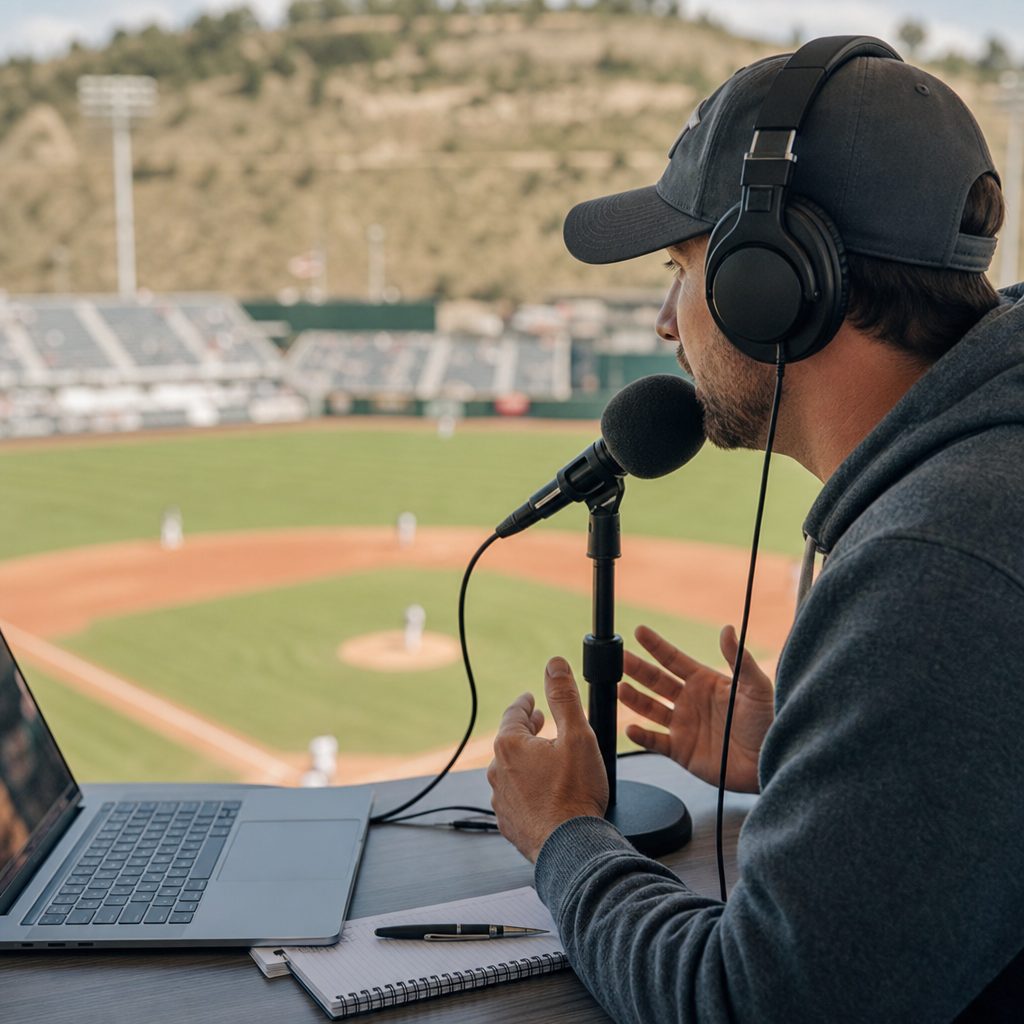
Podcasts have become one of the most important ways baseball fans follow the game, blending analysis, storytelling, and personality into a format that fits modern life. In the broader shift of broadcasting and media in the digital age, baseball podcasts sit at the center of how fans now consume news, debate strategy, revisit history, and stay connected between games. A baseball podcast is simply an audio program distributed online, usually through feeds and streaming apps, but the term now covers a much wider ecosystem that includes video-first shows, team-produced audio, independent reporting, live reaction spaces, and premium subscriber feeds. For a sport built on daily rhythms, long seasons, and deep statistical discussion, that flexibility matters.
I have worked on digital sports publishing calendars and audience strategy, and baseball stands out because its media demand never really stops. Fans want morning recaps, trade deadline breakdowns, prospect updates, rules analysis, injury news, and postgame reaction, often in different formats depending on where they are and how much time they have. Traditional broadcasts still matter, especially local television and radio rights, but digital audio has changed the relationship between teams, reporters, creators, and audiences. A fan no longer waits for the evening sportscast or tomorrow’s newspaper column. They can hear beat writers explain a bullpen decision on the train, listen to former players break down pitch sequencing during a workout, or catch a history series about the Negro Leagues while driving.
This shift matters because baseball’s media business now depends on attention across many touchpoints, not only live games. Podcasts help teams strengthen loyalty, help leagues reach younger and global listeners, and help independent journalists build direct audiences outside legacy outlets. They also support discovery for related content, from newsletters and highlight clips to ticket offers, merchandise, and subscription communities. As a hub topic within innovations and changes in baseball, broadcasting and media in the digital age is really about distribution, access, trust, and fan behavior. Podcasts connect all four. They inform fans with timely reporting, entertain them with strong voices and memorable stories, and increasingly shape how baseball is discussed, monetized, and understood.
Why podcasts fit baseball better than almost any other sport
Baseball is uniquely suited to podcasting because the sport produces constant material and rewards detailed conversation. Every team plays 162 regular-season games, creating a near-daily stream of lineup choices, pitching plans, player development notes, and front-office decisions. That volume naturally supports recurring shows. A football podcast may spend days stretching one game into a weekly debate. A baseball podcast rarely needs to force content because another game, roster move, or prospect report is always close behind. The format also matches how baseball fans think. The sport encourages long-form discussion of mechanics, matchups, park effects, platoons, scouting grades, and historical comparison.
Audio works especially well for baseball because fans often follow the sport while doing something else. Radio has always been part of baseball culture, and podcasts are the on-demand evolution of that habit. Fans can listen while commuting, exercising, cooking, or even watching another game on mute. That convenience extends the reach of baseball media beyond live viewing windows. It also opens space for niche coverage. National television typically concentrates on the biggest teams and moments, but podcasts can go deep on a farm system, a specific division race, or the economic impact of regional sports network instability. In practical terms, podcasts fill the gaps that linear schedules leave behind.
Another reason podcasts thrive in baseball is the sport’s blend of immediacy and memory. Fans want instant reaction after a blown save, but they also value historical context. Good baseball podcasts can move seamlessly from tonight’s pitch clock controversy to a comparison with earlier pace-of-play reforms, or from a rookie’s breakout to similar development paths from previous decades. That combination of present-tense reporting and archival storytelling is rare in sports media. It gives baseball audio a broad editorial range, from news and analytics to biography and documentary narrative.
How baseball podcasts inform fans in the digital age
The strongest baseball podcasts function as daily or weekly information systems. They explain what happened, why it happened, and what it means next. For fans trying to keep up with a long season, that service is valuable. A concise episode can summarize a game more effectively than scrolling through fragmented posts because a knowledgeable host can connect bullpen management, defensive positioning, and opposing pitcher tendencies into one coherent account. This is where informed hosting matters. Beat writers bring sourcing and clubhouse context. Former players add first-hand explanation of preparation, scouting reports, and in-game adjustments. Analysts contribute data literacy, often using public tools such as FanGraphs, Baseball Savant, Statcast leaderboards, Brooks Baseball archives, or PECOTA and ZiPS projection references.
Podcasts also help fans understand complexity without flattening it. A good show can explain why a hitter’s expected slugging percentage differs from actual results, what induced vertical break means on a fastball, or why service-time considerations influence roster decisions. The best hosts translate technical concepts into plain language while preserving accuracy. For example, when discussing a pitcher’s improvement, they do not stop at earned run average. They might explain that a new sweeper changed chase rates against right-handed hitters, that the catcher altered target setup, or that usage shifted away from a vulnerable third pitch. That level of explanation informs listeners far better than generic hot takes.
Because episodes are searchable, shareable, and easily clipped, podcasts also extend reporting life. A strong interview with a general manager, biomechanics expert, or labor economist can remain useful long after publication, especially during recurring topics such as free agency, payroll strategy, media rights, or rule changes. In that sense, podcasts are not just entertainment products. They are part of baseball’s knowledge infrastructure.
How podcasts entertain fans and build community
Information alone does not explain the rise of baseball podcasts. Personality, chemistry, and community are just as important. Fans return to shows because hosts create familiar rituals: opening segments after West Coast games, trade deadline emergency episodes, mailbag questions, prospect check-ins, or annual preseason prediction specials. These habits turn listening into participation. The listener is not just consuming information; they are joining an ongoing conversation with its own references, disagreements, and running jokes.
That community effect is powerful in baseball because fandom is both local and tribal. A Yankees, Dodgers, Cubs, Braves, or Red Sox fan may want national analysis, but they also want a show that understands the emotional texture of their team’s season. Independent podcasts often do this exceptionally well because they are close to the audience and less constrained by broad programming mandates. Team-affiliated podcasts can provide player access and organizational perspective, while fan-led shows often provide sharper emotional honesty. Both serve real needs. During a losing streak, for example, supporters may seek a host who validates frustration yet still explains whether the underlying numbers suggest panic or patience.
Entertainment value also comes from baseball’s built-in narrative richness. Clubhouse culture, road travel, debut stories, arbitration fights, no-hitters, pennant races, and Hall of Fame debates all translate naturally into audio storytelling. Skilled hosts use pacing, tape, archival sound, and interview structure to make these topics vivid. When done well, the result feels closer to documentary radio than to a standard recap show. That range keeps baseball podcasts from becoming repetitive over a six-month season.
The new media ecosystem: teams, journalists, creators, and platforms
Baseball podcasting now sits inside a layered media system rather than a single channel. Teams produce official shows to deepen fan loyalty and control messaging. League and network partners create broad national programs tied to rights packages, studio shows, and event coverage. Legacy newspapers and digital sports outlets use podcasts to extend reporting and strengthen subscriber value. Independent creators build direct businesses through advertising, memberships, live shows, and merchandise. Each model has strengths and limitations.
Official team podcasts usually offer access. They can feature player interviews, coaches, and behind-the-scenes segments that independent creators cannot easily secure. The tradeoff is editorial distance. A team-produced episode may explain a roster move, but it is less likely to challenge front-office decision-making aggressively. Independent and journalist-led podcasts often provide more critical analysis and sharper reporting, though they may have less access or smaller production teams. National shows provide scale and discoverability, but local nuance can suffer when every market receives equal treatment in limited time.
The platform side matters too. Apple Podcasts and Spotify remain major distribution channels, while YouTube has become central for discoverability because many listeners now prefer video clips, chapters, and comments even when the content is essentially audio. Social platforms drive awareness through short segments, quote graphics, and live reaction. Newsletter integration is increasingly important as well. Many successful baseball media brands pair a podcast with email because inbox distribution creates direct audience ownership that algorithms cannot fully control.
| Media model | Main strength | Main limitation | Typical baseball example |
|---|---|---|---|
| Team-produced podcast | Player and coach access | Limited critical distance | Official club pregame or weekly insider show |
| Beat writer podcast | Reporting and clubhouse context | Smaller production resources | Local newspaper or digital outlet series |
| National network show | Broad reach and marquee guests | Less team-specific depth | Leaguewide recap and playoff analysis program |
| Independent creator podcast | Strong voice and community loyalty | Access and monetization pressure | Fan-led analytics or history-focused show |
What makes a great baseball podcast successful
The best baseball podcasts succeed through consistency, credibility, and format discipline. Consistency means predictable publishing. During the season, listeners want to know when postgame, morning, or weekly episodes will appear. Credibility means the host either reports firsthand, analyzes accurately, or clearly distinguishes opinion from sourced information. Format discipline means every episode answers a listener need. Is this a recap, a tactical breakdown, a prospect update, a labor explainer, or a history feature? Shows that drift without purpose usually lose momentum.
Production quality matters, but not in the superficial sense of expensive studio gear alone. Clean audio, tight editing, useful timestamps, clear episode titles, and informative show notes all improve retention. So does structured hosting. A baseball audience will tolerate depth, but not confusion. The strongest episodes state the key question early, move through evidence logically, and finish with a takeaway. For example, an episode on a struggling offense might cover batted-ball profile, injury context, lineup construction, and likely regression indicators before concluding whether concern is temporary or structural.
Successful shows also understand audience segmentation. Casual fans may want game meaning and player stories. Advanced fans may want zone contact rates, pitch movement, or collective bargaining implications. The smartest podcasts serve both by layering explanation. They start with the plain-English answer, then add the deeper statistical or business context. That is how a podcast becomes useful to a broad fan base without becoming shallow.
Business impact and the future of baseball media
Podcasts are now part of baseball’s commercial infrastructure, not a side project. They drive ad inventory, sponsorships, subscriptions, event attendance, and affiliate revenue. They also support retention for broader media products. A fan who regularly listens to a team or outlet podcast is more likely to open newsletters, watch clips, read linked analysis, and maintain a paid subscription. For publishers, podcasting is therefore less about audio alone than about relationship depth across the entire audience funnel.
The business model is still evolving. Advertising remains common, especially host-read ads that benefit from trust and repeat listening. Subscription models are growing through bonus episodes, ad-free feeds, Discord communities, and early access. Some outlets bundle podcasts with premium written coverage. Others use free podcasts as top-of-funnel discovery and monetize through events or memberships. The challenge is that baseball, despite its loyal audience, is still fragmented by market, age, and platform behavior. A highly engaged local show can be influential without generating the scale of a national general-interest sports podcast.
Looking ahead, the most important trend is convergence. The line between podcast, video show, live stream, newsletter, and social clip is fading. Fans increasingly expect one baseball media brand to deliver across all formats. That does not reduce the value of audio. It makes good audio more important because strong conversations generate clips, headlines, searchable summaries, and community discussion. As regional sports networks face pressure, direct-to-consumer products expand, and younger fans build habits on mobile platforms, baseball podcasts will remain essential. They meet fans where they are, explain a complex sport clearly, and turn daily coverage into a durable relationship. For anyone following innovations and changes in baseball, this is the key takeaway: podcasts are no longer an accessory to broadcasting and media in the digital age. They are one of the main engines shaping how fans learn, feel, and stay connected to the game. Explore the best team, national, and independent shows in your market, and use them as your entry point into baseball’s modern media world.
Frequently Asked Questions
Why have podcasts become such an important part of how baseball fans follow the game?
Podcasts have become central to baseball fandom because they match the way modern audiences actually consume media: on demand, across devices, and during the natural gaps in the day. Fans can listen while commuting, working out, cooking, traveling, or even while keeping score during a game. That flexibility matters in a sport with a long season, daily storylines, and an almost endless supply of analysis, roster updates, player development news, and historical perspective. Unlike traditional broadcast formats that depend on fixed schedules, podcasts let fans stay connected to baseball whenever it is most convenient.
They are also uniquely well suited to the rhythm of baseball itself. Baseball is a sport built on detail, nuance, and conversation. A podcast can spend 30 minutes on a pitching adjustment, a trade deadline strategy, a top prospect, or a franchise’s history without being rushed by television time limits or reduced to a quick highlight package. That depth appeals to casual fans who want context and to dedicated followers who want informed debate. In many ways, podcasts fill the space between games by turning baseball into an ongoing conversation rather than a series of isolated events.
Just as importantly, podcasts combine information and personality. A good baseball podcast does more than report scores or headlines. It gives listeners hosts they trust, recurring segments they enjoy, and a sense of community around shared interests. Some shows emphasize breaking news and analytics, while others focus on storytelling, humor, interviews, or nostalgia. That range is one reason the medium has expanded so quickly. Fans are not just looking for updates; they are looking for a voice, a style, and a perspective that fits how they experience the sport.
What makes baseball podcasts different from traditional sports radio or television coverage?
The biggest difference is control. With podcasts, listeners choose what they want to hear, when they want to hear it, and how deeply they want to go into a subject. Traditional sports radio and television often have to serve broad audiences, respond to live programming schedules, and move quickly from topic to topic. Podcasts are more flexible. A show can be tightly focused on one team, one league, one era of baseball history, fantasy strategy, sabermetrics, or player interviews. That specialization allows creators to serve very specific audiences in a way that broadcast media often cannot.
Podcasts also tend to support more thoughtful conversation. Television coverage often prioritizes visuals, fast pacing, and headline-driven debate. Sports radio can be entertaining, but it is frequently built around immediacy, call-ins, and time constraints. Baseball podcasts, by contrast, can spend meaningful time on development systems, defensive positioning, front-office decision-making, rule changes, labor issues, or postseason matchups. For fans who want substance rather than just reaction, that makes a major difference.
Another important distinction is tone. Podcasting generally feels more personal and less formal than legacy media. Hosts often develop a direct relationship with listeners over time, creating familiarity and trust. That can make the experience feel less like passive consumption and more like joining an ongoing baseball discussion. In the digital age, where fans expect access, authenticity, and niche content, podcasts have emerged as a powerful complement—and in some cases an alternative—to traditional baseball broadcasting.
What kinds of baseball podcasts are available for fans today?
The range is remarkably broad, which is one of the reasons baseball podcasting has grown so much. There are daily news podcasts that recap games, injuries, trades, and standings. There are team-specific shows dedicated to one franchise, often discussing lineup choices, prospects, organizational philosophy, and local storylines in far more detail than national outlets can provide. There are also league-wide analysis podcasts that cover everything from playoff races to collective bargaining issues, often with a mix of reporting and informed commentary.
Beyond that, many podcasts focus on distinct corners of baseball culture. Some are built around advanced analytics and appeal to fans who enjoy data-driven breakdowns of pitching, hitting, and roster construction. Others lean into storytelling, featuring long-form interviews with players, managers, scouts, writers, and broadcasters. Some podcasts center on baseball history, revisiting legendary teams, unforgettable postseason moments, labor battles, or the evolution of the sport across generations. There are also fantasy baseball podcasts, prospect-focused shows, minor league podcasts, and programs that explore baseball’s connection to culture, business, media, and community.
This variety means fans can build a listening mix that fits their exact interests. Someone new to the sport might prefer recap shows and beginner-friendly explainers. A serious fan might combine local team coverage, a national analysis show, and a historical podcast. The medium supports both breadth and specialization, which is why it has become such a strong part of baseball media. Whatever a fan wants from the game—news, insight, debate, nostalgia, humor, or expert breakdown—there is almost certainly a podcast designed to deliver it.
How do baseball podcasts help fans stay informed between games and throughout the season?
Baseball is uniquely suited to podcast coverage because the season is long, the schedule is constant, and the storylines never really stop. Even on off-days, there are injuries to monitor, bullpen decisions to analyze, lineup trends to discuss, and farm system developments to track. Podcasts help bridge the time between live games by turning those developments into usable, understandable content. Instead of checking scattered headlines or social posts, fans can listen to a well-structured discussion that puts events into context and explains why they matter.
That context is especially valuable over the course of a 162-game season. A single result rarely tells the full story in baseball. Podcasts can zoom out and identify patterns: a hitter’s swing change, a pitcher’s velocity drop, a manager’s bullpen usage, a front office’s deadline approach, or a team’s performance against certain types of opponents. They can also revisit larger themes such as division races, playoff odds, roster depth, and organizational direction. In that sense, podcasts do not just keep fans updated—they help fans understand the season as it unfolds.
Podcasts are also excellent at handling the quieter but meaningful parts of baseball fandom. They keep listeners engaged during spring training, the draft, trade season, the winter meetings, free agency, and the offseason. In many cases, they maintain a sense of continuity that traditional game broadcasts cannot provide on their own. The result is a more connected fan experience. Baseball becomes something fans can follow every day, not just during first pitch to final out.
Are baseball podcasts mostly about analysis, or are they also meant to entertain?
The most successful baseball podcasts usually do both. Analysis is a core part of the format because baseball invites deep discussion, but entertainment is what keeps listeners coming back regularly. A podcast can explain pitch sequencing, roster strategy, and player development, but if it lacks energy, humor, chemistry, or storytelling, it may struggle to build a loyal audience. The best shows understand that fans want to learn and enjoy themselves at the same time.
Entertainment in baseball podcasts can take many forms. Some shows rely on charismatic hosts and sharp banter. Others use interviews to reveal personality and behind-the-scenes perspective from players, coaches, journalists, and broadcasters. Story-driven podcasts may explore famous games, forgotten legends, dramatic rivalries, or the cultural meaning of baseball in a way that feels more like documentary audio than sports talk. Even heavily analytical shows often succeed because the hosts know how to make complex ideas accessible, lively, and engaging.
That blend of substance and enjoyment is one reason podcasts have become so influential in baseball media. They do not force fans to choose between being informed and being entertained. Instead, they combine expert insight, recurring personalities, and long-form discussion into a format that feels natural and rewarding. For many listeners, that makes baseball podcasts more than just a source of information—they become part of the daily habit of following the sport.