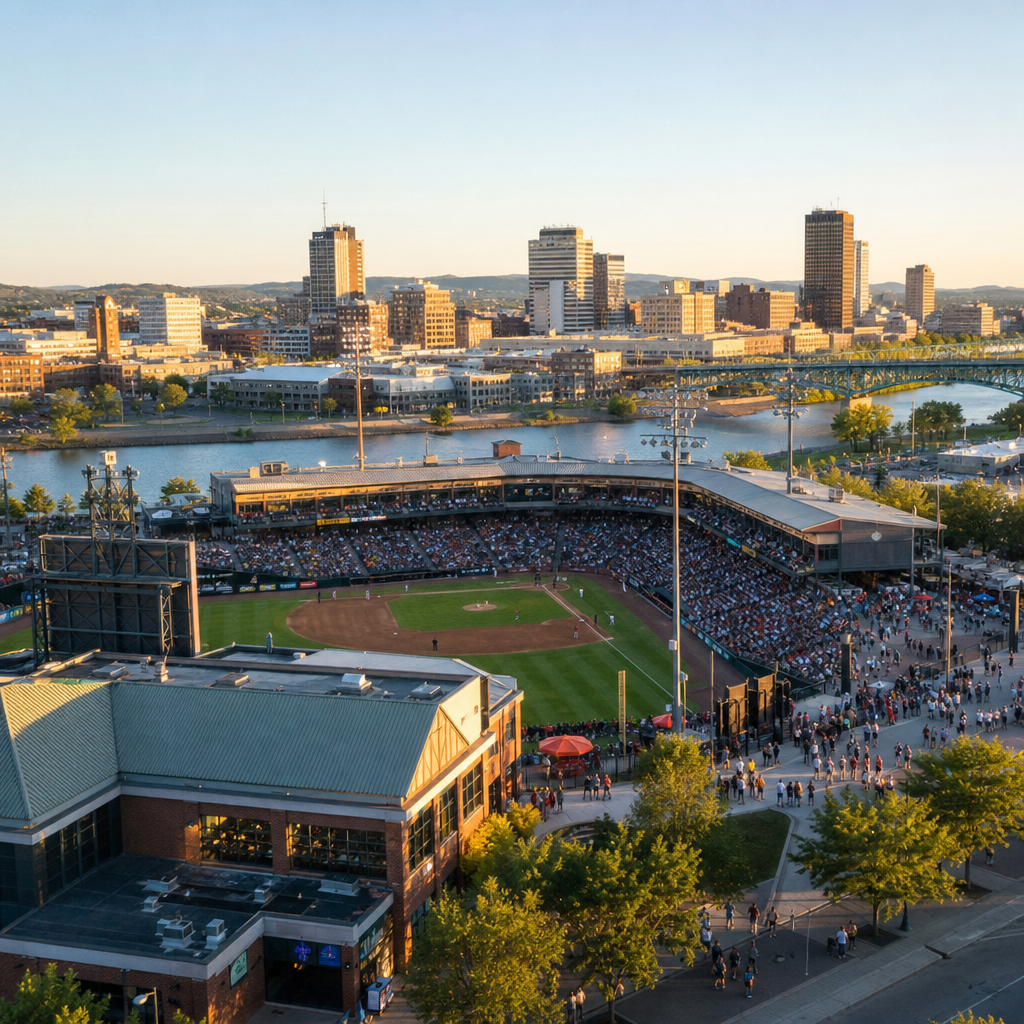
Baseball shapes local economies far beyond the ballpark gates. In cities with Major League clubs, in towns built around Minor League teams, and in communities that host college summer leagues, the sport influences jobs, tax collections, tourism, real estate patterns, infrastructure spending, and the way local businesses plan for the year. When discussing the role of baseball in local economies, it helps to define three terms clearly. First, direct economic impact refers to money spent because baseball activity occurs, including ticket sales, concessions, parking, merchandise, and wages paid by teams and venue operators. Second, indirect impact describes business-to-business activity that follows, such as food distributors supplying concession stands or laundry services cleaning uniforms. Third, induced impact captures the household spending generated when workers paid by baseball-related businesses spend their income locally.
Those distinctions matter because baseball economics are often discussed loosely, and loose claims can mislead public debate. I have worked on local market analysis around sports venues, and the first lesson is always the same: baseball can be a meaningful economic engine, but the size and durability of that engine depend on league level, ownership structure, stadium location, seasonality, transportation access, and whether spending is new to the area or simply shifted from other local entertainment. A Friday night crowd of 30,000 can energize bars, hotels, and parking operators. A publicly financed stadium with weak year-round use can also leave taxpayers carrying debt for decades. Both realities can be true at once.
Baseball matters economically because it combines frequency with place attachment. Football may draw larger single-event audiences, but baseball creates more dates, more recurring downtown foot traffic, and more repeat opportunities for nearby businesses to convert fans into customers. A team with eighty-one home games changes weekly commerce patterns in a way few other attractions can. At the same time, innovations in venue design, data analytics, digital ticketing, mixed-use development, and community programming are changing how clubs and municipalities capture value. This article serves as the central guide to economic perspectives and innovations in baseball, explaining how teams affect employment, neighborhoods, public finance, tourism, technology adoption, and long-term urban strategy.
How Baseball Generates Local Spending and Employment
The clearest economic role of baseball is transaction volume. Fans buy tickets, food, drinks, apparel, parking, and premium experiences. Teams hire full-time executives, grounds crews, marketers, community relations staff, sales teams, and operations managers. On game days, they add ushers, security staff, concession workers, ticket scanners, cleaners, camera crews, and part-time production teams. Around those jobs sits a wider supply chain that includes beverage distributors, maintenance contractors, printers, transport providers, local media partners, and nearby restaurants that staff up when crowds arrive.
The scale differs dramatically by level. A Major League Baseball club can anchor thousands of full-time equivalent jobs when direct, indirect, and induced roles are combined, although not all are high-wage or year-round. A Double-A or High-A club generates a smaller footprint, yet in many smaller cities the team still ranks among the most visible seasonal employers and the most consistent downtown traffic source. College summer leagues and independent clubs operate with leaner payrolls, but they can still be economically meaningful where local tourism options are limited and hospitality demand is sensitive to small shifts.
Seasonality is a defining feature. Baseball fills spring and summer calendars when schools are out, family travel rises, and outdoor entertainment is at its peak. That timing helps hotels, breweries, transit systems, and district retailers smooth demand during months that might otherwise be uneven. In markets with convention centers or waterfront districts, teams often coordinate with local tourism bureaus so games complement other demand generators rather than compete with them. The best local outcomes come when baseball spending extends beyond the stadium and into the surrounding commercial ecosystem.
Ballparks as Anchors for District Development
Modern baseball economics increasingly center on district development rather than ticket revenue alone. Teams and municipalities now evaluate a ballpark as one component of a larger place-based strategy that can include apartments, offices, hotels, entertainment venues, public plazas, transit improvements, and year-round programming. The most cited modern example is The Battery Atlanta, the mixed-use district adjacent to Truist Park, where the Atlanta Braves integrated baseball operations with retail, hospitality, office leasing, and live entertainment. The key lesson is that stadium-adjacent development can diversify revenue and reduce dependence on wins and losses.
This model has spread across professional baseball because it aligns incentives. A team wants fans to arrive earlier and stay later. A city wants taxable sales, hotel occupancy, and property appreciation. Developers want a predictable anchor with recurring attendance. When executed well, baseball can turn underused land into an active district. San Diego’s Petco Park is frequently discussed in this context because the stadium’s insertion into downtown supported broader East Village redevelopment, helping reshape perceptions of the neighborhood and attract residential and commercial investment over time.
Still, stadium-led development is not automatic. If the ballpark is isolated by highways, surrounded by surface parking, or disconnected from transit and walkable retail, the spillover effect weakens. I have seen districts where fans drive in, spend inside the stadium, and leave immediately, limiting nearby gains. Design details matter: street-facing storefronts, safe pedestrian routes, transit access, mixed-price food options, and non-game programming all influence whether local businesses share in baseball traffic. The economic role of baseball is strongest when the venue functions as urban fabric, not a standalone island.
Public Finance, Subsidies, and the Real Debate
No discussion of baseball in local economies is complete without addressing public finance. Cities and counties often support stadium construction or renovation through bonds, tax districts, infrastructure commitments, land assembly, or operating subsidies. Supporters argue that baseball provides civic identity, tourism, jobs, and catalytic development. Critics note that many academic studies find sports subsidies generate lower net economic returns than promised because much spending is substituted from other local activities, while public debt and maintenance obligations remain fixed.
The central question is not whether baseball has economic value. It does. The harder question is who captures that value and at what cost. If a municipality contributes public funds, decision-makers should evaluate opportunity cost carefully. Money used for a stadium cannot also fund schools, transit, public safety, parks, or affordable housing. The best analyses separate construction-period jobs from ongoing operations, estimate tax revenue conservatively, and model scenarios where attendance underperforms. They also examine lease terms, revenue sharing, non-baseball event use, and responsibility for future capital improvements.
| Economic issue | Potential benefit | Common risk | What local leaders should measure |
|---|---|---|---|
| Public stadium funding | District investment and civic visibility | Long-term taxpayer debt | Net new tax revenue after debt service |
| Game-day spending | Restaurant, hotel, and parking sales | Spending shifted from other venues | Visitor share versus resident share |
| Job creation | Seasonal and full-time employment | Low wages or short hours | Full-time equivalent jobs and wage levels |
| Real estate growth | Higher property values and new projects | Displacement and rent pressure | Commercial occupancy and housing affordability |
Transparent measurement improves outcomes. Tools such as IMPLAN and the U.S. Bureau of Economic Analysis regional input-output methods can estimate multipliers, but they should not be treated as magic. Inputs matter. Overstated visitor counts, unrealistic leakage assumptions, and failure to net out substitution can inflate projections. Sound baseball economics require conservative baselines and public reporting after projects open, not just optimistic forecasts before approvals.
Tourism, Branding, and the Visitor Economy
Baseball contributes to tourism in ways that are easy to underestimate. Major League teams attract out-of-town fans, especially for rivalry series, weekend games, special events, and stadiums with destination appeal such as Fenway Park, Wrigley Field, and Oracle Park. Visitors book hotels, dine nearby, use rideshare services, and often bundle games with museums, waterfront attractions, or regional travel. In smaller markets, Minor League Baseball can still support regional tourism by giving families and youth teams a reason to choose one town over another for a weekend trip.
The sport also builds brand identity. A recognizable club gives a city national visibility through broadcasts, social media, and league storytelling. That exposure has economic value, even if it is hard to price precisely. Cities use baseball imagery in tourism campaigns, convention bids, and relocation marketing aimed at employers or residents. Community identity is not a soft side issue; it influences talent attraction, business recruitment, and resident loyalty. A city that feels active and culturally legible can compete more effectively for investment.
Events beyond regular-season games deepen that impact. All-Star festivities, college tournaments, youth showcases, concerts, winter festivals, and stadium tours create additional visitation windows. Teams that partner with destination marketing organizations typically perform better at converting baseball attention into overnight stays and broader visitor spending. The innovation trend here is integrated planning: dynamic hotel packages, app-based wayfinding, digital neighborhood guides, and cross-promotion with local restaurants and attractions turn a baseball game into a city experience rather than a three-hour event.
Innovation, Data, and New Revenue Models
Baseball’s economic role is evolving because clubs now operate as data-driven entertainment businesses. Dynamic ticket pricing adjusts prices based on opponent, day, weather, and demand signals. Mobile ordering increases concession throughput and average spend. Cashless payment reduces transaction friction. Customer relationship management platforms help teams segment audiences, market partial plans, and reactivate lapsed buyers. From an economic perspective, these innovations matter because they improve capacity utilization and raise per-cap revenue without relying solely on attendance growth.
Venue technology has also changed local labor and vendor patterns. High-density Wi-Fi, app-based parking, frictionless retail, and digital sponsorship inventory create new contracts for software firms, telecom providers, integrators, and analytics consultants. Naming-rights deals and premium hospitality products now sit alongside non-game monetization such as corporate events, watch parties, conferences, and community rentals. For local economies, that means a ballpark can support year-round business activity if operators design it as a flexible venue rather than a single-purpose facility.
Player development innovation affects communities too. Training complexes in Arizona and Florida, upgraded biomechanics labs, and bat-tracking or ball-tracking systems create specialized jobs in sports science, medicine, performance technology, and facility management. Youth academies and development programs can stimulate spending on coaching, equipment, travel, and tournament hosting. There are tradeoffs, including pressure on local housing markets in spring training areas and uneven benefits across neighborhoods, but the broader point is clear: baseball innovation increasingly creates economic activity outside the traditional ticket-and-hot-dog model.
Small Businesses, Equity, and Community Outcomes
Local economic success should not be judged only by attendance or tax receipts. The more important question is whether baseball-driven activity reaches small businesses and residents. Independent bars, food vendors, apparel shops, and service firms often benefit from steady game calendars, but access is uneven. Teams that curate local concession partnerships, rotate neighborhood vendors, and provide low-barrier procurement opportunities spread value more widely than teams that rely exclusively on national chains. Community benefits agreements, targeted hiring programs, and youth employment pipelines can strengthen that local link.
Equity concerns are real. Rising rents around successful districts can displace legacy businesses and lower-income residents. Public land deals may prioritize visitors over neighborhood needs. Seasonal jobs can be unstable, and premium redevelopment can create the appearance of broad prosperity while leaving nearby blocks untouched. Responsible baseball-led development addresses these issues directly through affordable commercial space, local vendor quotas, transit investments, wage standards, and public spaces that remain useful on non-game days.
For communities deciding how to engage with baseball, the practical approach is balanced and evidence based. Measure net new spending, not headline spending. Design stadiums for surrounding streets, not just internal revenue capture. Tie public support to enforceable outcomes such as local hiring, transparent reporting, and year-round use. When those pieces align, baseball can strengthen local economies through jobs, tourism, business growth, and neighborhood activation. Explore the related articles in this sub-pillar hub to go deeper into stadium finance, sports technology, minor league markets, and the future of baseball-driven development.
Frequently Asked Questions
How does baseball create direct, indirect, and induced economic impact in a local economy?
Baseball affects local economies through several interconnected layers of spending. The first is direct economic impact, which includes money spent specifically because baseball events take place. That covers ticket sales, concessions, parking, merchandise, hotel stays by visiting fans, and spending at nearby bars, restaurants, and retail stores on game days. It also includes team-related spending such as stadium operations, security, groundskeeping, and event staffing. In a Major League city, these direct effects can be substantial because attendance is high and the number of home games creates a long seasonal flow of consumer activity. In a Minor League or summer league town, the scale is smaller, but the local dependence on that activity can be proportionally very meaningful.
The second layer is indirect impact. This happens when businesses that benefit from baseball then purchase goods and services from other local firms. For example, a restaurant near the ballpark may order more food from regional distributors during the season, a hotel may hire extra laundry services, and stadium vendors may rely on local maintenance contractors, transportation providers, or wholesalers. Baseball can therefore support business-to-business activity that is not always visible to fans but still matters to the local economy.
The third layer is induced impact, which comes from household spending by people whose income is tied to baseball activity. When stadium workers, hospitality staff, retail clerks, security personnel, and suppliers earn wages connected to the baseball season, they spend that income on groceries, rent, healthcare, transportation, and other everyday needs in the community. That recirculation of income helps explain why the sport’s economic role extends well beyond the stadium itself. A strong local analysis will separate these categories clearly, because they describe different channels of influence and help prevent overstating baseball’s total contribution.
What kinds of jobs and business activity does baseball support in a community?
Baseball supports a wide range of jobs, from obvious game-day roles to year-round positions that are easy to overlook. At the ballpark, teams rely on ticketing staff, ushers, concessions workers, parking attendants, custodial crews, security, groundskeepers, scoreboard operators, broadcasters, and front-office employees. Outside the stadium, baseball drives demand for nearby restaurants, hotels, rideshare services, public transit, local retailers, cleaning companies, printers, marketing agencies, food distributors, and event contractors. Even a smaller team can become an anchor customer for dozens of local vendors.
The nature of the employment matters, too. Some jobs are seasonal and part-time, which means they may supplement household income rather than provide full-year stability. Others are permanent and tied to broader venue operations, tourism, or neighborhood development. In larger markets, baseball can help sustain careers in media, sponsorship sales, sports medicine, facility management, and regional hospitality. In smaller communities, the team may be one of the most visible economic engines during warmer months, especially if it fills hotel rooms or brings regular foot traffic to a downtown area that otherwise has slower periods.
Baseball also influences how businesses plan their calendar. Owners often align staffing, inventory, promotions, and operating hours with the home schedule. A restaurant may extend hours after night games, a souvenir shop may increase stock during rivalry weekends, and hotels may build packages around tournament play or summer league activity. That planning effect is economically significant because it shapes cash flow, hiring, and local investment decisions. In many places, baseball is not just entertainment; it becomes part of the business rhythm of the community.
Does baseball increase tourism and tax revenue for local governments?
Yes, baseball can increase both tourism and tax collections, though the size of the effect depends on the level of play, the number of visitors who come from outside the area, and how much those visitors spend locally. Tourism benefits are strongest when games attract out-of-town fans, visiting families, business travelers, tournament participants, or regional spectators who would not otherwise be in the area. Those visitors may spend on lodging, dining, transportation, shopping, and entertainment beyond the ballpark, creating a broader local spending footprint. Cities with Major League clubs often see baseball act as one part of a larger tourism ecosystem, while smaller towns may use a team or summer league as a signature attraction that raises visibility and helps fill local businesses during peak season.
On the public finance side, governments may collect additional sales taxes from purchases tied to games, hotel occupancy taxes from overnight stays, parking revenue, food and beverage taxes, and sometimes admissions-related taxes depending on local law. Increased business activity can also support payroll-related tax collections and, over time, property tax growth if surrounding districts become more attractive for commercial development. However, the real fiscal benefit depends on careful measurement. Not every dollar spent near a stadium is new to the local economy, because some spending may simply be shifted from other local entertainment options.
That is why economists often distinguish between gross activity and net new activity. If a local resident spends money at a baseball game instead of at a movie theater across town, the economic effect is different from a visitor who travels in specifically for a series and books a hotel room. For policymakers, the most credible assessments focus on incremental spending that would not have happened otherwise. Baseball can absolutely support tax revenue, but realistic analysis requires separating new tourism-driven demand from spending that is merely redistributed within the same community.
How can baseball influence real estate development, infrastructure, and neighborhood growth?
Baseball can shape land use and development patterns, especially when a stadium becomes part of a larger district strategy. New or renovated ballparks often attract complementary investment such as apartments, hotels, restaurants, entertainment venues, offices, and public gathering spaces. In some cities, a baseball venue helps reactivate underused industrial land or anchors a broader downtown revitalization effort. In smaller towns, a well-located stadium can increase visibility for nearby businesses, strengthen a main street district, and encourage incremental improvements to storefronts, streetscapes, and public amenities.
Infrastructure is another important piece of the equation. To support game-day traffic and year-round events, communities may invest in roads, sidewalks, transit connections, lighting, utilities, broadband, signage, and parking facilities. Those upgrades can create broader economic value if they serve residents and businesses beyond baseball. Better pedestrian access, improved public spaces, and stronger transportation links may make an area more attractive for future development. In that sense, baseball can act as a catalyst that accelerates infrastructure improvements that have long-term local benefits.
At the same time, these outcomes are not automatic. The value of stadium-led development depends on location, financing structure, neighborhood demand, and whether the project integrates well with existing community needs. Some areas see strong spillover growth, while others do not. There can also be tradeoffs, including public subsidy concerns, displacement pressures, or uneven distribution of benefits. The most successful examples tend to involve clear planning, realistic expectations, and a broader economic development strategy rather than relying on the stadium alone. Baseball can be a powerful anchor, but it works best when paired with sound urban planning and strong local business connections.
Why is it important to evaluate baseball’s economic impact carefully rather than assume every stadium project pays off?
It is important because baseball’s economic influence is real, but it is also often misunderstood or overstated when people focus only on large attendance figures or headline spending totals. A credible evaluation should ask several practical questions: How much of the spending is truly new to the area? How much leaks out to nonlocal owners, suppliers, or contractors? What public costs are involved, including debt service, infrastructure upgrades, police presence, and maintenance? Are the jobs created full-time and durable, or mostly seasonal and low-wage? And are nearby businesses consistently benefiting, or only seeing occasional game-day spikes?
Another key issue is the substitution effect. Local residents have limited entertainment budgets, so some baseball spending may simply replace spending they would have made elsewhere in the same city. That does not mean baseball has no value, but it does mean the net economic gain may be smaller than gross revenue figures suggest. Analysts also look at multipliers carefully. Multipliers can help estimate how spending ripples through an economy, but if they are too large or based on unrealistic assumptions, they can exaggerate the sport’s true impact.
A careful evaluation should also consider benefits that are harder to quantify but still matter, such as civic identity, community pride, charitable activity, youth engagement, and the way a team can help define a place. Those factors are not always captured in tax receipts or employment reports, yet they can influence quality of life and long-term attractiveness. The best way to understand baseball’s role in a local economy is to combine rigorous economic analysis with a broader view of community value. That balanced approach leads to better decisions for local governments, business owners, and residents alike.