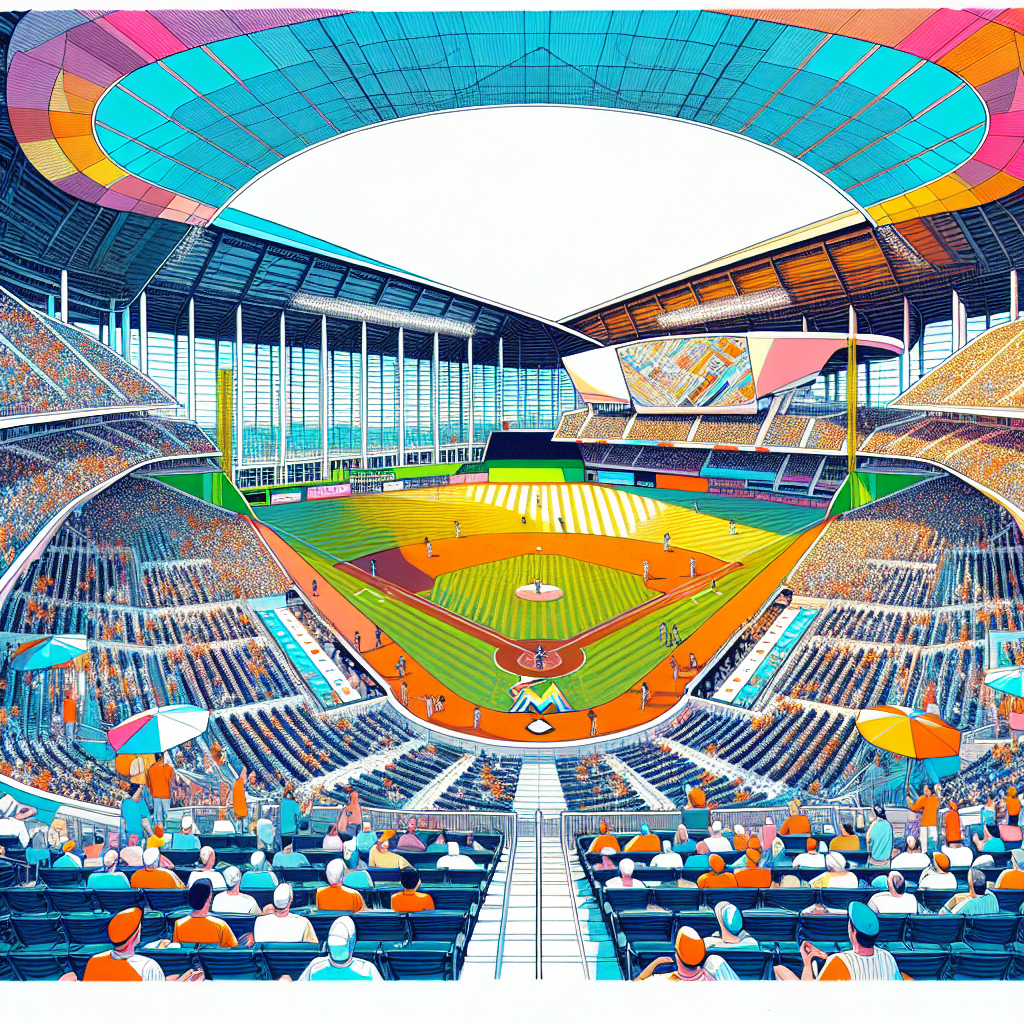
The world of baseball is as much a celebration of athleticism as it is a showcase of architectural splendor. Among the many iconic ballparks that grace the United States, Marlins Park in Miami stands out not only for its modern, eye-catching design but also for its embodiment of the city’s cultural vibrancy and spirit. Opened in 2012, Marlins Park is a testament to contemporary architectural prowess coupled with a deep appreciation for the game of baseball. This article explores the various facets that make Marlins Park a unique gem in the world of sports stadiums, from its architectural features to the fan experience it delivers.
Architectural Marvel: A Modern Design
The design of Marlins Park is a departure from the traditional retro-style ballparks that encapsulate the nostalgia of the early 20th century. Instead, it reflects Miami’s reputation as a hub for modern art and architecture. The ballpark’s vibrant colors, sleek lines, and innovative structures resonate with the Art Deco influences prevalent in the city. A retractable roof, a must-have in the rain-prone region of Miami, spans 5.5 acres and shields the field from inclement weather, ensuring that the game goes on, rain or shine.
One of the most notable architectural features of Marlins Park is the home run sculpture, also known as ‘Homer.’ This kinetic art piece located in the outfield is a visual celebration of the sport, erupting in a display of color and motion whenever a Marlins player hits a home run. Additionally, the ballpark houses several art installations and interactive exhibits, which contribute to the overall fan experience by merging the worlds of sport and art in a seamless blend.
Fan Experience: Beyond the Game
Attending a game at Marlins Park is about more than just baseball; it’s about the entire experience. The park offers a variety of amenities and activities designed to engage fans of all ages. The Clevelander, a popular nightlife spot, has been seamlessly integrated into the ballpark, providing a vibrant, party-like atmosphere right within the stadium. Visitors can enjoy poolside seating, a variety of cocktails, and live entertainment, making it a go-to destination for fans looking to combine sports with social activity.
For families, the Marlins Park provides a Kid’s Zone featuring interactive games and entertainment tailored specifically for younger fans. There are also multiple dining options, ranging from traditional ballpark fare to gourmet cuisine influenced by Miami’s diverse cultural tapestry. Whether you’re grabbing a classic hot dog or indulging in some flavorful Cuban sandwiches, the culinary offerings at Marlins Park enhance the overall visit and cater to a wide array of tastes.
A Sight to Behold: The Artwork Within
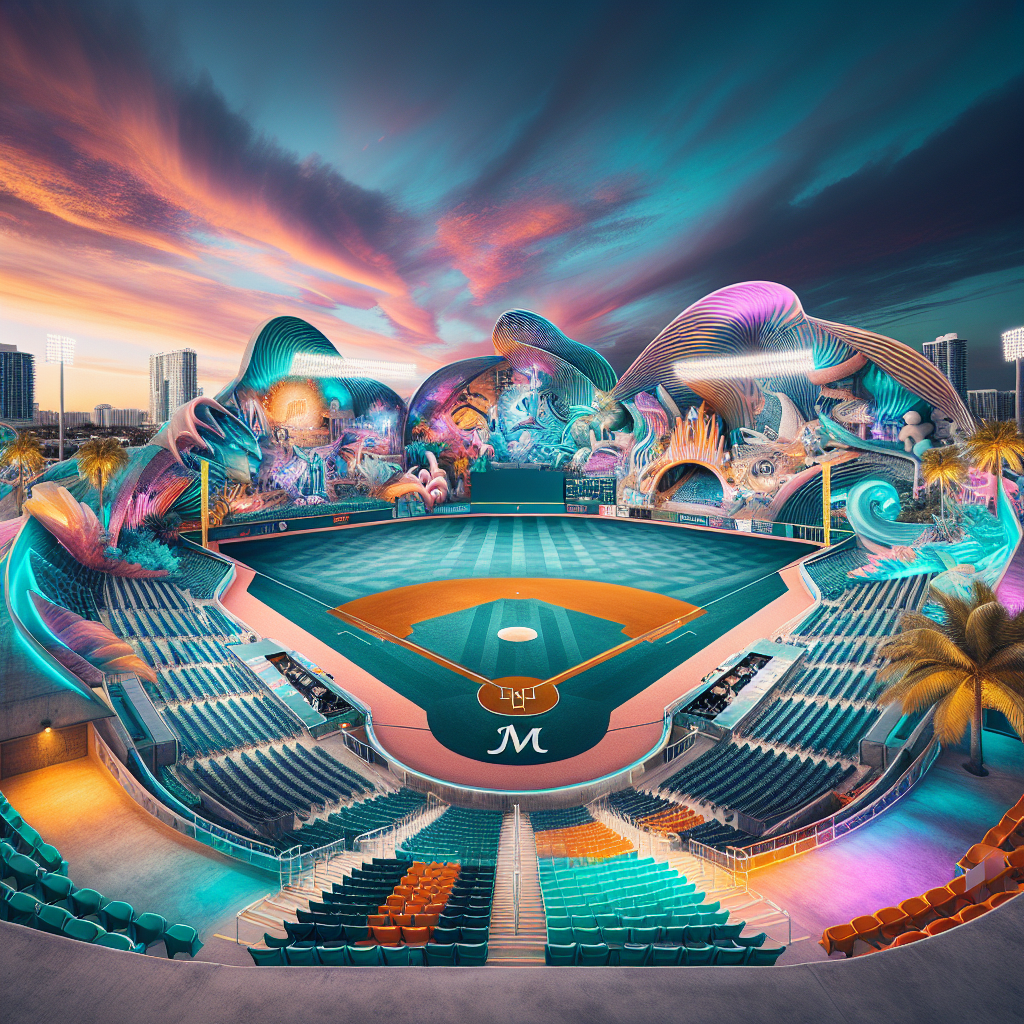
The intersection of art and sport reaches its peak within Marlins Park. The inclusion of public art projects and installations elevates the aesthetic ambience of the stadium. The diverse art installations, curated with the help of local artists, reflect Miami’s eclectic and vibrant culture. One standout piece is the twin aquariums that bookend the home plate backstop, bringing a touch of the ocean right to the ballpark and creating a unique backdrop for both players and fans.
Further cementing Marlins Park as a cultural hub, the stadium also hosts art walk events, featuring visual mediums that range from paintings to digital art, providing a platform for local artists to showcase their work. Through these initiatives, Marlins Park not only enhances the experience for sports enthusiasts but also supports and promotes the local arts community. The integration of art makes a visit to the stadium a multifaceted experience, appealing to a broader audience beyond just sports fans.
The Green Initiative: Sustainability Efforts
Marlins Park is more than just an architectural wonder and a fan haven; it’s also a model of environmental stewardship. The stadium was designed with sustainability in mind, earning it Leadership in Energy and Environmental Design (LEED) Gold certification. This prestigious recognition underscores the ballpark’s commitment to energy efficiency, resource management, and sustainability practices.
Features like the retractable roof and operable outfield walls enhance natural ventilation and lighting, reducing the stadium’s overall energy footprint. Additionally, water-efficient fixtures, a reflective roof, and landscaping that uses native plants contribute to Marlins Park’s environmental responsibility. The focus on sustainability not only highlights the Marlins’ commitment to the environment but also sets a benchmark for future stadium designs worldwide.
The Cultural Impact: More Than Just a Stadium
Marlins Park goes beyond the realm of sports, making a broader cultural impact on Miami’s community. The stadium regularly hosts a variety of events, from concerts to cultural festivals, making it a versatile venue that captures the spirit of Miami. By opening its doors to such events, Marlins Park helps to foster a sense of community and pride among the city’s residents.
Furthermore, the Marlins organization is actively involved in community outreach and local charity efforts, using the stadium as a platform to engage with and support the community. By hosting events like food drives, charity runs, and educational programs within Marlins Park, the franchise plays a vital role in addressing local needs and enhancing quality of life in Miami. Thus, Marlins Park is not just a place where baseball memories are made; it stands as a pillar of community engagement and cultural significance.
Technological Innovations: Enhancing the Game
In a digital age, Marlins Park keeps pace with technological advancements to ensure fans have a top-notch experience. The stadium is equipped with high-definition video boards, providing clear and crisp replays and enhancing the viewing experience. Advanced sound systems ensure that announcements, music, and in-game entertainment are of the highest quality, providing an immersive auditory experience.
Additionally, fans can enjoy free Wi-Fi throughout the stadium, allowing them to stay connected, share their experiences on social media, and access exclusive in-game content. The integration of technology extends beyond the game-time experience; the Marlins app provides features such as digital ticketing, real-time updates, and a navigational guide to help fans maximize their visit. These technological amenities contribute to a modern, engaging, and seamless game-day experience.
Conclusion: A Legacy in the Making
Marlins Park truly encapsulates Miami’s artistic spirit within the realm of baseball. Its bold architectural designs, diverse artistic installations, commitment to environmental sustainability, and comprehensive fan experience position it as a landmark not just in sports, but within the cultural tapestry of Miami. For the locals, it is a source of community pride and engagement; for visitors, it offers a unique insight into Miami’s vibrant lifestyle and artistic heritage.
As Marlins Park continues to host games and events, it builds a legacy that goes beyond the baseball diamond. It stands as a testament to innovative stadium design, blending the worlds of art, sport, and community into one cohesive experience. For anyone visiting Miami or looking to understand the intersection of sport and culture, Marlins Park is a destination that offers more than just a game; it offers a glimpse into the soul of a city that thrives on creativity, diversity, and community spirit.