
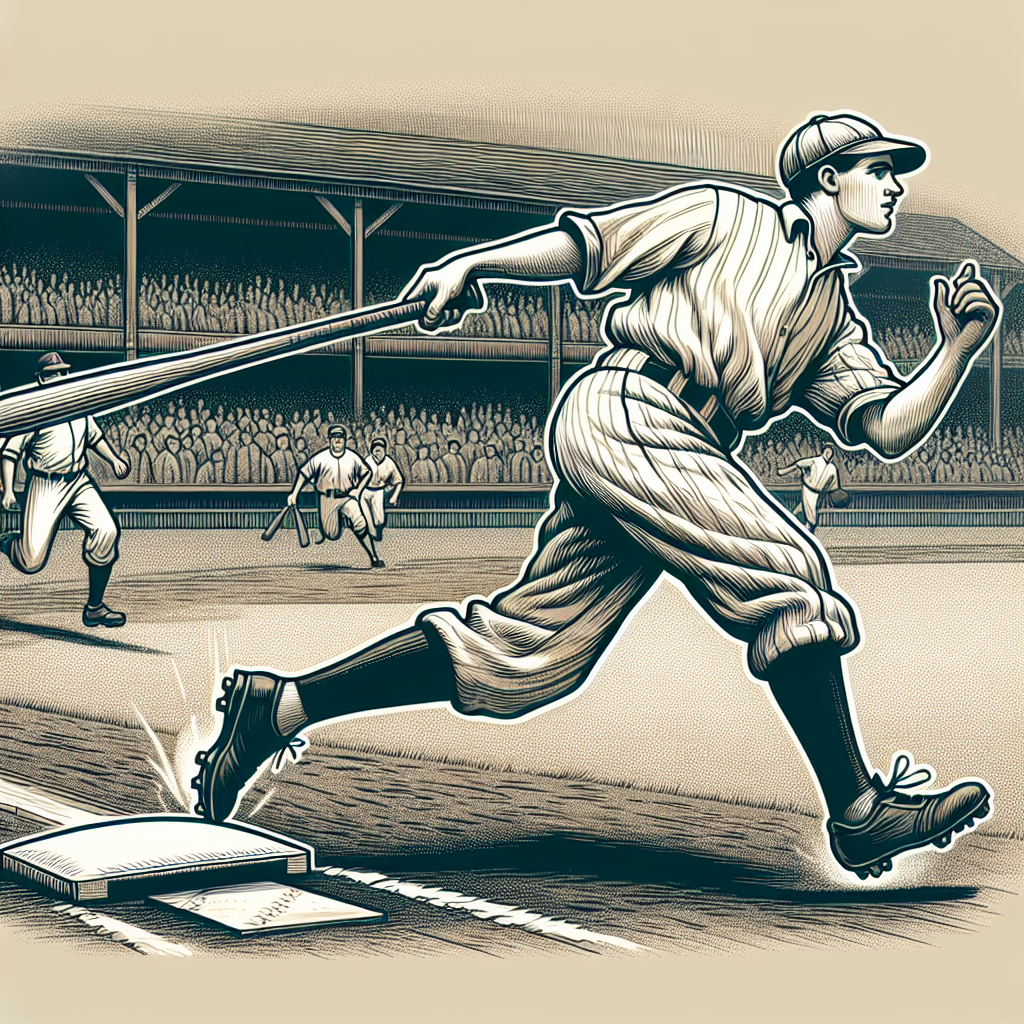
Competing in the baseball fame of the early 20th century wasn’t for the faint of heart; it required a combination of skill, determination, and a bit of luck. One player who epitomized these qualities was Hazen Shirley Cuyler, often better known by his nickname, “Kiki.” Born on August 30, 1898, in Harrisville, Michigan, Cuyler became one of the iconic outfielders in Major League Baseball (MLB) history. Known for his stellar batting average, speed on the base paths, and relentless hustle, Cuyler made an indelible mark during his tenure in the big leagues, playing from 1921 to 1938.
The origins of his nickname, “Kiki,” add a layer of intrigue to his legend. As one story goes, it was derived from his stuttering issues leading fans and players to call him “Cuy,” which then morphed into “Kiki.” Whether this tale is true or simply part of baseball folklore, the name “Kiki Cuyler” became synonymous with consistent performance and spectacular play.
Cuyler’s career was mainly highlighted by his time with the Pittsburgh Pirates and the Chicago Cubs. More than his statistics—though they were undoubtedly impressive—it was his work ethic and adaptability that set him apart. Even in an era filled with baseball greats, Kiki Cuyler’s name resonates because he demonstrated the rare combination of power and speed, transforming the dynamics of any team he played for.
Early Career and Breakthrough
Kiki Cuyler’s journey to the major leagues began in minor league circles, an essential crucible for any budding talent. His initial foray into professional baseball began with the Bay City Wolves in 1920, and it wasn’t long before his remarkable talent became apparent. This short stint in the minors eventually led to his MLB debut with the Pittsburgh Pirates in 1921.
When Cuyler first joined the Pirates, he played sparingly; however, it was in 1924 that he solidified his position as a regular outfielder. That year, he batted a remarkable .354, an achievement that quickly made him a standout player in the league. His combination of hitting prowess and speed—he stole 32 bases that season—made him a multi-dimensional threat, earning him a spot as one of the stars in the constellation of early baseball greats.
One of the highlights of his early career was leading the Pirates to a World Series victory in 1925. During that series, Cuyler was instrumental, batting .269 and delivering a key two-RBI double in the decisive Game 7 against the Washington Senators. His spirited drive and aggressive base running exemplified the hustle for which he would become known.
Prime Years with The Cubs
After several successful years with the Pirates, Cuyler was traded to the Chicago Cubs in 1927, a move that marked the beginning of arguably the most fruitful phase of his career. It was with the Cubs that Cuyler fully realized his potential, consistently maintaining a batting average well above .300 and continuing to demonstrate his speed on the bases.
Cuyler’s time with the Cubs was notable for numerous outstanding incidents. In the 1930 season, he batted a stellar .355 with 13 home runs and a major league-leading 155 runs scored. Such statistical accomplishments made him a vital asset and one of the most feared hitters in the league. His lengthening shadow over the outfield and base paths wreaked havoc on opposing teams, constantly making threats like stolen bases or hitting into gaps look routine.
Nevertheless, one of the hallmarks of Cuyler’s time in Chicago was his leadership. He was known for motivating younger players and providing an example worth emulating. His hustle on the field was matched by his willingness to impart hard-learned lessons, aiding others in improving their game. Despite certain injuries and challenges, Cuyler’s tenure with the Cubs underscored his resilience and elite capability.
Challenges and Setbacks
Even the luminaries in the annals of sports history face their share of adversities, and Kiki Cuyler was no exception. As brilliant as his career was, it was often punctuated by personal and professional challenges. Health-wise, Cuyler had multiple run-ins with injuries—ankle sprains, muscle pulls, and other aches that commonly plagued the rugged players of his era. These injuries kept him off the field for significant stretches, affecting both his individual statistics and the performance of his teams.
Then, there were the internal team dynamics. Baseball teams, much like any workplace, have their share of politics, differing perspectives, and clashing personalities. Cuyler found himself at odds with management on occasions, most notably during his conflict with the Pirates’ manager, Donie Bush. This disagreement culminated in Cuyler riding the bench for an extended period, ultimately leading to his trade to the Cubs.
However, these setbacks did nothing to diminish his dedication or his legendary hustle. Even when his fielding time was limited, Cuyler never became a passive player. He instead chose to contribute in any capacity possible, whether through coaching, mentoring younger players, or finding ways to stay physically ready for action. That resilience bolstered both his reputation and his legacy in the annals of the sport.
Later Years and Legacy
Kiki Cuyler’s career eventually wound down as he entered his late thirties, yet his influence didn’t wane. After leaving the Cubs, he spent time with the Cincinnati Reds and the Brooklyn Dodgers but failed to recapture the peak brilliance of his earlier years. Nonetheless, the twilight of his career saw him transition smoothly into roles that extended his impact beyond just playing.
Cuyler ventured into various support roles, becoming a coach and even managing minor league teams, where his vast experience and sharp understanding of the game proved invaluable. His insight into the mechanics of batting, base running, and overall gameplay helped nurture the next generation of baseball stars. While his stats in the latter stage may not have been as sparkling, his knowledge and advice were pure gold for those he mentored.
Post-retirement, Cuyler remained a cherished figure in the baseball community. His name frequently came up in discussions about the most complete players of his era. Finally, in 1968, culminating years of admiration and respect, Kiki Cuyler was posthumously inducted into the Baseball Hall of Fame—a fitting tribute for someone who had given so much to the sport.
Conclusion
The storied career of Kiki Cuyler, rife with highs, lows, and an overflow of unrelenting energy, remains a compelling chapter in the annals of baseball history. His breakneck hustle on the field and strategic acumen at the plate combined to create an unforgettable legacy. The numerous anecdotes of his energetic performances, his pivotal plays during crucial games, and his steady influence on teammates attest to a career that wasn’t just about individual glory but about advancing the sport itself.
Kiki’s versatility, marked by his capacity to excel in both offensive and defensive roles, showcased an athletic prowess that is seldom seen. Moreover, his resilience in overcoming injuries and team politics to continue performing at a high level is a testament to his character. Each swing of his bat and each dash for an extra base resonated with the heartbeat of baseball’s golden era.
Indeed, the hustle and heart of Hazen “Kiki” Cuyler influence how we remember players of his time. His narrative serves as a perennial reminder of the player whose dedication to the game surpassed statistics. To budding athletes and seasoned aficionados alike, Cuyler’s story exemplifies how talent infused with tenacity can overcome countless challenges to carve out timeless legends. His story thus transcends his statistics and records, becoming a beacon of inspiration for future generations of baseball players.