
Johnny Bench stands out as one of the most iconic figures in the history of baseball. As the star catcher for the Cincinnati Reds, Bench’s career redefined the role of a catcher, setting new standards for defense, power hitting, and leadership on the field. Born on December 7, 1947, in Oklahoma City, Oklahoma, Bench’s journey to baseball immortality began in the small town of Binger, Oklahoma. From a young age, it was clear that Bench was destined for greatness, even as he honed his skills in the humble sandlots and high school fields of his hometown.
By the time Bench was drafted by the Cincinnati Reds in 1965, the baseball world had already begun to take notice. His debut in the Major Leagues came in 1967, a year that also saw the start of the remarkable “Big Red Machine” era. Over the next decade, Bench would become not only the cornerstone of the Reds’ dynasty but also a transformative figure in the catcher position, combining exceptional defensive prowess with unprecedented offensive production.
One of the hallmarks of Bench’s career was his incredible versatility and strength as a catcher. His leadership skills on the field, coupled with his ability to handle pitchers and disrupt opposing offenses, made him an invaluable asset to his team. Bench’s impact on the game went beyond statistics; his presence in the lineup was a morale booster and an inspiration to his teammates. Throughout his career, he won numerous accolades, including two National League MVP awards, 10 Gold Gloves, and 14 All-Star selections.
In this article, we will delve deeper into the various aspects of Johnny Bench’s career, examining the skills, achievements, and legacy that made him one of baseball’s greatest legends. From his defensive wizardry to his clutch hitting, and from his leadership on the field to his enduring influence on future generations of catchers, Johnny Bench’s story is one of unparalleled excellence and timeless inspiration.
Defensive Excellence
Johnny Bench revolutionized the defensive aspects of catching in ways that forever altered perceptions of the position. Bench’s physical attributes, including his strong and accurate throwing arm, were pivotal components of his defensive game. Known for his ability to throw out base runners with remarkable precision, Bench consistently demonstrated an unrivaled combination of strength and accuracy that left would-be base stealers thinking twice.
One of Bench’s most memorable defensive feats came in 1968 when he threw out 57% of attempting base stealers, setting a new standard for catchers across the league. His agility behind the plate, coupled with his quick reflexes, made him proficient at blocking pitches and managing wild throws. Players and coaches marveled at his anticipatory skills, which allowed him to react almost instantaneously to situations on the field.
Beyond his technical skills, Bench’s defensive wizardry also stemmed from his deep understanding of the game. He had the unique ability to read hitters’ tendencies and pitchers’ strengths, which facilitated better game-calling and pitch framing. Bench was often described as a “field general” due to his decisive and strategic approach to handling pitchers. His presence behind the plate reassured pitchers, knowing that they could rely on his guidance and support.
In an era where the role of the catcher was primarily seen as a defensive one, Bench stood out for his ability to make significant contributions with his arm and glove. He amassed 10 Gold Glove awards over his career, a testament to his consistent excellence and dominance in the position. These accomplishments further cemented his legacy as not just the best catcher of his time, but also one of the finest defensive players in baseball history.
Offensive Prowess
While Bench’s defensive skills were groundbreaking, his offensive contributions were equally transformative. Traditionally, the catcher position was not one associated with significant offensive production. Bench challenged this notion by becoming one of the most formidable hitters of his era. Combining power and clutch hitting, Bench brought a new level of respect and expectation to the position.
Bench’s prowess at the plate was evident early in his career, marked by his Rookie of the Year honor in 1968. However, it was during the 1970 and 1972 seasons that he truly showcased his offensive capabilities by winning the National League MVP award twice. In 1970, Bench led the league with 45 home runs and 148 RBIs, demonstrating his ability to change the course of games with a single swing. His performance not only powered the Reds’ offense but also helped the team to the World Series.
As a hitter, Bench had a rare combination of power and consistency. Over his career, he collected 389 home runs and 1,376 RBIs, impressive totals for any player, let alone one primarily known for his defensive duties. His approach at the plate was marked by discipline and an acute understanding of pitchers’ strategies. Bench was known for coming through in crucial moments, often delivering game-winning hits or key home runs during critical junctures of the season.
In addition to his home run prowess, Bench was also a skilled situational hitter. He had the ability to deliver in high-pressure situations, making him a constant threat in the lineup. Opposing teams often had to strategize specifically for Bench, a testament to his impact on the game. His offensive contributions played a crucial role in the success of the “Big Red Machine” era, leading the Cincinnati Reds to four National League pennants and two World Series championships during the 1970s.
Leadership and Intangibles
Johnny Bench’s impact on the Cincinnati Reds—and baseball in general—extended far beyond his tangible skills on the field. He possessed an innate ability to lead by example, instilling confidence and a winning mentality among his teammates. Bench’s leadership qualities manifested in various ways, from his meticulous game preparation to his motivational presence in the locker room.
One of Bench’s defining traits was his unwavering commitment to excellence. His work ethic and dedication to the game were contagious, inspiring his teammates to elevate their own performances. Bench was known to spend countless hours studying opposing hitters and pitchers, ensuring he was always prepared for any situation. This level of preparation and attention to detail became a hallmark of his career, setting a standard for future generations of catchers.
Bench’s leadership was also evident in his ability to build strong relationships with his pitchers. The catcher-pitcher dynamic is one of the most crucial elements in baseball, and Bench excelled in this aspect. He had a unique talent for understanding his pitchers’ strengths and weaknesses, enabling him to call games with precision and confidence. His ability to communicate effectively with his teammates fostered a sense of trust and unity on the field.
Off the field, Bench was a respected figure in the clubhouse and the community. He led by example, both in his professionalism and his commitment to the team. Bench’s influence extended to his interactions with fans and the media, where he carried himself with grace and integrity. His charisma and approachable demeanor made him a beloved figure in Cincinnati and beyond, further solidifying his status as a legendary player and leader.
Legacy and Influence
Johnny Bench’s legacy in baseball is profound and far-reaching. His contributions to the game have left an indelible mark on the catcher position and the sport as a whole. Bench’s influence can be seen in the way modern catchers approach the game, incorporating his techniques and philosophies into their own play.
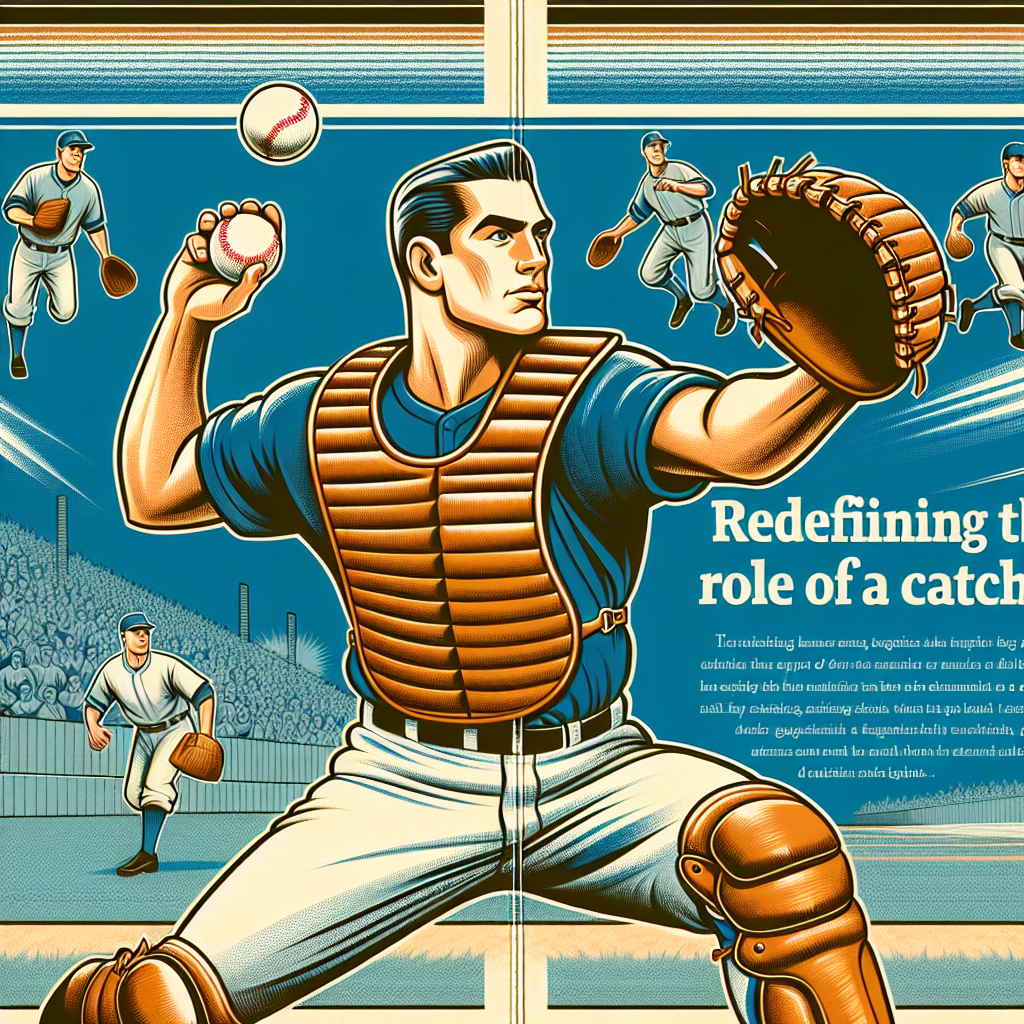
One of Bench’s most significant legacies is his role in redefining the expectations for catchers. Before Bench’s era, catchers were primarily valued for their defensive skills, with offensive production being a secondary consideration. Bench changed this perception by excelling in both aspects, proving that catchers could be integral to a team’s offensive and defensive success. This paradigm shift transformed the way teams evaluated and utilized catchers, paving the way for future generations to follow in his footsteps.
Bench’s impact is also evident in the numerous accolades and recognition he received throughout his career. In 1989, he was inducted into the Baseball Hall of Fame in his first year of eligibility, a testament to his exceptional career and lasting influence. His jersey number 5 was retired by the Cincinnati Reds, ensuring that his legacy would be remembered by future generations of fans and players.
In addition to his individual achievements, Bench’s contributions to the success of the “Big Red Machine” era cannot be overstated. His leadership and performance were instrumental in guiding the Reds to multiple championships, solidifying their place as one of the greatest teams in baseball history. Bench’s legacy is intertwined with the success of this historic team, further enhancing his status as a baseball legend.
Conclusion
Johnny Bench’s career stands as a testament to the power of dedication, talent, and leadership. His influence on the catcher position and the game of baseball is immeasurable, and his legacy continues to inspire future generations of players. From his defensive brilliance to his offensive prowess, and from his leadership on the field to his impact on the broader baseball community, Bench’s contributions have left an indelible mark on the sport.
As we reflect on Johnny Bench’s storied career, it becomes clear that he was more than just a player; he was a trailblazer who redefined what it meant to be a catcher. His ability to excel in all facets of the game set new standards for excellence and reshaped the expectations for the position. Bench’s legacy is a reminder that greatness is achieved through a combination of skill, dedication, and an unwavering commitment to excellence.
Today, Johnny Bench remains a revered figure in the baseball world, his name synonymous with greatness and innovation. As future generations of catchers look to emulate his success, they will undoubtedly draw inspiration from his remarkable career and the lasting impact he has had on the game. Johnny Bench’s story is one of triumph and perseverance, a legacy that will continue to resonate with baseball fans and players for years to come.