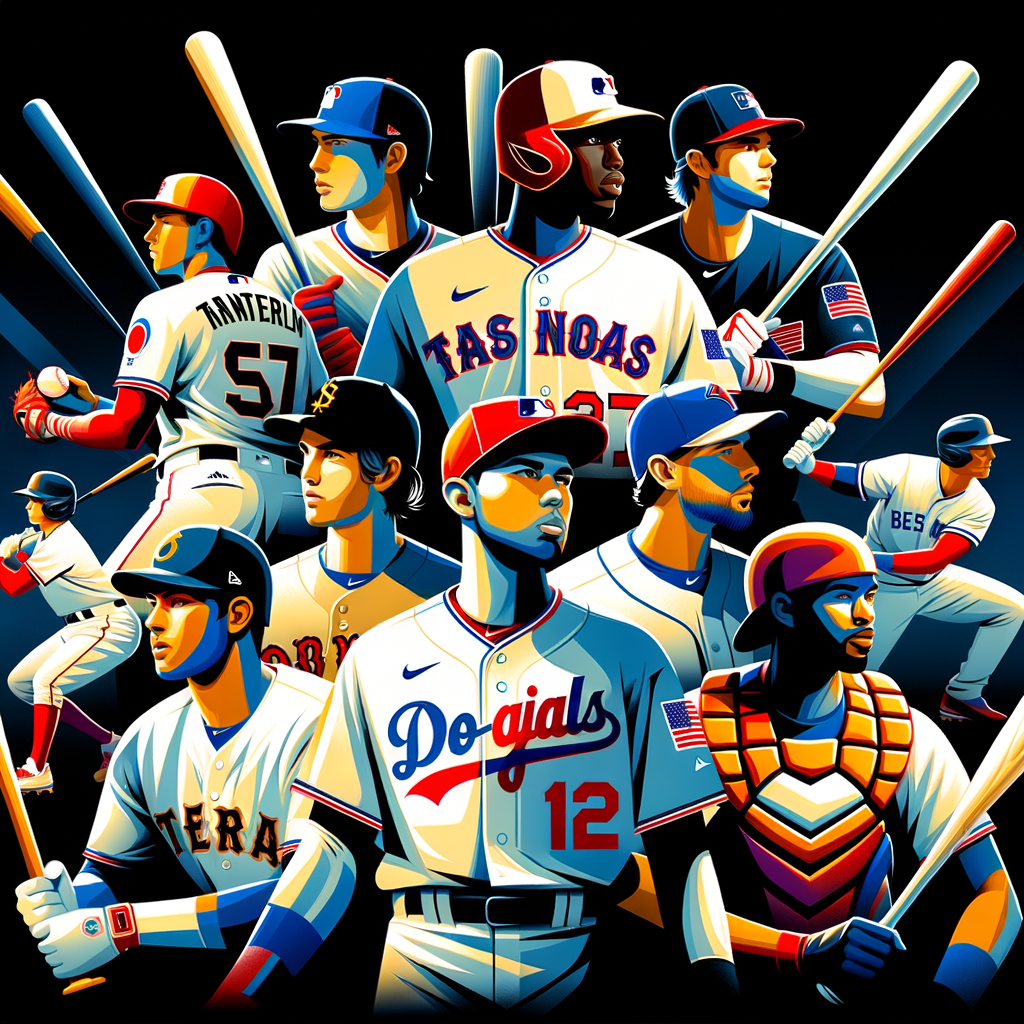
Baseball has long been regarded as America’s pastime, but its international influence has grown substantially over the years, transforming Major League Baseball (MLB) into a global phenomenon. This remarkable evolution is a testament to the myriad of worldwide influences shaping every aspect of the league, from its players to its strategies, fan base, and cultural impact. The MLB has not only embraced but thrived as a result of incorporating diverse global styles and talents into the sport. This transformation is largely driven by the influx of international players who bring unique skills and perspectives to the game. As these players leave an indelible mark on the league, they contribute to a new era of baseball characterized by innovation, cultural exchange, and heightened competitiveness. Furthermore, international markets have become vital to the MLB’s audience growth, resulting in a mutually beneficial relationship that promotes the sport worldwide. This article takes an in-depth look at the global forces shaping the MLB, the influence of international players, and how these exchanges redefine what was once an American-centric sport, as well as considering the challenges and opportunities presented by this expansion. Understanding this can help fans appreciate the game beyond its traditional borders and recognize the significant contributions from global participants.
The Influx of International Players
The MLB’s landscape has been dramatically altered by the presence of international players who bring distinctive playing styles and techniques. This influx is not incidental but rather a reflection of the league’s strategic efforts to scout and incorporate talent from around the globe. As of 2023, over 28% of MLB players are from countries outside the United States, a figure that highlights the increasing globalization of the sport. Players hailing from countries like the Dominican Republic, Venezuela, Japan, and Cuba are not just filling team rosters; they are leading the league in terms of performance and star power.
The Dominican Republic specifically stands out for its disproportionate influence relative to its size. The country’s deep-seated love for baseball has produced a legion of superstars, such as Albert Pujols, David Ortiz, and Pedro Martinez, who have not only succeeded in the league but have become household names worldwide. These players bring a wealth of skill, characterized by power hitting and athletic flair, that has enriched the MLB’s competition. The Dominican Republic’s baseball academies have become key development sites where players are groomed from a young age to excel in the sport, further ensuring a steady pipeline of talent into the MLB.
Similarly, Venezuela has emerged as a baseball powerhouse, contributing stalwarts like Miguel Cabrera, José Altuve, and Félix Hernández to the league. Venezuelan players are often recognized for their versatility and endurance, which adds depth to MLB teams. Schools and camps in Venezuela have become integral in nurturing young talent, despite the country’s economic and political challenges, and have continued to serve as fruitful grounds for the MLB’s recruitment efforts.
In contrast, Japan contributes to the league with a style rooted in discipline and precision. Japanese players have been making headlines since Hideo Nomo paved the way in the late 1990s. Today, players like Shohei Ohtani and Yu Darvish are rewriting what it means to participate in the MLB. Ohtani, in particular, has astounded fans and analysts alike with his remarkable ability to excel both as a pitcher and a hitter, a rarity in contemporary baseball. Japan’s influence is also apparent in the MLB’s strategic adoption of certain playing styles, such as small ball tactics, focusing on contact hitting and base running.
The influence of Cuban players further highlights the international diversity within the MLB. Players such as José Abreu and Yasiel Puig are notable for bringing assertive playing styles and vibrant personalities to the game. The Cuban system, characterized by intense government-run training programs, consistently produces players who are highly skilled and game-ready upon entering the league. This unique pipeline remains active despite political tensions, showcasing how the sport transcends barriers and reflects a powerful aspect of global diplomacy.
Strategic Adaptations and Cultural Cross-Pollination
As international players populate the MLB, their presence necessitates strategic adaptations by teams. Managers and coaches have adjusted their strategies to leverage the unique skills international athletes bring, resulting in a more dynamic and unpredictable game. This blending of strategies is not just about capitalizing on individual talents but also about incorporating varying styles that enhance team performance. Consequently, the MLB has evolved to become a melting pot of playing strategies influenced by global practices, elevating the standard of play across the league.
The cultural cross-pollination within the MLB is visible both on and off the field. International players contribute their customs, languages, and traditions, enriching the locker room environment and fostering greater team cohesion. Teams are now more multicultural, with communication and camaraderie transcending linguistic barriers. This diversity manifests in celebratory gestures, music, and culinary preferences, which players frequently share, reflecting a rich blend of global influences. Such cultural exchanges contribute to more than just team dynamics; they play a role in broadening the appeal of the MLB to international audiences.
Global Audiences and Market Expansion
Beyond the influence of players and strategies, the MLB has actively expanded its footprint into international markets, identifying opportunities to grow its viewer base and increase revenues. This expansion is part of a broad strategy to globalize the sport, making baseball accessible and attractive to fans worldwide. Initiatives like hosting regular season games in countries such as Japan, Mexico, and the United Kingdom have been pivotal in spreading baseball’s popularity and adjusting to diverse fan expectations.
The ceremonial opening day games in Japan, which have featured teams like the Seattle Mariners and Oakland Athletics, not only engage fans in Tokyo but also create a festive atmosphere celebrating baseball’s spirit. Additionally, these events boost baseball’s profile within Japan, further cementing its place in a saturated sports market, heavily dominated by native sports like sumo wrestling and soccer.
Games in Mexico and Europe similarly demonstrate the MLB’s commitment to tapping into new markets. Events like the Mexico Series, where passionate fans witness live MLB action, showcase the excitement and fervor for baseball outside traditional American borders. In contrast, games held in London attempt to capitalize on the burgeoning transatlantic sports culture, capturing interest from diverse backgrounds and solidifying baseball’s role in the global sports arena. These games not only promote baseball among locals but also create dialogues about global sportsmanship and international camaraderie.
The MLB’s digital platforms, including streaming services and social media, have also been crucial in reaching international audiences. By providing access to games and player interactions, the MLB ensures that fans from Asia, Latin America, and Europe remain engaged throughout the season. These platforms allow fans to engage with the sport in real-time, offering them the opportunity to experience the excitement and community aspects traditionally associated with baseball games, thus broadening the league’s reach and fostering a more personalized connection with global fans.
Challenges and Opportunities in a Global League
While the international expansion of the MLB presents numerous opportunities, it is not without challenges. Language barriers, cultural misunderstandings, and logistical complexities are some of the issues teams and the league must navigate. Ensuring effective communication between players from diverse backgrounds is essential and often requires translators and cultural sensitivity training, which increases team cohesion but can be resource-intensive.
The integration of international players into the league also presents regulatory and bureaucratic obstacles. For instance, obtaining work visas and clearing regulatory approvals can be a lengthy process that impacts player participation. Political tensions can further complicate matters, as is evident in relationships with countries like Cuba and Venezuela. Despite these hurdles, steady demand for international talent remains due to the undeniable benefits these players bring to teams.
On the opportunity front, globalization allows the MLB to leverage untapped talent pools, thus increasing the potential for discovering next-generation superstars. It offers a platform for cultural exchange and learning, enriching the lives of players and fans alike. Additionally, expanding into international markets presents financial benefits through increased merchandise sales, sponsorships, and broadcasting rights. By continuing to embrace international markets and talent, the MLB is poised to grow in influence and reputation on a global scale, aligning itself with other internationally revered sports entities like FIFA and the NBA.
Conclusion
The modern MLB embodies a dynamic, international character, distinct from its traditional past. The league’s evolution is largely driven by international players and their distinct playing styles, cultural contributions, and the global audiences they attract. Through strategic market expansions, including international game series and online platforms, the MLB continues to extend its reach and solidify its standing on the world stage. The ongoing challenges of globalization, such as cultural integration and logistical hurdles, have not deterred the league from embracing international influence, instead presenting opportunities for growth and innovation. Looking ahead, Major League Baseball’s commitment to integrating diverse talents and expanding its global brand promises to usher in a new era of baseball, where the sport thrives as a cultural bridge connecting fans from all corners of the globe. Through sustained international engagement, MLB not only enriches its competitive landscape but also fosters a global community of baseball enthusiasts, positioning itself as the quintessential modern sports league that celebrates diversity, innovation, and shared passion.