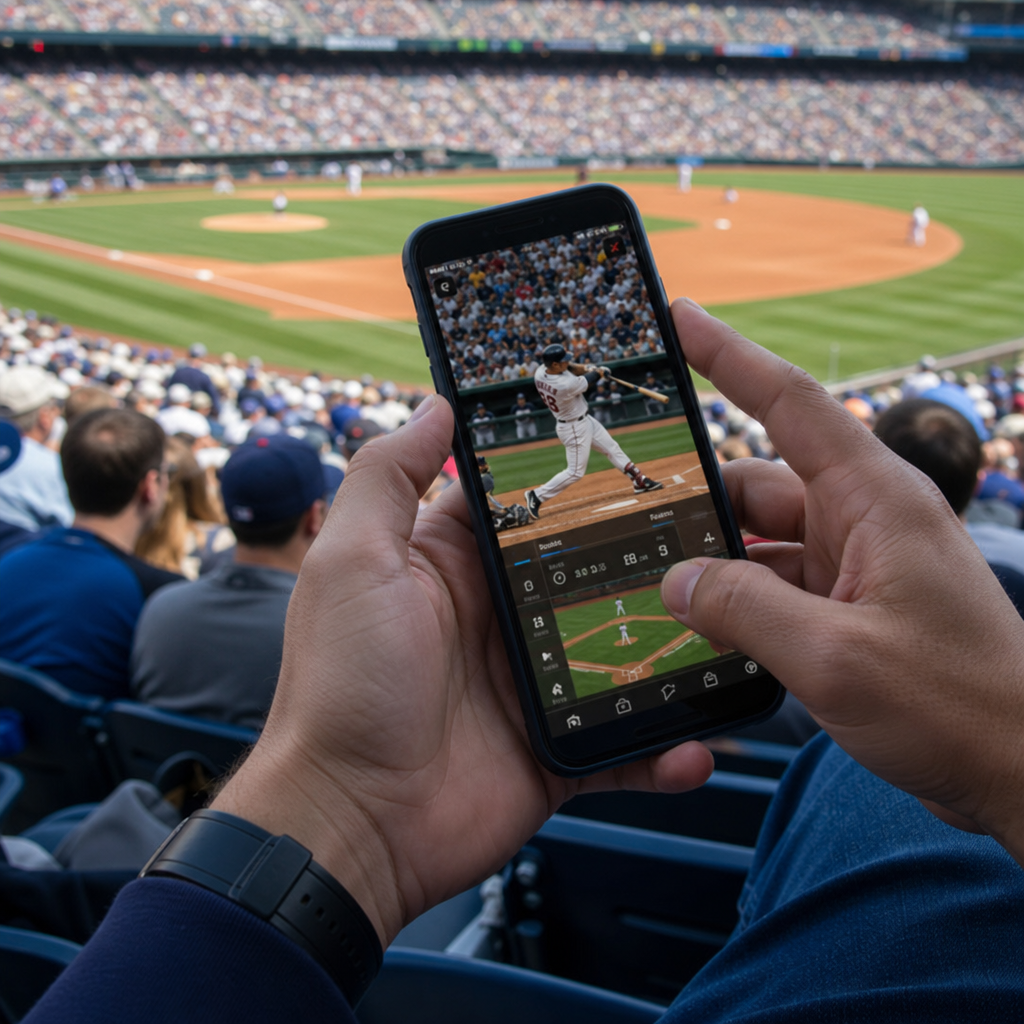
Interactive mobile apps have transformed baseball from a scheduled viewing experience into a continuous, personalized stream of video, data, alerts, and community, changing how fans follow every pitch, roster move, and storyline across an entire season. In baseball, “interactive” means fans do more than watch a broadcast: they choose camera angles, receive live statistics, vote in polls, join chats, watch condensed replays, buy tickets, track prospects, and follow fantasy or betting markets from the same device. “Modern media and broadcasting techniques” now include over-the-top streaming platforms, second-screen experiences, cloud-based production, Statcast-driven graphics, push notification systems, social clipping workflows, and audio personalization. I have worked on digital sports content plans where the mobile app became the center of the fan journey, and baseball is one of the clearest examples because the sport produces daily inventory, dense statistics, and local as well as national audiences. For teams, leagues, broadcasters, and publishers, mobile matters because fans no longer wait for the nightly recap. They expect immediate context, frictionless access, and content tailored to their location, loyalty, and habits.
This shift matters commercially as much as culturally. Baseball once relied on radio first, then regional television and highlight shows, to shape attention. Today, the phone sits between live rights, social media, team-owned media, sports betting integrations, ticketing, merchandise, and direct fan data. An app can tell a casual fan when Shohei Ohtani is batting, show a spray chart after contact, surface a Spanish-language audio feed, and then sell a discounted seat for tomorrow’s game. It can also help a serious fan compare pitch usage, exit velocity, and defensive positioning in real time. That combination of convenience and depth is why interactive mobile apps now anchor modern baseball broadcasting. They shorten the distance between the game and the audience, and they let every fan build a different version of the season.
The Mobile App as Baseball’s New Front Door
For most fans, the first touchpoint is no longer a network homepage or printed schedule. It is the league app, a team app, a streaming service, or a general sports platform such as ESPN, The Athletic, Yahoo Sports, or Apple Sports. In practice, these apps function as the front door to baseball media. They aggregate scores, standings, injury news, lineups, video highlights, game stories, ticket links, and alerts inside one environment. MLB’s own digital ecosystem is the clearest model: live game hubs combine pitch-by-pitch tracking, box scores, advanced metrics, and clips within seconds of a play. That level of integration changes fan behavior because it reduces the need to search across multiple sites.
The strongest apps also understand that baseball operates on rhythm. There are 162 regular-season games per club, plus spring training, playoffs, draft coverage, prospect updates, and offseason transactions. Fans follow at different intensity levels depending on the day. A commuter might only want a score alert and a one-minute recap. A fantasy player wants probable pitchers, lineup confirmation, and bullpen usage. A dedicated local fan wants pregame shows, in-game live look-ins, and postgame interviews. Interactive apps serve all three by layering content instead of forcing one broadcast format on everyone. That flexibility is why mobile has become central to fan retention.
How Streaming Rebuilt the Broadcast Experience
Streaming is the foundation of modern baseball media because it broke the old dependence on the television set and fixed schedule. Over-the-top delivery allows games to be watched on phones and tablets in homes, on transit, at the ballpark, or while multitasking. National packages from Apple TV+ and Roku, plus league-controlled and team-controlled products, have trained fans to expect consistent access across devices. The technical standards behind this experience matter. Adaptive bitrate streaming adjusts video quality to available bandwidth, reducing buffering. Low-latency delivery narrows the delay between the live event and the mobile stream. Cloud distribution helps broadcasters scale during marquee games, trade deadlines, or postseason spikes.
From a fan perspective, the real improvement is control. On a modern baseball app, streaming often sits alongside selectable audio feeds, live statistics, alternate broadcasts, and replay markers. A viewer can pause, scrub back to a strikeout sequence, or switch from the home announcers to radio audio. Some products also surface key moments automatically, letting users jump to every scoring play or every plate appearance for a star hitter. This matters because baseball’s pace is episodic. Unlike sports with constant motion, baseball creates natural breaks that are ideal for layered information and rapid highlight packaging. Mobile streaming turns those breaks into opportunities for context rather than dead air.
Real-Time Data, Statcast, and Second-Screen Habits
Baseball was built for data-rich mobile experiences. The sport produces discrete events, clear outcomes, and extensive historical baselines, making it easier to package insights instantly. Statcast accelerated this shift by turning tracking data into fan-facing storytelling. Exit velocity, launch angle, sprint speed, catch probability, and pitch movement are no longer niche terms for analysts. In the app environment, they appear as overlays, cards, and animated visuals that explain why a ball left the yard or why a defender made a difficult play look routine. Good mobile design turns advanced metrics into plain-language answers: how hard was it hit, how rare was the catch, and how much did that play change win probability?
Second-screen behavior is now standard during baseball broadcasts. Many fans keep the game on television while using a phone for lineups, replay clips, and social reaction. Others use the app as the primary screen and social media as the secondary layer. Either way, the mobile product wins if it provides faster, clearer answers than a general search. That means displaying pitch type, velocity, count history, batter splits, and leverage index without clutter. It also means surfacing trusted context when a debate erupts, such as whether a pitcher is losing velocity, whether a shift adjustment is working, or how often a closer succeeds in similar spots. The app becomes both a companion and an authority.
What Features Actually Improve the Fan Experience
Not every feature adds value. The most effective interactive baseball apps focus on speed, relevance, and simple user choices. In my experience, engagement rises when features solve a clear fan problem rather than showing off technical novelty. Personalized notifications are one example. Fans want to choose alerts for first pitch, scoring plays, saves, no-hitter bids, injury updates, and final scores. They do not want every minor roster move. Another high-value feature is short-form video attached directly to the game feed. If a user gets a home run alert, the best apps let that person watch the clip instantly without searching through menus.
| Feature | How It Works | Why Fans Use It |
|---|---|---|
| Personalized alerts | Users choose teams, players, and event types | Reduces noise and increases relevance |
| Live win probability | Model updates after each plate appearance | Explains momentum in plain terms |
| Multi-angle replay | Clips are tagged and playable from the game hub | Makes controversial or exciting plays easy to review |
| Integrated ticketing | Links live content to seat inventory and offers | Converts attention into attendance quickly |
| Alternative audio feeds | Users switch between home, away, or radio calls | Supports preference, language, and familiarity |
Other features deepen loyalty over time. In-app scoreboards tied to fantasy baseball keep users engaged even when they are not watching their favorite club. Ballpark modes can deliver wayfinding, concession ordering, and seat upgrades during live attendance, joining the in-stadium and at-home experiences. Community tools matter too, although they require moderation. Polls, prediction games, and moderated chat can increase session length, especially during nationally televised games and postseason series. The best products still keep the core promise simple: help fans know what happened, why it mattered, and what to watch next.
Social Video, Highlights, and the Speed of Storytelling
Modern baseball broadcasting is no longer defined only by the live game feed. It is equally shaped by highlight distribution, vertical video editing, and rapid clipping for social and mobile consumption. Baseball lends itself to this because each pitch can become a discrete asset. A strikeout with a nasty sweeper, a 110-mile-per-hour line drive, or a close play at the plate can be clipped, captioned, and distributed within moments. Production teams now build workflows around cloud editing tools, metadata tagging, and rights-aware publishing so content reaches league apps, team apps, YouTube, Instagram, TikTok, X, and connected TV surfaces fast.
For fans, this speed changes the definition of “following” baseball. Many people now track games they never fully watch live. They stay current through alerts, short clips, and postgame packages. A west coast game can still matter to an east coast fan because the app delivers every key moment by morning. For younger audiences especially, mobile highlight culture can be an entry point to deeper fandom. A spectacular catch may lead to a player profile, then a full-game stream, then a ticket purchase. That path from short clip to long-term engagement is one reason teams invest so heavily in mobile-first storytelling, custom graphics, subtitles, and creator-friendly formats.
Personalization, Revenue, and the Business of Direct Fan Relationships
Interactive apps are also business platforms. When a league or team owns the mobile relationship, it gains first-party data about viewing habits, favorite players, content preferences, and purchase behavior. That data can improve both product design and monetization. Subscription bundles can pair live games with premium archives, ad-free features, or exclusive camera angles. Advertising can become more useful when it is tied to context, such as promoting merchandise after a milestone performance or offering family ticket packages during a homestand. Sponsorship integrations can connect brands to specific features, including pitch tracking, pregame lineups, or in-app trivia.
There are tradeoffs. Too many ads, autoplay interruptions, or paywalls around basic information can damage trust and retention. Blackout restrictions have historically frustrated baseball fans, especially those willing to pay but unable to watch local teams live. Some of those rules have loosened in certain markets, but access remains uneven. The strongest mobile strategies balance revenue with habit formation. They keep scores, core news, and key highlights easy to access while reserving premium value for live rights, deep archives, and specialized features. When that balance is right, the app becomes more than a media channel. It becomes the league’s most durable relationship with the fan.
Where Baseball Apps Are Headed Next
The next phase of interactive baseball apps will be shaped by automation, personalization, and richer contextual media. Expect more AI-assisted highlight assembly, faster multilingual captioning, and smarter recommendation engines that learn whether a user prefers prospects, analytics, betting lines, or nostalgic archival content. Expect more alternate broadcasts built for different audiences, including stat-heavy streams, casual explainer streams, and creator-led watch experiences. Audio will likely keep expanding because radio-style baseball remains powerful on mobile, especially when paired with synchronized data and low-bandwidth streaming.
Augmented reality and wearable integration will grow more slowly, but there is real potential. A fan in the stands could point a phone toward the field and see defensive alignment, pitcher usage, or seat-delivered offers layered over the scene. A remote viewer could receive haptic alerts for a save situation or ninth-inning rally. International growth will also matter. Mobile is often the most practical path for fans outside North America to follow MLB, KBO, NPB, winter leagues, and global tournaments. Apps that support multiple languages, local payment options, and tailored start-time reminders will reach audiences that linear broadcasting never served well.
Interactive mobile apps have changed the way fans follow baseball because they unite live broadcasting, real-time analysis, short-form video, commerce, and community inside one always-available platform. They answer the questions fans ask most: Who is playing, what just happened, why does it matter, and where can I watch more? They also support every level of fandom, from the casual user checking a score to the dedicated analyst studying pitch movement and run expectancy. For publishers and teams building a hub around modern media and broadcasting techniques, the lesson is clear: mobile is no longer a supporting channel. It is the central operating system for contemporary baseball attention.
The best baseball apps succeed by combining reliability with useful depth. They stream cleanly, load quickly, explain advanced data clearly, and personalize content without overwhelming the user. They connect highlights to live games, live games to ticketing, and ticketing to long-term loyalty. They respect that baseball is both local and national, daily and seasonal, statistical and emotional. If you are mapping the future of baseball media, start with the mobile experience, audit every fan touchpoint, and build around speed, context, and choice. That is how modern broadcasting turns passive viewers into engaged baseball followers.
Frequently Asked Questions
How have interactive mobile apps changed the way fans follow baseball?
Interactive mobile apps have reshaped baseball fandom by turning it from a game fans checked in on at first pitch into an always-on experience that follows them throughout the day. Instead of waiting for a television broadcast or scanning box scores after the final out, fans can now receive instant notifications about lineup changes, injuries, trades, scoring plays, pitching substitutions, and key moments as they happen. These apps put live video, pitch-by-pitch game tracking, advanced statistics, highlight clips, and team news in one place, making it easier to stay connected whether a fan is at home, at work, commuting, or attending the game in person.
What makes this shift especially important is the level of personalization. Fans can choose favorite teams, players, prospects, fantasy lineups, or even specific game events they want to follow. Many apps also let users switch camera angles, watch condensed games, review replays, participate in live polls, and engage with team or league content in real time. That means following baseball is no longer a passive activity built around a fixed schedule. It becomes a customized stream of information, entertainment, and interaction that fits the fan’s habits. Over a 162-game season filled with daily storylines, these tools help fans keep up with every pitch, roster move, and trend without feeling disconnected from the larger narrative.
What features make a baseball app truly “interactive” rather than just informative?
A baseball app becomes truly interactive when it allows fans to do more than simply read scores or watch highlights. Informational apps deliver updates, but interactive apps invite participation and customization. That can include live stat dashboards, real-time pitch tracking, customizable alerts, in-app polls, fan chats, social sharing, alternate camera views, and on-demand replay controls. Instead of receiving the same experience as every other user, fans can shape how they follow the game based on what matters most to them, whether that is bullpen usage, prospect development, fantasy performance, or late-inning leverage situations.
Interactive features often extend beyond the game itself. Fans may be able to buy tickets, access stadium maps, order concessions, vote on player-of-the-game polls, enter contests, or follow minor league affiliates and farm system updates from the same mobile platform. For more dedicated users, some apps also integrate fantasy baseball tools, betting odds, predictive graphics, and advanced analytics such as exit velocity, pitch movement, and expected outcomes. The result is a deeper, more hands-on connection to the sport. Rather than being limited to whatever a broadcaster decides to show, fans gain control over the pace, depth, and format of their baseball experience.
Why are live stats, alerts, and personalized notifications so important for baseball fans?
Baseball is uniquely suited to mobile engagement because its season is long, its schedule is dense, and its storylines evolve every day. A single team plays almost daily, and the league produces a constant flow of developments, from lineup announcements and pitching matchups to waiver claims, prospect call-ups, and extra-inning drama on the West Coast. Live stats and personalized alerts help fans keep up with that rhythm without having to actively search for updates all day. Instead, the app acts as a smart companion, delivering the right information at the right time based on the fan’s interests.
This matters because different fans care about different signals. One person may want an alert every time their favorite slugger homers, while another wants notice of closer usage, injury reports, or top prospect promotions. Fantasy managers may track stolen bases, saves, and starting lineups, while bettors may focus on pitching changes, weather conditions, and momentum swings. Personalized notifications reduce noise and make the experience more relevant. They also strengthen fan connection by ensuring key moments are never missed, even when fans cannot sit through a full broadcast. In a sport built on daily continuity, these tools help fans feel plugged into the season’s ongoing drama from opening day through the postseason.
How do interactive baseball apps improve the fan experience during and after games?
During games, interactive apps give fans multiple ways to follow the action depending on their time, location, and level of interest. Someone watching live can use the app as a second screen for pitch data, spray charts, win probability, and player bios. Someone unable to watch can follow a visual game tracker, stream radio audio, or receive high-priority alerts for scoring plays and key situations. Fans at the ballpark can use the same app to access digital tickets, locate parking, find concessions, and sometimes unlock venue-specific features that enhance the in-person experience. This creates a more seamless connection between the game itself and the broader digital ecosystem around it.
After games, the app continues to add value by organizing what happened into easy-to-consume formats. Fans can watch condensed replays, review highlight packages, examine postgame statistics, read analysis, and catch interviews or press conference clips. If they missed the game entirely, they can get a fast but meaningful summary without losing the key context. If they watched every inning, they can dive deeper into turning points, matchup decisions, and underlying performance trends. Over time, this postgame layer becomes just as important as live coverage because it helps fans track development across a long season. Every game feeds into larger narratives involving players, teams, divisions, and playoff races, and interactive apps make those connections easier to follow.
What should fans look for when choosing the best app to follow baseball?
The best baseball app depends on how a fan likes to engage with the sport, but several core features are worth prioritizing. First, reliability matters. Live scores, lineups, injury updates, and video clips need to be accurate and fast, especially during close games or major roster news. Second, depth matters. A strong app should offer more than surface-level information by including play-by-play detail, player splits, standings, schedules, and ideally some level of advanced analytics. Third, customization is essential. Fans should be able to follow favorite teams and players, tailor notifications, and organize the experience around the content they care about most.
It is also smart to look at media options and usability. High-quality video, radio access, replay tools, and condensed game features can make a major difference over the course of a season. A clean interface is equally important because baseball generates a huge volume of information, and the app should make that information easy to navigate rather than overwhelming. Fans who care about the full ecosystem of the sport may also want extras such as minor league coverage, prospect tracking, fantasy integration, betting-related data, ticketing, and community features like chats or polls. Ultimately, the strongest apps are the ones that combine speed, depth, and personalization. They do not just report what happened in baseball; they help fans experience the sport in a way that feels immediate, informed, and personal every single day.