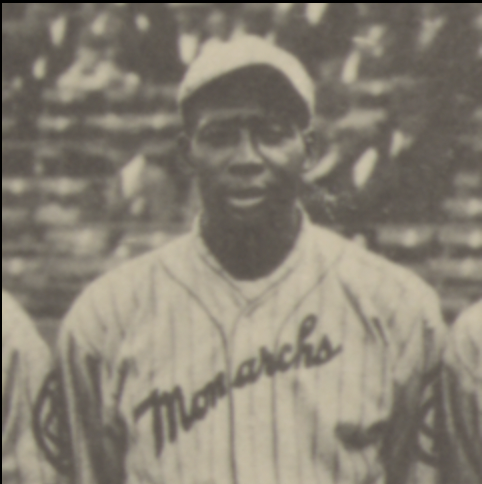
One of baseball’s most captivating stories centers around the Negro Leagues, a collection of professional baseball teams comprised predominantly of African-American players during the segregation era in the United States. Within this rich history of remarkable talent and dynamic personalities, there is one name that continues to resonate among baseball enthusiasts and historians alike: Wilber “Bullet” Rogan. A prodigious dual-threat talent, Rogan not only excelled as a pitcher but also commanded respect as a powerful hitter. His talent and character contributed significantly to the recognition and eventual integration of African-American players into Major League Baseball.
Born on July 28, 1893, in Oklahoma City, Oklahoma, Rogan’s journey to stardom was no easy feat. Growing up in a segregated society, he faced numerous challenges. However, his love for the game and innate talent allowed him to navigate these obstacles and carve out an illustrious career. His multifaceted skills on the field quickly earned him the nickname “Bullet,” paying homage to the speed and precision with which he played the game.
In this article, we delve deep into the life, career, and lasting impact of Bullet Rogan. From his early days in the army to his legendary status in the Negro Leagues, we explore what made him one of the greatest baseball players of all time. Buckle up as we take a trip down memory lane and celebrate the enduring legacy of a true baseball pioneer.
Early Life and Military Service
To understand Bullet Rogan’s baseball journey, one must first appreciate his early years. Born Wilber Rogan, he moved to Kansas City, Missouri, with his family at a young age. It was here that his love for baseball was ignited. Like many youngsters of his era, Rogan honed his skills playing sandlot baseball, showcasing his natural abilities from a young age.
Before ascending to baseball stardom, Rogan enlisted in the United States Army at the age of 16. He served in the 25th Infantry, an all-black regiment based in the Philippines. It was during his military service that he continued to cultivate his baseball talents, playing for his unit’s team. Known for their competitive spirit, the 25th Infantry’s team, nicknamed the “Schofield Barracks,” allowed Rogan the opportunity to compete against other military and local teams, further refining his skills.
Rogan’s time in the military was crucial for his development as a player. He not only matured physically but also mentally. The discipline and training he received in the army translated onto the field, where he exhibited a level of focus and determination that would later define his career. It was also here that he earned the nickname “Bullet,” thanks to his blazing fastball and swift demeanor.
After completing his military service in 1919, Rogan transitioned seamlessly into professional baseball. He was discovered by Dick Lundy, a renowned scout and manager who quickly recognized Rogan’s dual-threat potential. Lundy’s endorsement led to Rogan joining the Kansas City Monarchs, marking the beginning of a legendary career in the Negro Leagues.
Rise to Fame with the Kansas City Monarchs
The Kansas City Monarchs, one of the Negro Leagues’ most storied franchises, became Rogan’s stage to showcase his remarkable talents. Signing with the team in 1920, Rogan made an immediate impact. His prowess as both a pitcher and a hitter set him apart from his peers, and he quickly established himself as one of the league’s premier talents.
Rogan’s pitching style was a blend of power and finesse. His fastball, clocked at speeds that rivaled those of his Major League counterparts, earned him the moniker “Bullet.” However, it was his ability to seamlessly transition between pitching and hitting that truly made him a dual-threat. As a pitcher, he dominated the mound with an arsenal of pitches that left batters bewildered, while as a hitter, he consistently posted impressive batting averages and power numbers.
During his tenure with the Monarchs, Rogan helped lead the team to numerous championships, solidifying their legacy as one of the preeminent teams in the Negro Leagues. His performances would often draw comparisons to the great Babe Ruth, as he exhibited an unparalleled ability to influence the game on both offense and defense.
Rogan’s impact was not limited to his individual contributions. He played a pivotal role in mentoring younger players and elevating the overall standard of play within the league. His leadership on and off the field earned him the respect of his teammates and competitors alike, further enhancing his status as a baseball icon.
Statistical Achievements and Career Highlights
Bullet Rogan’s career is punctuated by a series of remarkable achievements and accolades. Over his 20-year career, he posted statistics that underscore his dual-threat capabilities. As a pitcher, Rogan is estimated to have won over 150 games with an impressive ERA, although precise records from the Negro Leagues are sparse. His strikeout proficiency and ability to control games from the mound were extraordinary, making him a daunting opponent for any batter.
Equally impressive were Rogan’s hitting statistics. With a career batting average hovering around .350, he consistently ranked among the league’s top hitters. His power at the plate was complemented by his ability to get on base and drive in runs, making him a versatile and invaluable asset to his team.
Some of Rogan’s most memorable performances include a no-hitter against the Detroit Stars and a game where he single-handedly contributed to both the offense and defense, pitching a shutout while hitting multiple home runs. These feats not only highlighted his individual brilliance but also underscored the value of having a player who could impact the game in so many ways.
Rogan’s efforts contributed to multiple pennant victories for the Monarchs, and he played a crucial role in their triumphs in the Negro League World Series. His clutch performances in high-stakes games further cemented his legacy as one of the greatest players in Negro Leagues history.
Rogan’s Influence Beyond the Field
While Bullet Rogan’s contributions on the field were nothing short of legendary, his influence extended far beyond the confines of the baseball diamond. He was a trailblazer who helped pave the way for future generations of African-American players, challenging the status quo and breaking down racial barriers in sports.
Rogan’s leadership and mentorship played a significant role in developing the talents of younger players, many of whom would go on to have successful careers of their own. He was known for his willingness to share his knowledge and experience, offering guidance to those who sought to follow in his footsteps.
Additionally, Rogan’s success in the Negro Leagues served as a powerful statement about the capabilities of African-American athletes. His performances against both black and white teams demonstrated that talent and skill knew no racial boundaries. This was particularly significant during a time when the prevailing social attitudes were steeped in segregation and discrimination.
Rogan’s legacy is also reflected in the integration of Major League Baseball. The eventual breaking of the color barrier by Jackie Robinson in 1947 was built on the foundation laid by players like Rogan, who proved time and again that they belonged on baseball’s biggest stage.
Legacy and Hall of Fame Induction
The true measure of Bullet Rogan’s impact can be seen in the enduring respect and admiration he commands among baseball historians and fans. Decades after his playing days, Rogan’s legacy continues to be celebrated, highlighting the profound influence he had on the game and the broader cultural landscape.
In recognition of his extraordinary career and contributions to the sport, Bullet Rogan was posthumously inducted into the Baseball Hall of Fame in 1998. This honor was a testament to his remarkable achievements and his role as a pioneer in the integration of baseball. Rogan’s Hall of Fame induction serves as a permanent reminder of his exemplary skill and dedication to the game he loved.
Beyond the statistics and accolades, Rogan’s legacy is embodied in the stories and memories passed down through generations of baseball enthusiasts. He remains a symbol of athletic excellence and perseverance, inspiring countless aspiring players to pursue their dreams regardless of the obstacles they may face.
The impact of Bullet Rogan’s career is also evident in the continued popularity and reverence of the Negro Leagues. His story, along with those of other greats from the league, serves as a powerful reminder of the rich history and contributions of African-American players to the sport of baseball. Today, exhibits, documentaries, and educational programs ensure that the legacy of Bullet Rogan and his contemporaries are preserved and celebrated for future generations.
Conclusion
Bullet Rogan’s career is a compelling chapter in the annals of baseball history. As a dual-threat star of the Negro Leagues, Rogan’s excellence on both the mound and at the plate set him apart as one of the game’s all-time greats. His remarkable achievements, from his early days in the military to his storied tenure with the Kansas City Monarchs, showcase his unparalleled talent and indomitable spirit.
Rogan’s influence extended beyond his personal accomplishments, as he played a crucial role in the development and success of the Negro Leagues. His leadership, mentorship, and trailblazing efforts contributed to the eventual integration of baseball, creating opportunities for future generations of players. His legacy serves as a powerful reminder of the importance of perseverance, talent, and the pursuit of excellence in overcoming societal barriers.
Today, Bullet Rogan is celebrated as a Hall of Famer and a true icon of the sport. His story continues to inspire and captivate, ensuring that his contributions to baseball will never be forgotten. As fans and historians reflect on the legacy of players like Rogan, it becomes clear that their impact transcends statistics and accolades. They embody the spirit of resilience and the pursuit of greatness in the face of adversity.
Bullet Rogan’s life and career remind us of the rich history and cultural significance of the Negro Leagues and the profound influence these players had on the game of baseball. As we honor their contributions, we continue to celebrate the enduring legacy of a true baseball legend—Bullet Rogan.