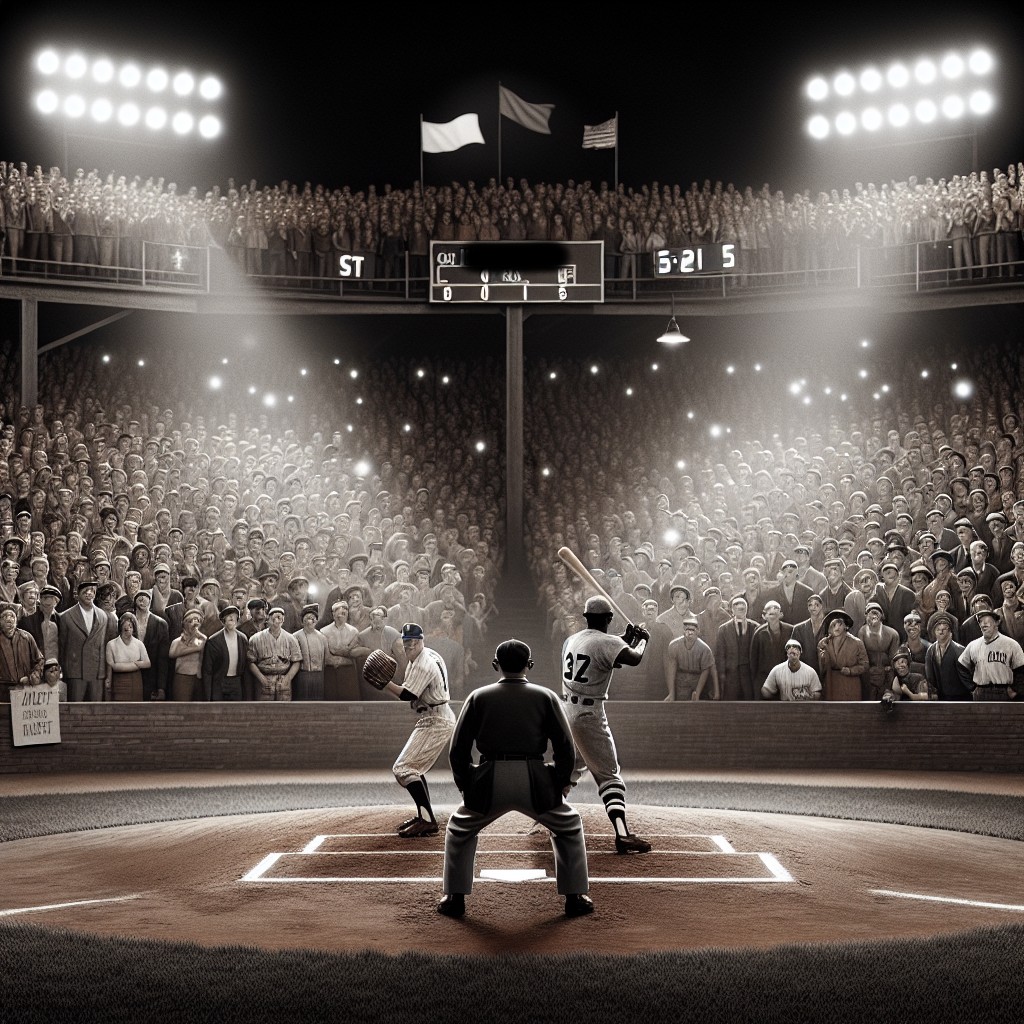
Baseball, often called America’s pastime, has a rich history embedded deep within the American cultural fabric. However, the sport’s history is not without its dark chapters. One of the most significant hurdles in the league’s history was overcoming racism and segregation. While Jackie Robinson is a household name today, symbolizing the breaking of baseball’s color barrier during the regular season in 1947, it is crucial to explore how African American and other non-white players transitioned into the high-stakes arena of the World Series and playoffs. This journey, riddled with formidable challenges and inspiring moments, marks a pivotal point in sports history, reflecting broader societal changes. This article delves into the contributions of trailblazing players and the evolving dynamics of race in Major League Baseball postseason history.
Early Years: Before Robinson
The history of African Americans in post-season baseball predates Jackie Robinson in several ways. The Negro Leagues, established in the early 20th century, symbolized both a rejection of and resistance to racial segregation in Major League Baseball. These leagues featured some of the era’s most talented players, like Satchel Paige and Josh Gibson, both of whom never had the chance to showcase their abilities on the World Series stage during their prime years. Yet, their influence was immense, paving the way for public opinion to eventually shift in favor of integration.
Stories of talent and resilience in the Negro Leagues provided a stark contrast to the segregated Major Leagues and continued to pressure them to integrate. These leagues held their own World Series, providing invaluable postseason experiences to the players who participated. Their outstanding performances against formidable odds highlighted the sheer capabilities and passion for the game inherent in African American players, preparing the public for a future where they could shine on Major League Baseball’s grandest stages.
Jackie Robinson’s Impact on the Postseason
Jackie Robinson’s entry into Major League Baseball with the Brooklyn Dodgers in 1947 was nothing short of revolutionary. His presence wasn’t just felt during the regular season but extended profoundly into the postseason. Robinson’s impact was immediate, leading the Dodgers to the pennant in his rookie year, although they fell short in the World Series against the New York Yankees.
Robinson’s courage and determination set the stage for other African American players who would follow in his footsteps. His appearances in the World Series from 1947 to 1956 showcased his skill and tenacity on the biggest stage. His postseason impact wasn’t merely a testament to his athletic performance but also to his role as a pioneer breaking down racial barriers in a highly publicized environment. Each hit, stolen base, and run symbolized a step forward in challenging the racial prejudices of the time.
Post-Robinson Era: Opening Doors
The trails blazed by Jackie Robinson created pathways for other non-white players to enter and excel in Major League Baseball. Following his groundbreaking achievements, players such as Larry Doby of the Cleveland Indians and Satchel Paige also made their marks. Larry Doby, who became the first African American to play in the American League, helped the Indians win the World Series in 1948.
The inclusion of players like Doby and Paige underscored a gradual, albeit slow, acceptance of racial integration within the sport. More importantly, their playoff and World Series appearances illustrated a breaking of not just external societal barriers but internal team dynamics that had previously been marred by segregation. These players exemplified excellence and professionalism, creating a new narrative in which ability and talent were the primary measures of a player’s worth, not the color of their skin.
The Role of Latino Players in Postseason History
Beyond African American players, Latino players have also made significant contributions to breaking down barriers in baseball’s postseason history. Players like Roberto Clemente of the Pittsburgh Pirates and Orlando Cepeda of the San Francisco Giants played pivotal roles in their teams’ successes. Clemente, known for his incredible skill and humanitarian efforts, was instrumental in leading the Pirates to World Series titles in 1960 and 1971, earning the World Series MVP in the latter year.
The inclusion of Latino players added another dimension to breaking baseball’s color lines, further internationalizing the sport. Their post-season heroics not only demonstrated their capabilities but also helped to gradually change the mindset of fans and organizations alike. Latino players brought unique styles and approaches to the game, enriching Major League Baseball and showcasing diversity as a strength rather than a divisive factor.
Modern-Day Impact and Legacy
The legacies of players who broke the color barrier are still felt profoundly in today’s Major League Baseball. Modern stars such as Mookie Betts, Giancarlo Stanton, and Francisco Lindor continue to build on the foundations laid by pioneers like Robinson, Doby, and Clemente. Their performances in the playoffs and World Series are testament to the enduring impact of those who fought against racial segregation in the sport.
Today’s players not only benefit from the increased integration and acceptance in baseball but also understand the responsibility to honor and continue the fight for equality and representation within the sport. Through community engagement and vocal support for social justice initiatives, modern players ensure that the history of breaking baseball’s color barrier is not forgotten. They stand as living representations of progress and resilience, hoping to inspire future generations to pursue greatness regardless of racial and ethnic backgrounds.
Conclusion
The journey from exclusion to inclusion in Major League Baseball’s postseason history is a remarkable story of resilience, talent, and societal change. Jackie Robinson’s groundbreaking role in the 1947 season marked the beginning of a transformative era, but the contributions did not stop there. Players like Larry Doby, Satchel Paige, Roberto Clemente, and many others have played crucial roles in the World Series and playoffs, forever changing the landscape of the sport.
As we look forward, it’s important to recognize that while significant strides have been made, the journey for complete equality in sports continues. Celebrating the pioneers who broke the color barrier and acknowledging their triumphs and struggles is essential for understanding the present and shaping the future. Through remembrance and continued advocacy, baseball, and indeed all sports, can move closer to the ideals of equality and unity exemplified by these trailblazing athletes.
Frequently Asked Questions
1. What does ‘Breaking the Color Barrier’ mean in the context of baseball’s postseason?
The phrase ‘Breaking the Color Barrier’ refers to the momentous shift in Major League Baseball (MLB) when racial segregation was dismantled, allowing African American players and those from other racial backgrounds to participate in the league. While most people know about Jackie Robinson breaking the color barrier in the regular season in 1947, the postseason breaking of this barrier is equally crucial and less discussed. Essentially, it marks the inclusion and significant contributions of non-white players during the MLB’s playoff and World Series games. This transformation was a critical step towards equality, exposing audiences to the immense talent and value diverse players brought to top-tier contests previously dominated by whites. Postseason appearances and successes by black players defied racial stereotypes, celebrated cross-cultural inclusion, and were pivotal in changing public attitudes towards integration in all facets of American life.
2. Who were some of the first non-white players to make significant impacts in MLB’s postseason?
Several path-forging athletes helped to shape the success and acceptance of minority players in the postseason. Larry Doby, the Cleveland Indians’ center fielder, was the first black player to hit a home run in the World Series, doing so in 1948. His performance not only helped the Indians win the championship but also demonstrated the critical impact black players could have on the biggest baseball stages. Another monumental figure was Satchel Paige, who broke into the MLB postseason as one of the first African American pitchers. His legendary status from the Negro Leagues translated to pivotal performances in the big leagues. Players like these, along with others such as Don Newcombe, Elston Howard, and Hank Thompson, not only showcased their individual excellence but collectively laid down the groundwork for the future stars who would follow in their footsteps.
3. How did breaking the color barrier in the postseason influence baseball and society at large?
The integration of African American and other racial minority players into baseball’s postseason had profound social and cultural effects. For the sport, it set a precedent for the inclusion of the best talent, regardless of race, which led to a richer, more competitive atmosphere. For society, the visible success and grace of these pioneering athletes on such grand stages symbolized hope, unity, and progress. These players challenged the pervasive racial stereotypes and discrimination of the time, serving as cultural ambassadors who advanced the cause of civil rights. Their determination and resilience inspired generations of minority athletes and fortified the push against racial injustice, substantially contributing to the desegregation movements in other parts of American life.
4. What challenges did non-white players face during the MLB postseason?
Despite their undeniable talent, non-white players contended with immense pressures and systemic prejudices when participating in postseason play. Many of these athletes were subjected to brutal racism, both in the form of verbal abuse from opposing fans and players and through exclusionary practices by certain team owners and managers. Often, they played in an era where separate accommodations and seating persisted, meaning even the act of getting to a game could be fraught with discriminatory obstacles. Additionally, some teammates were resentful or indifferent towards their presence. This hostile environment required these groundbreaking athletes to have extraordinary mental fortitude and poise. Yet, overcoming these adversities only serves to amplify their remarkable achievements and footprints left on the game.
5. How is the legacy of breaking the color barrier honored during MLB’s postseason today?
Today’s MLB postseason pays homage to the trailblazers who broke the color barrier through various on-field celebrations and initiatives that promote diversity and inclusion. Special games honoring Jackie Robinson and other key figures mark significant dates. Additionally, MLB partners with organizations and foundations dedicated to celebrating the history and promoting the legacy of balancing the scales of fairness in baseball. The league invests in youth programs aimed at diversifying the sport, ensuring players from all backgrounds receive opportunities to excel. Remembrance ceremonies and educational promotions emphasize that the current diversity of MLB players is directly linked to the courage, determination, and excellence of those early barrier-breakers. The MLB’s concerted efforts testify to the enduring importance of these achievements, ensuring they are never forgotten and serve as ongoing motivation for inclusion across the sport.