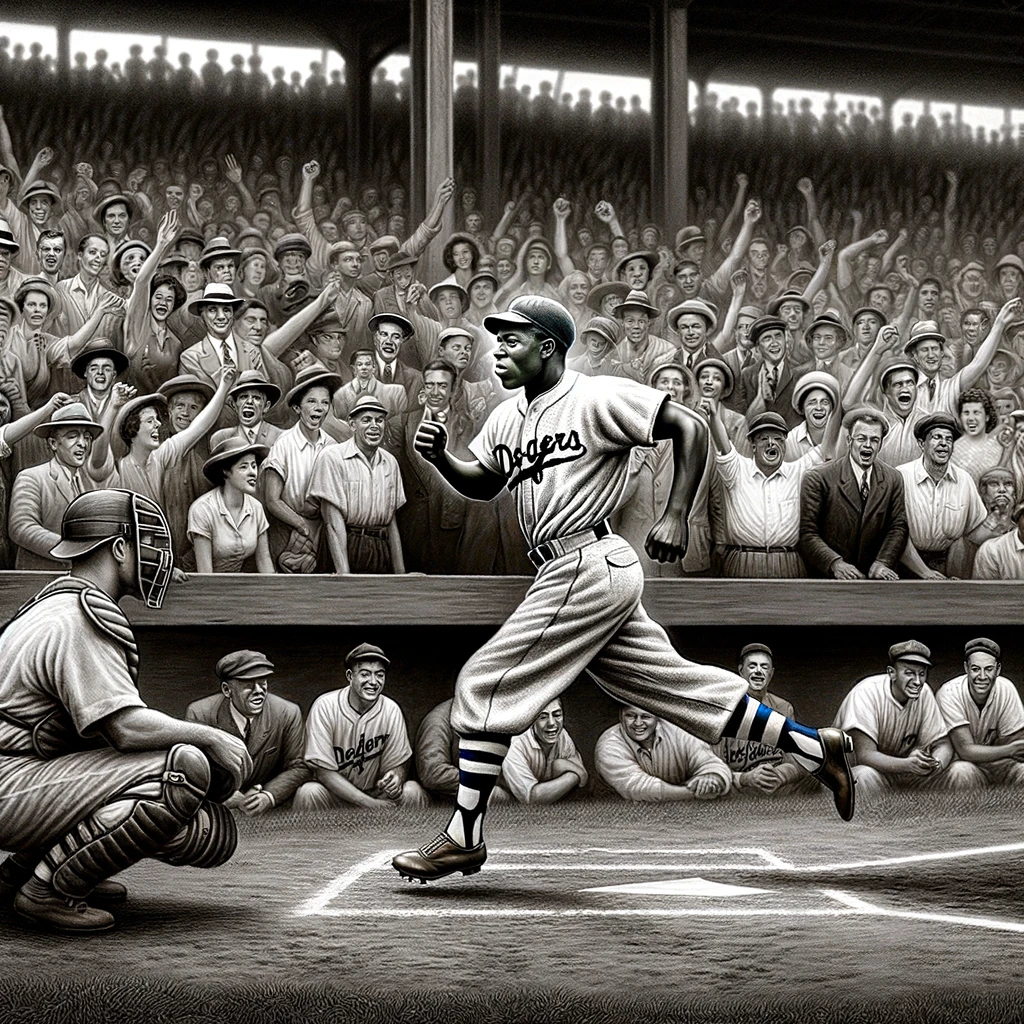
Baseball, often referred to as America’s pastime, mirrors the nation’s values and struggles, embodying the spirit of equality and competition. Yet, for a significant portion of its history, the sport was anything but inclusive. The integration of baseball during the mid-20th century was not just a pivotal moment for the sport but also a significant chapter in the civil rights movement. This article explores the courageous actions of players and executives who challenged and ultimately dismantled the color barriers in Major League Baseball (MLB).
The story of baseball’s integration begins in the late 19th century when baseball was still blossoming as a national sport. During this period, African American players were part and parcel of the sport, playing alongside white players in various minor leagues and local teams. However, as baseball’s popularity surged, racial segregation laws and attitudes began to harden, particularly after the infamous 1896 Plessy v. Ferguson Supreme Court decision that institutionalized racial segregation under the doctrine of “separate but equal.”
By the dawn of the 20th century, a color line had been drawn in the sands of American baseball. African American players found themselves systematically excluded from the major and minor leagues, leading to the formation of the Negro Leagues in the 1920s. These leagues showcased a wealth of talent and offered a platform for Black players to demonstrate their skills, albeit segregated from the white leagues.
The real change began to brew post-World War II, an era marked by heightened awareness and questioning of racial inequalities in America. The major figure in the integration of baseball was Jackie Robinson, who famously broke the color barrier when he stepped onto the field for the Brooklyn Dodgers on April 15, 1947. Robinson’s entry into MLB was orchestrated by Branch Rickey, the Dodgers’ general manager, who was determined to integrate baseball out of a combination of moral conviction and financial acumen.
Jackie Robinson’s debut was met with fierce racism, including death threats, racial slurs, and extreme on-field hostility from opponents and even some teammates. However, Robinson’s stoic demeanor and exceptional talent gradually won over critics and fans, earning him the inaugural Rookie of the Year award. His success opened the door for other African American players, such as Larry Doby, who became the first Black player in the American League just three months after Robinson.
As more African American players entered the league, their impact was undeniable. They brought with them a dynamic style of play that drew crowds and revitalized the sport. Players like Willie Mays, Hank Aaron, and later, Reggie Jackson became household names, not just for their athletic prowess but also as symbols of progress in the fight against racial discrimination.
The integration of baseball also had profound economic implications. Teams that were quick to integrate tapped into a broader fan base and attracted immense talent from the Negro Leagues, gaining a competitive edge. Conversely, teams that resisted integration found themselves at a disadvantage, highlighting the economic folly of racial discrimination.
Yet, the path to full integration was slow and fraught with challenges. For years, African American players faced ongoing discrimination, from segregated accommodations during road trips to uneven pay and representation in team leadership. It took persistent effort and advocacy from players, journalists, and fans to level the playing field, both literally and figuratively.
By the late 20th century, MLB had made significant strides in diversity, both on and off the field. This progress culminated in 1997 when MLB retired Jackie Robinson’s number 42 across all teams, a universal acknowledgment of his and others’ role in reshaping the sport.
The integration of baseball is a testament to the enduring struggle for equality in America. It is a story of individuals who stood against entrenched prejudices to embrace the true spirit of competition and fairness. The legacy of these pioneers continues to influence the sport and American society, reminding us of the power of inclusion and the importance of confronting injustice.
Baseball’s integration was more than a transformation within sports; it was a landmark achievement in the broader civil rights movement. The courage shown by Jackie Robinson and those who followed him not only changed the game but also contributed significantly to the social progress in America. As we reflect on this pivotal era, we recognize the enduring impact of breaking barriers, not just in baseball but in every aspect of society.

The integration of Major League Baseball (MLB) stands as a monumental chapter not only in sports history but also in the broader civil rights movement. This era was not only about those who dared to cross the color line but also about the lasting impact their actions had on society and subsequent generations.
The Wider Impact of Integration
The integration of baseball extended far beyond the diamond, influencing societal norms and paving the way for further civil rights advancements. The success and acceptance of African American players like Jackie Robinson and Larry Doby helped to challenge and change racial perceptions across the United States. Their achievements proved that talent knows no color, fostering a more inclusive attitude in sports and other sectors.
Continuing Challenges
Despite the progress made, the journey towards full equality in baseball continued well beyond the initial breaking of the color barrier. African American players often faced ongoing discrimination, from disparities in pay and accommodations to subtler forms of prejudice from fans and within their own teams. Addressing these issues required continuous advocacy and adjustments within the league.
Legacy and Modern Reflections
The legacy of baseball’s integration is still evident today, seen in the diversity of players in MLB and the ongoing efforts to promote inclusivity at all levels of the sport. Each year, MLB celebrates Jackie Robinson Day, not only as a tribute to his individual courage and excellence but also as a reminder of baseball’s role in societal progress. Robinson’s number 42, retired across all MLB teams, symbolizes the universal respect for his contributions to both the sport and American culture.
Youth Engagement and Future Prospects
The impact of integration also reaches into youth sports, where initiatives aim to increase baseball participation among diverse communities. These programs strive to make baseball accessible to all, recognizing the financial and social barriers that still exist. By encouraging participation and providing resources, MLB and various community leaders hope to nurture a new generation of players who reflect the nation’s diversity.
Conclusion
The integration of baseball was more than a shift in player demographics; it was a significant moment in the ongoing struggle for civil rights and equality in America. The courage shown by players like Jackie Robinson, and those who supported them, catalyzed change across the nation, making baseball a leader in social change among professional sports. As we reflect on this pivotal era, the principles of perseverance, courage, and equality continue to inspire and drive progress in sports and beyond. The story of baseball’s integration teaches us that while breaking barriers is challenging, it is also crucial for growth and unity in any field.