
Baseball is not just America’s pastime but a global experience that bridges cultures, communities, and even socioeconomic boundaries. However, beneath the crack of the bat and the roar of the crowd lies a more pressing issue that touches every facet of life today—environmental awareness. The world is increasingly leaning into sustainable practices, and baseball, known for its tradition and deep-rooted culture, is no exception. This article examines the role of baseball in promoting environmental initiatives within the ballpark. We delve into how the game, with its iconic stadiums and significant following, contributes to a broader narrative of ecological responsibility. From waste management to energy conservation, baseball’s journey toward sustainability not only helps in preserving our planet but also sets a precedent for other sports.
Interestingly, the relationship between baseball and environmental consciousness is not a recent affair. For over a decade now, Major League Baseball (MLB) and the individual clubs have introduced various green initiatives, influenced by the growing demand from fans and communities for sustainable practices. This reflects not only in the construction of new stadiums but also in the operations of older ones that have adapted to modern ecological standards. The growing harmony between baseball and environmental practices redefines how we envision sports arenas—turning these monumental constructions into beacons of green progress. Through this narrative, we explore the benefits of these initiatives, as well as their potential shortcomings, providing a holistic view of where baseball stands when juxtaposed with environmental challenges.
Energy Efficiency in Stadiums
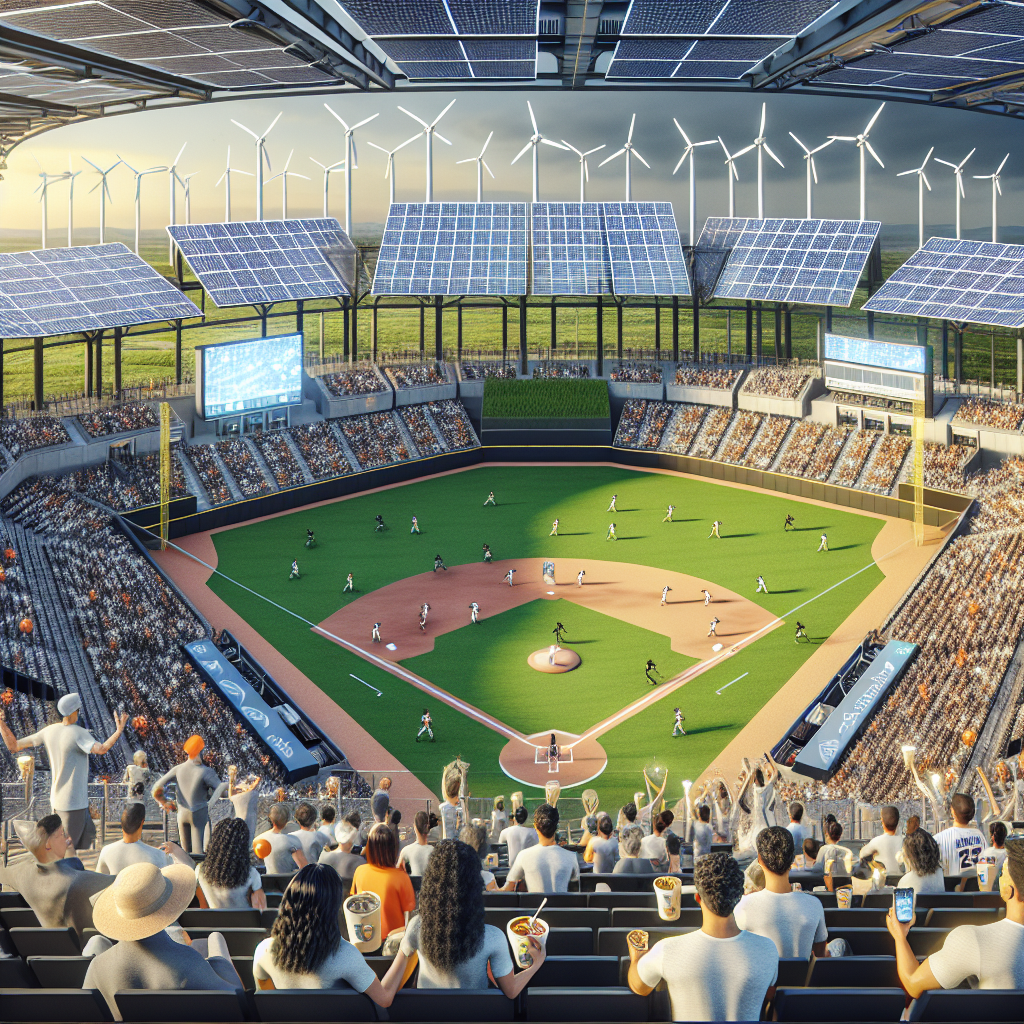
Modern baseball stadiums are colossal in structure, often housing tens of thousands of fans, and have a significant environmental footprint. To tackle this, teams have been actively seeking energy-efficient solutions to power their facilities. The transition involves implementing solar panels, motion-sensitive lighting, and energy-efficient air systems, to name a few. One notable example is the Seattle Mariners, who have embraced solar power by installing panels on their stadium, T-Mobile Park, significantly reducing their carbon footprint.
Such initiatives are transforming stadiums into paragons of energy efficiency. LED lighting, for instance, is becoming standard in numerous stadiums. This not only reduces energy consumption but also enhances the viewing experience with better lighting quality. Another example is the San Francisco Giants’ Oracle Park, which has incorporated a robust system of solar panels to supplement its power needs, highlighting a growing trend of sustainable energy usage in ballparks. These changes, albeit technical, contribute significantly to the overarching goal of mitigating the effects of climate change.
Yet the drive for energy efficiency does not end here. Teams are investing in advanced heating and cooling systems that minimize energy wastage. Great examples include green roofs and the use of natural ventilation that significantly decrease the need for conventional air conditioning systems. The Kansas City Royals have further demonstrated innovative thinking by implementing systems that channel cool air from shaded areas into sunlit sections to optimize temperature control naturally. This shift has catalyzed a change in the traditional architectural paradigms of stadiums, positioning them as leaders in environmental stewardship.
Water Conservation and Management
A cornerstone of any sustainable endeavor is water conservation, and baseball is making strides in this area as well. With the need to maintain pristine playing surfaces and provide amenities for thousands of patrons, baseball parks were once notorious for their high water consumption. To counter this, more and more stadiums are adopting water-saving technologies which include capturing rainwater for field maintenance and recycling soiled water for non-potable uses.
The Minnesota Twins’ Target Field exhibits a pioneering spirit in water management. The field uses an intricate system to capture, filter, and reuse rainwater, leading to a drastic reduction in fresh water usage for irrigation purposes. This system prevents thousands of gallons of water from being wasted, illustrating that baseball is capable of making significant contributions to sustainable resource management.
Additionally, the advent of smart irrigation systems allows ground teams to use precise water amounts, eliminating unnecessary wastage. Rather than relying on a timer-based system, these smart solutions gauge soil moisture and weather conditions, applying just the right amount of water needed. This blend of technology and environmental awareness showcases the potential for sports to implement effective sustainable practices that enhance both performance and conservation efforts.
Waste Management and Recycling
Every game day, baseball stadiums handle tons of waste, presenting another opportunity for environmental stewardship. The MLB, recognizing the significant impact of trash, has launched several initiatives aimed at waste reduction and recycling. In recent years, lively campaigns for zero waste games have taken center stage, compelling teams to innovate in reducing, reusing, and recycling materials.
Ballparks like the San Diego Padres’ Petco Park have pioneered such zero waste goals, turning what is often seen as a logistical hurdle into a laboratory for sustainability efforts. The stadium has installed comprehensive waste sorting stations and educated fans about proper sorting techniques. This effort reduces landfill waste and increases the rate of recycled materials significantly.
Moreover, several clubs now engage food vendors and suppliers in these initiatives, using compostable and recyclable packaging while minimizing plastic usage. The commitment extends beyond just game days, with year-round efforts focusing on reducing stadium waste. With a collective push towards sustainability, baseball’s endeavors are not only preserving the environment but also redefining the fan experience. By actively engaging communities, baseball has managed to transform waste management into a team effort involving both the fans and the organizations behind the sport.
Transportation and Carbon Offset Initiatives
Transportation to and from games presents another critical area for environmental initiatives. The sheer number of fans traveling to stadiums contributes significantly to the carbon footprint associated with each game. Several teams have acknowledged this impact and are promoting alternatives to reduce emissions. By encouraging the use of public transport, cycling, and carpooling among fans, teams are acting as catalysts for greener outings.
To facilitate this, stadiums are being designed or retrofitted with better access to public transportation. Such urban planning, alongside subsidized public transport tickets for game attendees, has been pivotal. For instance, Yankee Stadium in New York is prominently accessible via subway, showcasing that efficient transportation can be part of the game-day experience.
Some teams have also embraced carbon offset programs, investing in renewable energy certificates and tree planting projects to balance out emissions. The Boston Red Sox, for instance, initiated an ambitious program that offsets carbon by donating to reforestation projects. By investing in these offsets, the teams are showcasing a proactive step in combating climate change, making baseball an ally in the fight for a sustainable future.
Community Engagement and Education
One of the most influential aspects of the baseball green movement is its ability to involve and educate the community. Baseball has always relied on its connection with fans, and teams are now leveraging this bond to promote environmental awareness. Through community outreach programs, baseball is planting seeds of change, quite literally, by engaging fans of all ages in sustainability projects.
Community gardens, sponsored clean-up events, and partnerships with local environmental organizations are some of the ways teams are extending their influence beyond the ballpark. These programs aim to inspire fans to embrace sustainable practices in their everyday lives, using the love for the game as a platform for education and action.
Moreover, teams are integrating educational initiatives within their gameday experience, creating interactive exhibits that educate fans on topics ranging from energy conservation to biodiversity. These measures deepen the fans’ appreciation for both the game and the planet, fostering a culture of awareness and sustainability that transcends the ballgame.
Conclusion
Baseball’s leap towards sustainability is a clear testament to how sports and environmentalism can intertwine, driving forward a movement that impacts both fans and the wider community. The progressive steps outlined within this article not only enhance the quality of the sport but further illustrate that environmental responsibility can be seamlessly woven into the fabric of traditional pastimes.
While the implementation of green initiatives in ballparks is commendable, there still remains room for growth and innovation. The continuous efforts of baseball teams demonstrate a commitment that transcends mere compliance with regulations, showing a genuine endeavor to lead as pillars of ecological change. By doing so, baseball is inspiring new generations to maintain the dance between environmental awareness and sporting passion.
Ultimately, as baseball continues to evolve, it serves as an emblem of environmental hope. From energy efficiency to community outreach, each facet of the sport that embraces green initiatives offers a vital lesson—that preserving the natural world is not just advantageous but essential for future sustainability. Today’s efforts contribute to a greener tomorrow, ensuring that the thrill of baseball can be enjoyed for generations without compromising the health of our planet.
Frequently Asked Questions
1. What are some of the environmental initiatives being implemented in baseball ballparks?
Baseball ballparks across the globe are implementing a variety of environmentally-friendly practices to reduce their carbon footprint and promote sustainability. Many major league ballparks have installed solar panels to harness renewable energy, reducing their reliance on non-renewable power sources. Additionally, some parks have implemented water-saving technologies, such as low-flow fixtures and water-efficient irrigation systems, to steward resources responsibly. Waste reduction is another significant initiative, with ballparks adopting comprehensive recycling and composting programs to minimize landfill contributions. These measures are often supported by fan engagement initiatives, encouraging spectators to participate in the sustainability goals by properly disposing waste and even participating in designated ‘green games’ that promote environmental consciousness. These initiatives show a dedicated effort to align with broader efforts for a sustainable future, proving that the sports industry plays a pivotal role in addressing environmental challenges.
2. How do environmental initiatives in ballparks impact the fan experience?
Environmental initiatives in ballparks are designed not only to reduce the facility’s carbon footprint but also to enhance the overall fan experience. By involving fans in sustainability practices, such as easy access to recycling bins and reminders about conserving water, ballparks foster a sense of shared responsibility and community participation. The integration of green spaces within the ballpark can provide a refreshing environment that enhances enjoyment and creates a more pleasant atmosphere. Initiatives like green-friendly lighting and acoustics can significantly improve comfort levels during games, offering better visibility and sound quality that are less disruptive to local communities. Furthermore, many ballparks host special events and ‘green games’ themed around sustainability, offering educational opportunities for fans of all ages to learn more about conservation efforts. As ballparks evolve with these initiatives, they become venues not only for sports entertainment but also for social change and education.
3. Are there specific success stories from particular ballparks leading in environmental efforts?
Yes, several ballparks have been recognized for their exceptional efforts in implementing green initiatives. For instance, Target Field, home of the Minnesota Twins, became the first sports facility to receive LEED Platinum certification for its widespread environmental efforts, which include onsite recycling, use of local materials in construction, and a rainwater recycling system that conserves millions of gallons of water annually. Another noteworthy example is Oracle Park, home of the San Francisco Giants, which has implemented an aggressive Zero Waste initiative, successfully diverting over 90% of waste from landfills through robust recycling and composting programs. Both of these ballparks serve as shining examples in the athletic and broader community, demonstrating commitment to environmental stewardship can be seamlessly incorporated into the festive, loud, and complex sphere of professional sports, without sacrificing fan experience or operational effectiveness.
4. What role do fans play in ensuring the success of these environmental initiatives in ballparks?
Fans play a crucial role in supporting and advancing environmental initiatives within ballparks. Their active participation can turn sustainability efforts from a mere back-of-house operational process into a vibrant and visible component of the game day experience. From choosing to travel to the ballpark via public transportation or carpooling, to obeying the clearly marked recycling and composting bins, every small action goes a long way. Ballparks often engage with their fans by incorporating digital prompts and informational signage that encourages environmentally conscious behavior. Additionally, many MLB teams provide incentives and rewards for fans who actively participate in green initiatives, such as special access to ‘eco-friendly’ merchandise or exclusive tickets to environmentally-themed games. By actively partaking in these initiatives, fans become ambassadors of sustainability, further expanding the reach and impact of these programs beyond the walls of the ballpark.
5. How have technological advancements facilitated the adoption of green initiatives in ballparks?
Technological advancements have played a pivotal role in facilitating and broadening the adoption of environmental initiatives in ballparks. One major area of advancement is in energy-efficient lighting, such as LED systems which drastically reduce electricity consumption while providing better illumination for both players and spectators. Similarly, high-efficiency HVAC systems ensure the pneumatic control of stadium atmosphere with reduced energy usage. Innovations in water management technology have allowed for sophisticated systems that recycle and conserve millions of gallons of water, with rainwater capture systems being particularly effective in venues like T-Mobile Park in Seattle. Additionally, cutting-edge waste sorting technology has improved the efficiency and effectiveness of recycling and composting efforts. By integrating these technologies into gameday operations, ballparks manage to keep environmental impact at a minimum while upholding the dynamic experience fans expect at ballgames.