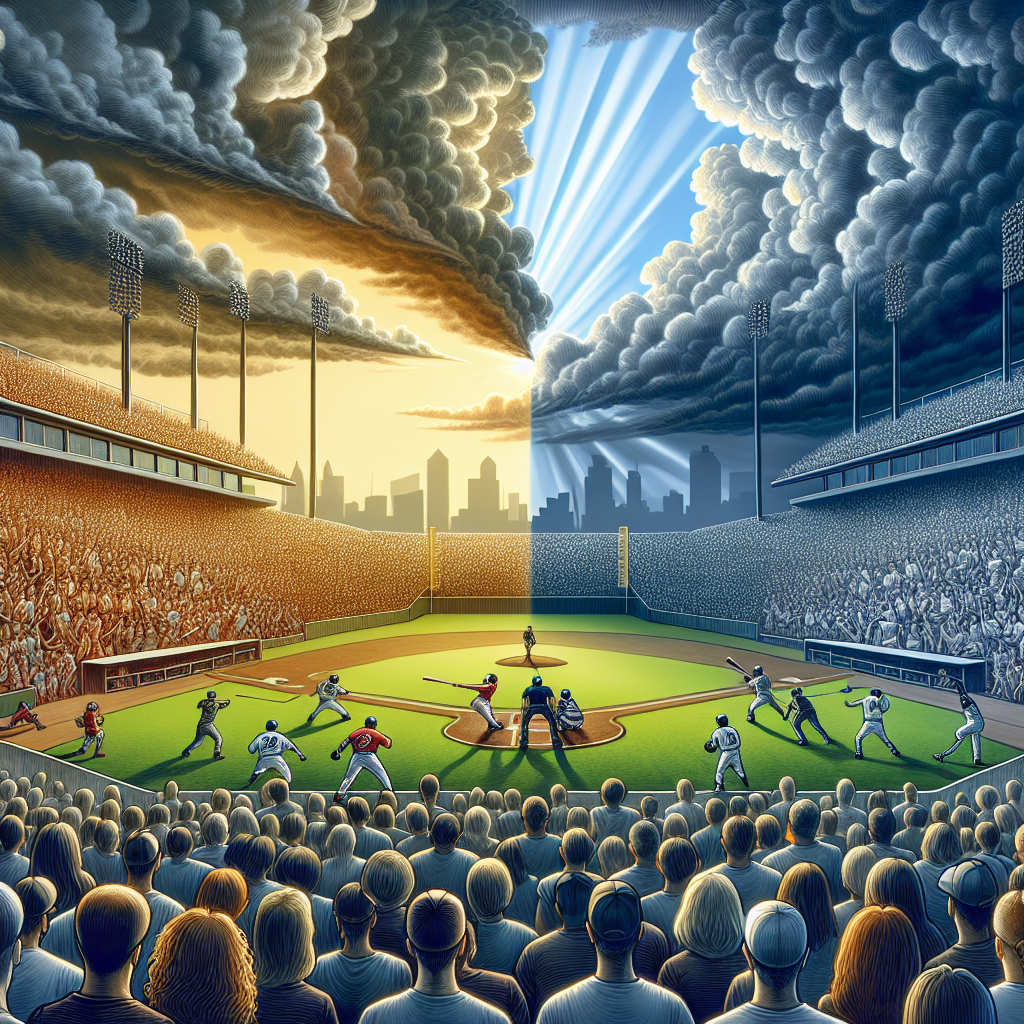
Baseball, often referred to as America’s pastime, has played a profound role in the cultural and social fabric of the United States. This sport’s impact extends beyond the diamond, serving not only as a source of entertainment but also as a pillar of hope and unity, particularly during times of national crises. Throughout history, baseball has demonstrated its ability to bring Americans together, whether through wartime, economic turmoil, or other periods of national stress.
As the United States has faced challenges and adversity, from the Great Depression to the tragic events of September 11, 2001, and the global pandemic, baseball has been there as a constant. It acts as a comforting symbol, sometimes a distraction, and often a rallying point around which communities and individuals converge. This connection between baseball and the American spirit is deeply rooted in history, and each crisis has demonstrated the sport’s uncanny ability to adapt, endure, and inspire.
Understanding baseball’s role during these pivotal historical moments sheds light on how it reflects and shapes societal moods. It is not just the players on the field but also the millions of fans watching and cheering who embody the essence of baseball’s unifying power. This article explores how baseball has served as a unifying force in times of national crisis, providing both a historical perspective and a cultural analysis.
World War II: Baseball Keeps Spirits High
World War II marked a significant period where baseball played a crucial role in maintaining morale on the home front. As young men across the nation were enlisted to serve overseas, Major League Baseball faced the challenge of sustaining both player rosters and public interest. Despite the obvious difficulties of maintaining baseball seasons during wartime, President Franklin D. Roosevelt emphasized the importance of continuing the games for the morale of the American public.
In his famous “Green Light Letter”, Roosevelt stated that baseball was crucial in providing a sense of continuity and normalcy. The games allowed citizens to temporarily escape the harsh realities of war and offered soldiers overseas a link to home through broadcasts. This move was more than about sports; it was about reassurance and stability in uncertain times.
The players themselves were called to serve, and many did, including iconic names like Ted Williams and Joe DiMaggio. Those who stayed contributed by actively participating in charitable events and games that raised funds for the war effort. Baseball fields became venues for war bond drives, further cementing the sport’s role as a patriotic duty and a unifying force. Even with the challenges of travel and rationing, the perseverance of baseball during World War II underscored its significant place in American society.
The Civil Rights Era: Baseball as a Catalyst for Change
The mid-20th century’s social transformations were felt keenly in the world of sports, especially baseball, which played a pivotal role in the civil rights movement. One of baseball’s most significant impacts on American society during times of national crisis came with the breaking of the color barrier by Jackie Robinson in 1947. His entry into Major League Baseball was a watershed moment in American history.
Robinson’s courage, grace under pressure, and undeniable skill on the field made him a powerful symbol of both progress and unity. While Robinson faced racial discrimination and hostility, his presence in baseball helped challenge and slowly change societal attitudes towards race. The integration of baseball provided a model for other sports and sectors of American life.
Major League Baseball, from that point forward, began to reflect broader societal shifts towards integration and equality, albeit often slowly and with much resistance. The gradual inclusion of more players of diverse backgrounds reflected changing norms in America. While there was still much work to be done, baseball’s stance against color lines during this period was instrumental in fostering a more integrated society.
September 11, 2001: Baseball as a Symbol of Resilience
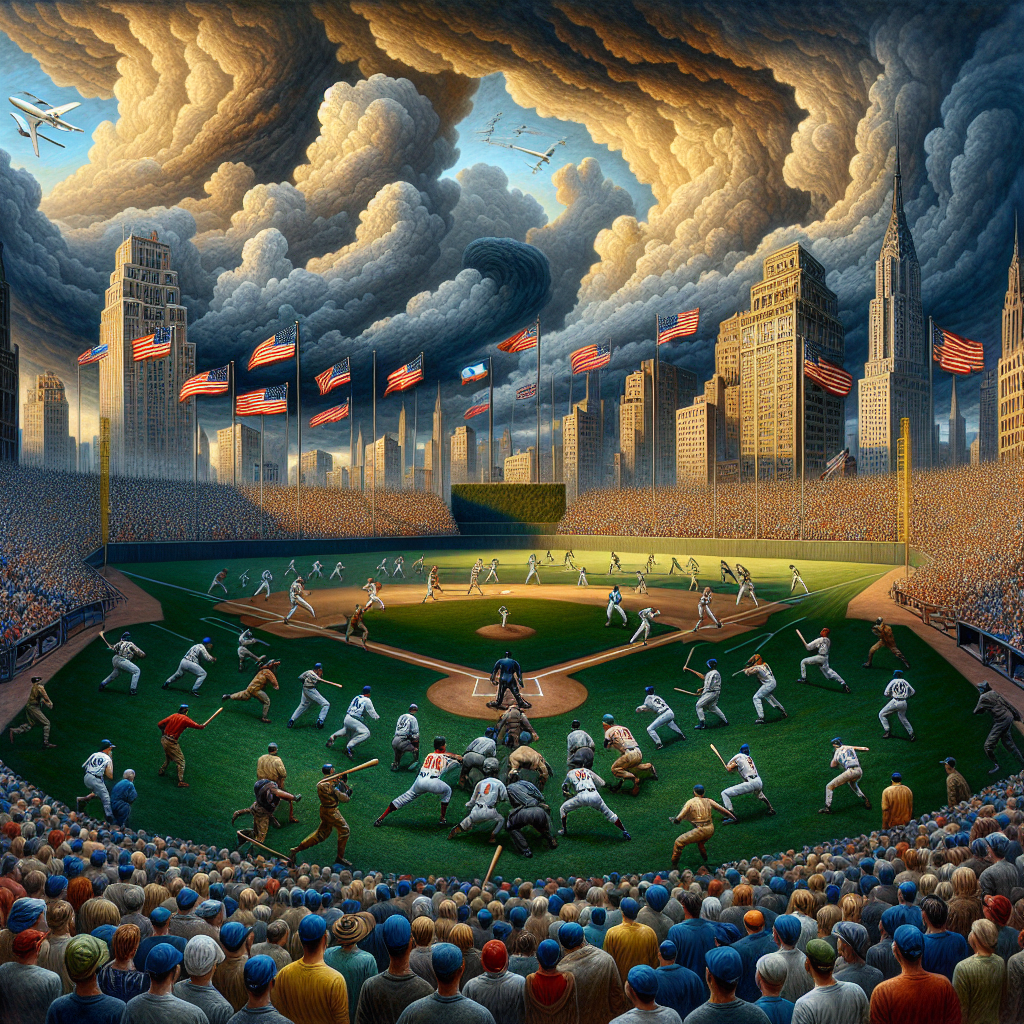
The terrorist attacks of September 11, 2001, were a moment of immense national tragedy and sorrow. In the aftermath, baseball, much like it had in previous crises, played a key role in the healing process of a grieving nation. The delay of games was brief, and when they resumed, they did so with a new sense of purpose.
Baseball became an avenue through which people could come together, mourn, and pay tribute to the heroes and victims of the attacks. The emotional return to the baseball field was epitomized on September 21, 2001, when the New York Mets played at Shea Stadium — the first professional baseball game in New York City after the tragedy. The game became a poignant ceremony of hope and remembrance, culminating in an iconic moment when Mike Piazza hit a decisive home run, uplifting the spirits of many New Yorkers and Americans at large.
The ceremonies and unified singing of patriotic songs during these games illustrated baseball’s role in fostering community and national solidarity. In a time of unprecedented fear and mourning, baseball games provided a platform for collective healing and unity, proving once again their power and value beyond the scores and standings.
The Great Depression: Baseball as a Beacon of Hope
During the Great Depression, baseball emerged as more than just national pastime; it played a vital role in offering hope and affordable entertainment amidst economic despair. The 1930s were difficult years for countless Americans who faced unemployment and poverty, yet baseball games continued to attract large crowds.
Players like Babe Ruth became larger than life figures, and attending games was one way families could spend time together, forgetting for a moment their financial hardships. Ballparks offered escapism for fans whose lives were dominated by breadlines and economic uncertainty. Teams across the country began offering promotions and affordable tickets, conscious of the financial struggles their supporters faced.
Moreover, the sport’s radio broadcasts reached millions, bringing the game into the heart of homes for those who could not afford to attend games in person. Baseball’s ability to reach out to people, regardless of their financial standing, made it one of the few unifying facets during a time marked by economic divergence. The loyalty and support baseball maintained during such tough times are testaments to its resilience and essential place in American culture.
COVID-19 Pandemic: Virtual Connectivity Through Baseball
The COVID-19 pandemic has presented modern challenges never faced before, disrupting nearly every aspect of daily life, including beloved sports traditions. Baseball, once again, became a beacon of stability and positivity during this global crisis. Although stadiums remained empty, baseball’s adaptability shone brightly in unprecedented circumstances.
Sports leagues, including MLB, quickly pivoted to find creative solutions such as virtual fan experiences and shortened seasons, ensuring the tradition of baseball could continue, albeit in a new form. Technology played a major role, as fans connected with players and teams online, keeping the community alive through social media and digital broadcasts.
Despite the absence of physical gatherings, baseball managed to maintain its role as a cultural touchstone. Its ability to adapt to crisis reaffirmed the sport’s enduring importance in providing comfort, distraction, and joy even when society itself was undergoing profound changes.
Conclusion
Throughout America’s history, baseball has continuously demonstrated its capacity to adapt and serve as a unifying force during times of national crisis. From World War II to the civil rights movement, 9/11, the Great Depression, and the global pandemic, baseball has provided more than just sport; it has offered solace, resilience, and unity.
As our world becomes increasingly complex and unpredictable, baseball stands out as a constant — a reminder of both enduring traditions and the power of unity through shared experiences. The sport’s rich history shows a remarkable ability to reflect and influence societal change, maintaining a crucial role in the American identity.
Moving forward, as new challenges arise, baseball will undoubtedly continue to unite communities, inspire change, and promote healing, ensuring that it remains a vital thread in the fabric of American life. Its legacy is a testament to its defenders and supporters who understand that baseball, at its core, is a celebration of life’s possibilities even amidst adversity.
Frequently Asked Questions
1. How has baseball acted as a unifying force during national crises in American history?
Baseball has long served as a unifying force during times of national crises by providing a sense of normalcy and continuity when everything else feels uncertain. For instance, during World War II, baseball continued despite numerous players enlisting to serve in the military. This decision was encouraged by President Roosevelt, who believed that maintaining the national pastime would boost morale on the home front. Games acted as a communal experience, offering an escape from the realities of war while also serving as a constant reminder of the American culture and values worth fighting for.
In a similar vein, following the tragic events of September 11, 2001, baseball helped heal and unite the nation. As stadiums reopened and games resumed, they became sites of national solidarity, with patriotic ceremonies and tributes to the victims and heroes. Notably, during the 2001 World Series in New York, President George W. Bush’s ceremonial first pitch served as a powerful symbol of resilience and unity.
2. What role did baseball play during the COVID-19 pandemic?
During the COVID-19 pandemic, baseball, like many other sports, faced unprecedented challenges. However, it eventually resumed with a delayed and shortened 2020 season, held primarily in empty stadiums to ensure public safety. Despite these limitations, the return of baseball was a source of optimism and a semblance of normalcy. Baseball provided fans with much-needed entertainment and a sense of connection to others, even if experienced remotely. Players and teams took on an active role in community support, from charitable donations to social justice initiatives, thus reinforcing baseball’s role not only as a sport but also as a source of comfort and unity in challenging times.
Moreover, many games included tributes to frontline workers, and moments of silence were held to remember those lost to the pandemic, making baseball an avenue for collective mourning, gratitude, and eventual hope.
3. Can baseball’s unifying ability be seen on both a national and local level?
Absolutely, baseball acts as a unifying force at both the national and local levels. Nationally, major league baseball provides a shared experience and common language for people across diverse backgrounds, regions, and political views, reminding everyone of a collective cultural heritage. The national pastime’s televised games, radio broadcasts, and online streams connect fans from coast to coast, encouraging mutual support and camaraderie.
On a local level, minor league and community baseball teams play a crucial part. They engage directly with their audiences, fostering community spirit and identity. Local games offer cheaper entertainment, family outings, and community events, contributing to a sense of belonging and shared identity, especially during downturns and crises. Baseball parks host fundraisers, community service events, and tributes, enabling baseball to be a hands-on participant in local resilience and unity ladders.
4. How have individual players contributed to baseball’s role as a unifying force during crises?
Individual players have played pivotal roles in reinforcing baseball’s impact as a unifying force during crises. Many baseball icons have emerged as figures of inspiration, hope, and leadership through their actions on and off the field. Jackie Robinson, for example, broke the color barrier in Major League Baseball in 1947, contributing to civil rights advancements and symbolizing the progress of unity and equality. Robinson’s success underscored baseball’s potential to effect societal change and unify fans around common aspirations for fairness and respect.
More recently, players such as Derek Jeter, David Ortiz, and Anthony Rizzo have engaged in efforts to support their communities during crises. These efforts include charitable donations, speaking out on social issues, and organizing events to support those affected by disasters and hardships. By leveraging their platforms, players have continued to foster unity and hope, demonstrating the integral role individuals can play within baseball’s broader influence.
5. Why is baseball uniquely positioned to serve as a unifying force during national crises compared to other sports?
Baseball is uniquely positioned to serve as a unifying force during national crises due to its rich history, cultural symbolism, and deeply rooted status as America’s pastime. The sport’s leisurely pace contrasts with the fast pace of modern life, offering fans a reflective and meditative experience. Its season spans several months, becoming part of the fabric of everyday life and ensuring its constant presence through periods of uncertainty.
Furthermore, baseball’s rituals and traditions—such as singing the national anthem, the seventh-inning stretch, and ceremonial first pitches—emphasize community, patriotism, and continuity. These elements strengthen not only fans’ bonds to the sport but also to each other, evoking a sense of shared identity and destiny that can help a nation withstand times of crises. As a symbol of American resilience and hope, baseball effectively embodies values and sentiments that can unite across divisions and support healing and recovery.