
Baseball, fondly dubbed as America’s pastime, has always been more than just a game. It is a cultural institution that reflects the evolving nature of society. In recent decades, the rise of social media platforms has profoundly impacted how fans engage with the sport, offering new ways to connect with their favorite teams and players. No longer confined to the bleachers or glued to television screens, fans today find themselves in a digital dugout where their voices can be heard loud and clear. But what does this shift mean for the relationship between fans and players, and how has it altered the landscape of this beloved sport?
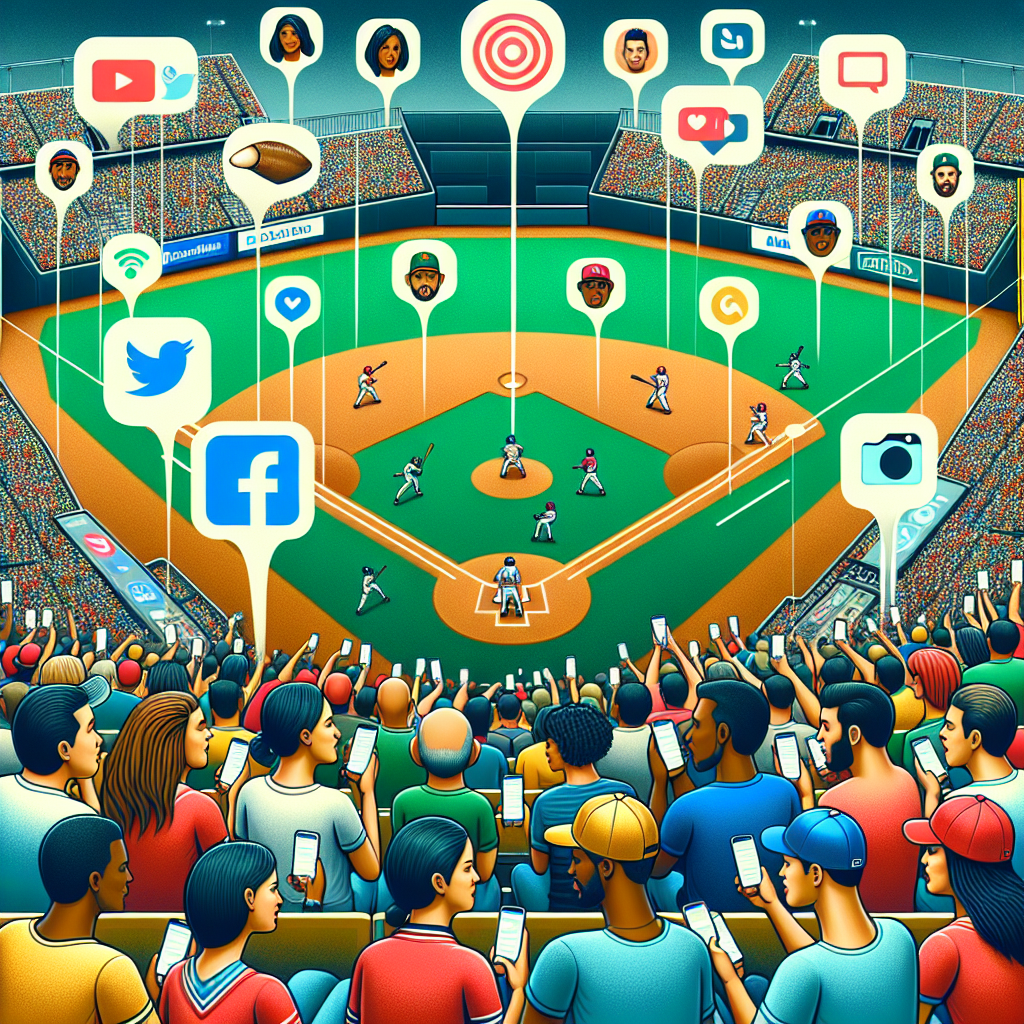
Social media has democratized the interaction between baseball fans and players, breaking down traditional barriers and cultivating a sense of community. Platforms such as Twitter, Instagram, TikTok, and Facebook have become virtual ballparks where fans can not only tune into live events but also participate in real-time conversations. As a result, the once one-sided narrative of baseball spectating has evolved into a dialogue where fans hold considerable influence. This article explores the multifaceted role social media plays in shaping the connection between fans and players, reflecting on its benefits, complexities, and implications for the future of the sport.
The Rise of Fan Engagement
One of the most significant changes social media has brought to baseball is the increase in fan engagement. In the past, fans’ primary means of interacting with the sport were through attending games, watching broadcasts, or reading about it in newspapers. Today, the variety and immediacy of social media platforms allow fans to connect with their favorite teams and players in unprecedented ways. They can follow updates, join conversations, and access exclusive content directly from the source. This level of access creates a sense of belonging and investment, as fans feel they are part of the team’s journey.
Moreover, social media allows fans to express their opinions and emotions directly to players and teams in real-time. Whether it’s celebrating a home run, questioning a managerial decision, or offering support after a tough loss, fans can voice their thoughts and get responses. This interactive engagement not only enhances the fan experience but also builds a closer connection and a shared sense of community. Social media platforms have become a melting pot of emotions where baseball culture thrives, and fans feel more involved than ever before.
Players as Digital Influencers
In the digital age, baseball players themselves have evolved into influential figures far beyond the boundaries of the baseball diamond. Social media has allowed players to showcase their personalities, share personal stories, launch philanthropic endeavors, and build their brand. Athletes now serve as digital ambassadors for the sport, influencing both existing and potential fan bases through their social presence.
This newfound digital territory enables players to cultivate a unique fan base independent of their team’s franchise, showcasing who they are beyond their stats and on-field achievements. Players such as Trevor Bauer and Mookie Betts have leveraged social media to engage with fans, share insights into their daily lives, and promote positive causes. By doing so, they humanize themselves, becoming relatable public figures. This authenticity fosters stronger, more personal connections with fans who see them as more than just athletes but as role models and influencers.
Challenges and Complexities
While social media has brought players and fans closer together, it has also introduced new challenges and complexities. One of the most significant issues is the potential for online negativity and harassment. Players are often subject to public criticism, unfiltered opinions, and even personal attacks through social media platforms. This exposure to criticism and vitriol can be mentally and emotionally taxing, prompting many athletes to take breaks or limit their online interactions.
Moreover, the instantaneous nature of social media allows for the rapid spread of misinformation and rumors, which can affect a player’s reputation and cause distractions both on and off the field. Teams and players must be vigilant in managing their online presence and carefully navigating the digital landscape. This balancing act is crucial for maintaining a healthy and productive environment within the realm of social media.
The Role of Sports Media
Sports media has played a crucial role in shaping the narrative of baseball, and social media has only intensified this influence. Journalists and media outlets now utilize platforms like Twitter to break news, provide game analysis, and engage with fans in real-time. This dynamic has created a 24/7 news cycle where fans can expect regular updates and insights on their favorite teams.
Similarly, bloggers, podcasters, and independent content creators have emerged as influential voices in the baseball community. These digital creators bring diverse perspectives and alternative narratives that complement traditional media coverage. Fans have more options than ever for consuming baseball content that aligns with their interests and beliefs, fostering a more inclusive and expansive media landscape.
Innovations in Fan Experience
Social media has also paved the way for innovations that enrich the fan experience. Teams and leagues have embraced technology to provide interactive and immersive content such as live streaming, virtual reality experiences, and fan polls. Additionally, platforms facilitate global fan communities, enabling fans across the world to connect, share their passion, and celebrate their teams together.
Teams actively engage with fans by hosting virtual events, Q&A sessions with players, and behind-the-scenes tours of stadiums or training facilities—all easily accessible through social media platforms. These innovations not only enhance the gameday experience but also keep fans engaged year-round, developing long-term loyalty and expanding the sport’s reach globally.
Looking Ahead: The Future of Baseball and Social Media
As we move forward, the integration of social media into the world of baseball promises continued evolution. The sport’s stakeholders must embrace new technologies, platforms, and strategies to maintain relevance in this fast-paced digital world. With AI, augmented reality, and other technological advancements shaping the future, baseball has an opportunity to become more inclusive and dynamic than ever before.
Teams, players, and leagues will continue to refine their social media strategies to foster deeper connections with fans. By leveraging data analytics and personalized content, they can tailor experiences that resonate with diverse audiences. Additionally, the power of storytelling through social media offers baseball an avenue to inspire and engage future generations, keeping the sport vibrant and captivating.
In conclusion, social media has revolutionized the way baseball fans and players interact, transforming the spectator experience into an inclusive and engaging dialogue. While challenges exist, the potential for growth and innovation in this digital era provides exciting opportunities to connect and unite baseball enthusiasts globally. Together, fans and players will continue to write the next chapter of baseball’s storied history, fueled by the limitless possibilities of social media.
Frequently Asked Questions
1. How has social media changed the relationship between baseball fans and players?
Social media has revolutionized the way baseball fans and players interact, turning what used to be a one-way street into a robust, dynamic dialogue. Fans now have direct access to players’ lives beyond the field, often through platforms like Twitter, Instagram, and TikTok. Athletes can share personal moments, training routines, post-game insights, and even engage in real-time conversations with fans. This level of interaction creates a more personal connection, allowing fans to see players as more relatable and accessible individuals rather than distant celebrities. Furthermore, players can leverage these platforms to build their personal brands, engage in philanthropic work, and advocate for causes they care about, which resonates deeply with fans and strengthens their loyalty.
2. How are baseball teams using social media to enhance fan experience?
Baseball teams utilize social media in strategic ways to enrich the fan experience and foster a community spirit that transcends physical boundaries. Teams often run interactive campaigns, such as Q&A sessions with players, trivia quizzes, and fan polls, creating opportunities for fans to actively participate in the conversation. Moreover, teams share behind-the-scenes content, game highlights, exclusive interviews, and live updates during games, which keep fans engaged and informed regardless of their geographical location. These digital efforts essentially bring the stadium to fans’ fingertips, allowing them to feel part of the action whether they’re at home, at work, or even on-the-go. Teams also employ platforms to promote special events, merchandise, ticket sales, and giveaways, thereby building excitement and anticipation among their followers.
3. What role does social media play in shaping baseball narratives and trends?
Social media is a powerful tool in shaping baseball narratives and trends, acting as a barometer for public opinion and a megaphone for the latest buzz. Stories and trends can spread rapidly through viral moments, whether it’s an astounding play, a heartwarming fan interaction, or even a humorous meme. Fans and analysts use these platforms to voice opinions, discuss strategies, and share insights, which can influence broader discussions within the community and even reach mainstream media outlets. Moreover, players have the ability to steer narratives by commenting on their performances or addressing controversies directly, thus reclaiming their personal stories. The rise of advanced analytics and data-driven discussions has also found a home on social media, where fans dissect stats and engage in in-depth analyses. This democratization of content creation and dissemination allows for a myriad of perspectives and ongoing dialogues that enrich the cultural tapestry of baseball.
4. Can social media impact a player’s off-field persona and reputation?
Absolutely, social media plays a significant role in shaping a player’s off-field persona and public reputation. Through their personal social media profiles, players have the opportunity to showcase personality traits, share personal beliefs, and reveal interests that fans may not otherwise be aware of. Good social media practices can bolster their image, endear them to fans, and even open up endorsement opportunities. Conversely, players must navigate these platforms carefully as missteps or controversial posts can lead to public backlash and potentially harm their reputation. It’s a space where authenticity is valued but where the line between public and private life becomes blurred. Therefore, players often work with PR teams to curate content that aligns with their personal brand while remaining engaging and transparent to their audience. Importantly, social media offers athletes the autonomy to speak directly to their fans and the public, bypassing traditional media gatekeepers.
5. How do social media platforms influence baseball fandom culture?
Social media platforms have become a cornerstone of modern baseball fandom culture, influencing how fans express support and connect with one another. These digital spaces have effectively broadened fandom’s reach, linking fans from diverse backgrounds and geographical locations into a global community. Fans actively shape fandom culture by creating and sharing content such as fan art, music, and videos, while organizing watch parties and community group chats to enhance their collective experiences. The communal aspect of these platforms allows fans to bond over shared victories, commiserate after shared disappointments, and celebrate the sport together, despite physical distances. Additionally, fan-created pages and accounts on social media often serve as hubs for personalized content, commentary, and niche baseball communities, fostering a rich subculture of dedicated followers who contribute to keeping baseball vibrant and culturally significant.