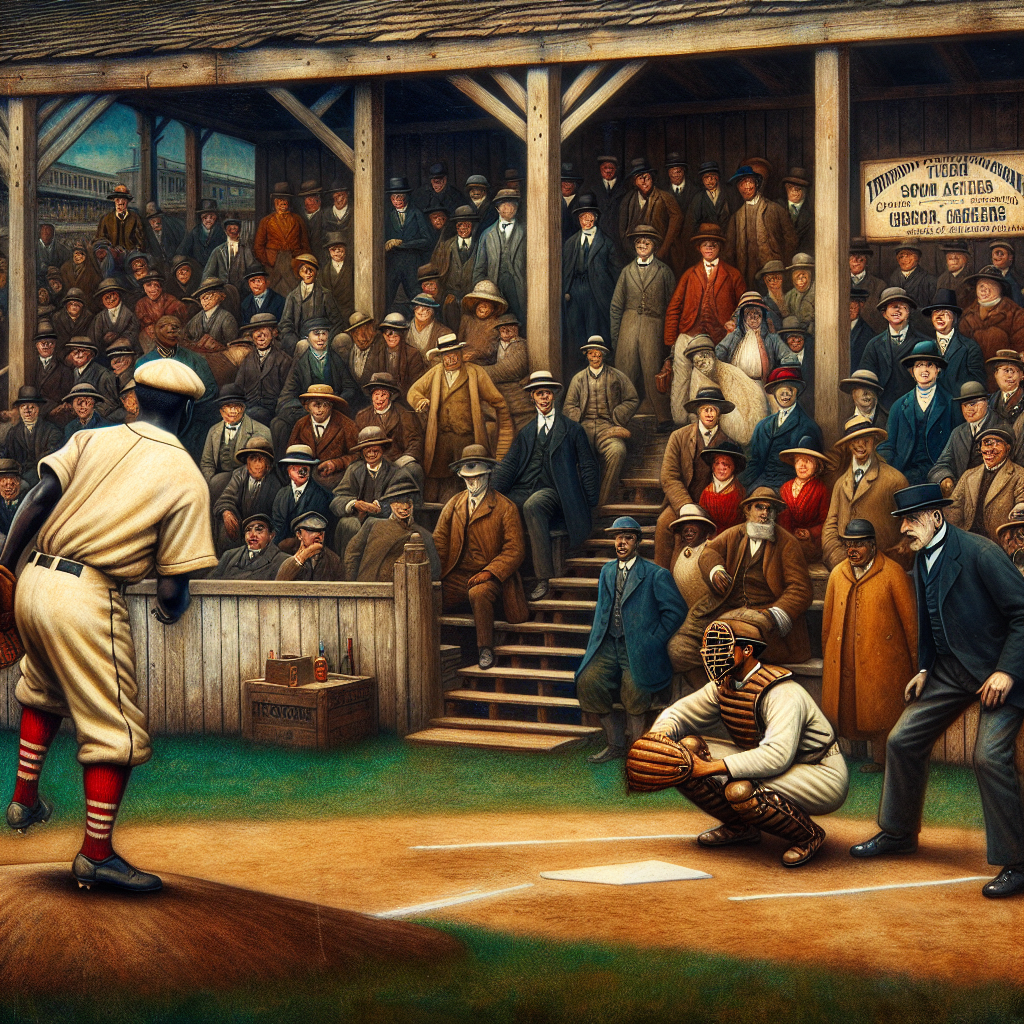
Baseball, often known as America’s pastime, has been intricately linked to the cultural, social, and economic threads of U.S. history. One of the most significant eras in this tapestry is the Great Migration, a period in the early 20th century when African Americans moved en masse from the rural South to the urban North in search of better opportunities and living conditions. This demographic shift not only changed the face of the nation but also had profound effects on baseball, both as a sport and as a cultural institution. The integration of African Americans into Northern cities brought with it the rich culture of Negro League baseball and, eventually, laid the groundwork for the integration of Major League Baseball (MLB). Understanding this era is crucial to comprehending how baseball evolved alongside the societal changes of its time.
During the Great Migration, which spanned from approximately 1916 to 1970, over six million African Americans left the Southern states. This massive movement was primarily driven by the oppressive racial segregation laws in the South, known as Jim Crow laws, as well as economic challenges like the boll weevil infestations that devastated cotton fields. Industries in Northern cities, burgeoning due to World War I and later World War II, provided job opportunities that were unavailable in the South. As African Americans settled in cities such as Chicago, Detroit, and Pittsburgh, they brought with them not only labor but also cultural institutions—baseball leagues and teams among them—that would carry on their Southern heritage while becoming beacons of community and resistance.
The Flourishing of Negro League Baseball
The Negro Leagues thrived during the Great Migration, serving as both a community institution and a professional realm where African Americans could showcase their talent. Key figures such as Rube Foster, who founded the Negro National League in 1920, played pivotal roles in organizing and legitimizing these leagues. By providing a platform that rivaled Major League Baseball in skill and popularity, the Negro Leagues offered African American players the chance to pursue a professional career amidst an era of severe racial discrimination.
The Negro Leagues were about more than just baseball—they were a cultural cornerstone. Games were community events that attracted not only sports fans but also those looking to enjoy music, social interaction, and respite from daily life. Teams like the Kansas City Monarchs and the Pittsburgh Crawfords became community icons, while players like Satchel Paige, Josh Gibson, and Cool Papa Bell turned into legends whose influence extended far beyond baseball diamonds.
This flourishing of Negro League Baseball reflected the broader aspirations and struggles of African Americans during the Great Migration. As communities grew in the North, these teams and players helped unify the new urban neighborhoods, providing an anchor around which social life could revolve. They also became representations of black excellence and perseverance in a society that systematically denied them opportunities elsewhere.
Integration and the Breaking of Barriers
The integration of baseball, epitomized by Jackie Robinson breaking the color barrier in 1947 when he joined the Brooklyn Dodgers, was a significant milestone that echoed the ongoing struggles for civil rights within the United States. Robinson’s entry into Major League Baseball was nothing short of a seismic social shift, representing much more than just a skilled player joining the ranks; it was another step toward dismantling racial segregation in America.
Robinson’s courage and undeniable talent opened the door for many African American players who followed. His success on the field proved that African American players belonged in Major League Baseball, not segregated leagues, and that their exclusion had been unjust. This breakthrough was not achieved without immense pressure and sacrifice, as Robinson faced extreme hostility and racism. Yet, his resilience inspired not only future athletes but also contributed to the broader civil rights movement, symbolizing what could be achieved with perseverance and unity.
The successful integration of MLB eventually led to the decline of the Negro Leagues, as the best and brightest players sought to play in the majors, which now offered not just a level playing field but also financial stability and fame that the Negro Leagues could not match. However, the legacy of the Negro Leagues and their players continues to be celebrated and honored today as a pivotal chapter in baseball and American history.
Impact on Major League Baseball
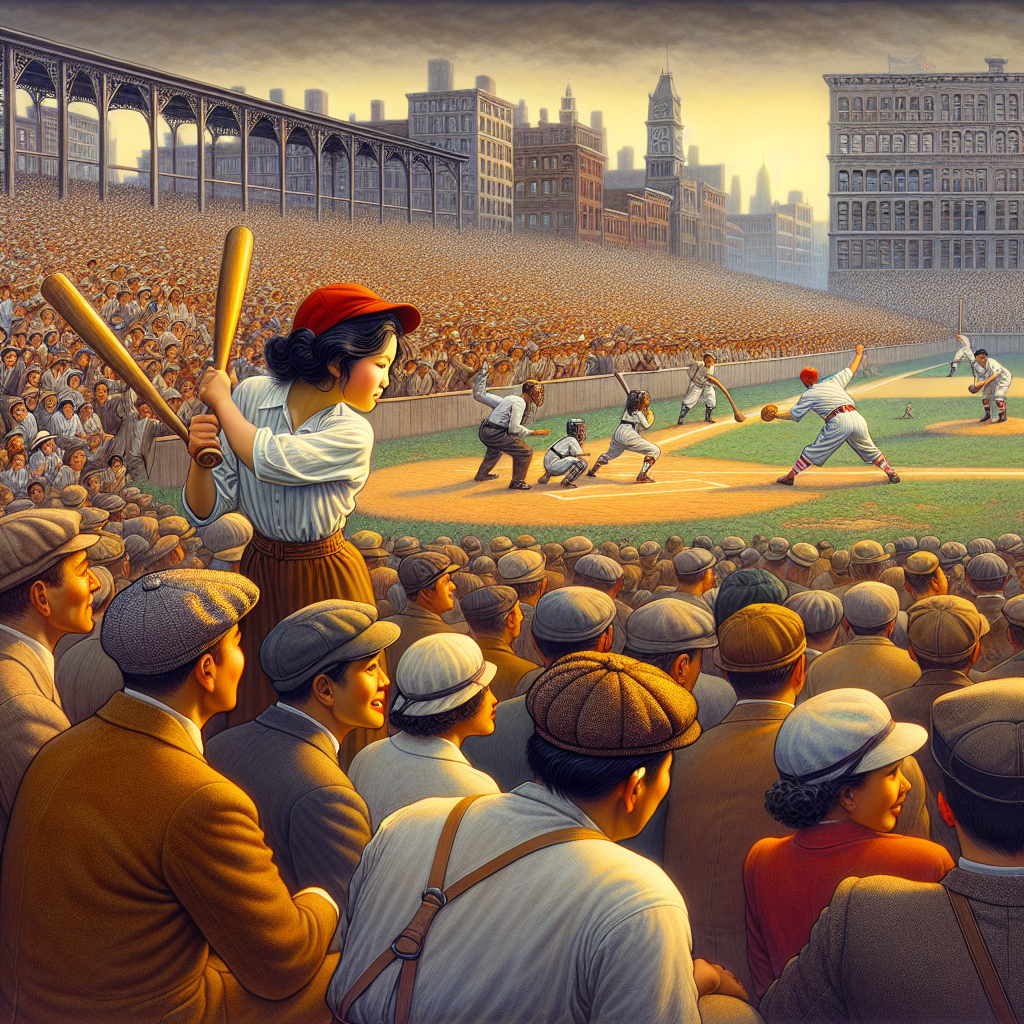
The integration of African American players reshaped Major League Baseball in many ways. It changed the style of play, bringing in new levels of speed, power, and skill. African American players brought an exciting style that captivated fans, drawing them to stadiums and elevating the game to new heights. The infusion of talent from Negro League stars offered MLB teams a new competitive edge and diversity that enriched the sport.
In addition to black players, the Great Migration also indirectly influenced the integration of Latino players, as the breaking of barriers paved the way for other non-white groups to enter the league. This gradual transformation diversified the sport, opening it up to a broader fan base that appreciated the dynamic and inclusive game baseball was becoming.
While the journey has been long and arduous, each African American player that followed Robinson carved a path not only for themselves but also for future generations of athletes. Legends like Willie Mays, Hank Aaron, and Ernie Banks continued to prove the indispensability of African American athletes to the sport and solidified their places as cultural icons during the zenith of the Civil Rights Movement.
Baseball Reflecting Societal Changes
The evolution of baseball during and after the Great Migration serves as a mirror to the broader social transformations in the United States. As African Americans migrated North in search of economic and personal freedom, their impact was felt not just in urban demographics but also in the cultural institutions they cherished and transformed. Baseball captures this essence, presenting an arena where societal tensions and triumphs played out under the public gaze.
The movement toward integration within baseball mirrored national civil rights advances, marking incremental victories within the world of sports that echoed those happening across the country. The challenges that African American players faced reflected the broader struggles against discrimination and inequality, providing inspiration and hope for those fighting for social justice.
Thus, baseball was not truly isolated but was part of a larger narrative of change—transforming from a segregated pastime into a diverse and inclusive institution that better reflects the society in which it exists. The sport, much like the country, continues to grapple with its past while striving for a future of equality and opportunity for all.
Legacy and Continuing Impact
Today, the legacy of the Great Migration and its influence on baseball are remembered in myriad ways, ranging from commemorations and baseball history exhibitions to acknowledgment in the narratives of civil rights history. The impact of this era is evident in the diverse rosters of both Major League and Minor League Baseball teams, which now boast players from a multitude of backgrounds.
This legacy is also inspiring for young African American players and athletes from other minority backgrounds who see themselves reflected in the legends of the past and present. The story of baseball and the Great Migration provides a powerful narrative about the transformative power of sports and the crucial role it plays in social progress.
The challenges faced by early African American baseball players and their communities continue to be salient reminders of the importance of resilience and resistance against social injustices. Their legacy persists not just in baseball diamonds but across the American cultural landscape, encapsulating the ongoing journey toward equality and opportunity.
In conclusion, the story of baseball during the Great Migration is a compelling chapter in the narrative of American history. It is a testament to the resilience of African Americans and their enduring influence on the nation’s cultural fabric. Baseball, as it evolved during this era, reflects the broader societal shifts and serves as a powerful lodestar for change and progress. It reminds us of how far we’ve come, the struggles endured, and the continuing journey toward a more inclusive and equitable society.
Frequently Asked Questions
1. What was the Great Migration and how did it impact baseball?
The Great Migration was a significant period in American history during the early to mid-20th century where millions of African Americans relocated from the rural South to the urban North. This movement was driven by the search for better employment opportunities and living conditions away from the oppressive Jim Crow laws of the South. For baseball, a sport deeply rooted in American culture, the Great Migration led to substantial changes. As African Americans moved north, they brought with them a rich tradition of baseball, having played in various forms and leagues in the South. This influx of talent and passion greatly boosted the Negro Leagues, as more players became available and the games gained interest among the local black communities in northern cities. Moreover, the cultural exchange and increased competitiveness pushed the narrative of integrating baseball, ultimately setting the stage for significant changes in the sport’s racial dynamics.
2. How did the Great Migration influence the Negro Leagues?
The Great Migration had a profound effect on the Negro Leagues, which were baseball leagues comprising African American teams that operated from the 1920s to the late 1940s. As African Americans flocked to northern cities, the Negro Leagues found new audiences and expanded their fan base significantly. The infusion of players who relocated from the South also meant that the quality of play improved, elevating the competitiveness and entertainment value of Negro League games. Promotions and attendance in Negro League games reached new heights as new teams emerged in urban areas like Chicago, New York, and Pittsburgh, which boast significant black populations due to the migration. Moreover, it was in these thriving, newly-formed urban communities that black entrepreneurs and businessmen invested in and supported Negro League teams, making the leagues not just sporting ventures but also symbols of progress and hope in the black community during a time of intense racial segregation.
3. In what ways did Major League Baseball (MLB) change during and after the Great Migration?
The Great Migration set in motion a series of events and shifts that led to monumental changes in Major League Baseball. During the migration era, although African American players were barred from the MLB due to racial segregation policies, the pressure to integrate the sport mounted. As the Negro Leagues’ success highlighted the talent and drawing power of black athletes, public opinion gradually shifted in favor of integration. The pivotal moment came in 1947 when Jackie Robinson broke the color barrier, becoming the first African American to play in the MLB. This integration was long overdue, as black baseball players brought incredible skill and athleticism to the league, enriching the overall quality of the game. Consequently, the landscape of MLB transformed, as teams across the league began signing African American players, and future stars such as Willie Mays, Hank Aaron, and Satchel Paige followed Robinson’s historic appearance. The integration of baseball reflected broader societal changes and contributed to the gradual shift toward civil rights and racial equality in America.
4. Why was baseball important to African American communities during the Great Migration?
Baseball held great significance for African American communities during the Great Migration, providing entertainment, pride, and a sense of community in the urban North. For many migrants leaving the oppressive conditions of the South, baseball served as a cultural touchstone and a reminder of home. In northern cities where African Americans settled, baseball games became major social events. They were more than just spectator sports; they were social gatherings where everyone could escape from the struggles of daily life and forge new identities. These games were venues for community building and solidarity, fostering a sense of belonging in unfamiliar territories. Additionally, baseball provided economic opportunities for black entrepreneurs, from running teams to owning stadiums and organizing events, contributing to the burgeoning black middle class. As such, the sport was an important part of the cultural fabric that helped African Americans carve out a place for themselves in the urban landscapes of the north.
5. How did the experiences of African American baseball players change as a result of the Great Migration?
As a result of the Great Migration, African American baseball players experienced both opportunities and challenges that significantly altered their playing careers and personal lives. On the one hand, players saw improved opportunities to showcase their skills and earn a living through the thriving Negro Leagues. There was a larger and more enthusiastic urban audience that was eager to see the talent that many black players possessed. On the other hand, even with these opportunities, players still faced systemic racism and were subject to the harsh realities of segregation off the field. Their talents were underappreciated by the mainstream baseball establishment for many years, which added layers of struggle and frustration unlike most of their white contemporaries. Moreover, players often had to endure grueling travel schedules and play under poor conditions, without the financial resources and amenities available in the Major League Baseball. Despite these challenges, many African American players became icons and trailblazers, paving the way for future generations to dismantle racial barriers in sports and society.