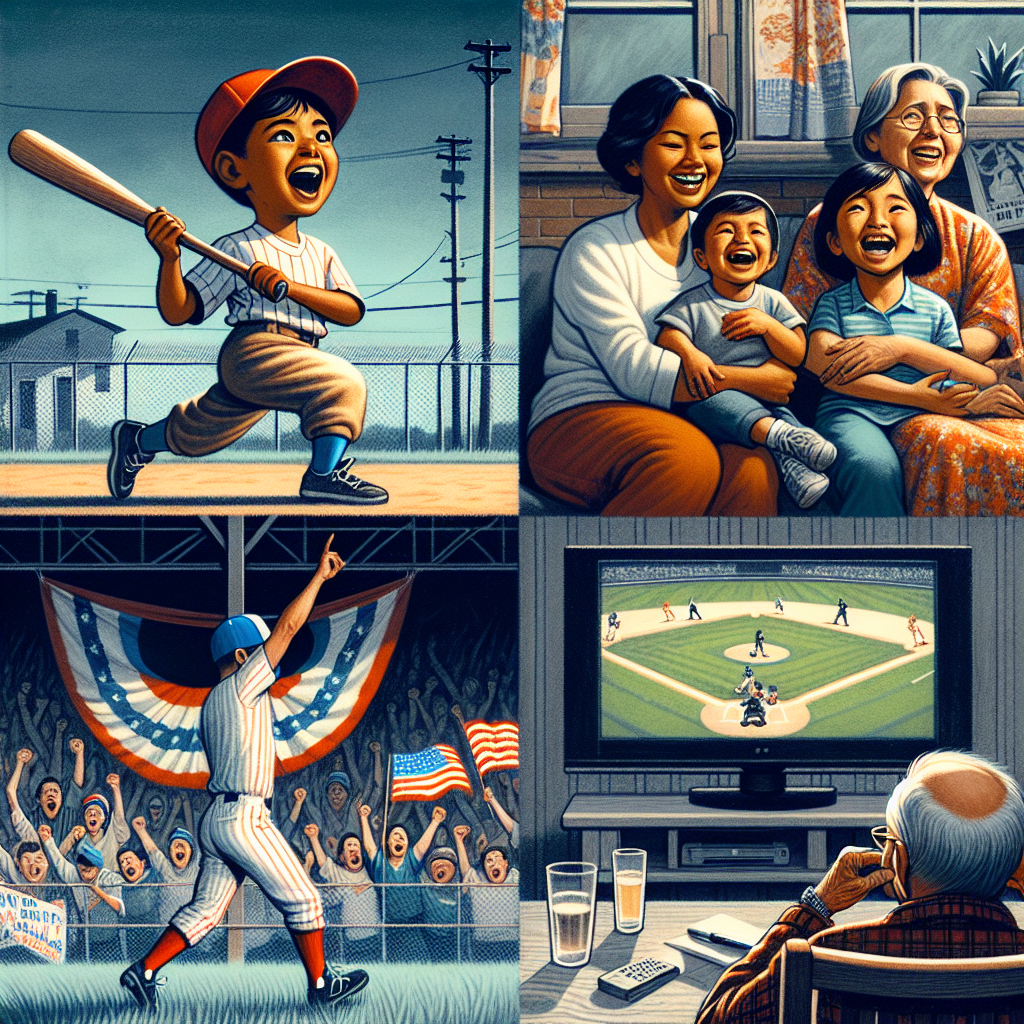
Baseball, often referred to as America’s pastime, is more than just a sport. It is a cultural phenomenon that has mirrored the nation’s social changes over the decades. From the fields of dreams in rural America to the bustling stadiums in metropolitan cities, baseball has been a bedrock for countless American lives, especially for immigrants who have sought to redefine their destinies.
This article delves into the intricate relationship between baseball and the American Dream, highlighting the captivating stories of immigrants who have not only found a new home in America but also a new life on the baseball diamond.
The journey of immigrants has always been a quest for freedom and opportunity. America has been a beacon of hope, a land that promised a better tomorrow. When these immigrants arrived, often with little more than the clothes on their backs, they found a common ground in baseball. Regardless of nationality, color, or creed, the baseball field became a place where anyone could prove their worth. In this melting pot of cultures, baseball emerged as a universal language, a symbol of integration and acceptance.
Throughout history, immigrants have played pivotal roles in shaping the sport. From the spirited early days of baseball in the 19th century to the vibrant multicultural leagues of today, the contribution of immigrants is invaluable. These players, with their diverse backgrounds, have enriched the game with unique styles, skills, and perspectives. Yet, their stories often extend beyond the baseball field. They embody the quintessential American Dream—overcoming adversity, celebrating triumphs, and striving for a better life.
In the following sections, we will journey through time to discover the incredible stories of these immigrant players, their challenges, their victories, and how their presence in baseball reflects and influences the societal dynamics of their times. From being mere players to becoming legends, these immigrants have left indelible marks on both the game and the society it entertains, continuing to inspire generations and uphold the values of the American Dream.
The Early Immigrant Influence
The roots of baseball’s immigrant influence reach back to the late 1800s when the sport began to take hold in American society. During this period, America was seeing one of its largest waves of immigration, with millions arriving from Europe looking for work and a chance at a new life. Among them were individuals who carried an intrinsic love of sports, including baseball, which was already gaining traction in places like Ireland and Italy.
One key figure during this early period was Tony Mullane, an Irish immigrant who became one of baseball’s first great pitchers. Mullane, also known as “The Apollo of the Box,” was notorious for his swift pitches and strategic playstyle. His success on the field invited others from immigrant communities to pursue baseball, showcasing it as a viable path to success and acceptance in American society.
These early days were not without challenges. Immigrant players faced discrimination and prejudice, both on and off the field. Despite these hurdles, their contributions were significant, helping to pave the way for more inclusive participation in the sport. As these immigrant players excelled, fans from their communities began rooting for them, increasing the popularity of baseball in immigrant neighborhoods and fostering collective identity and pride.
This period laid the foundation for future generations of immigrant players, inspiring them to embrace baseball as a part of their cultural narrative and as a vehicle for pursuing their American Dream.
The Rise of Hispanic Influences in Baseball
The mid-20th century marked a significant era in baseball history, particularly with the rise of Hispanic players. Following World War II, there was an influx of Latin American talent that began to make noticeable impacts in Major League Baseball. Countries like Cuba, Puerto Rico, and the Dominican Republic became hotbeds for nurturing talented players, many of whom would go on to become stars.
One of the most iconic figures during this time was Roberto Clemente, a Puerto Rican who played for the Pittsburgh Pirates. Clemente was not just an extraordinary player known for his batting prowess and defensive skills; he also became a trailblazer for Hispanic players, showcasing the need for cultural acceptance and diversity within the sport. Clemente’s legacy transcended baseball; he was a humanitarian and advocate for civil rights, leaving an everlasting impact on society.
Hispanic players introduced new techniques, strategies, and an exuberance that captivated audiences. Their influence was evident in the evolving dynamics of how baseball was played and consumed in America. Their success paved the way for subsequent generations of Hispanic athletes, whose stories reflect the heart of the American Dream.
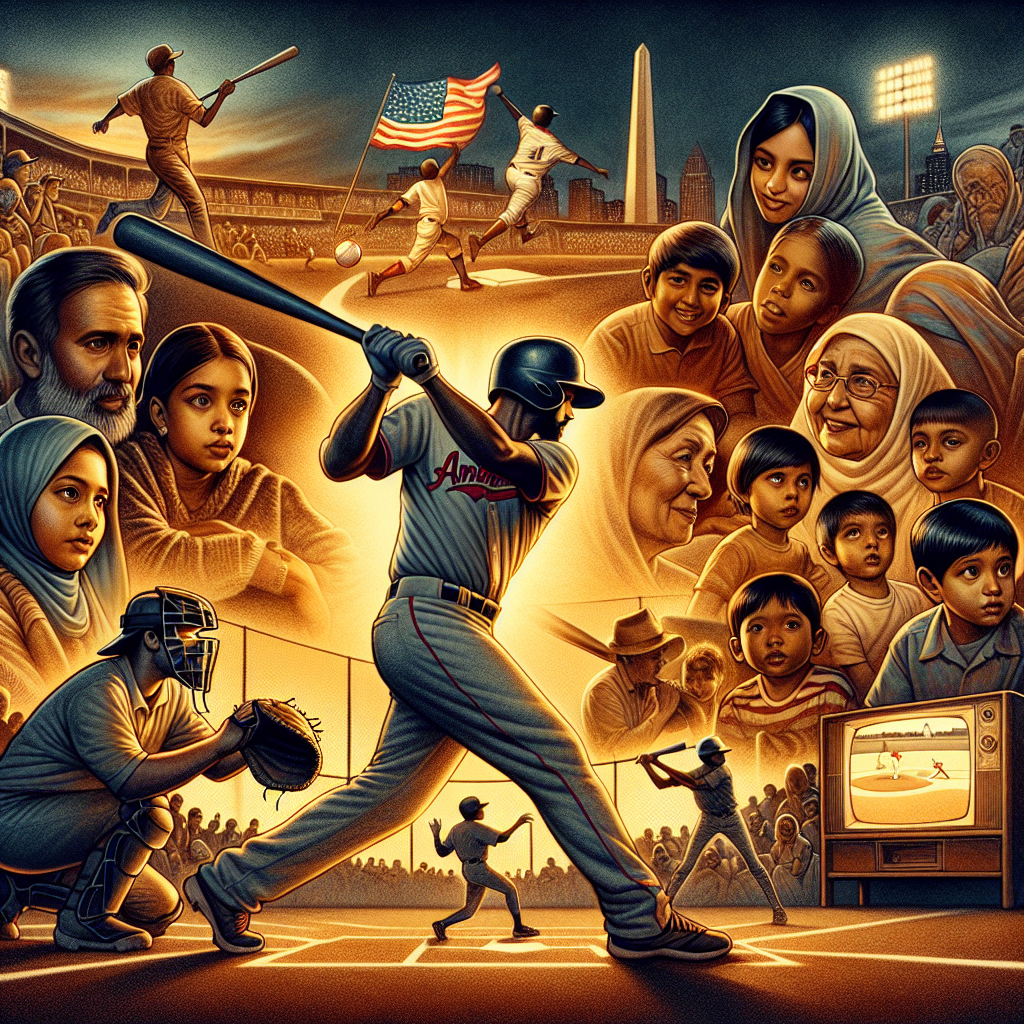
Asian Influence in Baseball
In the latter half of the 20th century and into the 21st, players from Asia began to make their mark in Major League Baseball (MLB). Countries like Japan, Korea, and Taiwan have produced some of the most talented players the sport has seen, bridging cultures and bringing international flair to American baseball.
The signing of Hideo Nomo by the Los Angeles Dodgers in 1995 was a watershed moment. Nomo’s distinct “tornado” pitching style not only stunned batters but also opened the gates for future Asian imports. He was followed by Ichiro Suzuki, whose remarkable consistency turned him into a fan favorite and a legitimate MLB legend during his time with the Seattle Mariners.
These players exemplify the fulfillment of the American Dream, demonstrating that talent and passion can lead to success regardless of origin. Their stories continue to enrich baseball’s cultural mosaic, inspiring new generations of fans and athletes to embrace baseball as a global phenomenon.
African Contributions Post-Integration
Although Jackie Robinson broke the color barrier in 1947, paving the way for African American players in Major League Baseball, African players from the diaspora have also contributed significantly to the game. Players from countries like Nigeria and South Africa, or those with African heritage in the Caribbean, have risen in prominence, adding skill and cultural richness to baseball.
Their success in the sport continues to symbolize the broader societal strides toward equality and civil rights, with baseball reflecting these breakthroughs. These players reinforce the ideals of the American Dream, emphasizing that with talent comes opportunity to excel and leave a lasting mark.
Modern-Day Immigrant Heroes
In today’s game, immigrant players contribute to the diversity and competitive spirit of Major League Baseball, offering fresh perspectives and keeping the sport exciting. Players like Shohei Ohtani, a Japanese phenomenon, and Vladimir Guerrero Jr., born in Canada to Dominican parents, represent the global reach of baseball.
These modern-day heroes continue the proud tradition of immigrants shaping baseball, showcasing resilience, adaptability, and talent. Their stories inspire future generations and reaffirm baseball’s reputation as a stage for greatness.
Conclusion
Baseball and the American Dream are inexorably linked through the myriad stories of immigrants who have graced the sport with their presence and passion. From every pitch thrown to every home run hit, these athletes embody dreams fulfilled and barriers broken.
Across generations, immigrant players have contributed not only to the athleticism seen in stadiums but also to cultural narratives that reflect America’s dynamic fabric. Baseball remains a beacon for those who believe in the promise of opportunity, demonstrating that with hard work and dedication, greatness is achievable.
Frequently Asked Questions
1. How does baseball represent the American Dream for immigrants?
Baseball is often seen as a microcosm of American society and the idea of the American Dream, particularly for immigrants who seek new opportunities in the United States. The sport provides a platform for individuals to showcase their talents regardless of their backgrounds, promising success through hard work and dedication. It symbolizes the possibility of improved social status and acceptance in a new homeland. For many immigrant players, baseball is not just a sport; it is a vehicle for achieving personal and familial goals, providing both financial stability and a sense of belonging. From legends like Roberto Clemente to modern stars like Ichiro Suzuki, countless players have used baseball to transcend cultural barriers and demonstrate that the American Dream is attainable.
2. Which famous immigrant baseball players have shaped the sport in America?
The history of baseball is rich with stories of immigrant players who have had profound impacts on the game and its culture in America. Some notable figures include Roberto Clemente, who hailed from Puerto Rico and became a symbol of Latin American excellence and humanitarianism. Fellow Cuban player Minnie Miñoso was another trailblazer who broke racial barriers and helped pave the way for Latino players in Major League Baseball. Japanese icon Ichiro Suzuki brought his talents across the Pacific and became a record-setting player revered for his discipline and skill. These players, among many others, not only excelled on the field but also paved paths for future generations, illustrating the diverse threads that weave through the American Dream.
3. How has baseball evolved to include immigrant cultures and communities?
Baseball has evolved drastically over the years to become more inclusive of immigrant cultures and communities, reflecting broader societal changes in America. Initially, leagues were segregated, and few immigrant players could participate in Major League Baseball. However, after Jackie Robinson broke the color barrier in 1947, other minorities, including many immigrants, gradually gained entry into the sport. International scouting systems began identifying talent from around the globe, resulting in a more diverse roster of players over the years. Countries in Latin America and Asia have become significant sources of talent, with dedicated academies fostering young athletes. The MLB now celebrates its diverse heritage with various initiatives and events such as Hispanic Heritage Month and Japanese Heritage Night, acknowledging the invaluable contributions of immigrant players and fostering a greater sense of inclusion and community within the sport.
4. In what ways do immigrant baseball players impact their home countries?
Immigrant baseball players often become national heroes and symbols of possibility within their home countries. Their successes in Major League Baseball are not just tales of personal triumph but serve as sources of national pride and inspiration for aspiring athletes back home. Players such as Dominican Republic’s David Ortiz or Venezuela’s Miguel Cabrera act as ambassadors, showcasing the potential of their countries on an international stage. Many of these athletes invest back into their communities through charitable foundations or by funding training facilities and programs designed to nurture young talent. This ripple effect has helped bolster the sport’s popularity globally and has laid the groundwork for burgeoning baseball infrastructures in many countries, empowering the next generations to dream bigger and achieve more.
5. What challenges do immigrant baseball players face in achieving the American Dream?
Despite the allure of achieving the American Dream through baseball, immigrant players often face several challenges on their journey to success. Language barriers, cultural adaptations, and homesickness are immediate hurdles that players must overcome. Moreover, many young players, particularly from Latin America, face visa and contract uncertainties that can complicate their path. The pressure to succeed in a highly competitive environment also takes a mental and emotional toll. Programmers and leagues have started recognizing these challenges and have introduced language programs, cultural assimilation support, and holistic career development initiatives to assist players. Despite these challenges, many immigrants willingly embrace the sacrifices and uncertainties, driven by the prospect of professional success and the hope of a better future for themselves and their families.