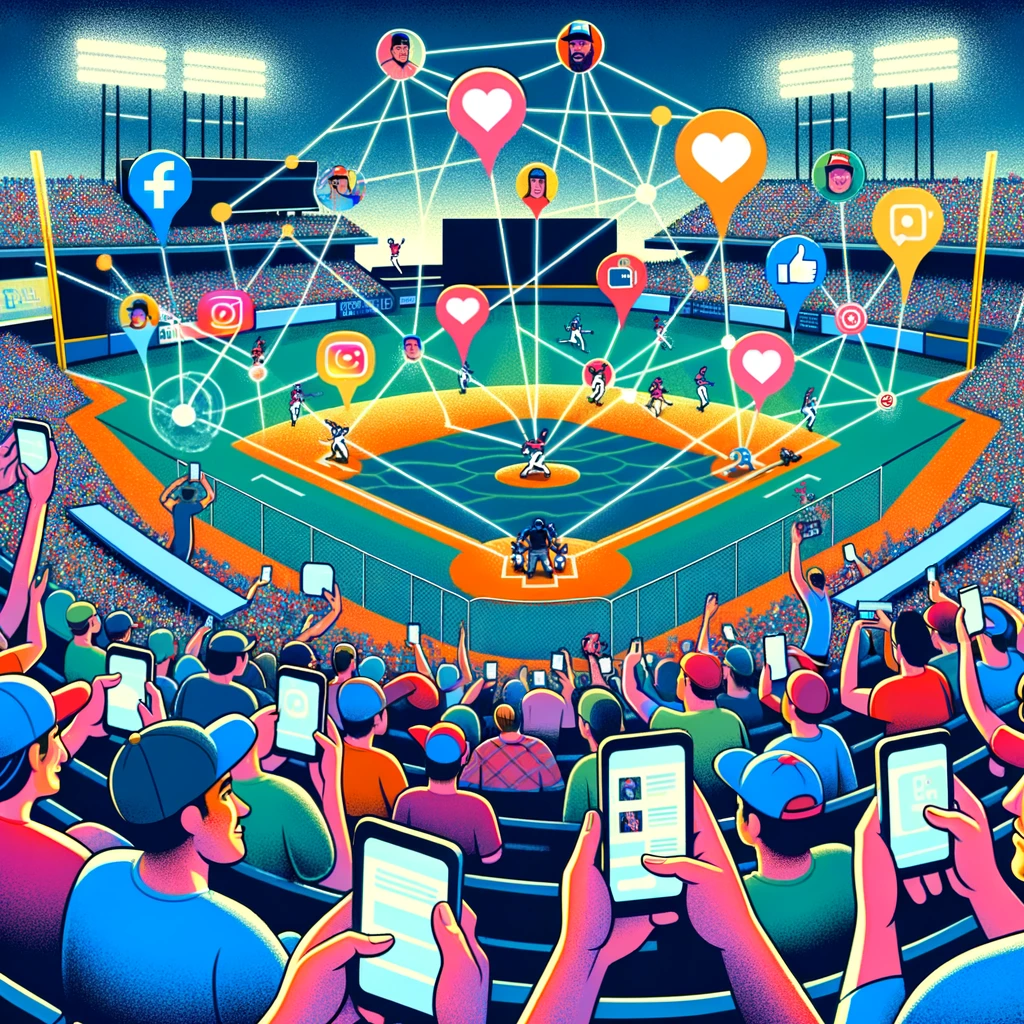
In the digital era, social media has emerged as a pivotal platform in reshaping various aspects of life, including sports. Baseball, often revered as America’s pastime, has not been immune to this digital transformation. The integration of social media into baseball has significantly altered the landscape of fan engagement, creating new opportunities and challenges for teams, players, and fans alike. This article delves into the various dimensions of how social media has impacted baseball fan engagement, exploring its effects on interaction, accessibility, community building, and the overall fan experience.
Enhanced Interaction and Accessibility
The advent of social media platforms like Twitter, Facebook, and Instagram has revolutionized the way fans interact with their favorite teams and players. Gone are the days when the only sources of engagement were live games and television broadcasts. Social media has democratized access to players and teams, allowing fans to connect with their baseball idols on a personal level. Players share behind-the-scenes glimpses of their lives, training sessions, and game preparations, fostering a sense of intimacy and connection previously unattainable.
This increased accessibility also extends to game coverage. Social media platforms offer real-time updates, highlights, and analyses, ensuring that fans never miss a moment, regardless of their geographical location or time zone. This global reach has not only sustained but expanded the baseball fan base, making the sport more inclusive and accessible to a diverse audience.
Impact on Fan Communities and Engagement
Social media has played a crucial role in building and nurturing baseball fan communities. Platforms like Reddit and Twitter have become hubs for fans to gather, discuss, and share their passion for the game. These online communities offer a space for fans to celebrate victories, lament losses, and engage in discussions about team strategies, player performances, and upcoming games.
The interactive nature of these platforms also encourages a participatory culture among fans. Through social media, fans have a voice and can express their opinions, predictions, and analyses, contributing to a richer, more engaged fan experience. Furthermore, social media-driven fan polls, Q&A sessions with players, and online contests enhance engagement, making fans feel like an integral part of the baseball community.
Marketing and Promotional Strategies
For baseball teams and leagues, social media has become a crucial tool for marketing and promotion. Teams leverage these platforms to announce game schedules, ticket sales, and special events, reaching a broad audience with ease. The interactive nature of social media also allows teams to engage in two-way communication with fans, gaining valuable insights into their preferences and feedback, which can be instrumental in shaping marketing strategies and enhancing fan experiences.
Moreover, social media has opened up innovative avenues for advertising and sponsorship. Brands now collaborate with teams and players for targeted promotions, leveraging the extensive reach and engagement these platforms offer. This symbiosis between baseball, social media, and advertising has not only benefited the teams and sponsors but also enhanced the overall fan experience through more personalized and engaging content.
Challenges and Controversies
While social media has brought about positive changes in fan engagement, it has not been without its challenges. The immediacy and public nature of social media can sometimes lead to controversies, especially when players or team officials post content that is considered inappropriate or offensive. These instances can quickly escalate, affecting the public image and reputation of those involved.
Additionally, the anonymity and freedom of expression on social media can sometimes result in toxicity and online harassment. Players, teams, and even fans can become targets of online abuse, which can dampen the spirit of sportsmanship and community that baseball embodies.
The integration of social media into baseball has undeniably transformed the landscape of fan engagement. It has opened up new channels of interaction, expanded accessibility, fostered community building, and introduced innovative marketing strategies. While it presents certain challenges, the overall impact of social media on baseball fan engagement has been overwhelmingly positive, bringing the sport closer to its fans and evolving the way the game is enjoyed and celebrated.
As we move forward in this digital age, it is clear that social media will continue to play a vital role in shaping the future of baseball and its fan engagement. The potential for further innovation and growth in this domain is immense, promising an even more connected and enriched baseball fan experience in the years to come.
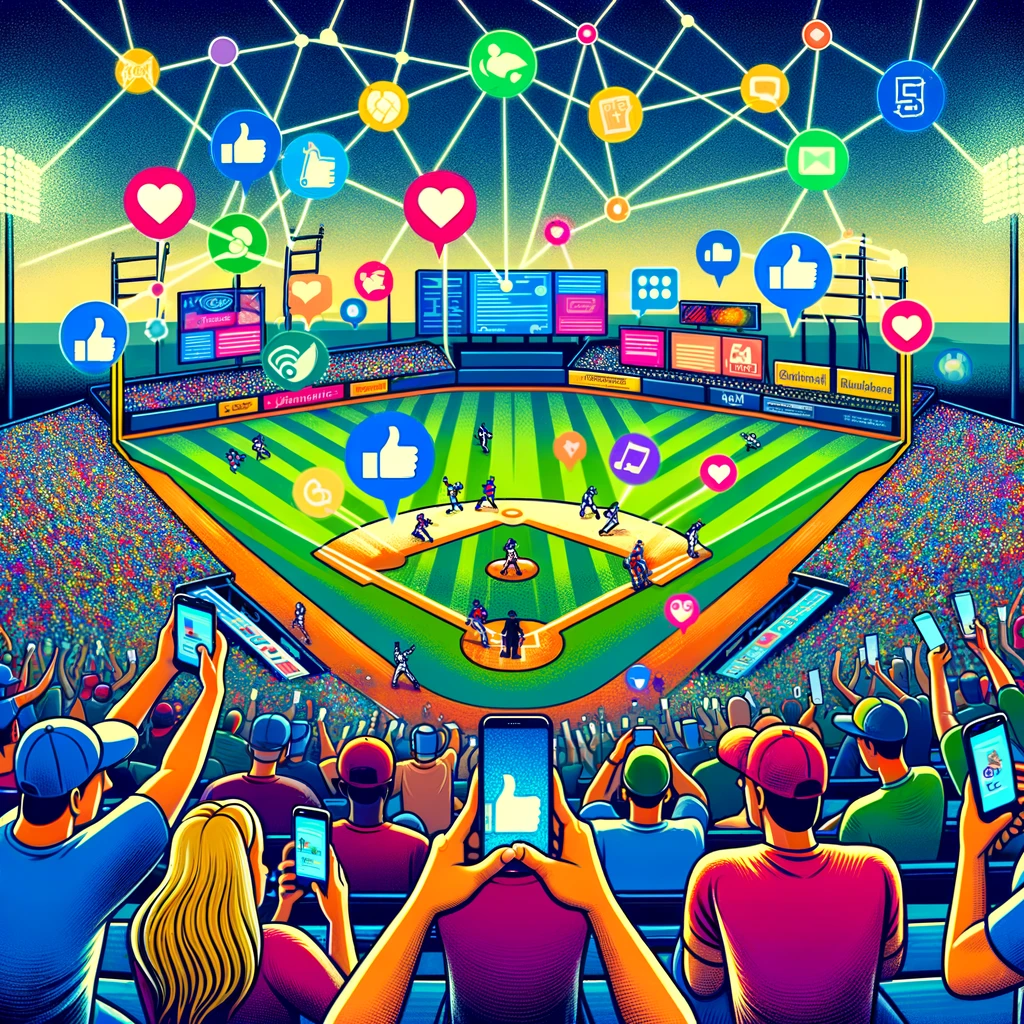
The Impact of Social Media on Baseball Fan Engagement – Part 2
In the first part of our exploration into the impact of social media on baseball fan engagement, we delved into the transformative power of these digital platforms. As we continue, let’s dive deeper into the specific changes and innovations brought about by social media in the realm of baseball.
Personalizing the Fan Experience
Social media platforms have bridged the gap between fans and players, offering a personalized experience that was previously unimaginable. Platforms like Twitter and Instagram allow fans to follow their favorite players, getting a glimpse into their personal lives and daily routines. This connection fosters a sense of intimacy and loyalty. For instance, when a player shares a post about their training or family life, it humanizes them beyond their athletic persona, creating a stronger emotional bond with fans.
Moreover, these platforms enable fans to engage directly with players through comments and messages. Players often respond to fans, further strengthening this personal connection. This two-way communication is a radical departure from the past, where fans’ access to players was limited to watching games or attending public events.
Real-Time Engagement and Instant Updates
Social media has dramatically changed how fans consume baseball content. In the past, fans had to wait for the next day’s newspaper or tune in to a scheduled TV broadcast for updates. Now, social media provides real-time updates, live-tweets of games, in-game highlights, and instant analysis. This immediacy keeps fans constantly engaged, even if they can’t watch the game live.
Platforms like Twitter have become hotspots for real-time discussions. Fans, commentators, and even players engage in conversations during live games, creating a communal viewing experience regardless of physical location. These discussions can range from celebrating a home run to debating a manager’s decision, mimicking the experience of watching a game with friends in a living room or a bar.
Enhancing Fan Communities and Discussions
Social media has also transformed fan communities. Platforms like Facebook, Reddit, and dedicated baseball forums have given rise to vibrant online communities where fans from all over the world can connect. These communities are spaces for sharing news, opinions, and even organizing fan meet-ups or viewing parties.
In these online communities, fans find a sense of belonging and identity. They can express their support, share their frustrations, and celebrate victories together. The global reach of these communities means that even fans in locations without a local team can fully participate in the fan culture.
The Role of Influencers and Content Creators
An often-overlooked aspect of social media’s impact on baseball is the rise of influencers and content creators. These individuals, often fans themselves, create content ranging from analyses, memes, to video highlights. Their content adds an extra layer of engagement, offering perspectives and entertainment that traditional media might not provide.
These influencers and content creators can have significant followings, and their opinions and content can shape fan perceptions and discussions. They also offer a more relatable and fan-centric viewpoint, often resonating more with the average fan than traditional media outlets.
Challenges and Controversies
While social media has largely had a positive impact on fan engagement, it’s not without its challenges and controversies. The immediacy and anonymity of social media can sometimes lead to negative behavior, such as online harassment of players or other fans. Moreover, the spread of misinformation or rumors can create confusion and unnecessary controversies.
Baseball organizations and players have had to adapt to these challenges, often employing social media managers and implementing guidelines for online conduct. Educating players and staff about the responsible use of social media has become crucial in mitigating these issues.
The Future of Baseball Fan Engagement
Looking to the future, social media’s role in baseball fan engagement is likely to grow even more. Emerging platforms and technologies, like augmented reality (AR) and virtual reality (VR), could offer new ways for fans to experience games and interact with their favorite teams and players.
For instance, imagine watching a live game through a VR headset, giving the feeling of being in the stadium from the comfort of your home. Or using AR to get player stats and information in real-time during a game. The possibilities are endless and exciting.
Conclusion
Social media has indisputably revolutionized baseball fan engagement. It has personalized the fan experience, provided real-time engagement, enhanced fan communities, and given rise to influencers and content creators. While there are challenges, the overall impact has been profoundly positive, bringing fans closer to the game they love.
As we continue to navigate this digital era, one thing is clear: social media will remain a pivotal player in shaping the future of baseball fan engagement, offering new and innovative ways for fans to connect with the sport.
Frequently Asked Questions
1. How has social media changed the way fans engage with baseball teams?
Social media has dramatically reshaped how fans connect with their favorite baseball teams, making interactions more immediate and personal. In the past, fans were limited to consuming baseball content through traditional media, such as television broadcasts, newspapers, and magazines. Now, platforms like Twitter, Facebook, Instagram, and TikTok provide real-time updates and a direct line to teams. Fans can follow official team pages for announcements, game highlights, behind-the-scenes content, and more. Teams leverage social media to build narratives throughout the season and engage fans in discussions, polls, and contests.
Another significant change is the advent of live tweeting during games, which gives fans immediate access to play-by-play commentary and player reactions. This fosters a sense of community, as fans can share their own thoughts and respond to others in real-time. Social media has made it easier for teams to tailor their communication strategies, targeting specific demographics with content suited to different platforms, ultimately enhancing fan loyalty and expanding their reach.
2. In what ways do players use social media to connect with their fans?
Players now utilize social media to reach out to their fans more directly than ever before. On platforms like Instagram and Twitter, players share personal insights, training routines, and candid moments from their everyday lives. This transparency allows fans to feel more connected to the athletes, moving beyond simply watching them play and into understanding their personalities, passions, and off-field endeavors. Players often share their perspectives on games or practices, and engage with fans by responding to comments and questions, making their interactions feel personal and meaningful.
Furthermore, players use social media to advocate for causes they are passionate about or to support community initiatives. This type of engagement not only enhances their personal brand but also humanizes them in the eyes of fans. The ability to communicate directly with fans breaks down barriers and creates lasting relationships. In some cases, players have even used their social media influence to crowdsource opinions on various matters, effectively involving fans in decision-making processes.
3. How have baseball teams adapted their marketing strategies for the social media landscape?
Baseball teams have had to be quite adaptive and creative to thrive in the social media landscape. Marketing strategies have evolved to become more dynamic and interactive, shifting from one-way communication to a dialogue with fans. Teams now hire dedicated social media managers responsible for maintaining consistent and engaging content across all platforms. These managers monitor trends to ensure their engagement tactics are current and relevant.
Teams also frequently utilize social media to launch campaigns that coincide with special events or seasons. Hashtags have become a vital tool, allowing teams to create unified threads of content that fans can follow easily. By crafting engaging, multimedia content—such as videos, player interviews, fan shout-outs, and game highlights—teams aim to not only keep current fans engaged but also attract new fans. Additionally, collaborations and social media partnerships with influencers who have a passion for baseball can expand reach beyond traditional boundaries.
4. What are the challenges baseball teams face with increased social media use?
While social media has brought many benefits, it also presents several challenges for baseball teams. One major issue is managing negative interactions or backlash. Due to the instantaneous nature of social media, any mistake or controversial post can quickly spiral out of control, leading to public relations nightmares. Teams must ensure that all communication is consistent with their brand values and address any issues swiftly and professionally.
Handling trolls or abusive behavior from fans is another challenge, as such negativity can tarnish the experience for other fans and affect a team’s reputation. There’s also the constant pressure to produce fresh, engaging content to keep fans interested, which requires keeping up with rapid changes in platform algorithms and emerging trends. Maintaining authenticity while strategically managing a presence on multiple platforms can be resource-intensive, demanding time, creativity, and constant monitoring.
5. Has social media affected how Major League Baseball (MLB) governs player conduct?
Yes, social media has indeed influenced how Major League Baseball (MLB) governs player conduct. MLB, being aware of the wide-reaching impact of social media, has established guidelines and policies to ensure that players uphold a professional image. The league advises players and personnel on appropriate online behavior, mindful of the potential repercussions any post could have on their careers and the broader MLB community.
Players are continuously reminded of the importance of protecting the league’s image and their personal brand while using social media. Conduct violations can lead to disciplinary actions, including fines or suspensions, thus affecting both the player and their team. MLB also actively monitors social media channels for any conduct issues and responds accordingly, emphasizing the necessity for players to always act as ambassadors for the sport both on and off the field.