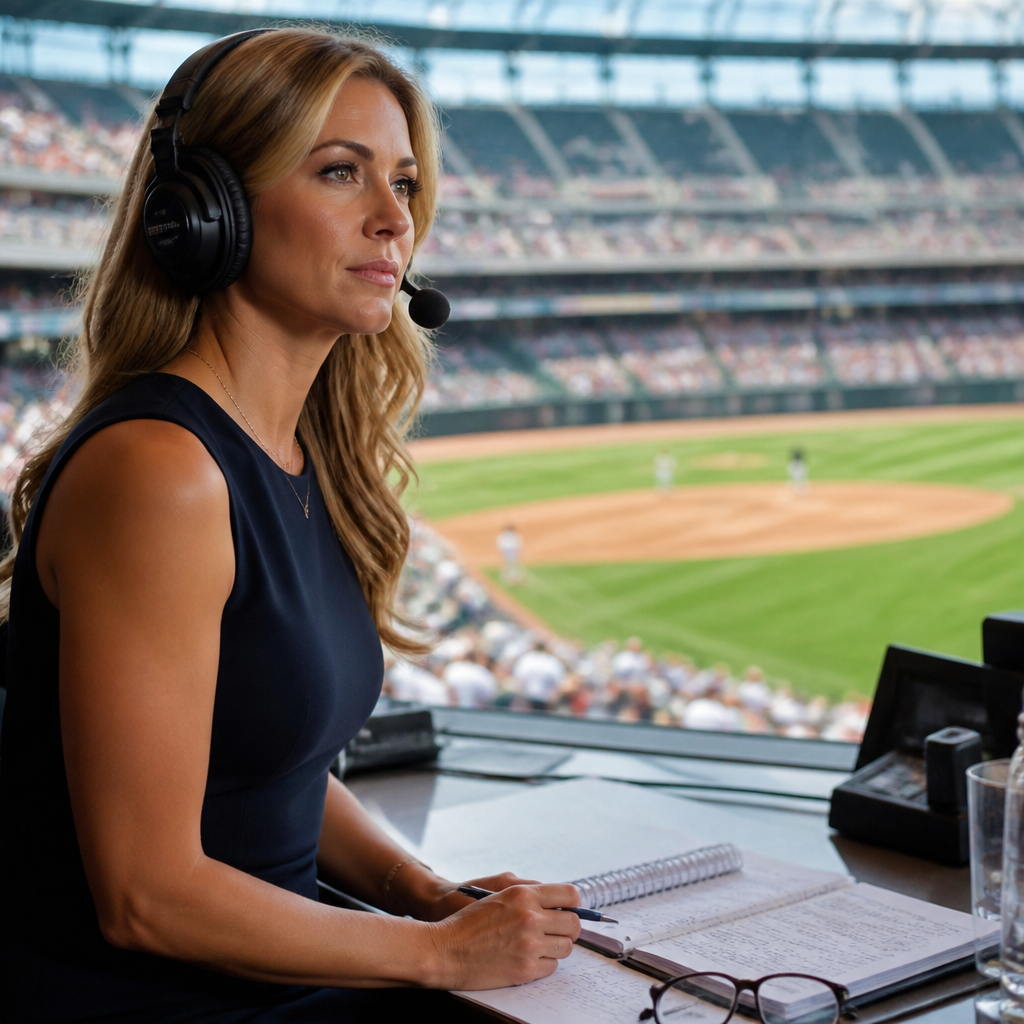
Women’s voices in baseball are reshaping how the game is described, analyzed, and understood, creating a new era of commentary that is broader, sharper, and more representative of the audience that follows the sport. In baseball, commentary includes play-by-play announcing, color analysis, dugout reporting, radio hosting, studio work, podcasting, beat reporting, rules analysis, and digital video breakdowns. That range matters because modern fans do not encounter baseball through one broadcast alone; they move between local television, national games, social clips, newsletters, team podcasts, and postgame shows. I have worked around baseball content strategy and broadcast production long enough to see a practical truth: when more women are in the conversation, coverage improves. Questions get better, storytelling gets richer, and analysis is less trapped by habit. This shift also matters beyond media. Commentary shapes which players become stars, which issues get attention, how controversies are framed, and what young fans imagine is possible in the sport. For a sub-pillar hub on women in baseball, this miscellaneous area is essential because it connects every other subject: playing, coaching, front-office work, fandom, history, and culture. Women’s voices in baseball are not a side note. They are now part of the core architecture of how the game reaches the public.
How baseball commentary changed and why this moment is different
For decades, baseball commentary was treated as a narrow lane dominated by former male players and veteran male broadcasters, with women often confined to limited sideline roles or lifestyle features. That model has changed because the media ecosystem changed first. Regional sports networks, league-owned platforms, streaming services, social media, and direct-to-consumer audio created more windows for expertise. At the same time, baseball organizations recognized that audiences wanted clearer analysis, stronger interviewing, and more varied perspectives than the old template delivered.
This is why the current moment is different from earlier isolated breakthroughs. One woman in one booth can be dismissed as an exception. A sustained pipeline across local broadcasts, national networks, radio stations, digital outlets, and team media cannot. You can now point to play-by-play voices, analysts, field reporters, and hosts working across MLB, MiLB, college baseball, and international tournaments. The result is structural rather than symbolic change.
That shift also reflects a broader understanding of expertise. Baseball commentary is no longer judged only by whether someone once played in the major leagues. Today, credibility comes from preparation, command of video, use of Statcast data, interviewing skill, historical knowledge, and the ability to explain complex events in real time. Analysts who can translate pitch tunneling, chase rate, framing, bat path, or leverage index into plain English are valuable regardless of gender. In practice, many women succeeded because they mastered exactly those skills and forced the industry to update its standard for authority.
The roles women now occupy across baseball media
Women’s voices in baseball appear in more roles than casual fans may realize. Play-by-play is the clearest symbol because it requires command of pace, rules, pronunciation, rhythm, and instant recall. Color analysis demands a different skill set: identifying pitch sequencing, defensive positioning, swing decisions, or clubhouse context while complementing the lead announcer. Dugout and field reporting remain important too, not as lesser assignments but as information-rich jobs tied to injury updates, manager decisions, lineup changes, and between-inning storytelling.
Studio hosting is another major lane. A strong host controls tempo, manages multiple analysts, resets topics after commercial breaks, and translates dense baseball talk into something accessible. Radio adds its own demands. Without pictures, the broadcaster must create the game verbally, using precise language and timing. Digital baseball media has expanded the map further. Women now lead newsletters, moderate live streams, host prospect podcasts, produce rules explainers, and break down mechanics on video using telestration tools familiar to television analysts.
These roles matter because baseball fans build trust differently depending on format. A fan may rely on a local sideline reporter for injury context, a national host for trade deadline framing, a podcast analyst for prospect development, and a radio voice for nightly companionship over six months. The hub topic is “miscellaneous,” but the point is not randomness. It is reach. Women’s commentary now touches every stage of the fan journey, from pregame expectation to postgame interpretation.
Notable voices and what they changed
Several broadcasters and analysts helped define this new era by proving that women could excel in jobs once treated as off limits. Jessica Mendoza became one of the most visible national baseball analysts, bringing Olympic-level playing experience and direct technical commentary to major broadcasts. Melanie Newman broke barriers in play-by-play, including work tied to the Baltimore Orioles, showing that precision and pacing, not stereotype, determine booth quality. Jenny Cavnar made history in MLB play-by-play and demonstrated how broadcast opportunities expand when organizations stop treating firsts as ceilings.
Women have also shaped baseball commentary through reporting and hosting. Kelly Nash built a strong presence covering MLB through network and digital platforms, blending access with informed discussion. Lauren Shehadi became a familiar national baseball host whose studio work depends on disciplined transitions and smart questioning, skills often undervalued by viewers who only notice them when they fail. Alanna Rizzo’s reporting showed the importance of relentless preparation and clubhouse trust, especially over a 162-game season where credibility is earned daily.
The lesson from these examples is practical. Progress in baseball media rarely comes from abstract messaging alone. It comes when identifiable professionals perform difficult jobs at a high level, repeatedly, in public, under pressure. Their success creates tape, references, hiring precedent, and audience familiarity. That is how a novelty becomes a standard operating reality.
What better commentary looks like in practice
Better baseball commentary is not simply a matter of representation, although representation matters. It means broadcasts and coverage that answer the questions fans actually have. Why did a pitcher abandon the four-seam fastball in the third inning? Why is a manager willing to trade defense for platoon advantage in the seventh? Why is a hitter’s expected slugging higher than his results? Strong commentators make the hidden logic of baseball visible. Many women in the field have stood out precisely because they were not relying on old clichés to fill airtime. They came prepared with reporting, notes, and current analytical language.
In my experience, the best baseball communicators, women and men alike, share a repeatable method: observe, verify, contextualize, then explain. A dugout report should not just say a player is day-to-day; it should clarify whether the issue affects throwing, running, or swing mechanics. A color segment should not just praise grit; it should identify the splitter location, the catcher’s target, or the shift adjustment. A studio debate should not just ask whether a team has momentum; it should connect roster construction, bullpen usage, and schedule strength. Women’s voices in baseball have strengthened these habits because many entered needing to be overprepared, and that discipline improved the product for everyone.
| Commentary Role | Core Skill | What Fans Gain |
|---|---|---|
| Play-by-play | Real-time description and tempo control | Clear understanding of game action |
| Color analyst | Tactical and technical interpretation | Deeper insight into decisions and mechanics |
| Field reporter | Access-based reporting and rapid updates | Context on injuries, strategy, and clubhouse mood |
| Studio host | Topic management and audience translation | Coherent pregame and postgame coverage |
| Podcast or digital analyst | Niche expertise and flexible format storytelling | Detailed coverage of prospects, trends, and culture |
The impact on fans, players, and the business of baseball
When women are visible in baseball commentary, the effect reaches beyond the booth. Fans hear the game explained from more than one traditional angle, which reduces stale assumptions about who belongs in baseball knowledge spaces. Young women and girls see careers that are concrete rather than theoretical. Players benefit too. Better interviewers often produce better interviews because they ask specific, informed questions instead of fishing for clichés. Teams and networks benefit because broader credibility brings broader audience trust.
There is also a business case. Baseball has long tried to attract younger and more diverse audiences while maintaining loyalty among existing fans. Commentary influences retention more than executives sometimes admit. Viewers stay with broadcasts that teach them something, respect their intelligence, and feel contemporary. Advertisers notice which personalities create engagement across television and digital clips. Social media distribution favors concise, memorable analysis, and many women in baseball media have built strong cross-platform presence through exactly that skill.
This impact shows up during major events as well. Postseason coverage, trade deadline programming, rule changes, and labor issues all require commentators who can combine explanation with authority. When audiences repeatedly hear women deliver that level of coverage, the old idea that baseball expertise sounds only one way becomes impossible to defend. That cultural normalization may be the most durable business advantage of all.
Barriers that still shape the field
Progress does not erase persistent obstacles. Women in baseball commentary still face scrutiny that male counterparts often avoid, especially around voice, tone, likability, and perceived legitimacy. Mistakes that would be routine for one broadcaster can become unfairly amplified for another. Online harassment remains a serious issue, particularly on social platforms where high-visibility personalities absorb instant feedback with little moderation. Travel demands, irregular hours, and seasonal burnout affect everyone in the industry, but the burden is often compounded when women are expected to represent a breakthrough while simply trying to do the job.
Hiring pipelines are another challenge. Baseball broadcasting still depends heavily on networks of recommendations, internships, minor league reps, and local market opportunities. If decision-makers rely too narrowly on familiar profiles, the pipeline narrows even when public commitments sound strong. Training matters here. Repetition in lower-profile assignments, including college baseball, minor league radio, and digital simulcasts, is how broadcasters develop timing and confidence. Organizations that want better representation need to invest in those reps rather than wait for “ready-made” stars to appear.
There are tradeoffs to acknowledge as well. Being first can bring visibility, but it can also create pressure to be flawless and broadly representative of every woman in the field. No commentator should have to carry that burden. The healthier standard is simple: hire talented people, support them with coaching and opportunities, and judge them by the same professional criteria applied to everyone else.
How this hub connects to the wider women in baseball landscape
As a miscellaneous hub within women in baseball, commentary links naturally to several adjacent topics. It connects to history because early women sportswriters, reporters, and broadcasters had to negotiate access barriers in clubhouses and press areas before today’s roles were possible. It connects to playing and coaching because former athletes often move into analysis, and on-field experience can enrich commentary when paired with communication skill. It connects to front-office work because modern baseball media frequently discusses player development, biomechanics, roster construction, and labor economics, all areas where women now contribute professionally.
It also connects to fandom and community. Baseball discourse no longer flows only from national television downward. Team creators, independent newsletters, women-led podcasts, and social communities help shape what stories matter. A hub page should therefore guide readers toward profiles of broadcasters, histories of access, interviews with analysts, lists of women-hosted baseball shows, and explainers on how commentary careers are built. That internal network reflects how readers actually explore a subject: through people, pathways, and recurring questions.
The bigger point is that women’s voices in baseball are not confined to one format or one achievement. They sit at the intersection of media change and sport culture change. That makes this topic an anchor, not an accessory, within any serious women in baseball content structure.
Women’s voices in baseball now influence how games are called, how stories are framed, and how fans learn the sport, making this a defining shift rather than a temporary trend. The strongest commentary in baseball today depends on preparation, reporting, analytical fluency, and communication skill, and women across television, radio, podcasts, and digital platforms have proven their authority in each area. Their work has improved broadcasts, widened the sport’s talent pipeline, and given audiences a more complete picture of baseball’s tactics, personalities, and culture.
This matters for every part of the women in baseball conversation. Commentary connects history to the present, links on-field development to public understanding, and turns visibility into opportunity. It also shows how institutional change really happens: not through slogans, but through repeated high-level performance that audiences come to trust. At the same time, barriers remain, including hiring bottlenecks, unequal scrutiny, and online abuse, so progress still requires deliberate support from networks, teams, and publishers.
Use this hub as a starting point for deeper reading across the subtopic. Explore broadcaster profiles, reporting history, career pathways, and women-led baseball media projects, then follow the voices that make the game clearer and more compelling. If you want to understand where baseball coverage is headed, start by listening to the women already helping define it today.
Frequently Asked Questions
Why are women’s voices so important in baseball commentary today?
Women’s voices matter in baseball commentary because they expand both the perspective and the quality of how the sport is explained. Baseball is a layered game built on strategy, rhythm, psychology, history, mechanics, and culture, so it benefits from a wide range of informed viewpoints. When more women are featured across play-by-play, color analysis, field reporting, radio, studio shows, podcasts, and digital media, fans hear the game described with greater breadth and nuance. That does not simply change who is speaking; it changes what gets emphasized, how stories are framed, and which details are brought forward for the audience.
This shift also reflects the reality of the modern baseball audience. Women have always been part of baseball’s fan base, workforce, and media ecosystem, but for too long their visibility in commentary roles lagged behind their actual presence in the sport. As that gap narrows, coverage becomes more representative of the people who watch, analyze, and love the game. The result is not token variety, but stronger journalism and sharper broadcasting. Different lived experiences often produce different questions, different observations, and different storytelling instincts, all of which can deepen the fan experience.
Just as importantly, the rise of women in baseball media helps redefine expertise in healthy ways. It reinforces that authority comes from preparation, reporting, insight, and communication skill. Fans increasingly value commentators who can explain pitch usage, clubhouse dynamics, roster construction, replay rules, and player development with clarity. Women in these roles are helping lead that evolution, showing that excellent baseball commentary is measured by substance and credibility, not by outdated assumptions about who traditionally held the microphone.
How are women reshaping the way baseball is analyzed and presented to fans?
Women are reshaping baseball commentary by broadening the format, tone, and analytical focus of coverage across multiple platforms. On broadcasts, many bring a clear, modern style of explanation that helps both new and experienced fans follow the game without oversimplifying it. In studio roles and podcasts, women are often central to discussions about advanced metrics, front-office strategy, player health, league policy, and cultural issues surrounding the sport. In digital spaces, they contribute breakdowns that are fast, visual, and highly accessible, making complex baseball ideas easier to understand in real time.
Another major change is the expansion of what counts as meaningful baseball insight. Commentary today is not limited to calling balls and strikes or reciting statistics. It includes reading defensive positioning, explaining bullpen management, discussing hitting adjustments, analyzing labor issues, and connecting on-field events to player development systems. Women working in these roles often bring a holistic lens that links technical analysis with communication that feels engaging and human. That blend can make broadcasts more informative without losing the emotional texture that makes baseball compelling.
They are also helping baseball media better match the way fans actually consume the sport now. A fan may hear a radio segment in the morning, watch clips on social media in the afternoon, listen to a podcast during a commute, and stream part of a game at night. Women are active in all of these spaces, which means their influence extends beyond one booth or one network. Their work is helping create a commentary environment that is smarter, more flexible, and more in tune with contemporary viewing habits.
What roles do women hold in baseball commentary beyond traditional game broadcasts?
Women’s contributions to baseball commentary go far beyond the traditional television booth, and that wider footprint is one reason their impact is growing so quickly. In addition to play-by-play and color commentary, women work as dugout and sideline reporters, radio hosts, studio anchors, podcast hosts, beat reporters, columnists, rules analysts, interviewers, and digital video creators. They also appear in pregame and postgame shows, produce social-first breakdowns, moderate panel discussions, and report on everything from injury news to trade deadlines to player development trends in the minor leagues.
This matters because fans no longer experience baseball through a single channel. A thoughtful beat reporter may shape public understanding of a team’s season more than a brief game recap. A podcast host may provide richer context on roster construction than a live broadcast can. A digital analyst may break down a pitcher’s arm slot or a hitter’s swing path in a way that becomes essential for fans trying to understand performance changes. Women are increasingly present in all of these formats, and their visibility across them helps create continuity in how baseball stories are covered and understood.
These roles also require different strengths, which highlights the versatility women bring to baseball media. Live reporting demands speed and accuracy. Long-form interviewing requires trust and preparation. Studio work calls for command of both current events and historical context. Digital analysis rewards clarity and adaptability. The fact that women are succeeding across this full spectrum reinforces the idea that baseball commentary is an ecosystem, not a single job title, and women are now helping define excellence throughout that ecosystem.
How does more representative commentary improve the fan experience?
More representative commentary improves the fan experience by making baseball coverage more welcoming, more insightful, and more reflective of the sport’s actual audience. When fans hear a broader range of voices, the game often feels more open and better explained. Different commentators notice different things: one may focus on tactical nuance, another on player preparation, another on clubhouse atmosphere, and another on how a moment fits into the sport’s larger cultural story. That variety can make coverage richer and less predictable, especially over the long baseball season.
Representation also affects trust and connection. Fans respond to analysts and reporters who sound prepared, authentic, and engaged with the sport rather than locked into stale broadcast habits. Women in baseball commentary have helped push the industry toward more thoughtful conversations, where storytelling and analysis support each other. For casual fans, that can make the game easier to follow. For serious fans, it often means better information and fresher interpretation. In both cases, the audience benefits from commentary that respects baseball’s complexity while remaining accessible.
There is also a long-term effect on the culture around the sport. When coverage becomes more inclusive, it signals that baseball belongs to everyone who studies it, watches it, and participates in it. That can encourage broader fan engagement, inspire future journalists and broadcasters, and create healthier expectations for sports media overall. In practical terms, more representative commentary does not narrow baseball coverage to one perspective; it expands the conversation and makes the fan experience more complete.
What does the future look like for women in baseball media and commentary?
The future for women in baseball media and commentary looks increasingly strong, especially as the industry continues to value expertise across television, radio, streaming, podcasts, newsletters, and social video. The next phase is likely to involve not only greater visibility, but deeper influence. That means more women in lead play-by-play roles, more women shaping editorial direction, more women driving data-informed analysis, and more women becoming the voices fans associate with major games, major stories, and major moments in the sport.
Technology and media fragmentation will likely accelerate that progress. As baseball coverage spreads across team networks, national broadcasts, independent platforms, direct-to-consumer content, and creator-led analysis, there are more entry points for talented commentators to build authority and audience trust. Women who combine reporting skill, on-camera presence, statistical fluency, and strong storytelling are especially well positioned in this environment. They are not waiting for a single traditional gatekeeper to define their careers; they can establish credibility across multiple channels and reach fans directly.
At the same time, the long-term significance goes beyond career milestones. As more women occupy visible, respected roles in baseball commentary, the sport’s media culture becomes more merit-based and more responsive to its audience. Young fans will grow up hearing women call games, break down strategy, host major baseball shows, and lead serious reporting, which helps normalize what should already be obvious: baseball knowledge is not limited by gender. That normalization is what makes this a true new era. It is not a short-term trend, but a lasting shift in how the game is interpreted, discussed, and shared.