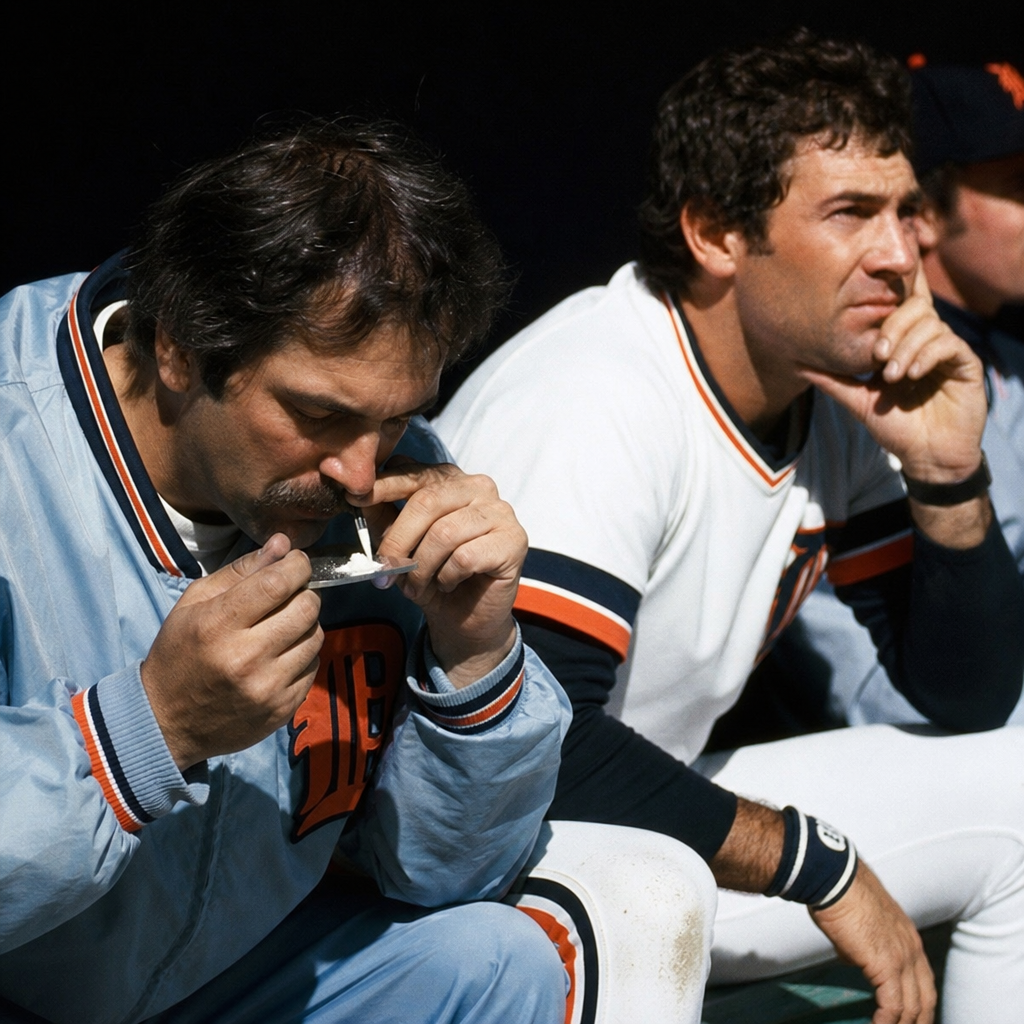
The 1980s cocaine scandal changed professional sports far beyond the headlines, exposing how drug culture, league governance, money, and celebrity collided in ways that damaged careers and forced institutions to reform. In this context, the scandal does not refer to one isolated arrest or one team’s private crisis. It describes a broad wave of cocaine use, investigations, suspensions, courtroom testimony, and public backlash that touched multiple athletes, especially in professional basketball, during a decade when cocaine had become both fashionable and destructive. The phrase “impact on the game” therefore means more than wins and losses. It includes roster instability, locker-room trust, media narratives, fan perception, labor relations, league discipline, youth participation, and the long-term rules that shaped modern player conduct policies.
I have worked through archival reporting, league documents, and retrospective player interviews on this period, and the same pattern appears repeatedly: the drug problem was initially minimized as a private vice of a few stars, then recognized as a structural threat to the sport’s credibility. That shift matters because it explains why the response in the 1980s became so visible and so punitive. Cocaine use in elite sports was not created by basketball, but the sport became one of the clearest public stages on which America watched the issue unfold. For a league still fighting for mainstream legitimacy, every overdose, suspension, and tabloid detail carried consequences.
The scandal also matters because it arrived at a pivotal commercial moment. Television growth, shoe deals, cable expansion, and the rise of marketable superstars were beginning to transform sports into year-round entertainment properties. Sponsors wanted clean narratives. Broadcasters wanted dependable stars. Team owners wanted assets protected. Fans wanted reasons to trust what they were watching. Cocaine threatened all of that. It raised immediate questions: Were players reliable? Were teams enabling dangerous behavior? Could leagues police themselves? Those questions were not abstract. They affected contract decisions, drafting, public relations strategies, and eventually the creation of more formal substance abuse programs.
Understanding this era requires avoiding two mistakes. First, it is wrong to reduce an entire generation of athletes to a drug stereotype. Most players were not involved, and many resented the stain placed on the sport. Second, it is also wrong to soften the damage. Careers were shortened. Some players died. Some franchises lost talent they had invested heavily in. The game itself became associated with excess at exactly the moment it needed stability. The 1980s cocaine scandal is therefore best understood as a crisis that mixed personal tragedy with institutional weakness, and its legacy still shapes how professional sports manage risk, image, and player welfare.
How the scandal took hold in professional sports
Cocaine spread through parts of American high society in the late 1970s and early 1980s, carrying a false reputation as a glamorous, controllable stimulant rather than a deeply addictive drug. That image helped it enter entertainment, nightlife, and some professional sports circles. Athletes with sudden wealth, irregular schedules, travel-heavy lifestyles, and access to elite social spaces were especially vulnerable. In basketball, the off-court culture surrounding certain cities and teams made use easier to hide for a time. Team structures were less developed than they are now. Fewer organizations had comprehensive wellness departments, standardized education, or full-time behavioral health support.
The problem became visible through arrests, rumors, and eventually deaths that made denial impossible. Boston Celtics draft pick Len Bias died of cardiac arrhythmia induced by cocaine in 1986, only two days after being selected second overall in the NBA draft. Although Bias never played an NBA game, his death became the defining public shock of the era because it linked top-level basketball promise with the lethal realities of cocaine use. Around the same period, several players were named in federal investigations and testimony, and suspensions multiplied. The issue was no longer a whispered vice. It had become a national story about whether the sport had lost control.
What made the scandal so damaging was its breadth. The problem touched stars, role players, prospects, and former players. It affected management because executives had to decide whether to protect talent, seek treatment, or cut ties. It affected coaches because practice habits, conditioning, and trust broke down when players were using. It affected teammates who were not involved but had to answer for the league’s image. In practical terms, cocaine undermined the most basic demands of elite competition: recovery, discipline, sleep quality, cardiovascular function, decision-making, and consistency over an 82-game season.
The NBA’s public reckoning and the players most associated with the era
No league became more closely linked to the cocaine scandal than the NBA, largely because the league was still vulnerable in the early 1980s. Television ratings were uneven, some Finals games were tape delayed, and the NBA had not yet fully secured the cultural dominance it would later enjoy. That fragility magnified every controversy. Commissioner David Stern, who took office in 1984, understood that drug abuse was not only a health issue but an existential business problem. His administration moved toward stricter discipline, stronger testing, and a public posture that emphasized institutional control.
Several talented players became cautionary examples. Michael Ray Richardson, an elite guard and four-time All-Star, was banned for repeated violations of the league’s drug policy after prior treatment opportunities. John Drew, another gifted scorer, also received a lifetime ban that was later modified. Roy Tarpley, one of the most naturally talented big men of his generation, saw his NBA career derailed by substance abuse violations despite producing at an All-Star level for the Dallas Mavericks. These names matter because they demonstrate the central truth of the scandal: raw talent offered no protection against addiction or against league discipline once public tolerance evaporated.
The scandal also swept up players who were not permanent stars but still represented major losses to teams. Front offices invest in development curves, chemistry, and roster planning. When a player disappears into suspension, legal trouble, or unreliable behavior, the cost is not only emotional. It affects cap management, rotation continuity, trade value, and coaching strategy. In that sense, the cocaine scandal operated like an invisible injury wave, except it was more chaotic because relapse patterns and disciplinary outcomes were difficult to predict.
| Player or case | Why it mattered | Impact on the game |
|---|---|---|
| Len Bias | Highly publicized 1986 death after being drafted by Boston | Shifted public debate from rumor to crisis and increased pressure for tougher policies |
| Michael Ray Richardson | All-Star level player banned after repeated violations | Showed that elite status would not shield players from punishment |
| John Drew | Productive scorer with repeated substance abuse issues | Reinforced concerns about reliability, team planning, and league image |
| Roy Tarpley | High-upside star whose career was disrupted by violations | Illustrated the long-term competitive cost to franchises |
How cocaine use altered competition, team building, and player development
The direct basketball impact was substantial. Cocaine is a stimulant, but any short-term feeling of alertness comes with physiological and behavioral costs that are disastrous for sustained performance. Players using regularly often struggle with recovery, appetite, hydration, cardiovascular stress, emotional volatility, and inconsistent focus. Coaches cannot build stable systems around volatility. Training staffs cannot optimize bodies that are repeatedly disrupted. Teammates cannot fully trust availability when off-court habits threaten game-day readiness.
From a roster construction standpoint, the scandal made risk evaluation far more important. Teams became more cautious with players carrying nightlife reputations or prior substance concerns. Background checks gained weight. Character discussions, once informal and often biased, became more institutionalized. That shift had benefits and drawbacks. On one hand, franchises recognized that support systems and accountability mattered. On the other, some prospects were broadly stigmatized by rumor, race-coded assumptions, or guilt by association. The scandal therefore changed scouting language as much as it changed testing protocols.
Player development also changed. Younger athletes entering the league in the late 1980s and early 1990s faced more education about substance abuse, more structured expectations, and more monitoring. Veterans who had entered a looser environment often described a stark contrast between earlier permissiveness and the emerging compliance culture. Modern readers sometimes assume these systems always existed. They did not. Much of today’s league apparatus around conduct, wellness, and intervention was built because earlier organizations learned, painfully, that talent without support and boundaries could collapse.
Media coverage, racial politics, and the fight over the sport’s image
The media did not merely report the scandal; it shaped how the public interpreted the entire league. Coverage often blurred distinctions between confirmed cases and generalized suspicion. Because the NBA was a predominantly Black league operating within a racially charged media environment, stories about drugs sometimes became vehicles for broader stereotypes about urban culture, discipline, and morality. That context is essential. The damage was real, but so was the way the crisis was used to paint the league as inherently unruly.
David Stern’s image strategy worked partly because it addressed sponsor anxiety while repositioning the league around marketable stars, professionalism, and cleaner presentation. The rise of Magic Johnson, Larry Bird, and later Michael Jordan helped move the public conversation back toward excellence and rivalry. But that commercial recovery should not obscure the underlying dynamic: the league had to win back trust from broadcasters, parents, and advertisers who feared cocaine had become embedded in the sport’s identity.
This period also changed sports journalism. Investigative reporting became more aggressive on off-court behavior. Leaks from law enforcement, testimony in drug cases, and anonymous front-office concerns began to influence player reputations before facts were fully resolved. That environment created accountability, but it also encouraged sensationalism. The strongest historical reading is balanced: journalism exposed a genuine problem that leagues could no longer hide, yet some coverage overstated the prevalence in ways that harmed uninvolved players and reinforced social bias.
Policy reform, testing, and the legacy in modern sports governance
The lasting legacy of the 1980s cocaine scandal is institutional. Leagues learned that informal handling of substance abuse was unsustainable once the issue became public and once the human cost was undeniable. The NBA strengthened its anti-drug program through collective bargaining, introduced more systematic testing, and paired discipline with treatment pathways. Other leagues watched closely. The modern model in professional sports now blends testing, confidential treatment, escalating penalties, union negotiation, and player education. That structure did not appear by accident. It was built in response to failures from this era.
There were tradeoffs. Strict policies can deter use and reassure the public, but punishment alone does not treat addiction. The best programs recognize substance abuse as both a health issue and a competitive integrity issue. That dual approach remains standard because either extreme fails. If a league is too lenient, teams and sponsors lose confidence. If it is only punitive, players hide problems until the consequences become worse. Effective governance therefore requires medical expertise, clear due process, and credible enforcement.
For the game itself, the ultimate impact was paradoxical. The scandal harmed the sport in the short term by taking away talent, eroding trust, and feeding damaging narratives. Yet it also forced professional basketball to mature. Teams built more serious support systems. Commissioners became more proactive. Fans gained a clearer sense that elite leagues had to protect both players and competition. The lesson still applies across sports: when substance abuse is ignored, the cost is paid in human lives, lost seasons, and institutional credibility. When it is confronted honestly, the game has a chance to recover.
The 1980s cocaine scandal remains one of the most important cautionary episodes in sports history because it showed how quickly private behavior can become a league-wide crisis. Cocaine use did not just affect individual players. It weakened teams, distorted media coverage, pressured sponsors, and forced commissioners to choose between denial and reform. In basketball especially, the scandal arrived during a fragile growth phase, which made every death, suspension, and investigation feel larger than one roster or one city. That is why this subject belongs at the center of any serious “Scandals and Controversies” hub.
The clearest takeaway is that the game changed most when institutions stopped treating the problem as isolated misconduct and started treating it as a systemic risk. Better testing, firmer policies, player education, and treatment options all grew from that realization. At the same time, history warns against lazy storytelling. Not every player was involved, and moral panic often spread faster than verified facts. A strong reading of the era holds both truths together: the damage was severe, and the stigma could also be unfairly broad.
For readers exploring miscellaneous scandals in sport, this case offers a durable framework. Ask what happened to the athletes, what happened to the teams, how the media framed it, and what rules changed afterward. That method reveals why some controversies fade while others permanently reshape the game. If you are building out this topic cluster, continue with related articles on league drug policies, athlete image crises, and the major off-court cases that redefined professional sports accountability.
Frequently Asked Questions
What was the 1980s cocaine scandal in professional sports, and why did it matter so much?
The 1980s cocaine scandal was not a single event, one famous arrest, or one team-specific controversy. It was a broader crisis that revealed how deeply cocaine had entered parts of professional sports culture during a period shaped by fast money, celebrity status, weak oversight, and uneven league discipline. In professional basketball especially, the issue became highly visible through player deaths, criminal investigations, suspensions, federal testimony, and media reporting that linked elite athletes to a wider nightlife and drug economy. What made the scandal so significant was that it exposed structural problems, not just individual failures. Teams, leagues, agents, and media figures all had to confront the reality that substance abuse was affecting player health, public trust, and the integrity of the game.
Its importance also came from timing. Professional sports in the 1980s were becoming bigger business operations, with rising television revenue, stronger brand identities, and more national exposure than ever before. As a result, cocaine-related stories did not stay local. They became national talking points about morality, professionalism, and whether leagues had the ability—or willingness—to police themselves. The scandal damaged careers, altered public perception of athletes, and forced sports organizations to develop more formal drug policies, treatment programs, and disciplinary frameworks. In that sense, the scandal mattered because it permanently changed how leagues thought about governance, player conduct, and reputation management.
How did cocaine use affect professional basketball players and the quality of the game?
Cocaine use affected players in ways that went far beyond public embarrassment. On a personal level, it contributed to addiction, financial collapse, legal trouble, declining physical condition, broken relationships, and in some cases death. Even when the public only saw headlines about arrests or suspensions, the underlying reality was often a pattern of deteriorating judgment, unstable performance, and long-term health consequences. For some athletes, cocaine use shortened careers that might otherwise have been productive and influential. Promising talent was lost not only because of punishment, but because addiction undermined training habits, discipline, recovery, and decision-making.
From a competitive standpoint, the scandal hurt the game by creating unpredictability in rosters, weakening team chemistry, and casting doubt on professionalism across the league. Coaches and executives had to manage not just injuries and tactics, but off-court behavior that could derail a season. Fans and sponsors began to associate the sport with excess and recklessness, which was especially damaging at a time when leagues were working to expand their mainstream appeal. The effect on the game was therefore both direct and indirect: direct through missed games, reduced performance, and lost careers; indirect through the reputational damage that made the sport seem less stable, less disciplined, and less trustworthy in the eyes of the public.
Why did the scandal become so closely associated with league governance and institutional reform?
The scandal became a governance issue because it exposed how unprepared many leagues were to address widespread drug use among players. Before the crisis fully came into public view, league policies were often inconsistent, limited in scope, or reactive rather than preventive. There were gaps in testing, unclear standards for discipline, and few robust support systems for treatment and recovery. Once courtroom testimony, investigations, and media scrutiny made the issue impossible to dismiss, leagues could no longer treat drug use as a private matter between a player and a team. It became a question of whether the institution itself had failed to create a credible system of accountability.
That pressure led to reform. Leagues were pushed to tighten drug testing procedures, clarify suspension rules, establish counseling and rehabilitation pathways, and present a more serious public posture on substance abuse. The scandal also changed how commissioners and team owners understood risk. They saw that drug problems were not only personal tragedies but business threats capable of harming television relationships, ticket sales, sponsorships, and labor negotiations. In practical terms, the crisis helped shift professional sports toward a more centralized and formal approach to discipline and player welfare. The long-term result was a stronger institutional role in monitoring off-court conduct and a broader expectation that leagues must actively protect both their players and their brand.
How did media coverage and public backlash shape the legacy of the scandal?
Media coverage played a major role in turning the cocaine problem from an internal sports issue into a defining public controversy. Newspapers, television reports, and courtroom coverage amplified the story by connecting athlete drug use to broader social anxieties about crime, celebrity excess, and moral decline in the 1980s. Because sports stars were highly visible public figures, their involvement drew intense attention and often symbolic judgment. Coverage did not always distinguish clearly between isolated incidents, widespread patterns, and rumor, but it succeeded in convincing much of the public that professional sports—especially basketball—had a serious credibility problem.
The backlash was powerful because it affected how fans, parents, sponsors, and broadcasters viewed the game. For many observers, the scandal challenged the idea of athletes as role models and made leagues appear disconnected from the consequences of their own culture. That backlash forced sports institutions to respond more aggressively than they might have otherwise. It also shaped the league’s image for years, requiring a sustained effort to rebuild trust through stronger leadership, star-driven marketing, and visible policy enforcement. The legacy of the scandal is therefore inseparable from the way it was covered and remembered: not just as a drug story, but as a turning point in how sports were packaged, judged, and held accountable in public life.
What lasting impact did the 1980s cocaine scandal have on professional sports today?
The lasting impact of the 1980s cocaine scandal can be seen in nearly every modern conversation about player conduct, league discipline, and athlete wellness. One of the clearest legacies is the expectation that professional leagues must have formal systems in place for drug testing, intervention, treatment, and suspension. Today’s policies are far more structured because the scandal showed what happens when leagues rely on denial, inconsistency, or informal handling of serious problems. It also helped establish the principle that substance abuse is both a disciplinary issue and a health issue, requiring consequences but also support.
Its influence extends beyond policy. The scandal changed the relationship between sports and image management, teaching leagues that public trust can be as valuable as on-court performance. Modern leagues invest heavily in player education, behavioral standards, crisis response, and public messaging in part because earlier eras revealed the cost of neglect. The scandal also remains an important historical lesson about the pressures surrounding fame, wealth, and access. It reminds fans and institutions alike that elite competition does not insulate athletes from addiction or poor decision-making. Ultimately, the scandal’s deepest legacy is that it forced professional sports to become more serious about governance, more aware of the human risks behind celebrity, and more deliberate about protecting the integrity of the game.