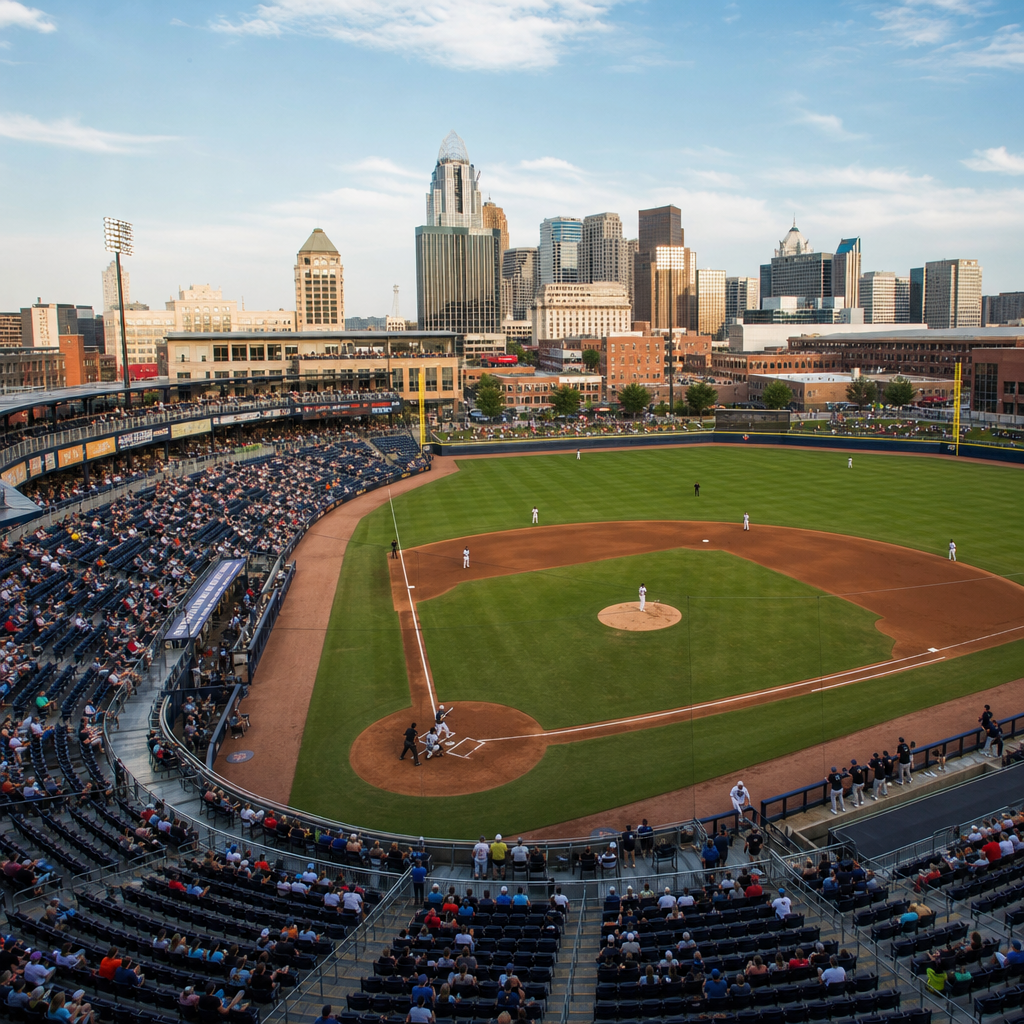
The transformation of minor league facilities and stadiums reflects a larger shift in how baseball organizations, city leaders, and fans define value. A minor league ballpark is no longer just a field with metal bleachers and a cramped clubhouse. It is a player development center, a family entertainment venue, a civic asset, and, increasingly, a year-round events business. When people discuss minor league facilities today, they are really talking about a network of spaces: stadium seating, clubhouses, training rooms, batting cages, video rooms, nutrition areas, strength centers, staff offices, fan plazas, premium hospitality, and the surrounding district that grows around the park.
This matters because minor league baseball sits at the intersection of sport, economics, and community identity. I have seen older parks where players dressed in converted storage areas and fans queued at narrow concourses built for another era. I have also walked through newer facilities where biometric screening, expanded women’s locker rooms, LED lighting, and open social terraces are standard. Those changes are not cosmetic. They affect player health, recruiting, attendance, sponsorship revenue, municipal investment, and whether a franchise remains in a city.
Key terms help frame the subject. “Facility standards” refers to minimum requirements for player and staff spaces, field quality, lighting, technology, and fan amenities. “Stadium modernization” means renovating an existing park to meet current expectations without replacing it entirely. “Ballpark district” describes mixed-use development around a stadium, often including retail, housing, hotels, and public gathering space. Together, these concepts explain why the transformation of minor league facilities and stadiums has become one of the defining stories within minor leagues and college baseball.
For readers exploring miscellaneous topics in this area, this hub matters because facilities touch everything else. League alignment, franchise stability, travel demands, college summer baseball operations, women in baseball staffing, player nutrition, sports science, and local tourism all connect back to the built environment. If you want to understand where the minor league game is headed, start with the places where it is played, trained, marketed, and experienced.
From utilitarian parks to player development infrastructure
For decades, many minor league parks were designed first for affordability and basic game presentation. Owners focused on field maintenance, ticketing, and enough seating to attract local families. Clubhouses were often undersized, batting cages were improvised, and weight rooms were minimal or off-site. That model persisted because affiliates had limited leverage, municipalities were cautious about capital spending, and fans tolerated simpler amenities as long as tickets stayed accessible.
The modern shift began when player development became more centralized and more scientific. Major league organizations started treating every affiliate as an extension of the parent club’s performance system. That changed the building program. A low-A or double-A park now needs high-speed internet for video exchange, dedicated pitching labs, better recovery space, women’s facilities for coaches and staff, secure equipment rooms, expanded umpire rooms, and training areas aligned with current sports medicine practice. Data systems such as TrackMan, Hawk-Eye, Rapsodo, and force-plate platforms require not just hardware but physical space, wiring, weather protection, and workflows that older buildings rarely anticipated.
The effect is visible in both new parks and deep renovations. Upgraded clubhouses improve hygiene, organization, and circulation. Indoor cages allow work during bad weather. Better lighting supports training and broadcasting. Improved drainage reduces postponements and protects turf quality. These changes are practical, but they also send a message: player development is not an afterthought at the minor league level. It is the core function of the facility.
The standards era and why compliance reshaped the map
The most significant accelerant in recent years has been stricter facility requirements tied to affiliation. After the restructuring of the professional development system, clubs and local operators faced much clearer expectations around clubhouse size, field dimensions, lighting levels, security, women’s accommodations, nutrition, and medical space. In plain terms, many parks had to improve quickly or risk losing affiliated baseball.
This compliance era reshaped the geography of the sport. Some cities approved major renovations to keep their clubs. Others pursued replacement stadiums. A smaller number could not justify the cost, and affiliation shifted elsewhere. That was controversial, but the practical result was undeniable: facilities became strategic infrastructure rather than optional civic amenities.
From an operations standpoint, standardized requirements create consistency for players moving through a system. A prospect promoted from one level to another should not have to adapt to dramatically inferior training conditions. From a local government standpoint, however, compliance can be expensive. Renovations often involve mechanical systems, accessibility upgrades, electrical work, and code issues hidden behind walls. A project billed publicly as a clubhouse expansion may, in reality, require years of planning and millions in deferred maintenance.
The lesson for any city connected to minor league baseball is simple. Stadium conversations are never only about aesthetics. They are about eligibility, lease security, and the long-term viability of the franchise.
What modern minor league stadiums now include
A contemporary minor league facility must serve three groups at once: players and staff, fans, and event operators. The best projects balance all three rather than overbuilding for one audience.
| Facility element | Why it matters | Typical modern upgrade |
|---|---|---|
| Clubhouse and training space | Supports player health, recovery, and daily workflow | Expanded lockers, hydrotherapy, athletic training rooms, nutrition stations |
| Technology infrastructure | Enables player evaluation and broadcast quality | Fiber connectivity, camera systems, performance tracking tools, control rooms |
| Fan circulation | Improves comfort, spending, and accessibility | Wider concourses, social decks, elevators, family areas |
| Premium and flexible seating | Diversifies revenue beyond standard tickets | Suites, group terraces, picnic zones, clubs, standing-room rails |
| Field and lighting systems | Protects play quality and scheduling reliability | LED lights, improved drainage, updated irrigation, resilient turf management |
Fans see the social spaces first. Open concourses, craft food concepts, kids’ zones, berm seating, and outfield gathering areas reflect a wider entertainment strategy. Yet the less visible back-of-house improvements are just as important. Better loading areas help concerts and non-baseball events. Updated kitchens support premium hospitality. Storage, security, and circulation design determine whether a venue can host festivals, corporate outings, or college games efficiently.
When facilities succeed, they work on ordinary Tuesday nights and on major event days. That operational flexibility is one of the clearest signs of transformation.
Renovation versus replacement: how cities make the decision
Communities rarely start with a blank slate. Most face a hard choice between renovating an existing ballpark and building a new one. I have worked around both types of projects, and the decision usually turns on four variables: site constraints, hidden infrastructure costs, revenue potential, and political appetite.
Renovation can preserve history, maintain a central location, and cost less upfront. It also allows cities to keep the visual identity of a beloved park. The downside is that older structures often limit what can be fixed. If the footprint cannot accommodate larger clubhouses, service corridors, or accessible routes, the project may become a patchwork solution. There is also the problem of sequencing. Construction around active seasons can add cost and disrupt operations.
Replacement creates design freedom. A new park can orient the field for sun angles, include mixed-use development from day one, and meet standards cleanly. It can also unlock naming rights, premium inventory, and year-round event programming. The challenge is public finance. Taxpayer scrutiny is intense, especially when a project includes private development incentives or infrastructure spending beyond the stadium itself.
The strongest cases for either option rely on transparent assumptions. Cities need realistic attendance estimates, event calendars, maintenance projections, and lease terms. They also need to distinguish between civic return and direct cash return. A ballpark may not operate like a private office tower, but it can still generate nearby spending, jobs, sales tax, and downtown activity that leaders consider worthwhile.
The fan experience as a business model
Minor league baseball learned earlier than many sports that live attendance depends on more than the game itself. Teams compete not only with other sports but with streaming, youth activities, restaurants, and at-home convenience. Stadium transformation therefore became a fan experience strategy as much as a facilities strategy.
Modern parks are built around choice. Traditional reserved seating remains important, but many visitors now prefer communal spaces, drink rails, lawn areas, shaded decks, and hospitality zones for groups. That shift mirrors broader consumer behavior. Families want room to move. Young adults want social space. Sponsors want branded environments that produce visible engagement rather than static signage.
Food and beverage has become a major differentiator. Local partnerships with regional restaurants, breweries, and specialty vendors make a park feel rooted in its market. Digital ordering, mobile ticketing, cashless payment, and self-service checkout reduce friction. Video boards and ribbon displays improve presentation, but the fundamentals still matter most: clean restrooms, short lines, sightlines that keep fans connected to the field, and parking or transit access that does not turn a two-hour game into a five-hour outing.
In practical terms, every comfort upgrade affects revenue. Better circulation improves concession throughput. Premium group areas lift per-cap spending. Family amenities raise repeat visitation. Accessibility improvements widen the audience and reduce barriers for older fans and guests with disabilities. The fan experience is not a soft concept. It is a measurable operating model.
College baseball, summer leagues, and shared-use opportunities
This topic also belongs squarely within the broader minor leagues and college baseball landscape because many facilities now serve multiple baseball ecosystems. A minor league park may host NCAA games, conference tournaments, rivalry series, all-star events, youth showcases, or collegiate summer league contests. In some markets, shared use helps justify capital spending by expanding the calendar well beyond the affiliate’s home schedule.
College programs benefit from high-quality venues when campus facilities are limited or when a special event demands more capacity and hospitality. Players gain exposure to professional-grade environments. Coaches gain recruiting value. Fans receive a better spectator experience. For the stadium operator, these dates create rental income, concession opportunities, and community relevance outside the affiliated season.
There are tradeoffs. Shared use increases wear on the field and complicates scheduling. Baseball and non-baseball event conversions require staffing depth. Clubhouse access, branding control, and broadcast logistics must be coordinated carefully. But when managed well, a minor league stadium becomes the baseball center of a region rather than the home of a single team.
That hub role is one reason facilities deserve comprehensive coverage. They connect professional development, amateur growth, local business, and civic programming in ways few sports assets can match.
What comes next for minor league facilities and stadiums
The next phase of transformation will be defined less by novelty and more by integration. Expect more projects that combine sports science space, flexible hospitality, sustainability features, and mixed-use planning from the outset. Energy-efficient LED systems, water management, durable seating materials, and heat-mitigation design are increasingly important as operators face rising utility costs and more extreme weather. Broadcast infrastructure will continue to expand because streaming is now a core part of visibility and sponsorship, not an add-on.
Accessibility and workforce design will also move higher on the list. Facilities must work for women in coaching, training, operations, and media roles, not simply retrofit after the fact. Staff circulation, storage, and service space deserve more attention because event quality depends heavily on how efficiently employees can work behind the scenes.
The central takeaway is clear. The transformation of minor league facilities and stadiums is not about chasing luxury. It is about aligning baseball venues with modern standards for development, safety, business performance, and community use. Better facilities protect affiliations, improve the daily life of players and staff, create stronger fan experiences, and give cities more ways to activate valuable public space.
As a hub within the minor leagues and college baseball conversation, this subject opens the door to every related issue, from franchise movement and public funding to sports technology and campus partnerships. If you are evaluating teams, cities, or trends in this corner of the game, study the ballparks first. They reveal where investment is flowing, what organizations value, and which markets are building for the future.
Frequently Asked Questions
Why have minor league facilities and stadiums changed so dramatically in recent years?
Minor league facilities have evolved because the expectations surrounding them have changed at every level. In the past, many ballparks were built primarily to host games at the lowest possible cost, with limited attention paid to player development, fan comfort, or year-round usefulness. Today, teams, parent organizations, municipalities, and fans expect far more. A stadium now has to support modern training methods, provide appealing seating and hospitality options, meet higher clubhouse and facility standards, and function as a destination that can stay active beyond the baseball season.
Another major reason for this transformation is that baseball organizations increasingly view minor league environments as a direct extension of the major league system. Better batting tunnels, weight rooms, recovery spaces, nutrition areas, lighting, and technology infrastructure all contribute to development. At the same time, city leaders often see these projects as public-facing civic assets that can attract visitors, support local business activity, and host community events. That combination of athletic performance, entertainment value, and local economic purpose has pushed minor league stadiums far beyond their traditional role.
What does a modern minor league facility include beyond the field and seating bowl?
A modern minor league facility is best understood as a collection of interconnected spaces designed to serve different users. Of course, the field and spectator seating remain central, but the ballpark now often includes expanded clubhouses, strength and conditioning areas, indoor training tunnels, medical and recovery rooms, coaches’ offices, video review spaces, nutrition support areas, upgraded bullpens, and improved player housing or support coordination nearby. These additions reflect the reality that development is a daily process, not just something that happens during the nine innings of a game.
For fans, the list of features has also expanded considerably. Many newer or renovated minor league parks include premium seating areas, social spaces, family zones, kids’ play areas, party decks, improved concessions, team stores, shaded gathering spots, and better accessibility throughout the venue. Behind the scenes, there may also be upgraded kitchens, storage, event operations rooms, broadcasting facilities, and flexible indoor areas that can be used for banquets, meetings, or non-baseball programming. In other words, the modern ballpark is designed to function as both a sports venue and a multi-use community facility.
How do upgraded minor league stadiums benefit player development?
Improved minor league facilities can have a meaningful effect on player development because they create a more professional and better integrated daily environment. When players have access to quality weight rooms, training areas, medical support, recovery equipment, nutrition resources, and video or analytics tools, they can prepare more effectively and recover more consistently. That matters over a long season, especially for younger players who are learning how to manage the physical and mental demands of professional baseball.
Upgraded facilities also help organizations align teaching and development standards across all levels of the system. A prospect in a modern minor league setting can train in ways that more closely mirror major league expectations, making the transition smoother over time. Better clubhouse layouts, improved staff work areas, and dedicated spaces for instruction also allow coaches, trainers, and coordinators to communicate more efficiently. The result is not simply a nicer building; it is a more functional development environment that supports performance, health, and organizational consistency.
Why do cities and communities invest in minor league ballpark renovations and new facilities?
Cities and communities often invest in minor league stadiums because they see them as multipurpose civic assets rather than single-use sports properties. A well-designed ballpark can draw residents downtown, generate foot traffic for restaurants and retail, provide a venue for festivals and public gatherings, and create a recognizable local landmark. In many places, the stadium becomes part of a broader redevelopment strategy, helping anchor entertainment districts or revitalize underused areas.
There is also a strong community identity component. Minor league baseball is often deeply local, and a stadium can serve as a shared gathering place that hosts not only games, but also concerts, charity events, high school competitions, holiday celebrations, corporate functions, and family activities. That year-round relevance strengthens the case for investment. While the economics of public funding can be debated, supporters typically argue that a renovated or newly built facility can deliver value through community use, visibility, quality-of-life improvements, and broader economic activity tied to regular events and tourism.
How have fan expectations influenced the transformation of minor league stadiums?
Fan expectations have played a huge role in reshaping minor league facilities because attending a game is now judged as a full entertainment experience, not just a chance to watch baseball. Families want comfort, convenience, and activities for children. Casual attendees often look for social spaces, creative food and beverage options, and themed promotions. Businesses may want premium hospitality areas for client events. Even dedicated baseball fans expect cleaner concourses, better sightlines, improved restrooms, easier parking and entry, and more engaging in-game presentation.
This shift has encouraged teams to think more broadly about how people move through and use the stadium. Designers now pay attention to flexible seating types, gathering areas, circulation, shade, accessibility, and technology integration. The goal is to serve different audiences at once: families, groups, corporate guests, traditional fans, and event attendees who may not come primarily for the game itself. In practical terms, that means modern minor league parks are built to be more welcoming, more versatile, and more experience-driven than the ballparks of earlier eras.