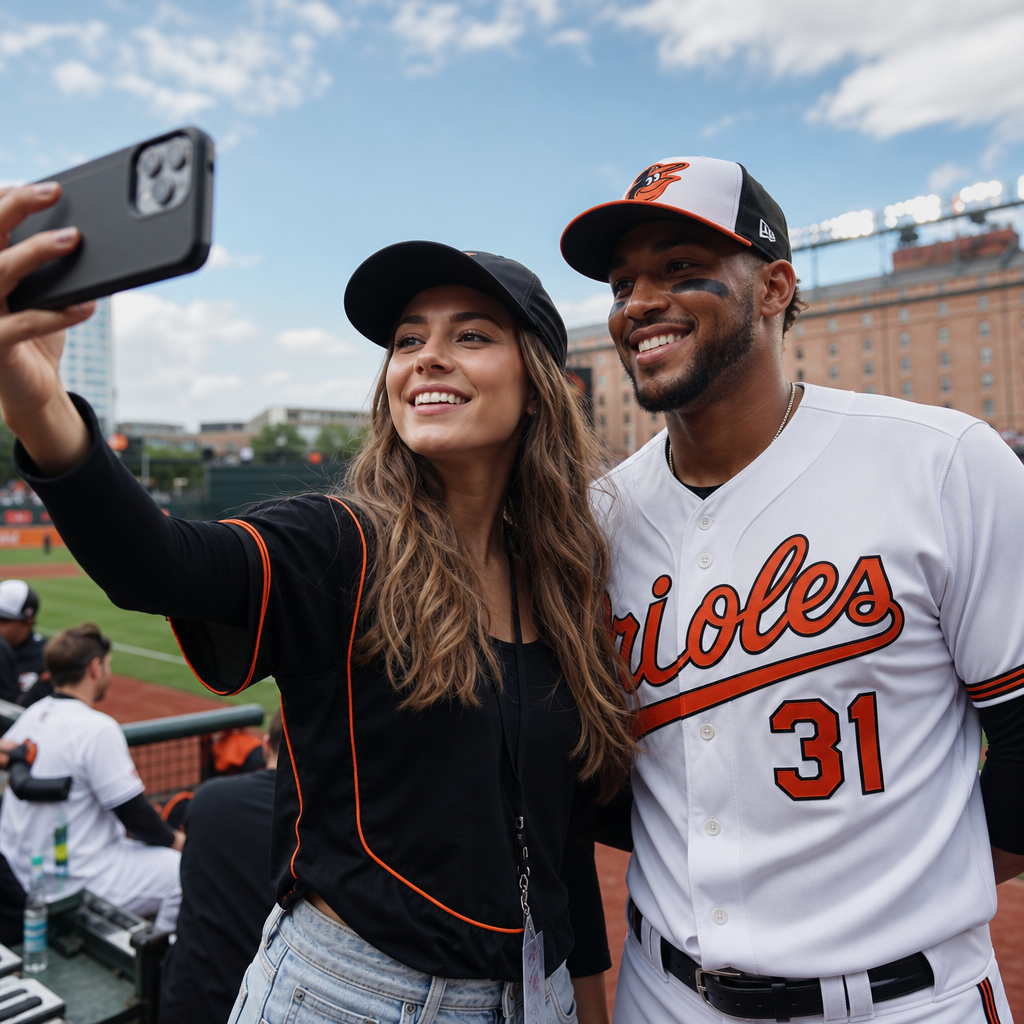
Baseball marketing has changed more in the past decade than it did in the previous fifty years, and social media influencers now sit at the center of that shift. In practical terms, influencers are creators, athletes, analysts, streamers, podcasters, and fan personalities who build trust with a defined audience and can shape what people watch, buy, discuss, and attend. In baseball, that influence reaches far beyond sponsored posts. It affects game discovery, merchandise demand, ticket sales, youth participation, broadcast viewing habits, and the way leagues, teams, and brands package the sport for digital audiences.
I have worked on sports content campaigns where a thirty-second creator clip drove more qualified engagement than a week of polished brand creative, and baseball is especially suited to that dynamic. The sport generates constant micro-moments: batting practice videos, pitch breakdowns, clubhouse fashion, prospect highlights, stadium food reviews, fantasy advice, and live reactions during rivalry games. Each of those moments can be turned into distribution by someone the audience already follows. That is why the power of social media influencers in baseball marketing is not a trend. It is a structural change in how attention is earned.
This matters because baseball faces a dual challenge. It must retain traditional fans who still value regional broadcasts, radio calls, and long-form commentary, while also attracting younger viewers who consume sports through TikTok clips, YouTube explainers, Instagram Reels, podcasts, Discord communities, and creator-led livestreams. Broadcasting and media in the digital age now depend on personalities who can translate the game across platforms. The smartest baseball organizations understand that influencer marketing is not separate from media strategy. It is media strategy, audience development, and brand storytelling working together.
How social media influencers reshape baseball discovery and fan attention
Social media influencers help people find baseball content in ways that traditional broadcasting alone no longer can. A local television spot reaches a broad but fixed audience. A creator can reach niche audiences with precision: youth players searching for pitching drills, bettors tracking bullpen usage, collectors following card markets, or casual fans who mainly want entertaining recaps. That targeting matters because modern baseball fandom often begins with a single clip, not a full game broadcast.
Short-form video has become the top of the funnel for baseball attention. A creator posting Shohei Ohtani swing analysis, a dugout mic moment, or a breakdown of Elly De La Cruz’s base running can introduce the sport to users who were not actively looking for baseball. Platforms reward shareable moments, and baseball produces them daily during a 162-game season. Influencers package those moments in audience-friendly language, adding context that official league channels often omit. This makes the content easier to understand and more likely to spread.
Influencers also reduce the intimidation factor that new fans sometimes feel. A former college player explaining why a splitter tunnels off a fastball can make advanced pitching concepts accessible. A stadium reviewer can help first-time attendees decide where to sit, what to eat, and how early to arrive. A baseball fashion creator can introduce the culture around caps, jerseys, and lifestyle apparel. These are not side conversations. They are entry points into the sport.
The effect is measurable. Industry reporting from HubSpot, Influencer Marketing Hub, and Sprout Social has consistently shown that creator content often outperforms brand posts on engagement rate and saves, especially on Instagram and TikTok. In baseball, that engagement translates into discovery: more searches for players, more clicks to highlights, and stronger recall for teams and sponsors. When fans trust the messenger, they are more likely to take the next step.
Why baseball’s digital media ecosystem depends on creators
Broadcasting and media in the digital age no longer revolve around one screen or one rights holder. Baseball fans move between local TV broadcasts, national games, league apps, team websites, X posts, creator channels, fantasy platforms, and podcasts. Influencers function as connectors inside that ecosystem. They recap what happened, interpret what it means, and point audiences toward the next media touchpoint.
This hub role is especially important because baseball is data-rich and schedule-heavy. Most fans cannot watch every inning, but they still want to feel informed. Influencers solve that by curating. A baseball newsletter writer can summarize the night in five bullet points. A pitching specialist on YouTube can explain why a rookie suddenly gained two miles per hour. A live streamer can react to trade deadline rumors in real time. Together, these creator formats extend the shelf life of broadcasts and keep fan attention active between games.
Teams and leagues increasingly benefit when they treat creators as complementary media partners rather than as outsiders. The NBA embraced creator access earlier and more aggressively, but baseball has started to catch up through credentialed social coverage, player collaborations, and behind-the-scenes content opportunities. When a creator is given clubhouse access, batting practice footage, or interview time, the output usually feels more native to digital platforms than a repurposed television segment. Native content performs better because it matches how audiences already consume information.
For baseball brands, this means media planning must account for the full content chain. A marquee matchup may begin with an official promo, peak with the live broadcast, and continue through creator reactions, meme accounts, podcasts, and morning-after analysis. The game is no longer the only product. The surrounding conversation is also inventory.
What makes baseball influencers effective for teams, leagues, and sponsors
The most effective baseball influencers do three things well: they establish credibility, translate complexity, and maintain consistency. Credibility may come from playing experience, scouting knowledge, statistical literacy, or years of reporting. Translation matters because baseball can be technical. A creator who explains expected weighted on-base average, framing, or pitch tunneling in plain language can make advanced ideas useful to mainstream fans. Consistency matters because baseball is a daily sport, and audiences reward accounts that show up every day.
Different influencer categories serve different marketing goals. Current players drive authenticity and reach, but their posting can be limited by schedule, media training, and league policies. Retired players and former coaches often excel at education because they can speak more freely. Independent analysts build trust with serious fans who value evidence over hype. Lifestyle creators expand reach beyond hardcore baseball audiences through fashion, travel, food, or family content tied to the game-day experience. Micro-influencers, typically with 10,000 to 100,000 followers, often deliver the best engagement because their communities feel personal and interactive.
| Influencer type | Primary strength | Best baseball marketing use |
|---|---|---|
| Current players | Authenticity and broad reach | Merch launches, ticket pushes, brand campaigns |
| Former players or coaches | Technical insight and storytelling | Education, analysis, sponsor authority |
| Independent analysts | Trust with informed fans | Data-led content, previews, deep dives |
| Lifestyle creators | Audience expansion beyond core fans | Ballpark culture, travel, apparel, family experiences |
| Local micro-influencers | High engagement in specific markets | Theme nights, community events, regional awareness |
I have seen local creators outperform celebrity accounts for team activations because they speak the language of the market. A regional food creator reviewing a new concession item can move more same-week purchases than a national sports personality mentioning it once. Relevance beats raw follower count when the goal is action.
How influencer campaigns support baseball broadcasting, streaming, and content rights
One of the biggest shifts in baseball media is the fragmentation of viewing. Fans may watch on regional sports networks, league streaming packages, national partners, or clips on social platforms. Influencers help unify that fragmented experience by guiding fans to where and why they should watch. A creator can turn a routine Tuesday game into an event by spotlighting a pitching duel, a prospect debut, or a rivalry storyline that the average fan might have missed.
That support is increasingly valuable as teams and leagues navigate changing rights models. Regional sports network instability has forced many baseball organizations to rethink distribution, direct-to-consumer streaming, and digital subscriber growth. Influencers can lower acquisition costs by educating fans on access. If a team launches a new streaming option, creator tutorials showing pricing, device compatibility, blackout details, and signup steps can reduce confusion and improve conversion.
They also create shoulder programming around live games. Pre-game prediction videos, in-game watch-alongs where permitted, post-game reaction shows, and explainers after controversial calls all extend engagement. This is not a replacement for rights-holding broadcasters. It is an amplifier. Broadcasters still deliver the live event and premium production values. Influencers sustain the daily conversation that keeps viewers connected to the product.
There are legal and operational boundaries. Leagues must protect rights agreements, copyrighted footage, and sponsor exclusivity. Smart campaigns define usage rules clearly: what clips can be used, what logos can appear, what disclosures are required, and how creators should reference official broadcasts. Clear rules protect both brand and creator while preserving the authenticity that makes influencer content work.
Measuring ROI from baseball influencer marketing
Baseball organizations should measure influencer marketing with the same discipline they apply to ticketing, sponsorship, and media buying. Vanity metrics are not enough. Reach and impressions matter, but they only tell part of the story. The key is mapping creator activity to specific business outcomes.
For awareness campaigns, teams should track video completion rate, engagement rate, profile visits, branded search lift, and follower growth among target demographics. For conversion campaigns, the more useful metrics are link clicks, promo code redemptions, ticket sales, merchandise revenue, app installs, newsletter signups, or streaming subscriptions. For sponsorship campaigns, brand lift studies and aided recall can show whether audiences actually remembered the partner message.
Named tools help here. Google Analytics 4 supports campaign tagging and on-site behavior analysis. Sprout Social, Dash Hudson, and Later help compare platform performance. CreatorIQ, GRIN, and Traackr support creator management and reporting for larger programs. Ticketing systems and commerce platforms should feed back into attribution models so marketers can compare creators against paid social, email, and affiliate channels.
In practice, the best results usually come from blended measurement. A creator may not close a sale directly, but may drive a search that later converts through another channel. That is why baseball marketers should look at assisted conversions and time-lag reports, not just last-click attribution. When campaigns are tied to a season calendar, trend analysis becomes even more useful. You can compare opening day, rivalry weeks, postseason pushes, and offseason launches to see which creator types perform best at each stage.
Risks, limitations, and the future of influencer-led baseball media
Influencer marketing is powerful, but it is not risk free. Brand safety matters. A creator with strong engagement may still be a poor fit if their tone, posting history, or audience demographics conflict with the team or sponsor. Authenticity can also be damaged when partnerships feel forced. Baseball fans are quick to notice when a creator who rarely discusses the sport suddenly posts generic promotional content. That is why fit and briefing quality matter more than volume.
There are also structural limitations. Baseball’s older audience can be harder to reach through some creator channels, while younger audiences may prefer creators over official broadcasts and never convert into long-form viewers. Not every campaign should chase virality. Some of the most valuable baseball marketing results come from modest but consistent creator programs that deepen loyalty in a local market. A season-ticket push, youth clinic promotion, or women’s baseball initiative may benefit more from trusted community voices than from a large national campaign.
Looking ahead, the next phase of baseball media will be more personalized, more interactive, and more creator-led. Expect greater use of bilingual creators to serve multicultural audiences, more athlete-owned media, more creator-hosted alternate broadcasts, and more commerce built directly into social platforms. Expect data-informed storytelling to grow as Statcast-style insights become easier to visualize for mainstream audiences. Most of all, expect teams that integrate influencer strategy with broadcasting, streaming, public relations, and sponsorship sales to outperform teams that treat creators as a side tactic.
The power of social media influencers in baseball marketing comes down to one clear advantage: they turn a long season into a daily relationship. They help new fans understand the game, give existing fans more reasons to care, and connect broadcasts, digital media, and commerce into one coherent experience. For a sport with deep tradition and constant content, that is a major competitive asset.
As the hub for broadcasting and media in the digital age, this topic should guide how you evaluate every related decision: creator partnerships, player content, streaming education, digital rights support, sponsorship activation, and fan community building. The strongest baseball brands now think like publishers and distributors, not just advertisers. They build around trusted voices, clear measurement, and platform-native storytelling.
If you want better baseball marketing results, start by auditing where your audience actually spends time, which creators already influence their decisions, and how those creators can support your broader media strategy. Then build programs that are useful, credible, and consistent. In modern baseball, attention is earned through people as much as platforms. Invest accordingly.
Frequently Asked Questions
How do social media influencers actually help baseball brands reach more fans?
Social media influencers help baseball brands expand their reach by translating the game into content that feels personal, timely, and easy to engage with. Traditional marketing often speaks broadly to a mass audience, but influencers speak directly to specific communities such as youth players, fantasy baseball fans, collectors, local supporters, sports bettors, apparel shoppers, or casual viewers who may not follow the sport every day. Because these creators have already earned trust with their audiences, their recommendations often feel more credible than standard advertisements.
In baseball marketing, that influence can show up in many forms. A content creator might explain a player’s breakout performance in a short video, a podcaster might build excitement around a rivalry series, a streamer might react live to a major moment, or a fan personality might showcase the atmosphere at a ballpark. Each of those touchpoints helps brands, teams, and leagues stay present in the daily media habits of fans. Instead of waiting for fans to seek out baseball content, influencer partnerships bring baseball into the feeds, conversations, and routines people already have. That is especially important in a fragmented media environment where attention is spread across platforms.
Influencers also help by making baseball more accessible. They can simplify analytics, tell player stories, highlight behind-the-scenes culture, and present the game in ways that resonate with younger or newer audiences. For marketers, that means influencer content is not just awareness-building. It can also support deeper goals like growing merchandise sales, increasing ticket interest, promoting streaming viewership, and shaping long-term fan loyalty.
Why are social media influencers so effective in baseball marketing compared to traditional advertising alone?
Influencers are effective because they combine reach with relatability. Traditional advertising can still play an important role in baseball marketing, but it usually operates as a one-way message. Influencer content feels more like a conversation. Fans comment, share, ask questions, and react in real time. That interaction creates a level of engagement that many conventional campaigns struggle to achieve on their own.
Baseball is a sport built on storylines, personality, routine, and community, which makes it particularly well suited for influencer-driven promotion. A creator can build anticipation before a game, break down a trade, compare player gear, review a stadium experience, or celebrate a cultural moment around the sport. Those formats allow fans to connect with baseball in ways that feel natural rather than promotional. When a trusted creator recommends a jersey, highlights a promotional night, or encourages followers to attend a game, the endorsement often carries more weight because it is embedded in content the audience already values.
Another reason influencers outperform traditional advertising in many cases is speed. Baseball moves quickly from a marketing perspective. Trends, highlights, controversies, and breakout players can dominate conversation within hours. Influencers can respond immediately, helping teams and brands stay relevant in the moment. That agility matters when trying to capture attention during a hot streak, a playoff push, a major signing, or a viral play. In short, traditional ads can create visibility, but influencers often create momentum, conversation, and action.
What types of influencers matter most in baseball marketing?
The most valuable influencers in baseball marketing are not limited to celebrity athletes with massive followings. In many cases, the strongest results come from choosing the right type of influencer for a specific objective. Baseball marketing benefits from a broad influencer ecosystem that includes current and former players, coaches, analysts, podcasters, streamers, memorabilia experts, sports fashion creators, youth training instructors, local fan accounts, and even lifestyle creators who connect baseball to music, food, travel, or culture.
For example, if a team wants to promote ticket sales and game-day attendance, local creators who regularly highlight city events or family entertainment may be more effective than a national baseball personality. If a brand wants to sell equipment, youth instructors and player development creators can provide practical credibility. If the goal is to spark league-wide conversation, baseball analysts and fast-growing commentary accounts may be the better fit. Podcast hosts can sustain deeper engagement over time, while short-form video creators can generate quick bursts of discovery and reach.
Micro-influencers can be especially powerful in baseball because they often have highly engaged niche audiences. A creator with a smaller but deeply loyal following may drive stronger action than a larger account with a broad but less connected audience. The key is alignment. Marketers should look at audience trust, content quality, consistency, platform fit, and relevance to the campaign rather than focusing only on follower count. In baseball, influence is often about authority within a community, not just overall scale.
How can baseball teams and brands measure the success of an influencer marketing campaign?
Success should be measured against clear business goals, not just visibility metrics. Likes, views, comments, and shares are useful indicators of engagement, but they only tell part of the story. In baseball marketing, a strong influencer campaign should connect to outcomes such as ticket purchases, merchandise sales, website traffic, email sign-ups, app downloads, streaming tune-in, event attendance, or audience growth across team-owned channels.
To measure performance accurately, teams and brands should define their objectives before launching a campaign. If the goal is awareness, impressions, reach, video completion rates, and follower growth may be the right indicators. If the goal is conversion, then trackable links, promo codes, affiliate sales, referral traffic, and attributed purchases become more important. For attendance-focused campaigns, marketers can monitor ticket sales during the campaign window, redemption of unique offers, and engagement from targeted geographic markets. For brand perception goals, sentiment analysis, audience feedback, and comment quality can help reveal how fans are responding.
Long-term value matters too. Baseball is not always a one-click purchase environment. A fan may discover a team through an influencer, begin following highlights, listen to related podcasts, attend a game weeks later, and eventually become a repeat customer. That is why the best measurement approach combines immediate campaign data with broader indicators of brand lift and audience relationship growth. The most effective organizations treat influencer marketing as both a performance channel and a brand-building tool.
What should baseball organizations keep in mind when building influencer partnerships?
Baseball organizations should start with authenticity. The most successful influencer partnerships do not feel forced or overly scripted. Fans can quickly tell when a creator is promoting something that does not match their voice, audience, or usual content style. Teams and brands should work with influencers who genuinely understand the sport, connect naturally with the target audience, and can communicate the message in a way that feels true to their platform.
It is also important to think beyond one-off sponsored posts. Strong baseball marketing partnerships often perform best when they are built as ongoing relationships. A creator who attends games regularly, features players over time, or becomes associated with a team experience can build familiarity and trust that a single campaign cannot match. This kind of continuity helps turn promotion into storytelling, which is especially valuable in a long baseball season where fan attention rises and falls across many months.
Organizations should also provide clear goals, creative guidance, and access without overcontrolling the content. Influencers need enough structure to understand the campaign objective, but they also need freedom to create material that fits their audience’s expectations. In addition, teams should review audience demographics, engagement quality, platform strengths, and past brand partnerships before selecting creators. Compliance, disclosure, and brand safety should be part of the planning process as well.
Finally, baseball organizations should remember that influencer marketing is most powerful when it supports the full fan journey. The right partnership can introduce the game to new audiences, deepen interest among casual followers, and motivate loyal fans to buy, attend, share, and advocate. When approached strategically, influencers are not just promotional partners. They become modern storytellers who help shape how baseball is discovered, experienced, and remembered.